When planning a new natural burial ground, understanding the type of woodland on — or surrounding — the site is essential. Two terms appear frequently in ecological surveys and planning documents: ancient woodland vs semi-natural woodland. Although they may sound similar, they describe very different habitats, each with its own ecological value, legal sensitivities, and practical implications.
Choosing the right landscape is one of the most important early decisions for any prospective burial ground operator. The type of woodland present can determine what is possible, what is appropriate, and what must be protected.
What Is Ancient Woodland?
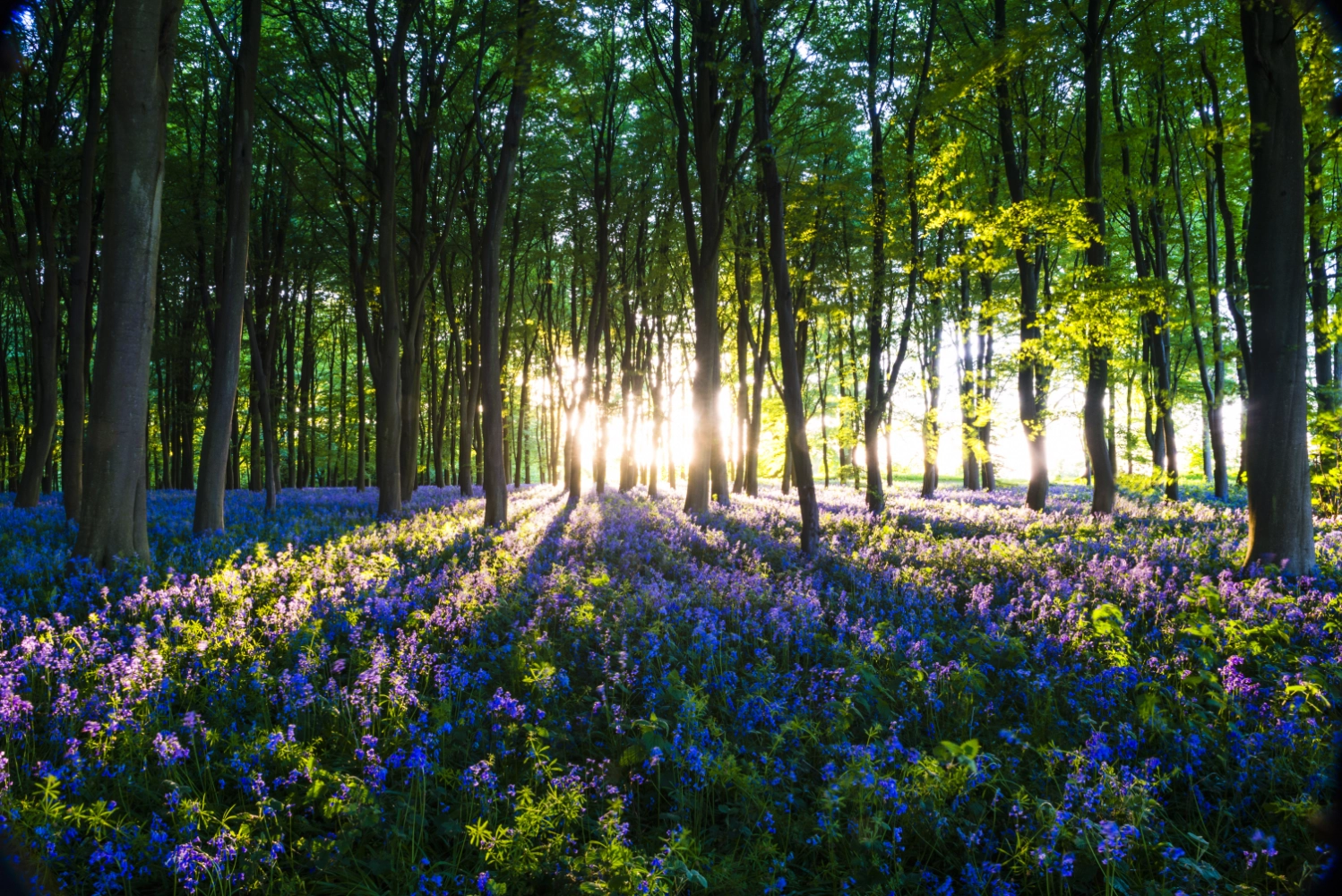
Ancient woodland is one of the UK’s most precious natural habitats. It refers to land that has been continuously wooded since at least 1600 AD. Because it has been left undisturbed for centuries, ancient woodland develops layered, complex ecosystems that cannot be recreated or replaced once lost.
Key characteristics of ancient woodland
-
Continuous woodland cover for 400+ years
-
Exceptional levels of biodiversity, including rare or specialist species
-
Undisturbed soil structures and long-established mycorrhizal networks
-
Historic landscape features such as old field boundaries, pits, or earthworks
-
Highly protected within UK planning systems
-
Considered irreplaceable habitat by government and conservation bodies
Ancient woodland is typically recorded on the Ancient Woodland Inventory (England and Scotland) and any proposal affecting it is subject to strict ecological review.
What Is Semi-Natural Woodland?
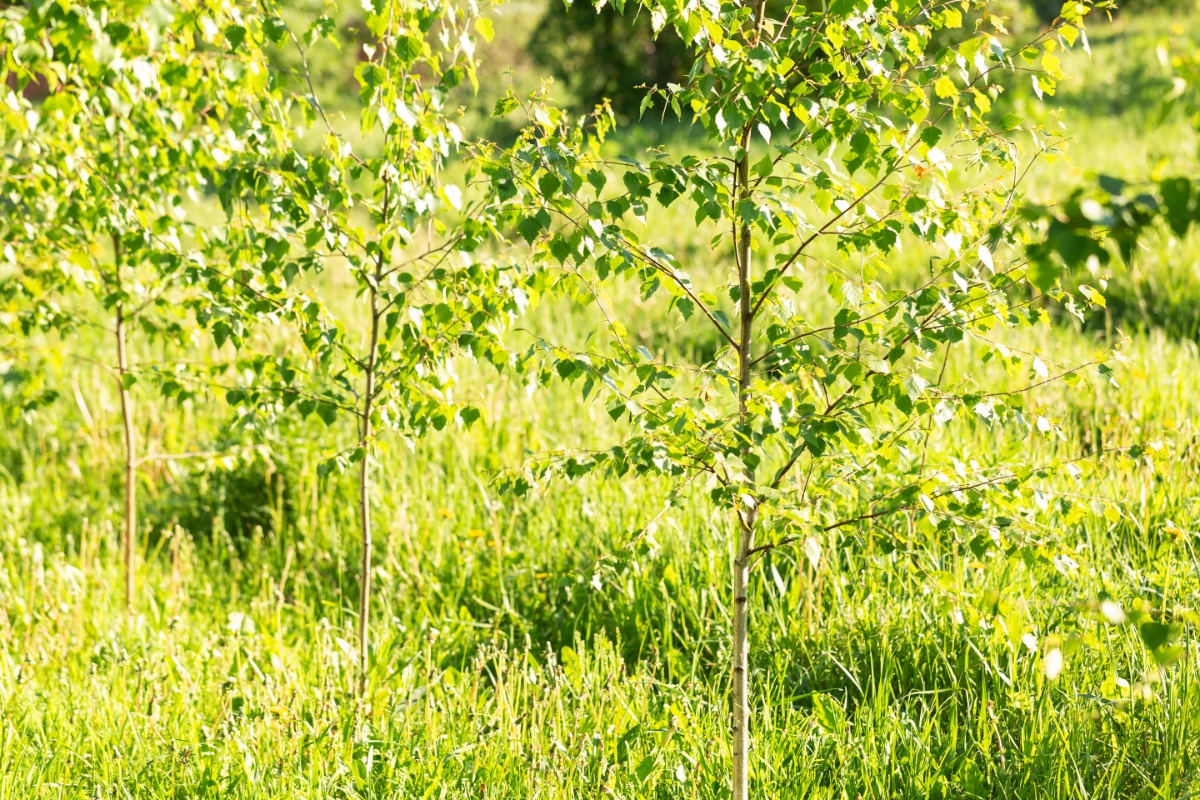
Semi-natural woodland is woodland composed mainly of native tree and shrub species, but not necessarily ancient in age. It may have regenerated naturally after past land use, or developed gradually with minimal human management.
Key characteristics of semi-natural woodland
-
Dominated by native species such as oak, birch, hazel, ash, rowan, and holly
-
Not planted as a formal commercial plantation
-
May be young or mature depending on when regeneration began
-
Can support rich biodiversity, though generally less complex than ancient woodland
-
Often more flexible for sensitive land-use change, restoration, or ecological enhancement
Semi-natural woodland is defined primarily by origin and composition, not age. Some semi-natural woodlands can also be ancient — known as ancient semi-natural woodland (ASNW).
How Ancient and Semi-Natural Woodland Differ
| Feature | Ancient Woodland | Semi-Natural Woodland |
|---|---|---|
| Primary defining factor | Age: continuous woodland since 1600 | Composition: native species + natural regeneration |
| Ecological value | Exceptionally high, irreplaceable | High ecological value, varies by site |
| Planning protection | Strongly protected; development rarely permitted | Less restricted, but still sensitive |
| Suitable for new burial grounds? | Almost never | Sometimes, with ecological assessment and careful design |
| Opportunities for habitat enhancement | Very limited — preservation is priority | Possible: restoration, woodland creation, controlled access |
In simple terms:
Ancient woodland must be protected; semi-natural woodland may sometimes be sensitively incorporated into burial ground planning.
Why This Matters for Natural Burial Grounds
When setting up a natural burial ground, respecting and understanding existing habitats is crucial. Woodlands offer quiet beauty and a sense of continuity with nature — qualities families deeply value — but not all woodlands are appropriate for burial activity.
Ancient woodland is rarely suitable for new burial sites
Ancient woodland is considered irreplaceable because of its age, soil structure, fungal networks, and long-established ecological relationships. For this reason:
-
New burial sites are strongly discouraged within ancient woodland boundaries.
-
Disturbing soils or introducing memorial infrastructure can damage delicate root systems and ancient soil profiles.
-
Planning authorities will almost always resist proposals that affect ancient woodland or its surrounding buffer zone.
If ancient woodland exists on or near the land you are considering, it should be treated as an area for protection, education, or non-intrusive conservation, not development.
Semi-natural woodland may be more suitable — with care
Semi-natural woodland can, in some cases, provide opportunities for:
-
Woodland burial areas, if soil conditions and hydrology are appropriate
-
Habitat enhancement, such as native understory planting or deadwood habitats
-
Ecological buffering around open meadow burial spaces
-
Future woodland creation, connecting existing habitats across the landscape
However, even semi-natural woodland requires thorough ecological assessment to ensure tree roots, ground flora, and wildlife corridors are protected.
Burials must be spaced carefully to avoid compaction around root zones, and no heavy machinery should enter sensitive areas.
Helping landowners and families make responsible choices
Understanding the difference between ancient and semi-natural woodland supports more informed decisions, such as:
-
Choosing the right part of the land for burials
-
Protecting vulnerable habitats during site design
-
Offering families burial options that are environmentally responsible
-
Demonstrating ecological credibility to local authorities and communities
A well-chosen site balances nature, conservation, and remembrance. Making this distinction clear improves transparency and trust — and helps reinforce the project’s long-term sustainability.
Strengthening planning applications and environmental assessments
Planning authorities increasingly expect operators to understand and respect ecological designations. Clearly demonstrating the difference between woodland types can help:
-
Prevent objections from conservation bodies
-
Support Environmental Impact Assessments (EIAs)
-
Improve chances of approval by showing informed land stewardship
-
Align your burial ground with biodiversity enhancement goals, including Local Nature Recovery Strategies (LNRS)
Being able to state confidently that you have avoided ancient woodland — and assessed semi-natural woodland appropriately — is an asset in any planning process.
Ancient vs Semi
Woodland brings beauty, tranquillity, and a deep connection to nature — values at the heart of natural burial. But recognising the difference between ancient and semi-natural woodland is essential for responsible, sustainable burial ground planning.
-
Ancient woodland must be protected and preserved.
-
Semi-natural woodland can sometimes be sensitively integrated, offering opportunities for ecological enhancement and peaceful burial spaces.
By understanding each woodland type, landowners and operators can create natural burial grounds that honour both people and the landscape — supporting biodiversity, protecting irreplaceable habitats, and ensuring the land remains a place of peace for generations.
Resources and Information
A guide to understanding the Scottish Ancient Woodland Inventory (AWI)
Ancient Woodland - Revised (England) - Completed Counties:
Ancient Woodland Inventory (Scotland):
MAP: Ancient Woodland (England) Natural England Open Data Publication - Inventory identifies over 52,000 ancient woodland sites in England.
MAP: Ancient Woodland Inventory: NCCs compiled the Inventories of Ancient, Long-established and Semi-natural woodlands.
Woodland Trust: Ancient Tree Inventory:
Government Defra MAGIC: Multi-Agency Geographic Information for the Countryside.
Ancient Woodland Inventory handbook - Methodology used by Natural England to update the ancient woodland inventory
How to Identify Ancient Woodlands: Woodland Trust
Register SSSI Scotland: NatureScot designates Sites of Special Scientific Interest
MAP: Sites of Special Scientific Interest (SSSI England)
Explore Natural Burial Grounds Across the UK
Search our Directory ➜ Natural Burial Grounds Near Me
Find peaceful, eco-friendly burial grounds near you.
Frequently Asked Questions
Woodlands
Ancient woodland has been continuously wooded since at least 1600 AD, making it an irreplaceable habitat with exceptional biodiversity. Semi-natural woodland is dominated by native species and develops naturally but may be much younger. The key difference is age versus origin.
Ancient Woodlands
Almost never. Ancient woodland is strongly protected in planning policy, and any disturbance to soils, roots, or habitats is considered harmful. Burial sites should not be located within ancient woodland or its buffer zone.
Woodland Burials
Semi Natural Woodland
Classification
You can check:
- The Ancient Woodland Inventory - Maps England, Wales & Scotland
- Local authority ecological records
- Reports from a qualified ecologist
Ancient woodland boundaries must be treated with caution during any site planning.
New Woodland Burial Site
Planning Permission
Yes.
-
Ancient woodland: Significant protection; development is almost always refused.
-
Semi-natural woodland: Still sensitive, but planning authorities may consider well-designed proposals with ecological safeguards.
Tree Roots
Yes, especially in established woodland. Grave digging can sever major roots, destabilise trees, and disrupt soil microbiology. This is why woodland burials must be spaced carefully, avoid machinery, and often take place in designated clearings rather than under dense canopy.
Woodland Surveys
Typically:
-
Phase 1 habitat survey
-
Tree survey and root protection assessment
-
Soil suitability test
-
Hydrology and drainage assessment
-
Protected species survey
Additional surveys may be required depending on the land and its ecological value.
Woodland Types
Correct understanding helps ensure:
-
Ecological sensitivity
-
Compliance with planning policy
-
Protection of irreplaceable habitats
-
Long-term sustainability of the burial ground
-
Trust and transparency with families and regulators
Alternative to Woodlands
Yes. Many operators create:
-
Meadow or wildflower burial areas
-
Open pasture burial grounds with new tree planting
-
Mixed habitats combining meadow, hedgerows, and future woodland
This can still offer a peaceful, nature-focused experience without impacting sensitive woodlands
Woodland Soils
Woodland soils often have high root density, which can limit where graves can be dug safely and respectfully. Soil type, depth, and drainage must always be assessed. This is especially critical in older, established woodlands.
Ancient Woodland Protection
Planning policies commonly require a 15-metre minimum buffer, though some authorities advise up to 50–100 metres for developments involving ground disturbance. Natural burial sites must avoid infringing this zone.
Ancient Woodland Visitors
Low-impact access such as existing footpaths may be acceptable, but creating new tracks, car parks, or visitor infrastructure is usually discouraged or prohibited. Conservation should remain the priority.
Restoring Woodlands
Yes. Some burial grounds actively support woodland restoration by:
-
Allowing natural regeneration
-
Planting native trees
-
Managing invasive species
-
Reducing intensive agricultural use
This can enhance biodiversity and create long-term ecological benefits.