
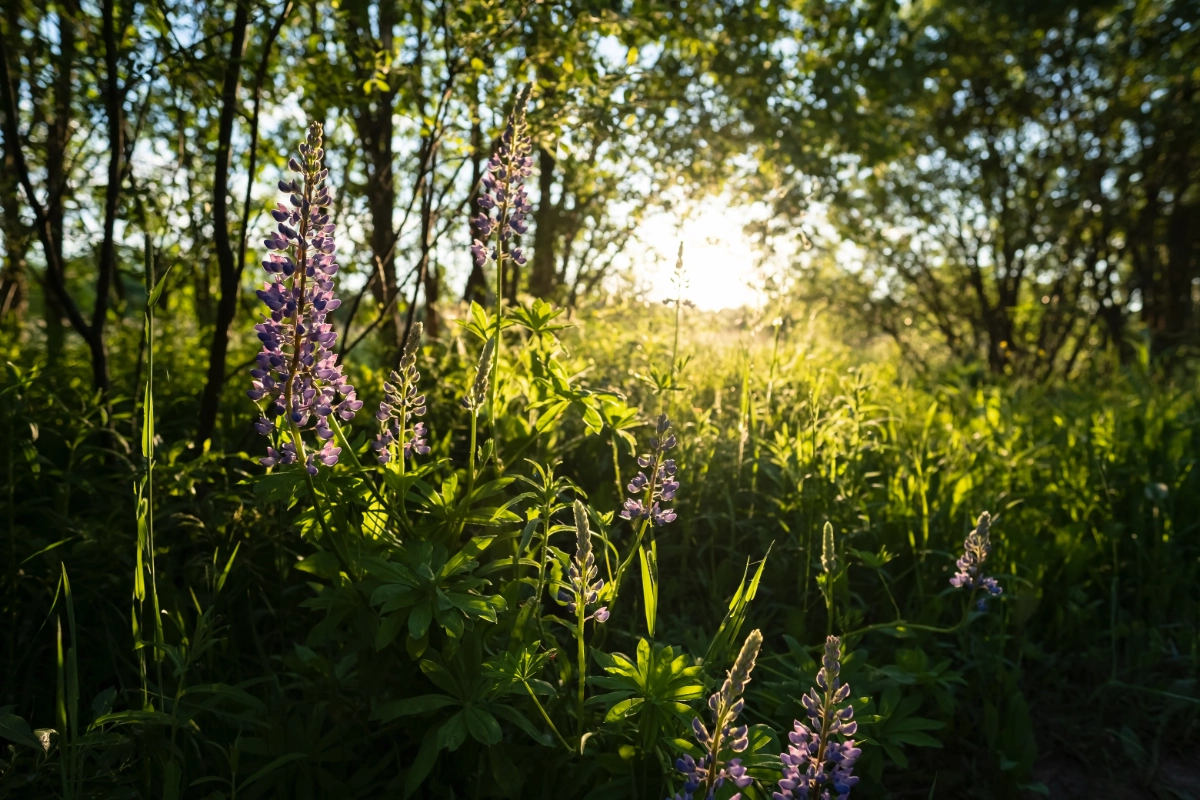
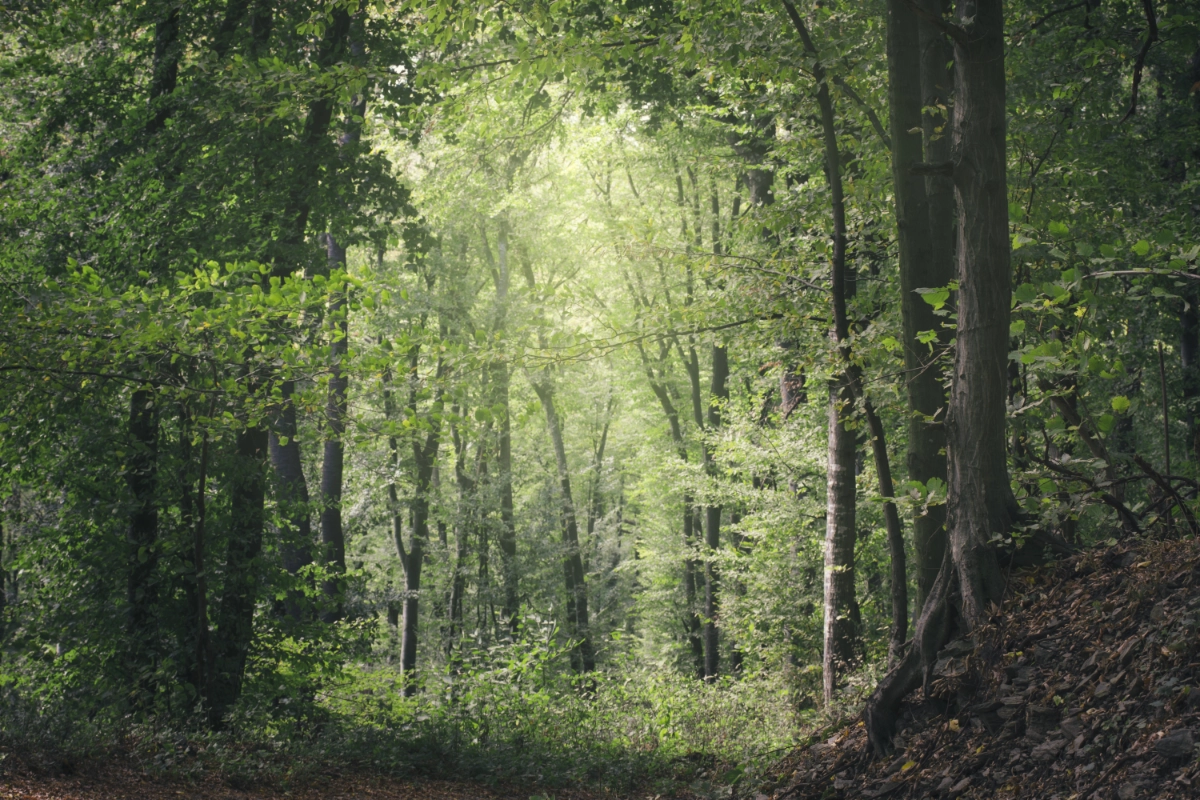
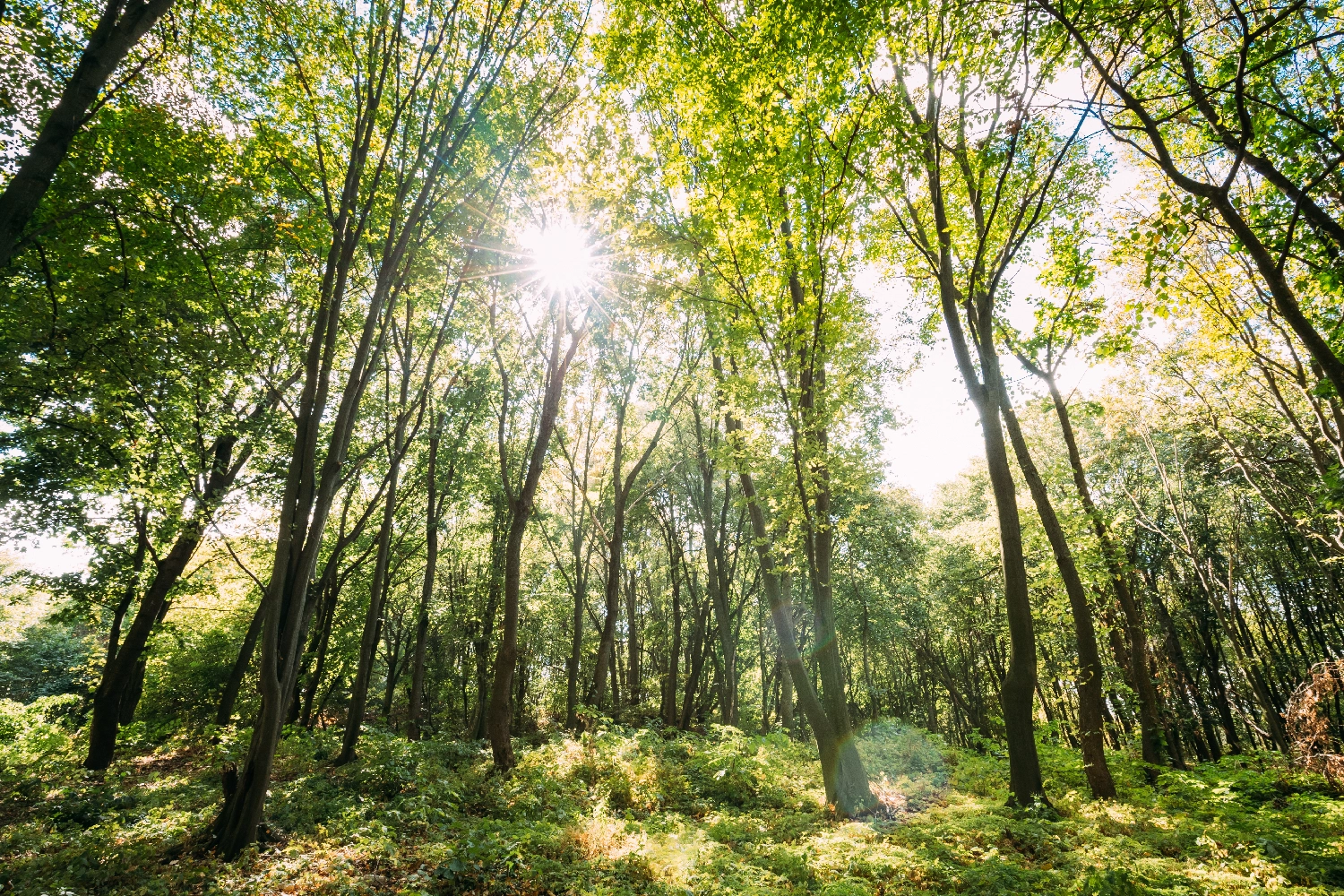
Natural (or “green” or woodland) burial grounds are gravesites managed as living habitats, and they are reviving nature even in death. A natural burial site is defined as one that “creates habitat for wildlife or preserves existing habitats” – for example woodlands, species-rich meadows or orchards – “which are rich in flora and fauna”.
In practice this means foregoing concrete, toxic embalming fluids and mown lawns, and instead planting native trees and wildflowers, allowing the soil to absorb the body’s nutrients. As a result, each grave becomes part of a thriving ecosystem. Natural burial areas actively help “protect natural habitats, encourage biodiversity and benefit local communities".
Indeed, early advocates have shown how over time these living cemeteries draw in birds, insects, mammals and plants – in Ken West’s words, these sites can “attract wildlife, encourage plants and trees, and boost biodiversity”. With over 250 natural burial grounds now operating across Britain, these peaceful green spaces are quietly transforming our relationship with nature – even in our last resting places.
What Is a Natural Burial Ground?
A natural burial ground looks very different from a traditional cemetery. There are no rows of polished headstones or mowed lawns. Instead each grave is unmarked or may be marked by a simple wooden plaque or native tree planting, and graves are dug into the earth xxxxxxxxx.
Biodegradable coffins or shrouds (willow, wool, bamboo, etc.) are used, and embalming is prohibited, so nothing toxic enters the soil. The site is actively managed to encourage wildlife: for example many sites mow only once a year instead of the dozens of cuts on a normal lawn, and they plant wildflowers and native shrubs.
In short, a natural burial ground is “a sustainable choice that helps protect natural habitats, encourages biodiversity”. UK authorities even advise that environmental features of such sites “should be carried out sensitively so as to maximise the biodiversity”. In this way, the land used for burials becomes not just a space for mourning, but a living, evolving landscape.
Most natural burial grounds are found in attractive countryside or woodland. The first UK natural burial was opened in 1993 at Carlisle, on a former municipal cemetery site. From these beginnings, hundreds more have been created – today well over 250 across the UK – many run by conservationists, farmers or community trusts.
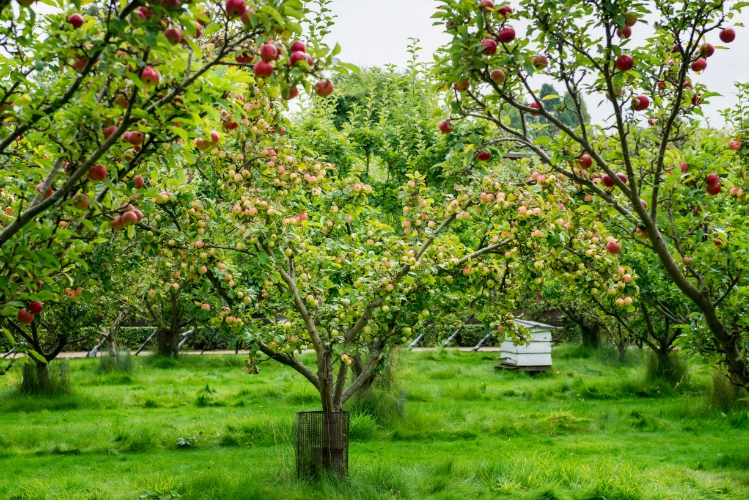
Some are entirely wild meadows or new woodlands; others may include orchards or restored hedgerows. For example, the Westmill Woodland Burial Ground in Oxfordshire has meadows and a roundhouse amid planted wildflower glades, and regularly sees bee orchids and poppies in bloom across its gravesites. Indeed, many sites are effectively part nature reserve. The Sun Rising burial ground in Warwickshire even describes itself as a natural burial ground and nature reserve, and holds public nature-survey days to document the flora and fauna on site.
Ecological Principles of Natural Burial
Planting native trees on graves turns burial plots into woodland. British natural burial grounds guidance notes say that all environmental features on a burial site “should be managed sensitively to maximise biodiversity”
The ecological magic of natural burial lies in simple, earth-friendly practices. With no concrete vaults or embalming fluid, the coffin and body return to the soil like any fallen leaf or log, enriching it. Burial is done at minimal depth to keep the process aerobic, and grave sites are mulched and planted rather than paved over. Each grave often becomes a nursery for a young tree or wildflower planting.
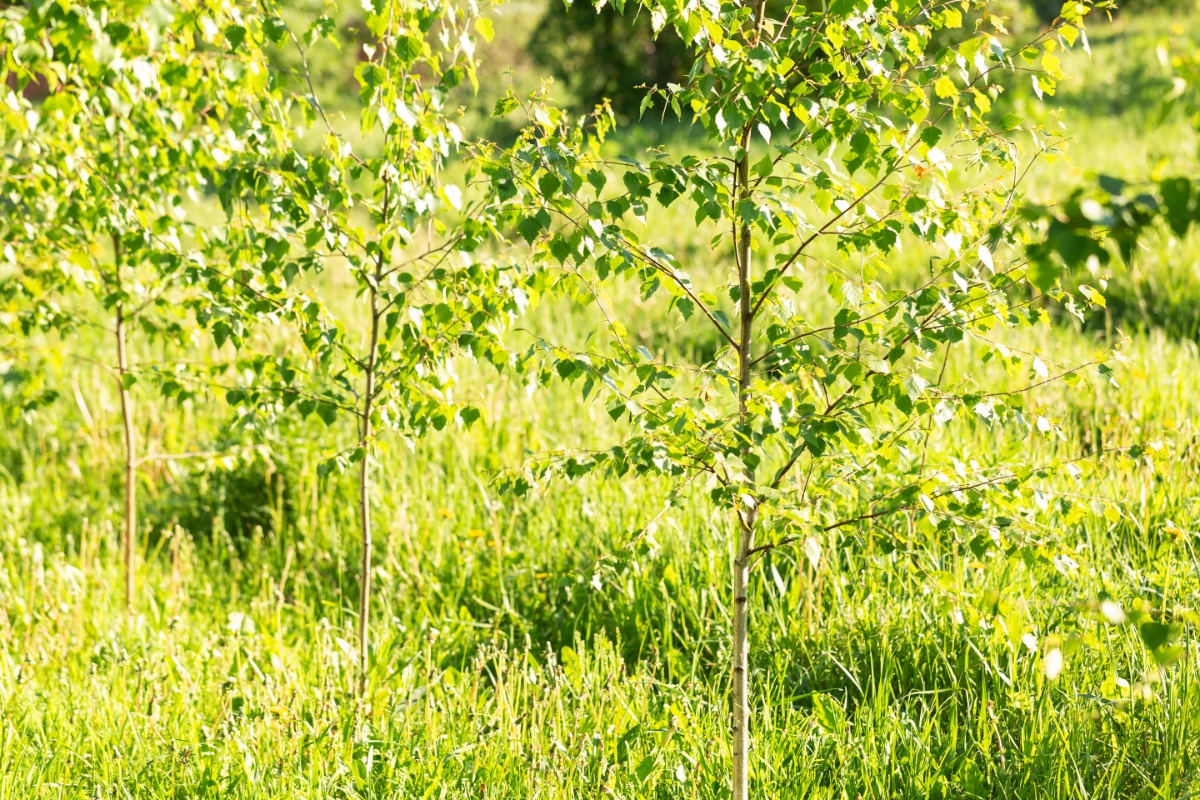
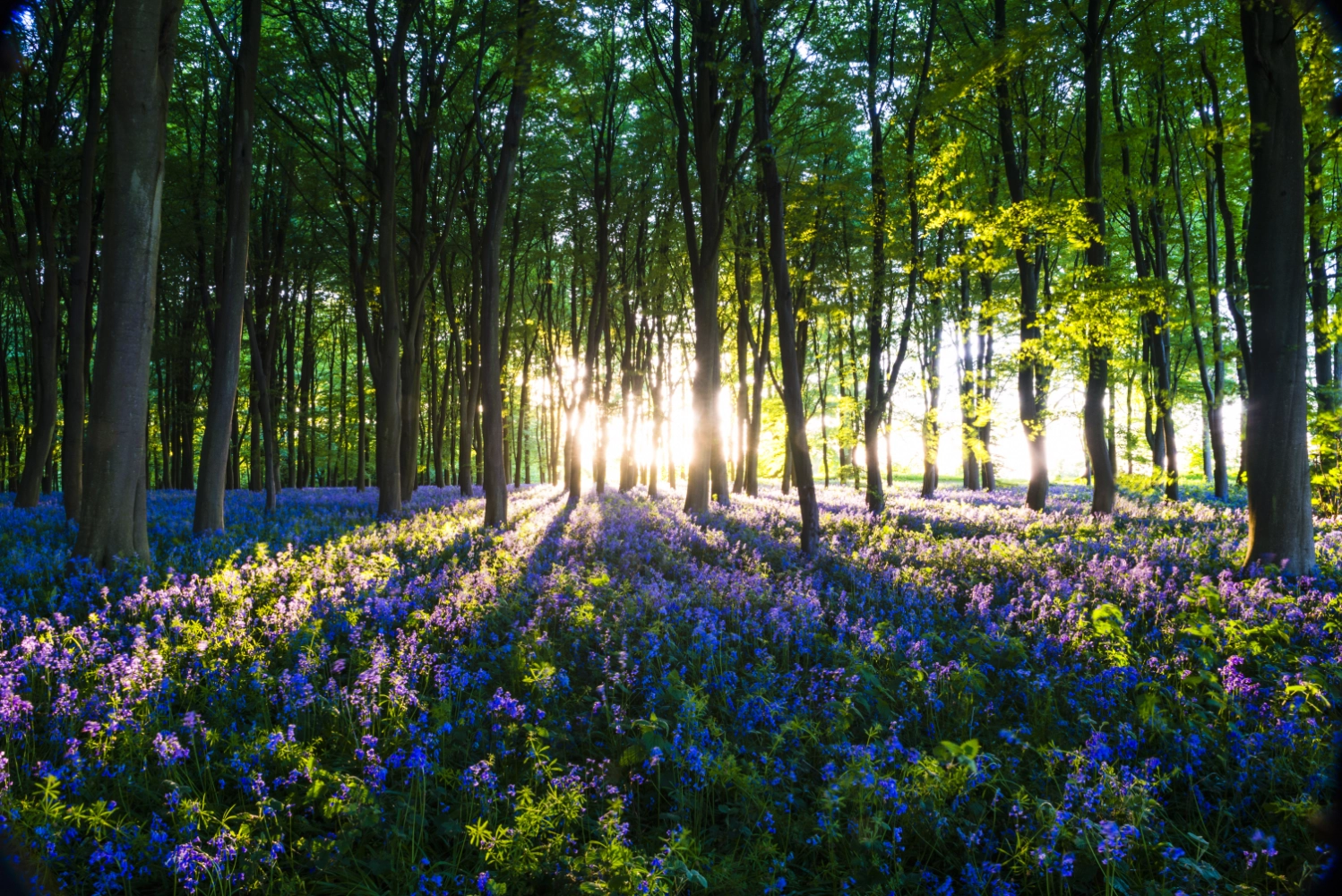
In Carlisle’s pioneering site, for example, each new grave had an oak whip planted beside it and bluebell bulbs scattered on top. Over time those saplings grew into a woodland grove. Such tree plantings do more than mark graves: they sequester carbon as they grow, stabilize the soil, and create vertical habitat for birds and insects. In Ken West’s words, carbon in the body and coffin is “locked up and will be absorbed by the tree or vegetation”, locking carbon into the ecosystem for decades.
Crucially, natural burial grounds avoid intensive maintenance. In a traditional cemetery, each grave may be mown up to 30 times a year. By contrast, Ken West reports that in a conservation-minded burial area at Carlisle maintenance was “limited to one cut late in the season”. This single annual mow dramatically increases habitat. Long grasses and wildflowers are allowed to bloom each spring, supporting pollinators and invertebrates. Fallen leaves, dead wood and uncut tussocks are left in place, creating homes for beetles, spiders, amphibians and fungi. Water features (ponds or wetland fringes) may be incorporated as well, boosting biodiversity still further. In short, natural burial grounds function as intentionally managed green space: “a truly living legacy” for wildlife. UK guidance encapsulates this by recommending that all features be managed “so as to maximise the biodiversity of the site”
Creating Habitat: Flora and Fauna at Peace
Natural burial sites typically contain a mosaic of habitats – wildflower meadows, young woodland, hedgerows, scrub, and even orchards. This diversity attracts many species. A recent review of natural cemeteries notes that, unlike space-confined traditional cemeteries, rural green-burial areas can include “wildflower meadows, woodland groves, mature woodlands, [and] orchards”, with minimal restrictions on planting. In other words, a natural burial ground often looks like the surrounding countryside – or better.
Site managers emphasize planting native, local species to make the habitat as natural as possible. For example, one UK woodland burial operator explains that when adding trees or meadow mixes they ensure “they are native to the UK so that they can support… a habitat that is as natural as possible”, meaning local birds, insects and mammals have the right food and shelter. This native planting strategy really pays off. In practice, even small plantings can draw in wildlife. At Tithe Green Natural Burial (East Midlands), staff report that planting a few trees or seed mix quickly attracts “a wide diversity of creatures, from birds, badgers and rodents to butterflies, bees and other pollinators”. Likewise, wildflower meadows in Britain are buzzing with bees, hoverflies and moths, providing food for bats and songbirds.
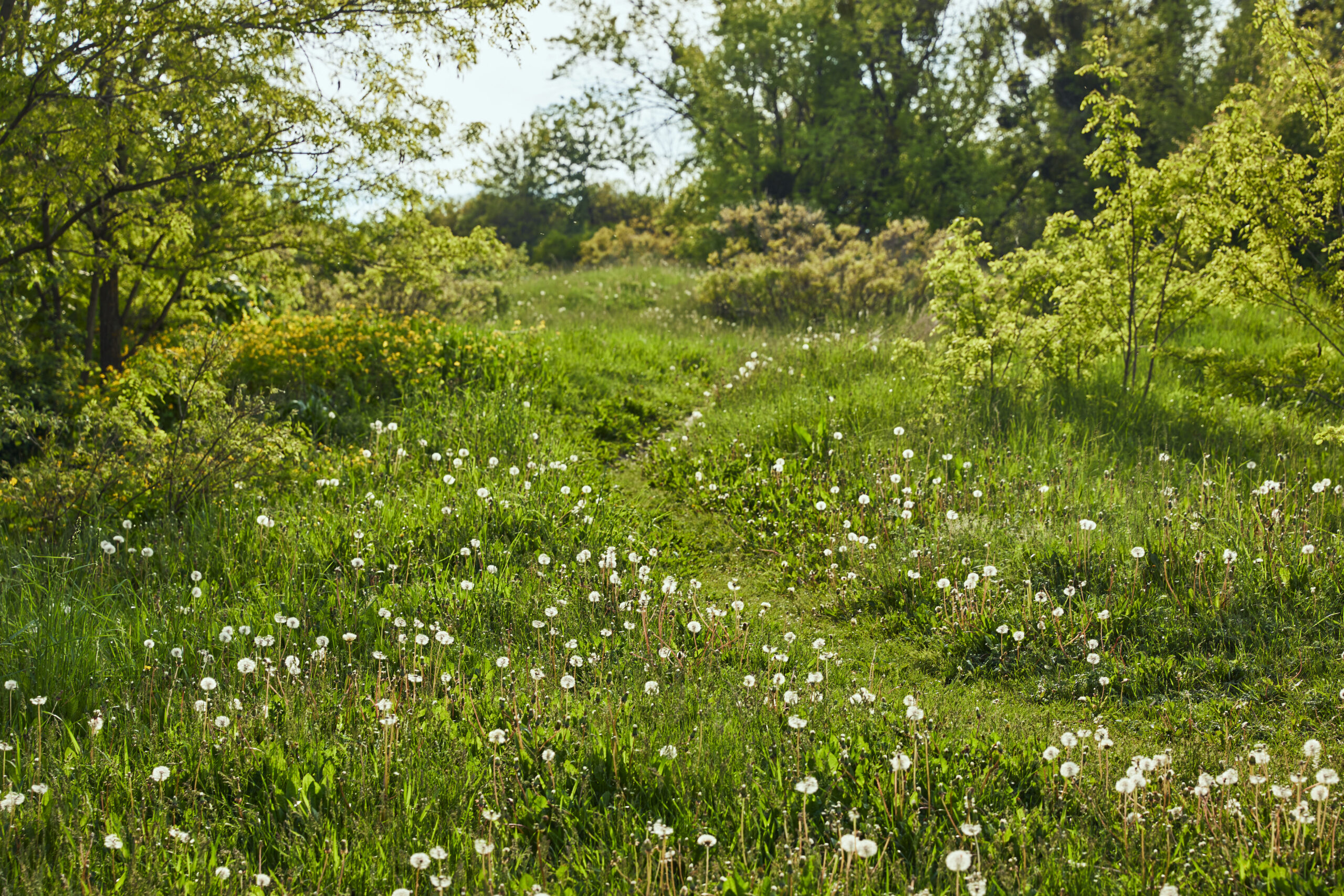
Plant diversity in these meadows can be spectacular. Many common and uncommon wildflowers flourish: species like clovers, cow parsley, knapweeds, lady’s bedstraw, marjoram, and orchids (e.g. bee orchids and pyramidal orchids) often appear. Some Burial Grounds maintain lists of plants on-site. At Westmill, for instance, photographs on the official site show bee orchids, poppies, forget-me-nots, campions and even cowslips gracing the grass. (In fact, many wild orchids reappear once mowing ceases: Ken West recalls Carlisle Cemetery’s old Victorian section becoming carpeted with wild orchids when left undisturbed.) These flowers, in turn, feed insects. Butterflies like common blue and marbled white breed in such meadows, and bumblebees and solitary bees nest in the undisturbed ground. Bats hunt the night skies over the flowers, and frogs or newts may breed in ponds on site.
Birdlife also flourishes. Any woodland patch hosts tits, robins, blackbirds and warblers; open glades attract skylarks and wheatears; and the extra insect life draws swallows, swifts or house martins overhead. In some cemeteries, even herons and kingfishers may visit ponds. Mammals too are drawn in: foxes and badgers forage in the long grass, hedgehogs raid the insects, and voles and shrews tunnel underground. According to Ken West, many formerly lifeless plots have seen wildlife return: “deer, hedgehogs, hares, voles, owls and many other… creatures have returned to natural burial sites”. In one case he notes that barn owls came back to hunt above restored wildflower turf. The site essentially becomes a sanctuary.
Wildlife in Life’s Last Resting Places
Cemeteries and churchyards in the UK have long been recognized as unexpected strongholds of wildlife. Even traditional cemeteries — if managed sympathetically — can be rich in biodiversity. For instance, a Bath & North East Somerset Council audit found that their local cemeteries “often [are] relatively undisturbed and can shelter locally rare species”, thanks to their mature trees, old gravestones and wilder corners. The Council reported that Lansdown and Haycombe Cemeteries even contain remnants of limestone grassland, a habitat now rare in farmland. They concluded that cemeteries’ trees, shrubs and grasses “provide habitats for small mammals, birds and insects”. In other words, even ordinary graveyards act as green oases in urban areas – a fact that underscores the value of letting nature back in.
Natural burial grounds take this a step further. By design, they double as conservation spaces. Where a conventional cemetery might have an expanse of mown lawn or non-native ornamentals, a natural burial area plants wildflowers and natives. This change is profound: in the Carlisle example mentioned above, re-grassing and tree-planting converted scrubby ground into a small wood, greatly boosting plant and animal diversity. Studies note that adding trees and meadowland to a lawn cemetery can “expand the capacity for ecosystem service delivery”, meaning more habitat, pollination, soil health and carbon storage.
Indeed, in a hybrid cemetery experiment at Carlisle, families planting oak saplings on graves “directly enhanced biodiversity”. Even without such planting, simply reducing maintenance has big effects: the Ecologist’s Ken West points out that allowing grasses and flowers to seed makes a one-mown site look like a nature reserve compared to a manicured one. He notes that, instead of 30 yearly cuts, just one wildflower cut “dramatically reduces costs and increases life”. The lesson is clear: low-intervention burial areas support far more life.
The difference between natural and traditional burial becomes most stark when you visit the sites. A suburban lawn cemetery is neat but often sterile – a place for quiet contemplation, yes, but not buzzing with life. In contrast, a natural burial ground feels almost like a country park. The air hums with bees. Butterflies flit among daisies and knapweed. Birds chatter in young oaks. Rabbits or hares bound through the grass. It’s a comforting thought that the grave of a loved one can itself be part of a thriving meadow or wood, rather than a slab of lawn. Many bereaved families appreciate this: they say they love returning to the site not just in memory but to enjoy nature. As Tithe Green notes, visitors often come “just to enjoy spending time in such beautiful places”, and the knowledge that their burial gift aids nature brings solace.
Natural vs Conventional: A Biodiversity Comparison
While both types of burial grounds can support nature, natural burial grounds generally host more diverse wildlife. A key difference is in management. Traditional cemeteries typically feature headstones, gravel paths, paving and lawn turf – elements that limit habitat variety. Moreover, conventional practice often involves chemicals for landscaping and highly frequent mowing, which favours only hardy grass species. By contrast, natural burial areas strictly prohibit embalming and plastics, require biodegradable coffins, and do away with concrete “grave vaults.” They encourage features like wildflower meadows and ponds. This means that everything buried is quickly returned to the soil without poisoning it, and the living landscape is allowed to grow untamed for most of the year.
The impact of this difference is evident. Research has shown that reducing mowing and pesticides boosts flowering plant diversity, which in turn boosts insects and birds. Natural burial sites can be, in effect, mini nature reserves embedded in local landscapes. One comparative study notes that transforming lawn graves into wild areas with tree or meadow plantings creates “a richer habitat and more spatially complex landscape” than a traditional cemetery. For example, replacing part of a cemetery with woodland or wildflower plots provides niches for organisms that grass alone cannot support. And of course, by locking carbon into trees and living soil rather than releasing it via cremation, natural burials also offer a climate benefit (though the main focus here is on biodiversity).
That said, it’s worth acknowledging that many local authorities are now making cemeteries more wildlife-friendly too, because as the Bath Council report notes, even conventional grounds are “open spaces accessible to local people” and their biodiversity value is increasingly recognized. Some council cemeteries are setting aside sections as wildflower conservation areas, installing bat boxes or creating frog ponds. These hybrid approaches echo the principles of natural burial (though legal and historical constraints mean old graves are not exhumed). As one academic review says, “cemeteries now seen as more than places to bury and remember”, pointing out that ancient burial grounds and churchyards often contain orchids, lichens and veteran trees worth protecting. Ultimately, both kinds of sites can play a role in supporting wildlife — but a purpose-built natural burial ground is optimised from day one for nature.
Case Studies and UK Examples
Real-world examples in the UK illustrate these benefits. Westmill Woodland Burial Ground (Oxfordshire) is a 14-acre site run by a conservation charity, with orchards, wildflower glades and a community orchard. It frequently appears on nature watchlists for its orchids, wild garlic and veteran trees. Sun Rising (Warwickshire) has planted hundreds of oak and ash on graves, gradually creating native woodland that now supports badgers and buzzards. Tithe Green Natural Burial operates three sites in the East Midlands; their managers recount how planting native wildflower seed mixes and trees quickly brought in butterflies, hedgehogs and owls. They even offer to plant a memorial tree, knowing it will feed wildlife for years.
Often, third-sector organizations help monitor these sites. For instance, Natural Burial Grounds operators sometimes collaborate with Wildlife Trusts or university ecology departments to survey wildlife. (One Cheshire burial park worked with Cheshire Wildlife Trust to develop its planting plan based on a detailed species survey.) Charities like Caring for God’s Acre also champion conservation in burial grounds nationwide, providing guidance on maintaining wild corners and grave trees. Such efforts underscore how natural burial sites are intertwined with local conservation networks.
Even conventional cases hint at potential. A recent Parliamentary review noted how Bath’s Haycombe and Lansdown cemeteries contain remnant wildflower turf – “survival of limestone grassland… threatened by development” – and urged managers to balance safety with wildlife needs. Similarly, surveyors for Natural England and local councils sometimes find rare wildflowers (e.g. pyramidal orchids, yellow star-of-Bethlehem) in old churchyards that are left long-unmown. These findings show the untapped value of burial spaces for native species – a value that natural burial grounds aim to maximize.
In terms of data and research, while systematic biodiversity surveys of UK natural burial grounds are still emerging, the studies we do have are telling. One review of the green burial movement notes clear benefits: for example, planting native woodland on cemetery edge plots “directly enhanced biodiversity” and would improve microclimate and connectivity. Another UK study of urban cemeteries found that integrating natural burial zones could boost ecosystem services like pollination and flood control without compromising the burial function. These academic findings align with the anecdotal evidence from ground-level: no one has done a count of every hedgehog in burial grounds, but the numerous reports of returning wildlife speak volumes.
A Living Legacy
Natural burial grounds exemplify how even our final acts can nurture nature. By converting places of mourning into flourishing habitats, they turn death into life. The ecological principles are straightforward – minimal soil disturbance, natural materials, and native plantings – but the outcomes are profound. Wildflowers bloom where graves lie; birds forage among trees planted on graves; decades of carbon are captured in burial oaks. For the general public, these green cemeteries offer the comfort of “going back to nature.” For conservationists, they offer new havens for UK wildlife at a time when good habitat can be scarce.
As one expert put it, a burial that “creates habitat for wildlife” is like “gifting the body to future generations,” providing sustenance to life long after its own life has ended. In this way, natural burial grounds stand as a hopeful example of rewilding on a personal scale. They remind us that death need not be barren – it can be the quiet return of one organism into the living cycle, enriching woodlands and meadows where people can continue to remember loved ones amid nature’s renewal.
Research
The contribution of natural burials to soil ecosystem services: This review examines how natural burials influence soil health, biodiversity, and wider ecosystem services. It brings together existing scientific knowledge and identifies gaps where more research is still needed.
Explore Natural Burial Grounds Across the UK
Search our Directory ➜ Natural Burial Grounds Near Me
Find peaceful, eco-friendly burial grounds near you.
Frequently Asked Questions
Biodiversity
Wildlife
Soil
Wildflower Meadows
Burial Ground Biodiversity
Trees and Wildflowers
Existing Wildlife
Nature Reserve
Maintenance
Carbon Storage