What really happens to a body when it’s laid to rest in nature? Body Decomposition. It’s a question many people hold quietly in the back of their minds—part curiosity, part concern, and often surrounded by mystery or discomfort. Yet the truth is far more reassuring than most imagine. When we strip away the embalming fluids, heavy coffins, concrete vaults, and manicured lawns of modern funerals, what remains is an ancient, elegant process: the body returning to the earth in the same way every fallen leaf, wild creature, or decaying tree eventually does.
Natural burial invites us to look at death through a different lens—one that views the body not as something to preserve at all costs, but as part of a living, breathing ecosystem. Rather than halting decay, natural burial allows it to unfold in a clean, efficient, and environmentally restorative way. Soil life, oxygen, microbes, and moisture work together in a quiet underground collaboration to transform a body into fertile earth. It’s not gruesome or chaotic; it’s simply biology doing what it has done since life first evolved on the planet.
For many people, understanding this science can be surprisingly comforting. Decomposition isn’t a failure of the body—it’s its final act of generosity. In a natural burial, everything we are is returned to the soil, nourishing new life and contributing to the health of woodlands, meadows, and wildlife. It’s a gentle cycle, hidden from view yet profoundly meaningful. And when we explore what actually happens beneath the surface, we find not something to fear, but something beautifully aligned with nature’s rhythms.
What Is Decomposition?
Body Decomposition is the natural process of a body breaking down into simpler components. In essence, our physical remains are recycled by microorganisms and the environment. Right after death, cells in the body begin to self-digest (since blood flow and oxygen cease), and bacteria – especially those in our gut – start proliferating and consuming tissues.
Within a few days, this microbial activity spreads, gradually turning soft tissues into liquids and gases. Fungi and other microbes from the soil also join in, helping to break down proteins and fats. Far from being “dead,” a decomposing body becomes the centre of a complex ecosystem teeming with life as decay progresses.
In other words, all the tiny organisms that live on and in us take over the job of recycling our body. This is a completely natural, if remarkable, process that happens to all plant and animal material – from fallen leaves returning to soil, to your body being gently reclaimed by the earth. Over time (weeks and months), most of the soft tissues will liquefy or evaporate, leaving only bones and tougher materials, which themselves will break down over years.
The end result is that the body’s elements are returned to the earth in a natural, hygienic way. In a natural burial, this process is not artificially slowed or hidden – instead, it’s allowed to happen as nature intended, in its own time.
Why Natural Burials Use Shallow Graves
One key difference in a natural (or “green”) burial is grave depth. You may have heard the old phrase “six feet under,” but natural burials are typically much shallower – often around 3 to 4 feet deep (about 1 meter). This shallower grave depth is quite intentional, and it has to do with oxygen and living things in the soil.
The upper layer of soil (within about 3-4 feet of the surface) is rich in oxygen, microbes, and insect activity, which together create ideal conditions for decomposition. Burying a body in this active layer means the beneficial bacteria that break down organic matter can thrive. Greater oxygen flow “feeds” these bacteria, leading to more rapid and efficient decomposition of the body.
In addition, a shallower grave is reachable by various burrowing insects and invertebrates – for example, carrion beetles that tunnel into the soil can help consume and break down the remains at 3-4 feet depth. All of this means a naturally buried body is recycled faster and more completely than one buried deeper.
By contrast, a conventional deep grave (often 5-6 feet or more to the bottom) has much less oxygen and biological activity. In such anaerobic (oxygen-poor) conditions, decomposition slows down and can stagnate – sometimes causing the body to decay very slowly or even mummify or form waxy substances, rather than turning into rich soil.
In fact, the practice of burying at “six feet” was never an absolute rule – in the UK, current law simply requires that at least 2 to 3 feet of soil cover the coffin (for safety and hygiene), and some burial authorities permit as little as 2 feet in certain soils.
Natural burials work within these guidelines, ensuring there is enough earth on top to prevent disturbance, but not so much that the body is sealed away from the living soil. The old “six foot under” idea mostly persists for plots intended to hold multiple coffins stacked, or due to outdated concerns.
In a single-depth natural grave, around 3-4 feet deep is perfectly adequate – it keeps the burial safe and discreet, while maximising contact with the active, oxygenated soil layer.
Nature’s Recyclers: Microbes, Insects, and Soil Life
Once a body is buried in this conducive environment, nature’s recyclers get to work. The main engines of decomposition are microbes – bacteria and fungi that digest organic matter. Many of the necessary bacteria are already present in our own body and immediately begin breaking down tissues.
Soil microbes soon join and multiply as they find new nutrients. They produce enzymes that further liquefy and consume the body’s tissues. This microbial action generates heat and gases (much like a compost pile “cooking,” though on a smaller scale), which in turn can attract other organisms.
In a natural burial, the coffin (if used at all) is biodegradable and not airtight, so insects and other invertebrates will gradually find their way in. Depending on the season and soil conditions, various insects play roles in the decay ecosystem.
For instance, flies are often the first to arrive on any remains – they can detect the subtle odours of decomposition and may lay eggs on the body (though if the body is buried quickly and covered well with soil, fly activity is limited compared to an exposed body). If fly larvae (maggots) do appear, they are very effective consumers of soft tissue.
Other insects like beetles typically arrive later to feed on tougher tissues and on the other insects themselves. One family of beetles aptly called carrion beetles will burrow into soil to reach buried carrion and help skeletonise it. There are also mites, ants, and worms involved at different stages – a whole community of little creatures that ensure every part of the body is broken down. It might sound a bit disconcerting, but all of this happens gradually and unseen underground.
Each creature is doing a job: flies and beetles break down and carry off tissues, earthworms aerate and mix the nutrient-rich material into the surrounding soil, and microbes carry out the chemistry of decomposition.
Ecologists actually describe a naturally decomposing body as creating a “cadaver decomposition island” in the soil – meaning the area immediately around the body becomes a hotspot of nutrients and microbial life. As the soft tissues liquefy and seep, the soil absorbs a rich broth of organic compounds.
If the grave is in a woodland or meadow, plant roots in the vicinity will soon take up some of those nutrients. Nothing goes to waste: what was once a human body gets transformed into forms that bacteria, insects, and plants can re-use.
It’s a profound natural recycling process. Over a span of months to a couple of years (depending on conditions like temperature, moisture, etc.), most of the body will have been consumed and incorporated into the soil food web. All that may remain for much longer are the bones, since they break down more slowly; even bones, however, will be gradually worn away by soil acidity and the activity of fungi and bacteria that can dissolve bone mineral. Eventually, every last molecule becomes part of the earth again.
Nourishing the Soil and Surrounding Ecosystem
One beautiful outcome of natural burial is that your body can nourish new life after death. As described above, decomposition releases a cache of nutrients into the soil – compounds rich in nitrogen, phosphorus, potassium, calcium, and other elements that plants need to grow.
In fact, as a body decays it tends to create a concentrated area of very fertile, organic-rich soil. Soil scientists and forensic researchers note that the patch of earth where a body decomposes often becomes greener or denser with plant growth later on, due to this infusion of nutrients (after an initial period where high nutrient levels can temporarily inhibit plants, wild vegetation usually springs back vigorously). In the context of a natural burial ground, this means that the presence of your body benefits the local environment rather than burdening it.
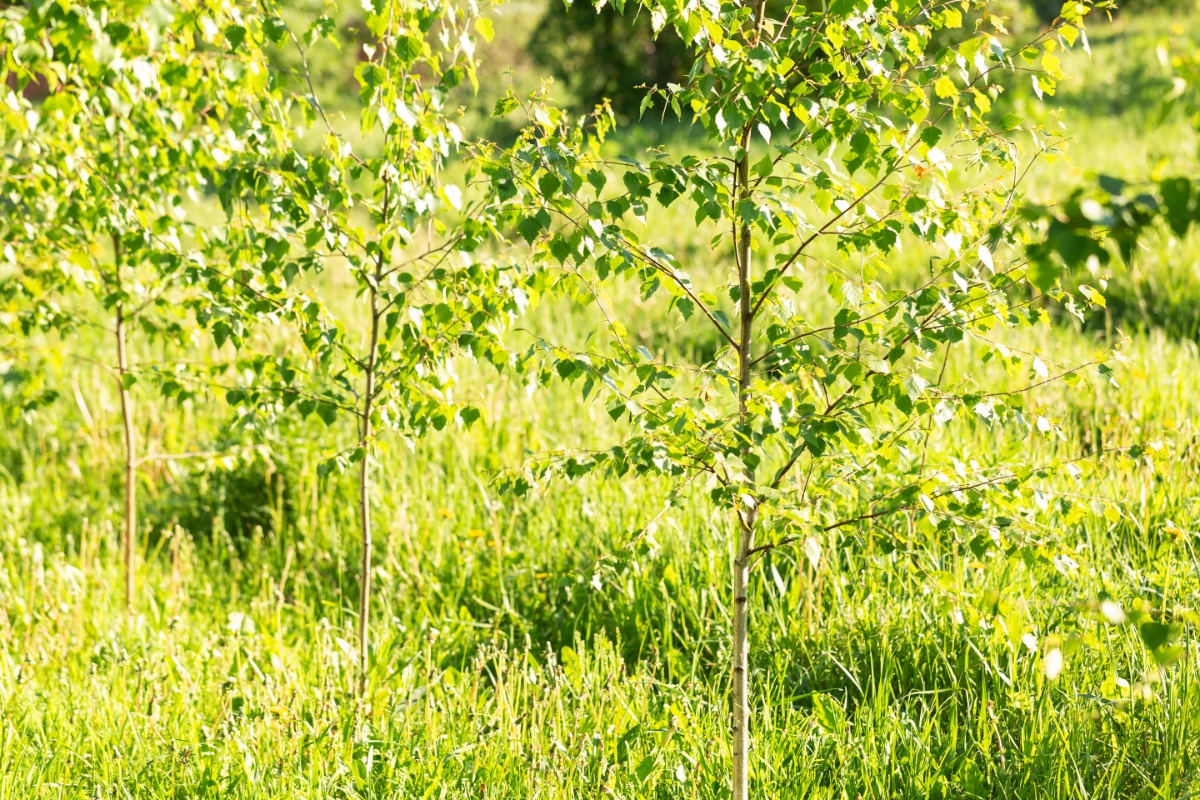
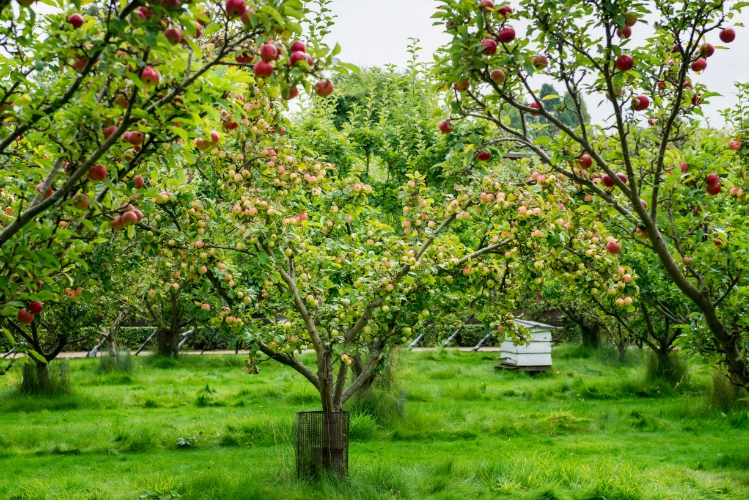
Typically, natural burial sites are designed to encourage flora and fauna. Many natural burial grounds are in woodlands or wildflower meadows, and often a memorial tree or native shrub is planted for each grave. As the body breaks down below, it effectively acts as slow-release fertiliser for that memorial tree or the surrounding wildflowers.
One scientific review put it nicely: a shallower, oxygenated grave leads to “rapid, uninhibited, aerobic decomposition, resulting in decay that creates the basis for fertile soil”. In plain terms, your body enriches the earth. Over time, the nutrients from your body are taken up by the roots of grasses, flowers, and trees. Those plants may in turn feed insects like bees and butterflies, or provide food and habitat for birds and other wildlife. Many people find comfort in this idea – that in death, we give back to nature and literally help new life grow.
From a soil health perspective, natural burials increase the organic content and microbial diversity of the soil. Unlike a traditional cemetery (which often has bodies sealed away in coffins and vaults, preventing interaction with soil), a natural burial ground is a living landscape.
The soil there is active and alive. There is evidence that properly managed natural burial plots do not accumulate dangerous levels of any substance – on the contrary, nutrient cycling ensures that what the body releases is taken up and used in the ecosystem. It’s a sustainable cycle: what we’ve borrowed from the earth (in life, through the food we ate and the water we drank) we give back at death, continuing the circle of life.
Natural Burial vs. Traditional Burial and Cremation
Natural burial is often discussed as an alternative to traditional burial or cremation, and it does have some notable differences in process and environmental impact:
-
No Embalming or Toxic Chemicals: In a conventional modern burial, the body may be embalmed – pumped with preservatives (like formaldehyde) to slow decomposition. Embalming isn’t required by law in the UK (it’s usually optional) and is typically skipped for natural burials.
Skipping embalming is important because those chemicals are toxic and persist in the environment. In fact, natural burial grounds do not allow embalmed bodies, since the chemicals could damage soil life and leach into groundwater. Instead, the body is prepared in simple, natural ways (washed and dressed in biodegradable garments or a shroud). This is both eco-friendly and gentler on those who handle the body. By avoiding embalming, we ensure nothing harmful goes into the ground, and the body can return to nature more quickly. -
Biodegradable Coffins or Shrouds: Traditional coffins are often made of hardwood, metal, or lacquered wood and may be lined with synthetic fabrics. They might even be placed inside a concrete or plastic vault in the grave. All these measures slow or prevent decay – they essentially isolate the body from the soil.
In natural burial, by contrast, any coffin or container used is fully biodegradable (think untreated wood, wicker, bamboo, cardboard, or even simple cotton shrouds). There’s also no burial vault or liner. The goal is to allow the body to be in contact with the earth so that microbes and water can freely interact. A simple pine casket or a burial shroud will break down along with the body, whereas a hard wood or concrete vault might remain intact for centuries. By using only natural, breakable materials, green burial makes sure nothing is left that would pollute or obstruct the earth’s processes. -
Faster, Natural Decay: Because of the above points (no embalming, shallow depth, biodegradable coffin), a naturally buried body typically decomposes far faster than one in a traditional grave.
Traditional practices often “preserve” the body artificially, but as one funeral professional quipped, that’s really just a “desperate attempt to stave off the inevitable.” Eventually, even embalmed bodies will decay, but it might take many years or decades longer, and when they do, the chemicals and heavy coffin materials become contaminants in the soil.
Green burial avoids creating this troublesome legacy. Everything that goes into the grave is chosen to integrate with the environment smoothly. Studies have also shown that embalming fluids and coffin materials can contaminate soil and groundwater (for example, formaldehyde and metals can leach out) more than the natural body itself. So by not introducing those, natural burial keeps the environment cleaner. -
Resource and Carbon Footprint: A conventional burial and funeral can use a lot of resources – hardwood timber for coffins, metal for handles, plastic in the lining plus the emissions from transporting these heavy materials. All of this comes at an environmental cost.
Cremation, on the other hand, involves burning fuel (usually natural gas) at very high temperatures, releasing carbon dioxide and other emissions. In the UK, where around three-quarters of people are cremated, cremation contributes to air pollution (including mercury from dental fillings) and doesn’t give anything back to the land.
Natural burial has a significantly lower carbon footprint. There’s no energy-intensive process like cremation, and no resource-intensive coffin or vault. Aside from the digger (or shovels) used to create the grave, very little fossil fuel is burned.
Green burial is “greener” not only compared to cremation (which has a high carbon footprint) but even compared to traditional burial. Everything in a natural burial is aimed at minimal environmental impact – no imported exotic woods, no concrete, no metals, no chemical fluids, no plastics and typically local burial sites that double as conservation areas. -
What about the ashes? It’s worth noting that cremation’s final product – cremated ashes – is not the same as fertile soil. People sometimes assume ashes can help plants grow, but in reality cremated remains do not fertilise the earth. They are mostly dry calcium phosphates with some minerals, and they are extremely alkaline (high pH).
If a large quantity of ash is placed in soil or around a plant, it can actually hinder plant growth and soil microbes. (There are now services that mix ashes with compost and adjust pH to make them plant-friendly, but plain ash by itself is quite inert and even disruptive to living soil.) So, unlike a naturally decomposing body, ashes don’t return much nutrition to the ecosystem.
They also represent all the carbon and organic matter of the body that was burned off into the atmosphere as CO₂. With a natural burial, all that carbon is sequestered in the soil in organic form rather than emitted, and it will eventually be taken up into new life forms. In short, burial allows your body to become soil; cremation turns your body mostly into gas. For those seeking an eco-friendly legacy, the choice is clear.
Addressing Common Concerns on Body Decomposition
Choosing a natural burial can bring up some questions and worries. It’s a different approach than many of us are used to, and it’s normal to wonder about practical and ethical issues. Let’s address a few common concerns in a gentle, factual way:
-
Will it smell or attract animals? This is a very common worry – the idea of a shallow grave might conjure images of bad odours or wild animals digging up the body. In practice, natural burials are designed to prevent these issues. Graves have at least 2-3 feet of soil covering the body, which is more than enough to filter out odours and keep scavengers from catching any scent.
There have been no known cases of animals disturbing a properly buried body in a natural burial ground. The soil acts as a natural barrier. Any decomposition odours are largely contained underground (and consumed by soil microbes). By the time anything makes its way to the surface, it’s in the form of well-composted, earthy soil.
Additionally, reputable natural burial sites often have fencing or natural barriers to keep out larger animals, and they monitor the grounds. So, you can put aside fears of scavenging animals – it simply doesn’t happen when a body is buried with sufficient depth of earth. Visitors to the site won’t notice any smell or any visual sign of what’s going on beneath the ground. -
Is it safe for the environment? Yes – in fact natural burial is arguably safer for the environment than conventional burial. The human body itself is not toxic; it’s made of organic material that naturally breaks down.
Studies on cemeteries have found that harmful effects on soil or water mostly come from things like embalming chemicals, coffin varnishes, or non-degradable coffin linings, rather than from the body.
In a natural burial, those potential pollutants are absent.
What about pathogens from the body? Diseases generally do not survive long after the host’s death, and the microbes that do the decomposing are not the same as disease-causing germs. In fact, the microbes active in decay (putrefaction) are mostly harmless to living beings – they’re nature’s cleanup crew.
Research has shown that groundwater near burial sites is not significantly affected by decomposition in the long term: any minor microbial traces are filtered and neutralised by the soil within a short distance. UK regulations ensure that graves are not dug in areas with a high water table or too close to watercourses – for example, a grave should not have any standing water at the bottom when dug, and typically a minimum distance from wells or streams is maintained.
All this means the environment is well-protected. A properly managed natural burial ground works with ecology, not against it. The land remains healthy, and in many cases healthier because of the enriching effect of natural burials. Conservation groups often oversee such sites to make sure plant life, soil quality, and water quality are all in good shape. So, done responsibly, a natural burial poses no threat to public health or the environment – on the contrary, it can be part of land restoration and conservation efforts. -
Is it legal and will the body be handled with dignity? Natural burial is fully legal in the UK and has been growing in popularity since the 1990s. The first dedicated natural burial ground opened in 1993 (in Carlisle), and now there are over 270 natural burial sites across the UK – so it’s not a fringe idea but an increasingly common choice.
British law does not require embalming (except in rare cases of international transport) and does not even require a coffin – a body just needs to be “decently covered” for burial, which can be accomplished with a simple shroud. Using a shroud or biodegradable coffin and forgoing embalming are well within the rules.
Natural burial grounds are regulated and managed either by local authorities, private companies, or non-profits, and many are members of the Association of Natural Burial Grounds (ANBG). Members of ANBG follow a strict Code of Conduct to ensure high standards of safety, maintenance, and ethical practice.
This includes careful mapping of each grave (so there’s no risk of it being lost or accidentally disturbed), abiding by all environmental guidelines, and treating each burial with respect.
Funerals at natural sites can be just as reverent and personal as those in traditional cemeteries – often even more so. Families and friends are welcome to participate in the burial if they wish (for example, some help lower the shrouded body into the grave, or scatter petals, etc.), and ceremonies can be highly personal, heartfelt, and spiritual in whatever way is meaningful to the family.
Far from being undignified, many people feel natural burial enhances the dignity of the farewell, by eliminating flashy coffins and formaldehyde and focusing on the natural return of the body to the earth. It’s a very intentional, respectful process. The body is handled with care (usually by funeral directors or trained staff who are experienced in natural burial or if doing your own DIY Funeral) and is laid to rest in a peaceful setting.
Legally, as long as you have the landowner’s permission and follow guidelines, natural burial is allowed – even on private land like a family farm (though most people use official natural burial grounds for ease of maintenance and permanence). So yes, it’s both legal and carried out with deep respect. The goal is always to honour the person and their values, while also honouring the environment.
A Gentle Transformation and a Lasting Legacy
In summary, the science of body decomposition in a natural burial is nothing to fear – it is essentially nature doing what it has always done, converting our physical selves back into the building blocks of new life. By choosing a natural burial, one opts to cooperate with nature’s processes instead of resisting them.
The shallow grave ensures that the body can break down cleanly and efficiently, with the help of air, soil, microbes, and insects. The outcome is not a gruesome scene but a gradual merging with the earth, invisible to observers and respectful of the dead.
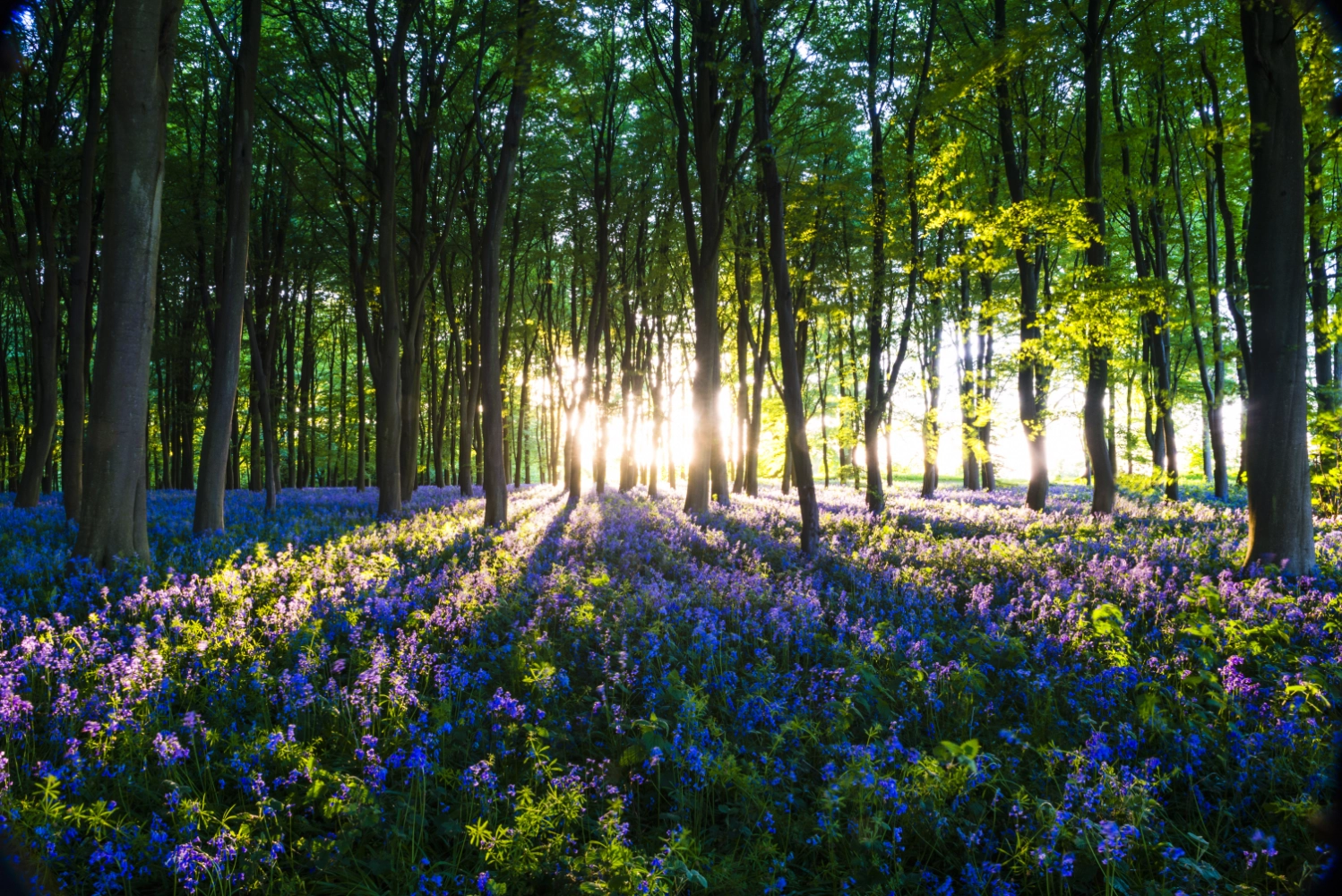
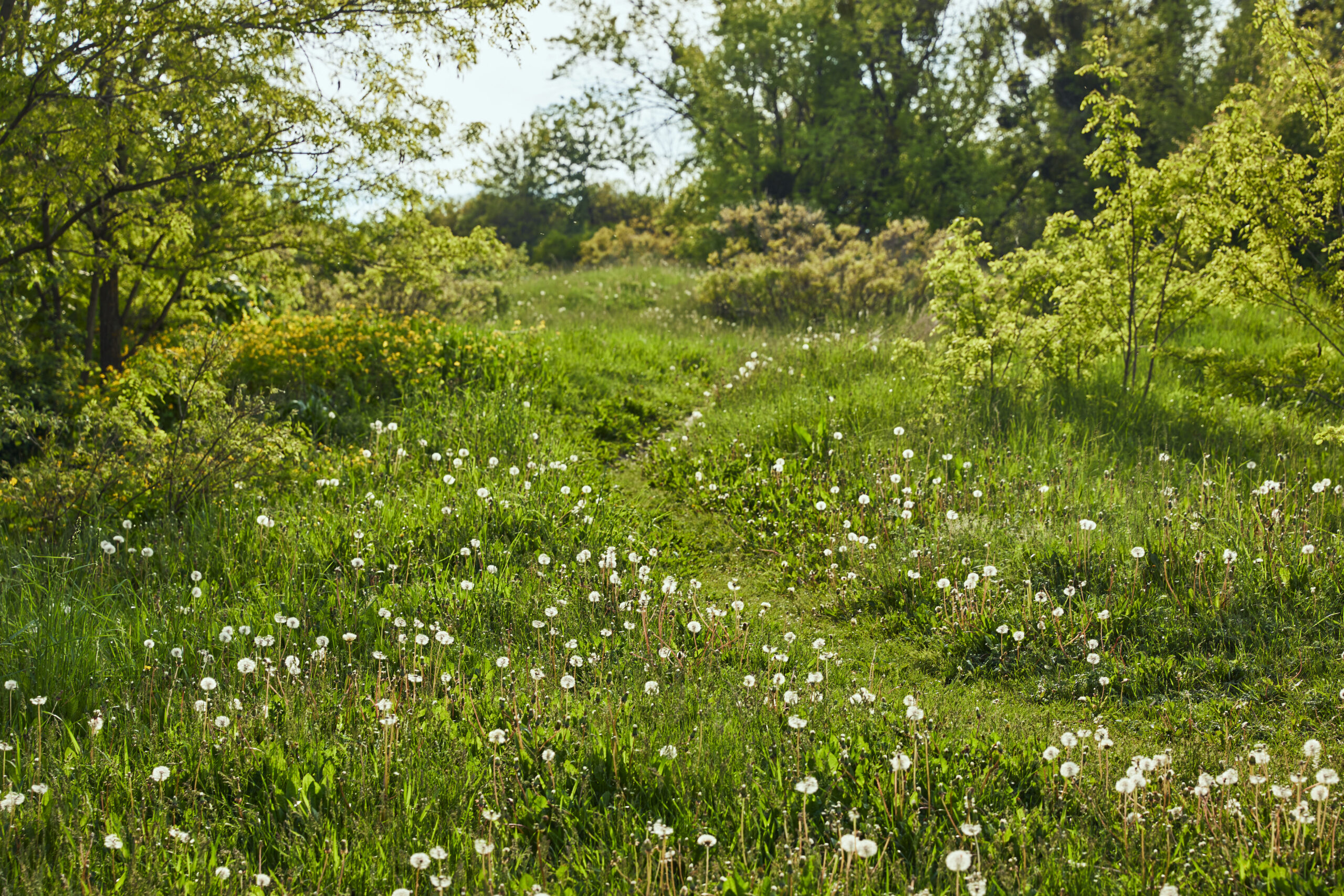
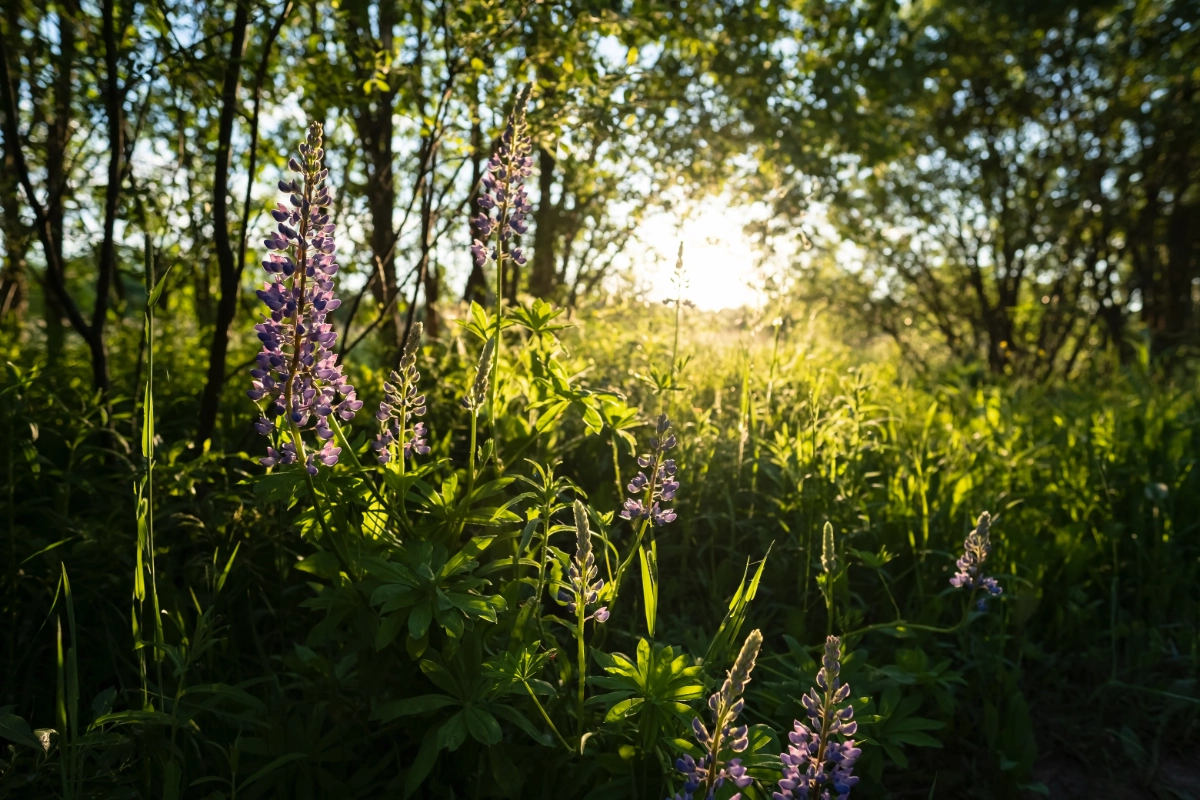
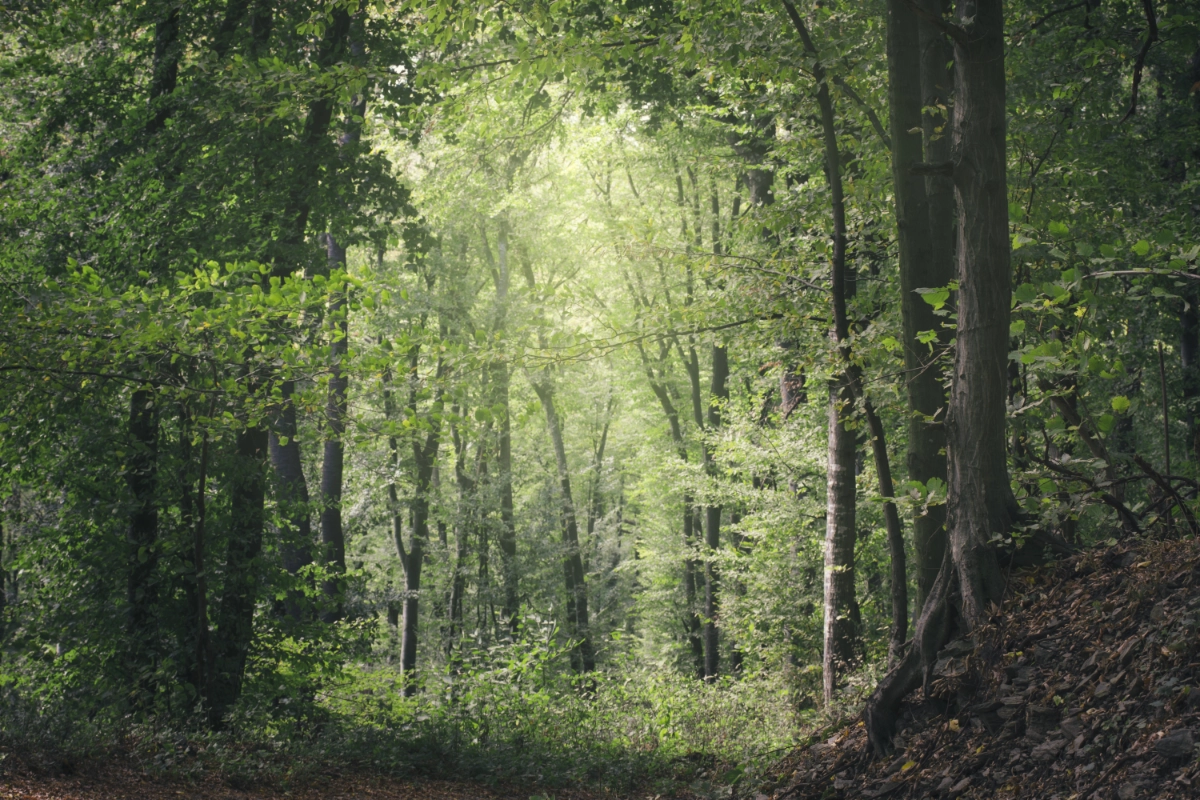
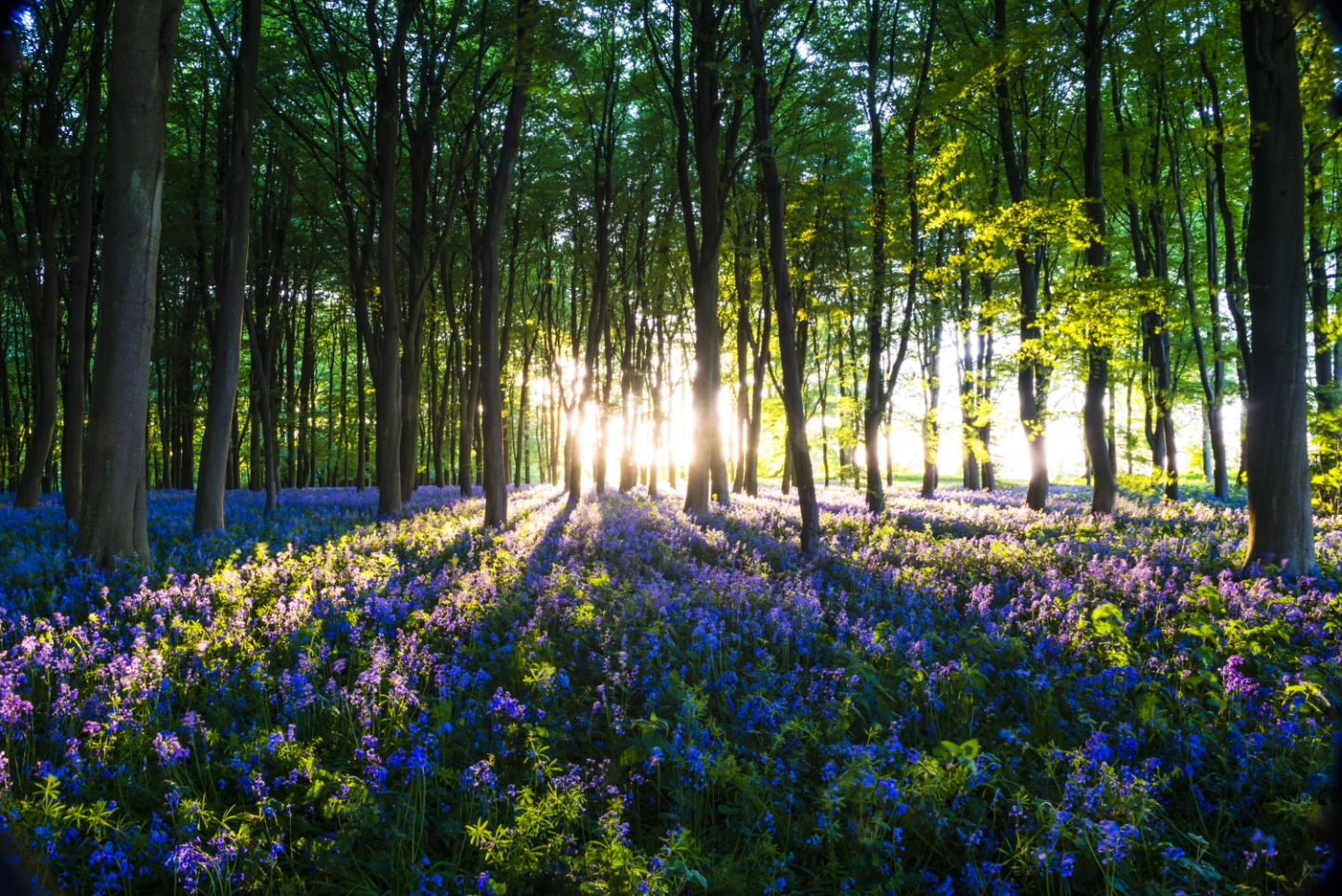
Many who visit established natural burial grounds describe them as tranquil, green sanctuaries – more like nature reserves or gardens than graveyards. You won’t see rows of headstones and manicured plots; instead you might find trees planted in memory, wildflowers swaying in the breeze, birds and butterflies moving about. These places are full of life. They offer a comforting reminder that life and death are part of one continuum.
Family and friends often find solace in knowing that their loved one’s resting place is literally brimming with living things and contributing to the beauty of the landscape. Natural burial sites tend to be beautiful places to visit – families might come back to walk, picnic, and feel a sense of connection in the very place where their loved one became part of nature again. Instead of a marble monument, the monument might be a flowering tree or a patch of native blooms.
If you’re curious about exploring natural burial further, there are many resources and professionals who can guide you. The Natural Death Centre (a UK charity) maintains a directory of natural burial sites across the country, and funeral directors experienced in green funerals can answer questions about the practicalities. Each site has its own character – some are in woodlands, some in meadows, some on hilltops with lovely views – but all share the ethos of sustainability and reverence for the life that continues on in nature.
Ultimately, the science of decomposition in natural burial reveals a heartening truth: our bodies don’t really “go to waste” at all – they literally go to the earth, where they create new life. It’s a gentle transformation that, for many, carries spiritual or philosophical meaning as well. By demystifying what happens underground (without getting overly graphic), we can appreciate that being “embraced by the earth” is not a frightening fate, but a natural, even beautiful process of renewal. A natural burial allows us to return to the cycle of life in a direct and tangible way – ashes to ashes, dust to dust, life to new life.
Explore Natural Burial Grounds Across the UK
Search our Directory ➜ Natural Burial Grounds Near Me
Find peaceful, eco-friendly burial grounds near you.