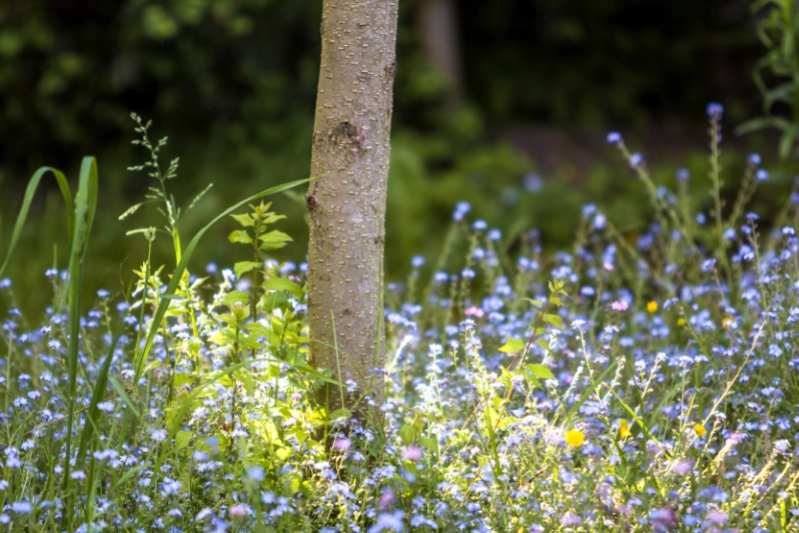
Cremation and Natural Burial: For those who choose cremation but still yearn for a green, meaningful resting place for their ashes, there are compassionate ways to blend cremation with natural burial practices. In the UK, where around three-quarters of funerals are cremations, many people are looking for eco-conscious options that honour both their loved one and the environment.
This article explores how you can combine cremation with natural burial – from interring ashes in memorial woodland sites to using eco-friendly urns and even considering emerging innovations like water cremation UK. The goal is a warm, eco-conscious farewell that returns one gently to nature.
Why Choose Cremation with a Green Resting Place?
Cremation is often chosen for personal, practical or spiritual reasons – it can be simpler, more affordable, and it frees families to hold memorials anywhere. Yet choosing cremation doesn’t mean giving up on environmental values. Many families find themselves asking how they can honour a loved one’s green ethos even after the cremation.
Some may wish to “go back to nature” and have a permanent place to visit, without the formality of a traditional grave. Others might opt for direct cremation (a no-fuss cremation with no ceremony) and later hold a natural memorial service, finding it offers “the best of both worlds” – a simple cremation followed by a gathering to lay the ashes to rest in nature.
In short, people choose this hybrid approach to ensure their final chapter reflects their care for the environment, creating a gentle legacy that loved ones can visit and take comfort in.
Cremation and Natural Burial: Ashes Interment in Natural Burial Grounds
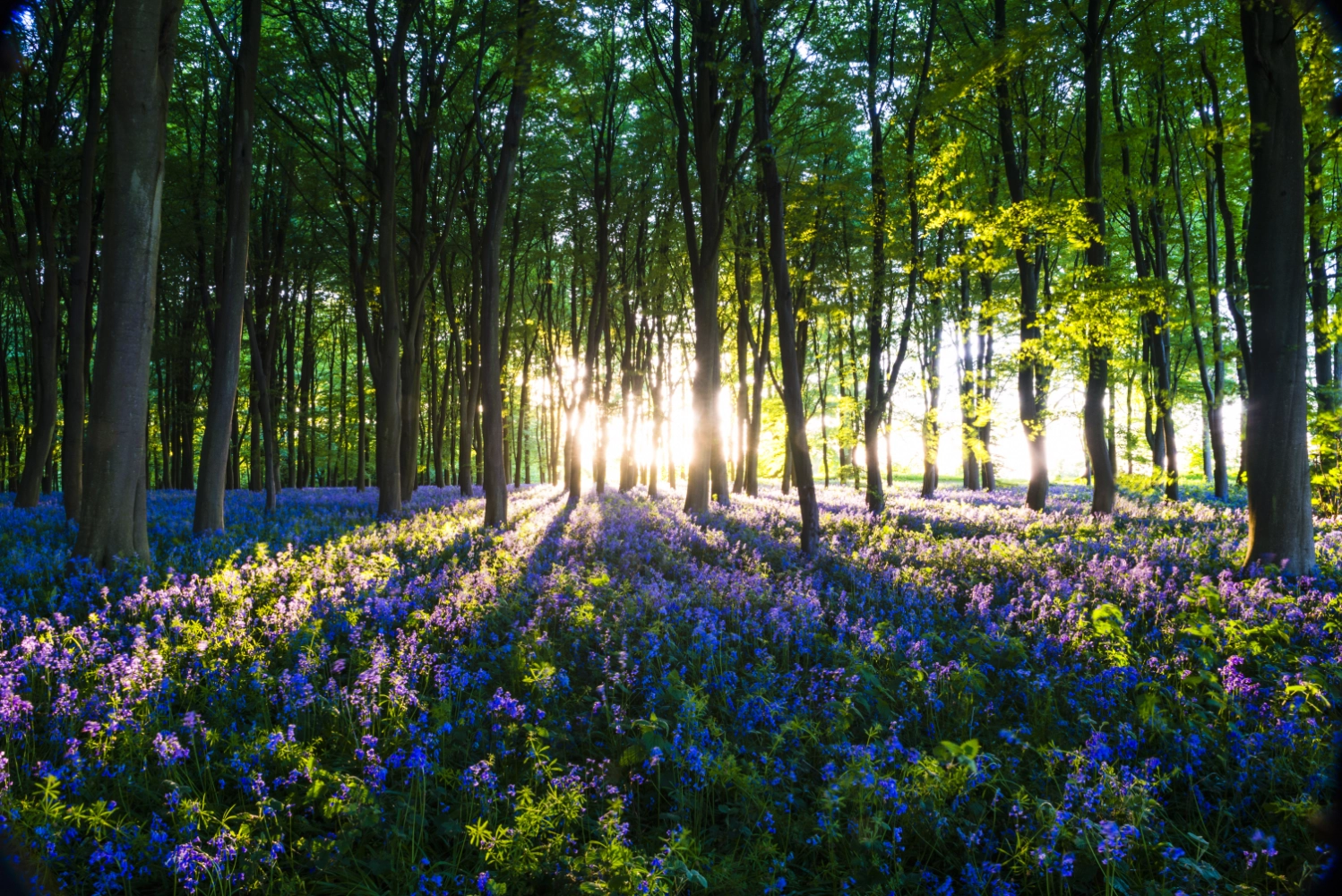
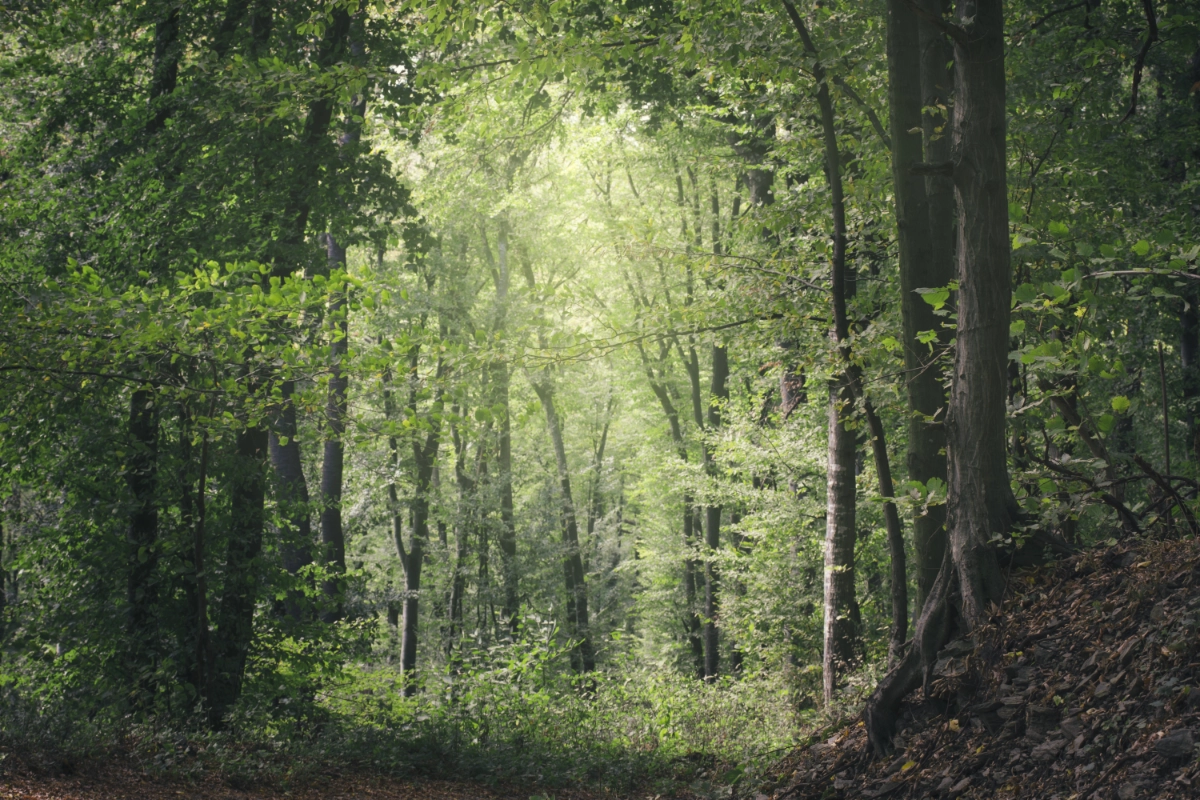
Many natural burial grounds welcome cremated remains, providing small ashes interment plots in beautiful woodlands or meadows. Unlike conventional cemeteries with rows of headstones, these sites are managed as natural habitats – often wildflower meadows or quiet forests – aiming to preserve and encourage local wildlife.
Typically, ashes are buried in biodegradable urns or poured directly into the soil at these green sites. The container and contents must be entirely natural so as not to harm the earth. In fact, most natural burial grounds require a biodegradable urn made from natural materials (such as untreated wood, woven wicker, paper or even salt) for any ashes burial. For example, Some naturial burial grounds don’t allow open scattering, they do offer dedicated ashes plots for burial and can advise on suitable eco-friendly urns.
Policies do vary by site. Some green burial grounds prefer burying ashes in the ground rather than scattering on the surface (to avoid any soil imbalance), whereas others have designated areas for scattering. No matter the method, these natural settings offer a serene, permanent spot for family and friends to visit – a far more tranquil environment than a shelf at home or a busy municipal cemetery. With over 250 natural burial sites in the UK today, it’s increasingly feasible to find a conservation-friendly place for your loved one’s ashes.
Eco-Friendly Biodegradable Urns
Choosing the right container for ashes is key to keeping things green. Fortunately, there are many eco-friendly urns designed for a gentle return to nature. Here are a few biodegradable options to consider:
-
Biodegradable Scatter Tubes: Sturdy cardboard or paper scattering tubes make it easy to scatter ashes in a dignified way. They contain no metal or plastic, and if buried, they will naturally decompose over time. These tubes come in various designs (from plain kraft paper to printed woodland scenes) and are made from recycled materials.
-
Natural Fiber or Wood Urns: Urns made of sustainable materials like bamboo, woven willow, coconut shell, or untreated wood provide a beautiful yet biodegradable vessel. Man woodland burial sites permit simple wooden or wicker urns, as long as they contain no toxic glues or finishes.
-
“Tree Urns” (Living Memorial Urns): These special urn kits allow you to combine ashes with soil and a seed or sapling to grow a memorial tree. A tree urn is fully biodegradable and often comes with a soil additive to help counteract the ashes’ chemistry, giving the young tree a healthy start. It’s a touching “life from death” concept – as one popular saying goes, “I want to become a tree when I die”. This option creates a living tribute, though you must use the provided soil mix (or other amendments) since cremated ashes alone are not plant-friendly (more on that below).
-
Salt, Sand or Paper Urns (Water-Soluble): For those planning a water ceremony or a burial in moist ground, urns made of compacted salt, sand and gelatine, or recycled paper are ideal. A Himalayan rock salt urn, for example, will gradually dissolve in water over a few hours, releasing ashes gently into a river or sea.
Paper-based water urns (often resembling shells or floating petals) will float briefly then sink and biodegrade. Even on land, these urns break down naturally once exposed to damp soil. They are perfect for a burial at sea or for placement in a lakeside or wetland area (always ensure you have permission and follow local guidelines for water or land scattering).
All of these urn types ensure that when the ashes are laid to rest, the container leaves no lasting trace – only nourishment (or at least no harm) for the earth. By using an eco-friendly urn, families can take part in ceremonies that feel meaningful and sustainable, whether that’s scattering the ashes on a hilltop or burying them in a beloved garden.
Scattering Ashes in Woodlands and Meadows
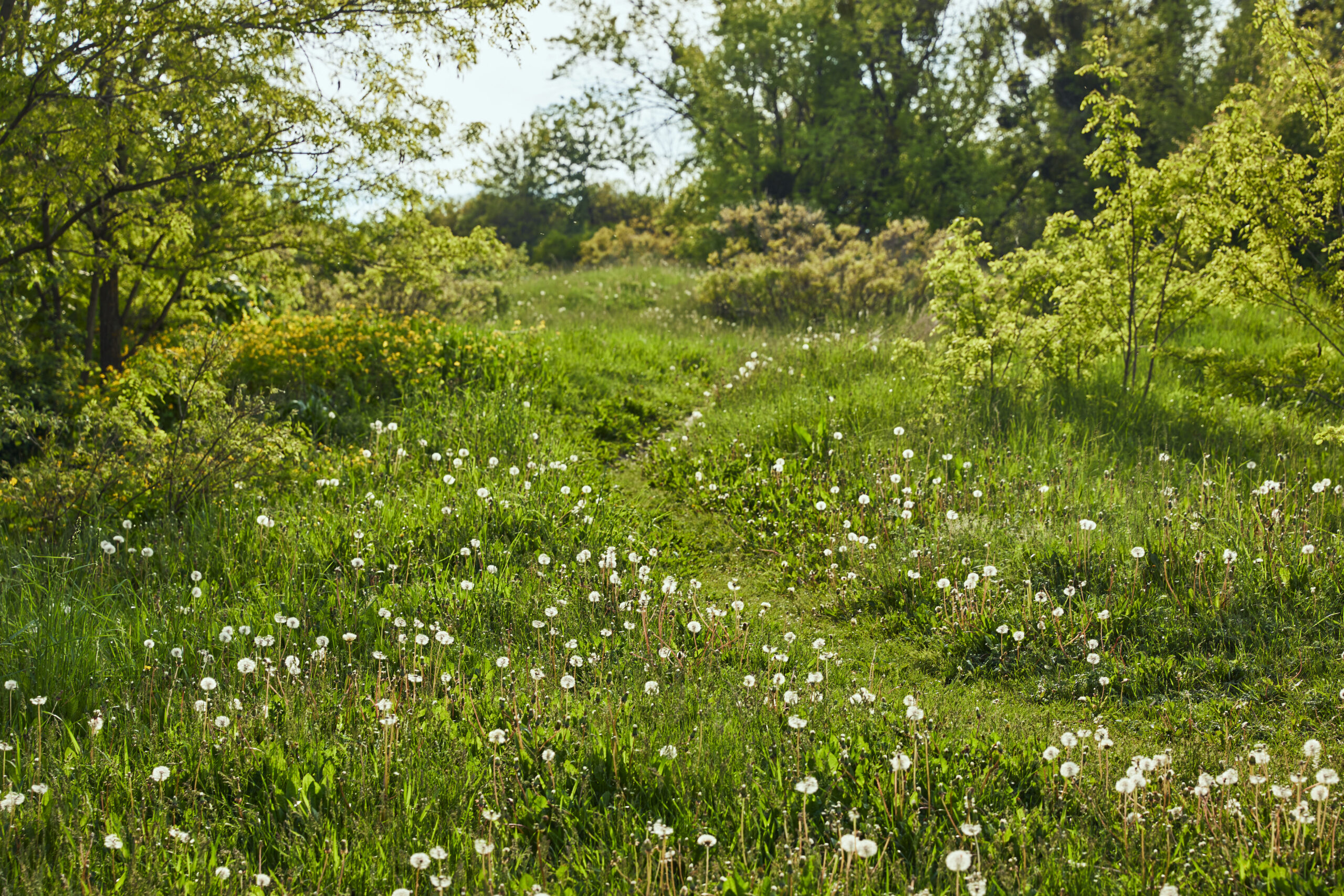
A memorial meadow: Some natural burial grounds, even have a designated wildflower meadow for scattering ashes, blending the remains gently into the ecosystem.
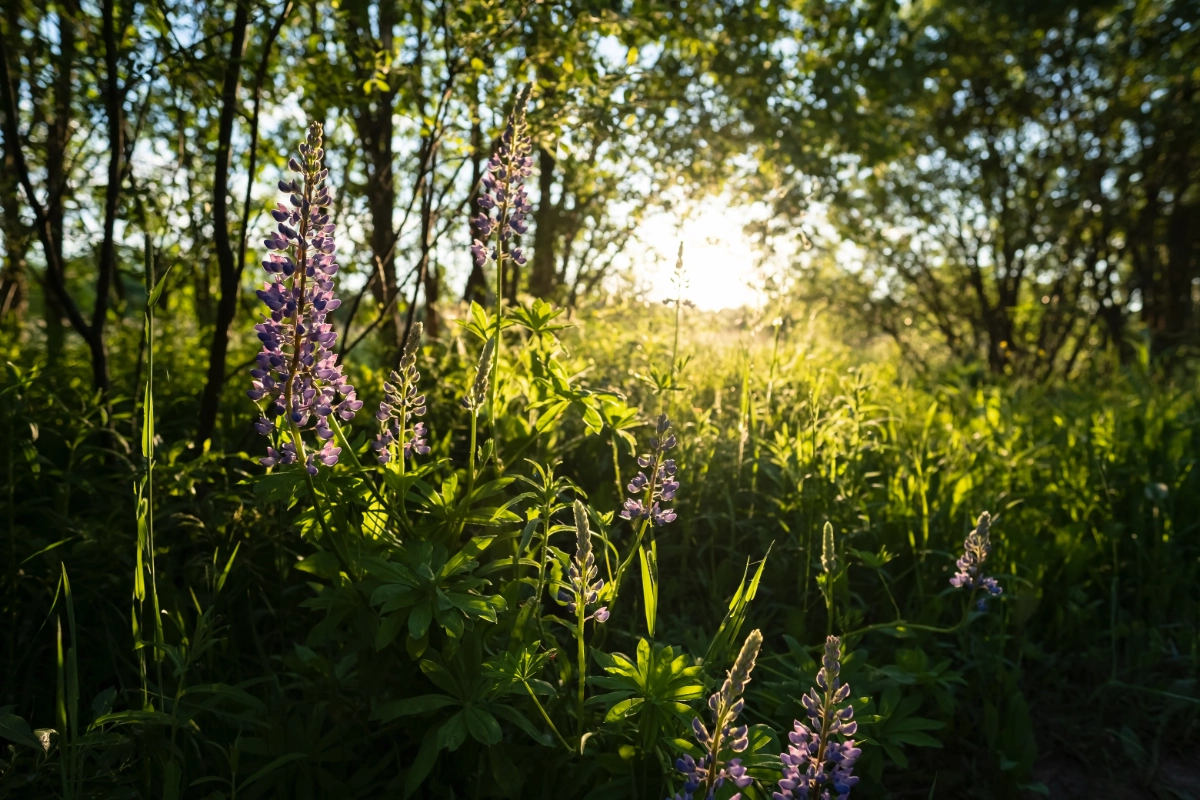
Many people envision scattering ashes under rustling trees or across a sunlit field as a final tribute. In the UK, you generally have freedom to scatter ashes on your own land or in public open spaces (with landowner permission), and memorial woodlands can offer the idyllic setting.
If you choose a dedicated natural burial site, check their policy: some allow scattering in specific areas (like a wildflower meadow or forest glade), while others prefer ashes to be buried to avoid disturbing the environment. Scattering in a wooded or meadow area can be very poignant – imagine returning to that spot and knowing your loved one’s remains have become part of the soil, rain, and growth there.
However, even in nature, ashes aren’t like harmless dust. Cremated remains are very alkaline and contain high levels of salts (from calcium and sodium) which can actually hinder plant growth if too concentrated. In fact, plants’ roots tend to avoid areas with a lot of ash because of this chemical imbalance. For this reason, when scattering ashes in one place – particularly around living plants or trees – it’s wise to do so sparingly and even mix the ashes with soil or leaf mould to dilute them.
Some natural burial grounds will assist by pre-mixing ashes with a special soil conditioner. For example, green cemeteries often use organic soil amendments that neutralise pH and dilute salt content so that the ashes can nurture surrounding flora. If you’re scattering on your own (say, in a woodland clearing), you might consider mixing the ashes with compost and waiting a while before spreading, to ensure you “do no harm” to the habitat. A little preparation can make a big difference – even something simple like scattering on a rainy day, or gently raking the ashes into the topsoil, helps them integrate more kindly with the earth.
In any case, always seek permission if required (for example, from a woodland trust or park authority), and be mindful of others who may visit the area. Done respectfully, scattering ashes in a woodland or meadow can be a cathartic and eco-friendly goodbye, returning one’s essence to the natural world they loved.
Living Memorials: Planting Trees with Ashes
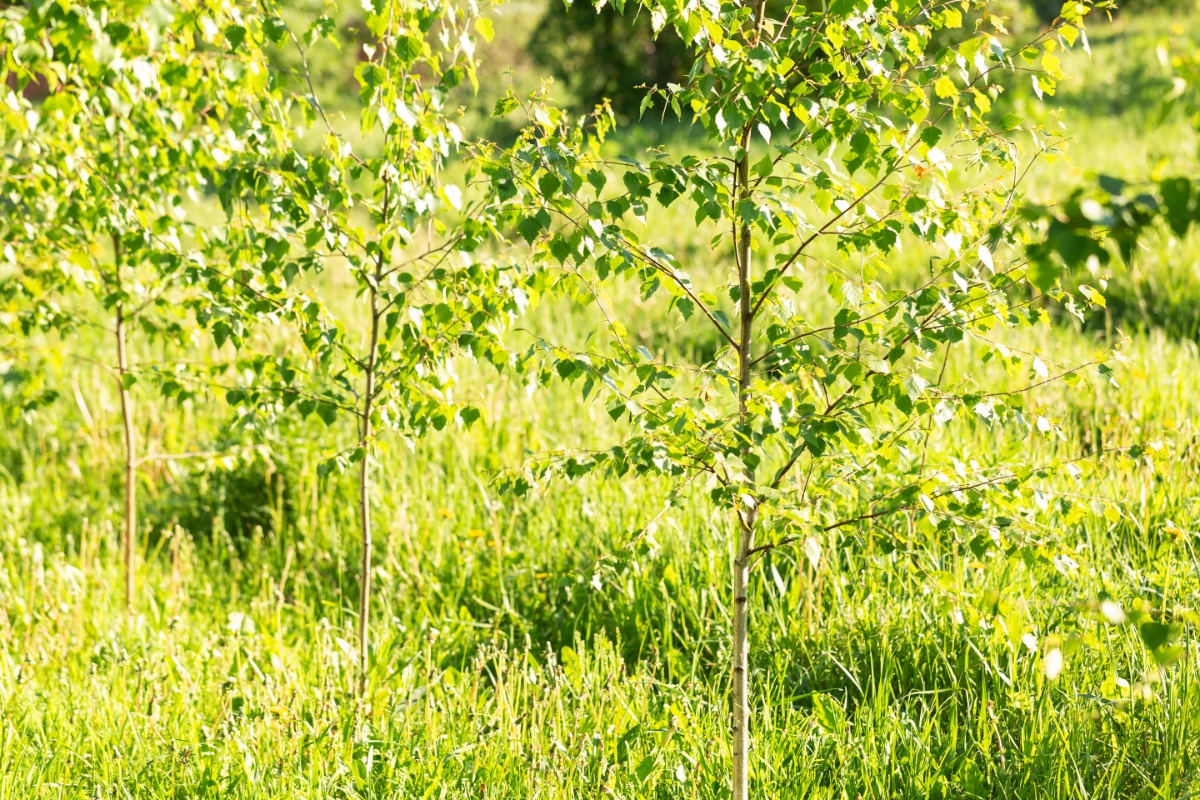
One of the most beautiful hybrid options is to create a living memorial – using ashes to nourish a new tree, shrub, or flowers. The vision of “becoming a tree” resonates with many who want their life to contribute to new life. Natural burial grounds often support this idea by allowing families to bury ashes beneath a young tree or to plant a memorial tree on or near the ashes plot (depending on the site’s policy). Some sites include the cost of a sapling as part of an ashes burial package, turning the grave into a miniature woodland over time.
If you’re planting a tree with ashes, it’s important to do it carefully. As mentioned, cremated ashes alone are not fertile – they actually have a desiccating effect on soils due to their high pH and salt. To safely combine ashes with soil for planting, you should mix the ashes with plenty of organic material or a soil amendment formulated for this purpose. Products like “Let Your Love Grow” (a popular planting medium) or the UK-developed “Return to Nature” mix are designed to buffer and convert ashes into plant-friendly form. These mixes often contain beneficial microbes and nutrients that help break down the mineral bone ash and make it easier for roots to absorb.
A typical method is to blend a measured portion of ashes with potting soil or compost, let it sit for a period (sometimes a few months) to mellow, and then use that mixture when planting your tree. Many biodegradable tree urns include a separate capsule or dividing layer – ashes in one part, special soil in another – to ensure the young seedling’s roots aren’t “burned” by raw ashes at first. Over time, the urn breaks down and the roots grow through, picking up nutrients as the ashes become integrated into the soil.
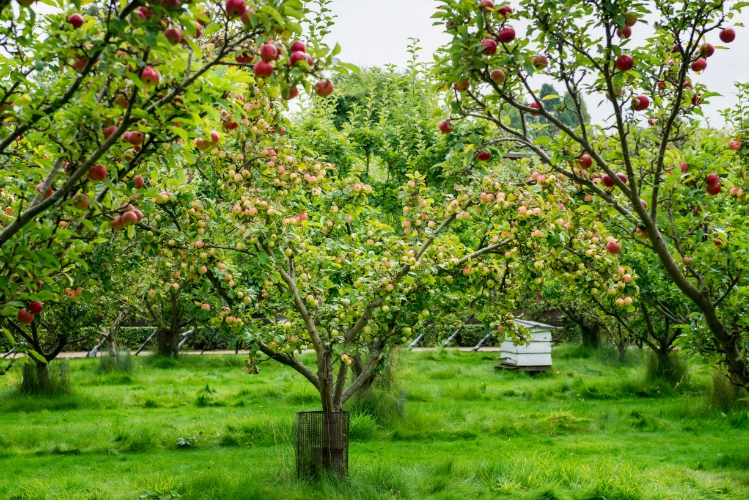
Families often find comfort in this ritual: the act of planting is hopeful and healing. You might choose a tree species that has meaning – perhaps an oak for strength, a rose bush for love, or a fruit tree that will feed wildlife. Just be sure the species is appropriate for the location (some burial woods will guide you on native species that suit the landscape). Also, consider protection for young trees (from deer or rabbits) and the long-term care it might need in those crucial early years. Many providers will replace a memorial tree if it fails in the first year or two, recognising how important that living tribute is. In the end, planting a tree with your loved one’s ashes creates a living legacy – a place where you can literally see life, year after year, that has been enriched by their presence.
Water Cremation (Aquamation)
While not a combination of flame cremation and burial, it’s worth noting an emerging option that aligns with eco-conscious values: water cremation, also known as aquamation or resomation. This is a relatively new method (just now making its debut in the UK) which could be seen as a greener alternative to traditional cremation.
Instead of fire, aquamation uses a solution of water and alkali to gently break down the body. The process involves placing the body in a stainless steel chamber filled with 95% water and 5% potassium hydroxide, then heating it under pressure. After a few hours, all soft tissue has dissolved, leaving only the bone minerals, which are then dried and ground into a white ash-like powder to return to the family. In essence, the final remains look similar to cremation ashes, but the process to get there is very different and far more eco-friendly.
Water cremation has a significantly lower environmental impact: it uses much less energy than flame cremation (one estimate is 5x less energy than a standard cremation) and doesn’t release harmful emissions like mercury or carbon dioxide into the air. In fact, the carbon footprint is about half that of a gas cremation according to funeral industry data. There’s no smoke, no burning of coffin materials – only a warm alkaline bath that is often described as being “gentler on the body and kinder on the environment”. The remaining liquid (containing amino acids, peptides, etc.) is sterile and, after being neutralised, can be safely returned to the water system as it contains no DNA or harmful chemicals.
As of now (late 2025), water cremation in the UK is legal but just becoming available. The UK’s first operational Resomation unit was established in 2023, and Co-op Funeralcare began offering water cremation services in the north of England as a pioneer. Uptake is expected to grow, especially as awareness increases – one survey found that 29% of Britons would choose aquamation for themselves if it were readily accessible. Currently, facilities are still limited, but the interest is clearly there. Notably, Archbishop Desmond Tutu famously chose aquamation for his own funeral in 2021 due to its environmental benefits, which brought global attention to the method.
For those in the UK seeking a truly low-impact end-of-life option, aquamation is an exciting development. It can be seen as an extension of the natural burial ethos – reducing pollution and preserving land (since you still receive ashes that can be buried or scattered). If flame cremation doesn’t sit well with you and a full body burial isn’t practical or desired, keep an eye on water cremation offerings as they expand. In the meantime, you can certainly cremate conventionally and then use the green burial ideas discussed above for the ashes, achieving a similar eco-friendly outcome.
Honoring Loved Ones and the Earth – A Gentle Call to Action
Choosing to combine cremation and natural burial is a heartfelt way to honour your loved one’s memory while also honouring the Earth. It’s about finding comfort in nature’s embrace and knowing that, even in death, we can give something back to the world around us. Whether you decide to bury ashes in a memorial woodland, scatter them under an old oak tree, or nurture a new sapling with their remains, you are creating a legacy of life, beauty, and sustainability.
If you’re considering these hybrid eco options, take the next step by exploring the natural burial grounds available in your area. Many UK sites offer ashes interment and memorial tree plantings – each with its own character and rules – so it helps to research and visit to find the one that feels right. We invite you to use our natural burial ground near me directory to discover what natural burial ground options you have available near you and sites across the country. By planning a green resting place for ashes, you ensure that your loved one’s final chapter is written in the gentle language of nature – a tribute as compassionate and eco-conscious as they would wish.
Ultimately, combining cremation with natural burial practices proves that love and respect for the environment can be part of the farewell. It offers peace of mind to families, knowing that the person they miss is at rest in a beautiful, living landscape. In this way, saying goodbye becomes not just an ending, but a continuation – a return to the earth that heals and celebrates life.
Explore Natural Burial Grounds Across the UK
Search our Directory ➜ Natural Burial Grounds Near Me
Find peaceful, eco-friendly burial grounds near you.