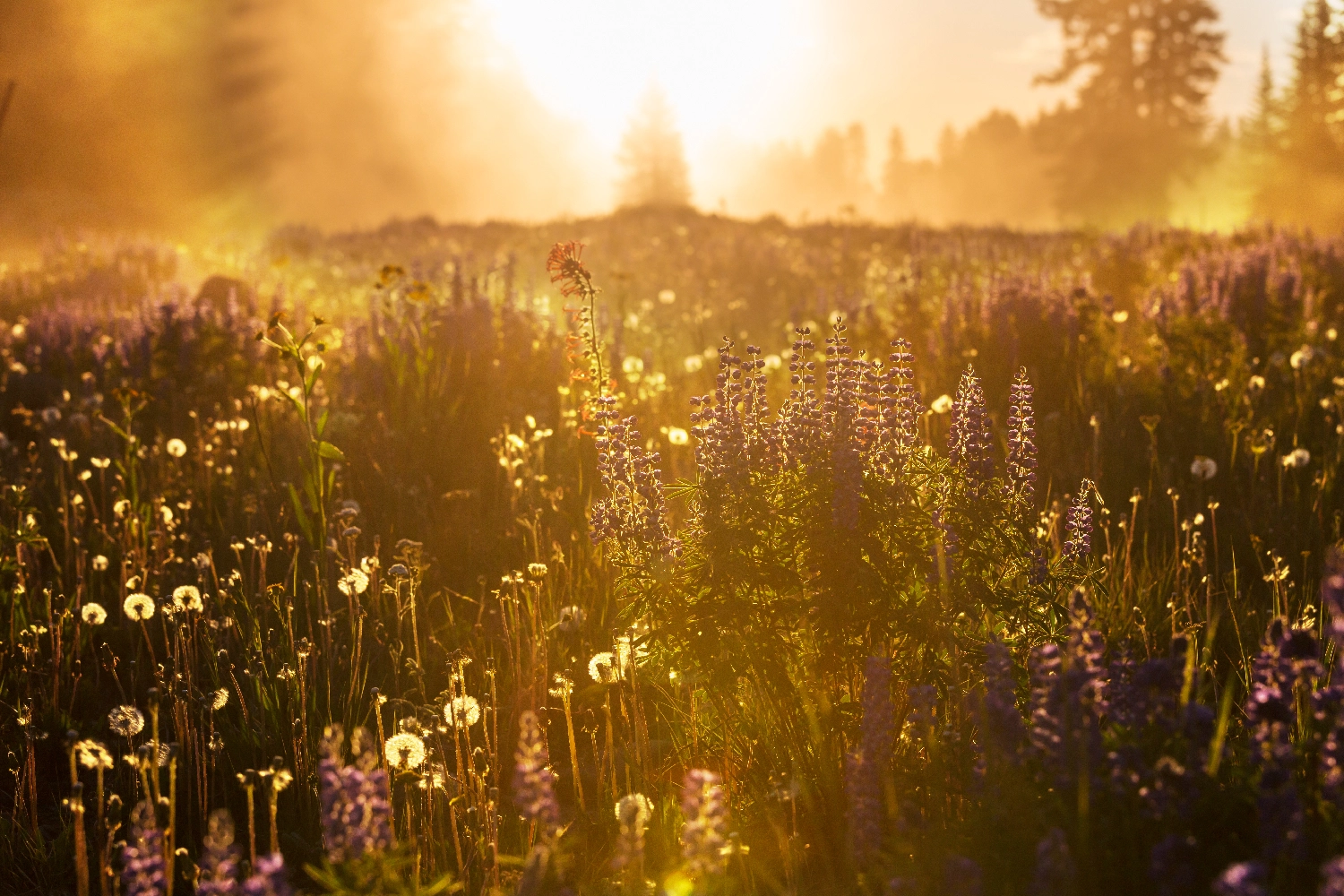
Life on Earth is shaped by cycles, growth, decay, renewal, and return, the cycle of life. Everything that lives eventually becomes part of the natural systems that support future life. For many people, understanding death as part of this ongoing cycle brings reassurance, meaning, and comfort.
Natural burial reflects this understanding. Rather than separating death from nature, it allows the body to return gently to the earth, supporting soil, plants, and wildlife in the same way all living things do. It is a simple, environmentally thoughtful approach that works with natural processes, not against them.
This article explores the natural cycle of life and death and explains how natural burial fits into that cycle — from the role of soil and microorganisms to the long-term environmental benefits of burial grounds designed around nature.
Understanding the Natural Cycle of Life and Death
In nature, nothing is wasted. Leaves fall, animals die, plants decompose — and all of it becomes nourishment for new life. This cycle is fundamental to healthy ecosystems.
At its simplest, the natural cycle involves:
-
Life: Growth, movement, and interaction within an ecosystem
-
Death: The natural end of biological life
-
Decomposition: The gradual breakdown of organic matter
-
Renewal: Nutrients returning to the soil to support new growth
This process happens constantly beneath our feet. Forest floors, meadows, wetlands, and grasslands all rely on decomposition to remain fertile and resilient.
Natural burial is rooted in this same principle: allowing the human body to decompose and return to the earth in a way that supports life rather than interrupts it.
How Natural Burial Works With Nature
A natural burial is designed to minimise environmental impact and allow natural processes to take place without interference. This usually means:
-
No embalming chemicals
-
Burial depths that support aerobic decomposition
-
Landscapes managed for wildlife and habitat restoration
By avoiding synthetic materials and chemicals, natural burial allows soil organisms — bacteria, fungi, insects, and worms — to do the work they have evolved to do.
Over time, the body breaks down naturally and becomes part of the living soil system, supporting plants, trees, and microorganisms.
The Role of Soil in the Cycle of Life
Soil is not just dirt — it is a living ecosystem. A single teaspoon of healthy soil can contain billions of microorganisms, all working together to recycle nutrients and maintain balance.
In natural burial:
-
Organic matter is gradually broken down
-
Nutrients such as nitrogen, phosphorus, and carbon return to the soil
-
Soil structure and fertility can improve over time
Well-managed natural burial grounds often protect soil health through careful planning, low-impact pathways, and long-term land stewardship. Many sites are managed as meadows, woodlands, or conservation areas, ensuring the soil remains undisturbed and alive.
Decomposition as a Life-Giving Process
Decomposition is sometimes misunderstood, but in nature it is a vital and positive process. Without it, ecosystems would collapse under the weight of undecomposed material.
During natural decomposition:
-
Microorganisms break down organic tissues
-
Nutrients are released slowly into the surrounding soil
-
Fungi and bacteria play a key role in nutrient cycling
-
Plant roots absorb nutrients to fuel new growth
Natural burial allows this process to happen at its own pace, without artificial acceleration or suppression. For many families, this offers reassurance — a sense that death contributes to life rather than standing apart from it.
Trees, Plants, and New Growth
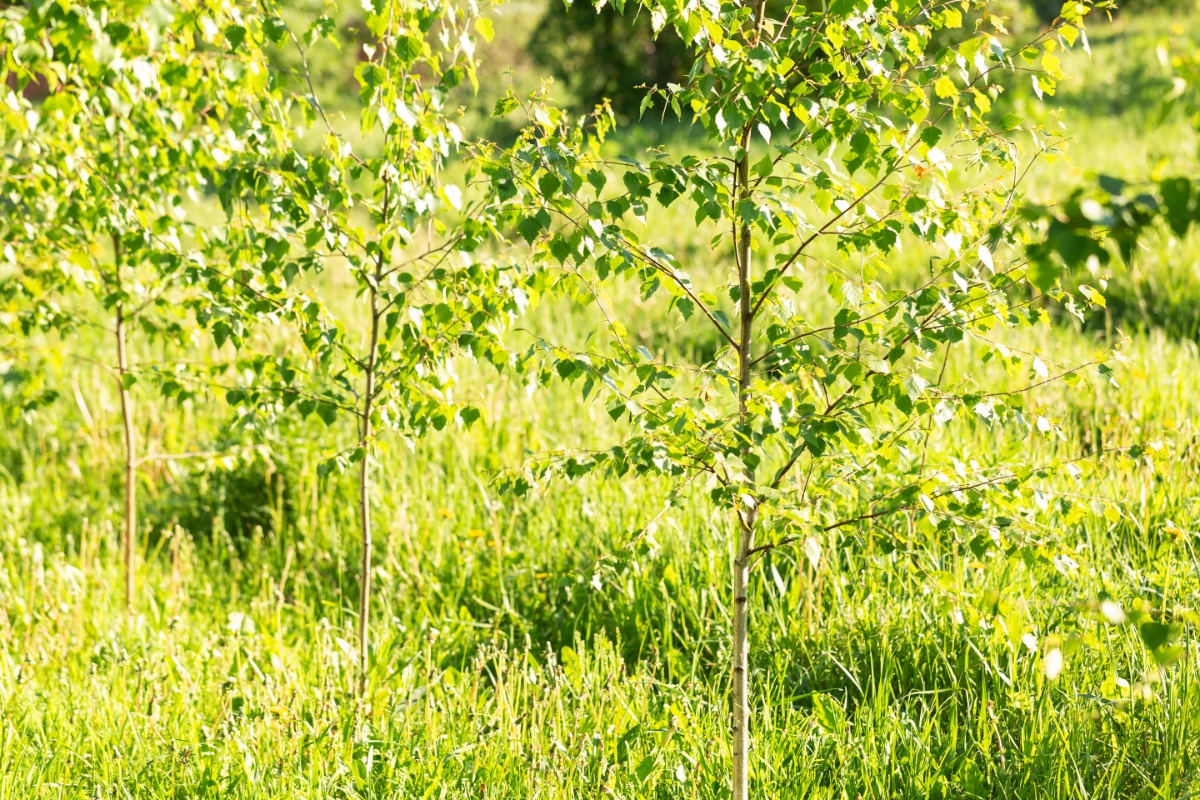
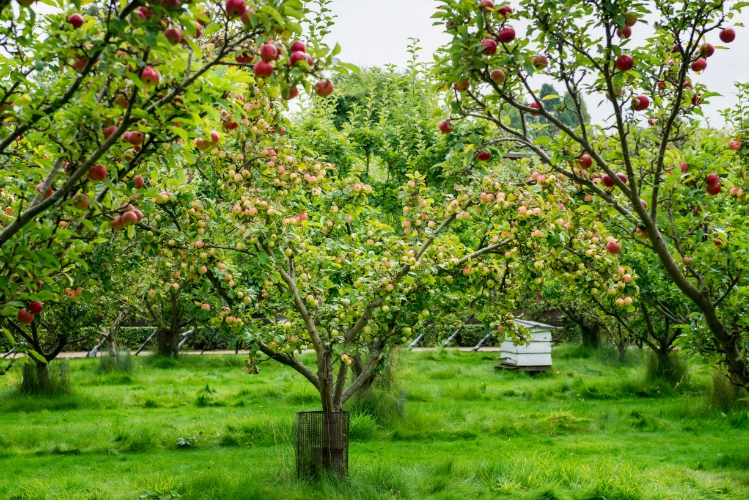
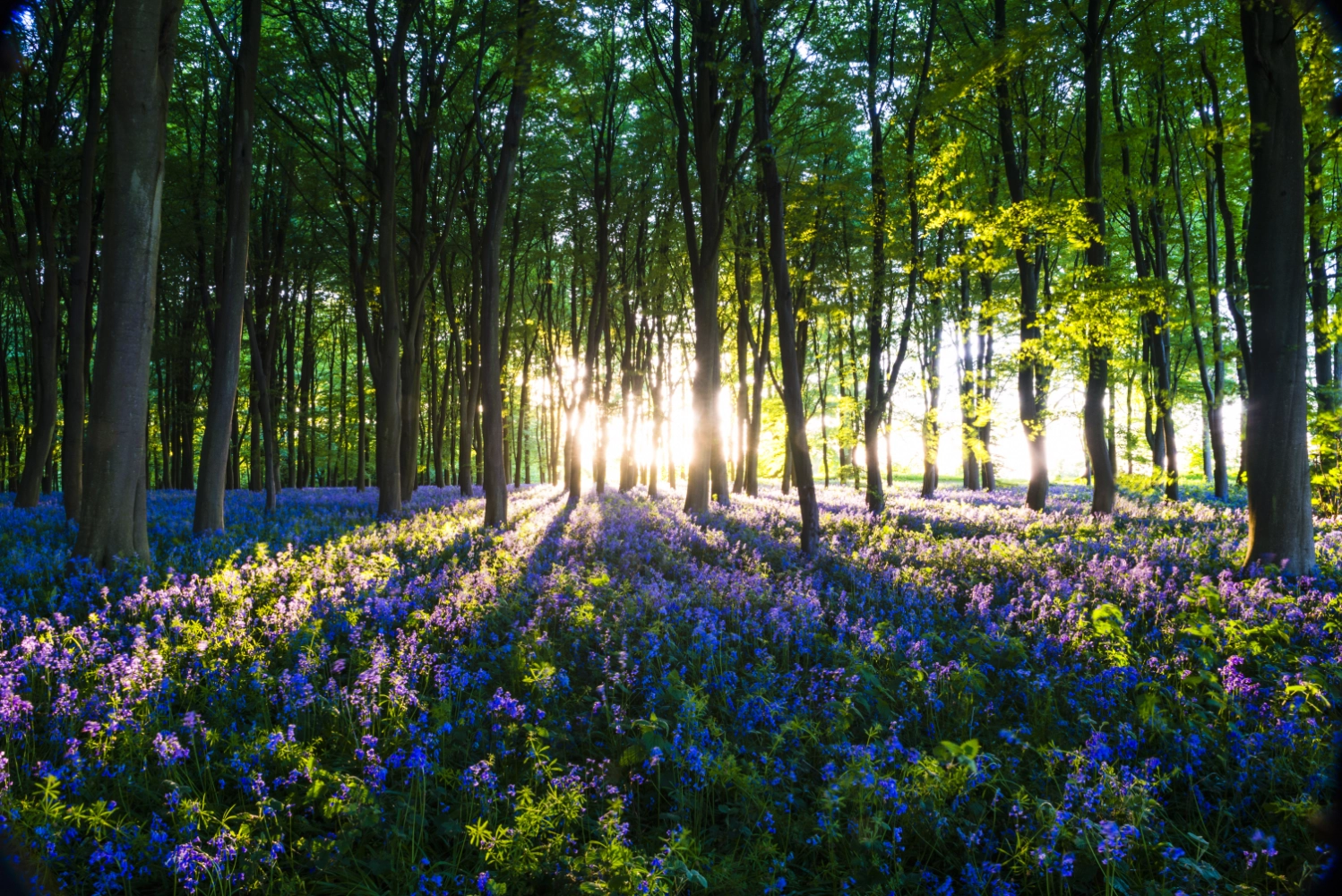
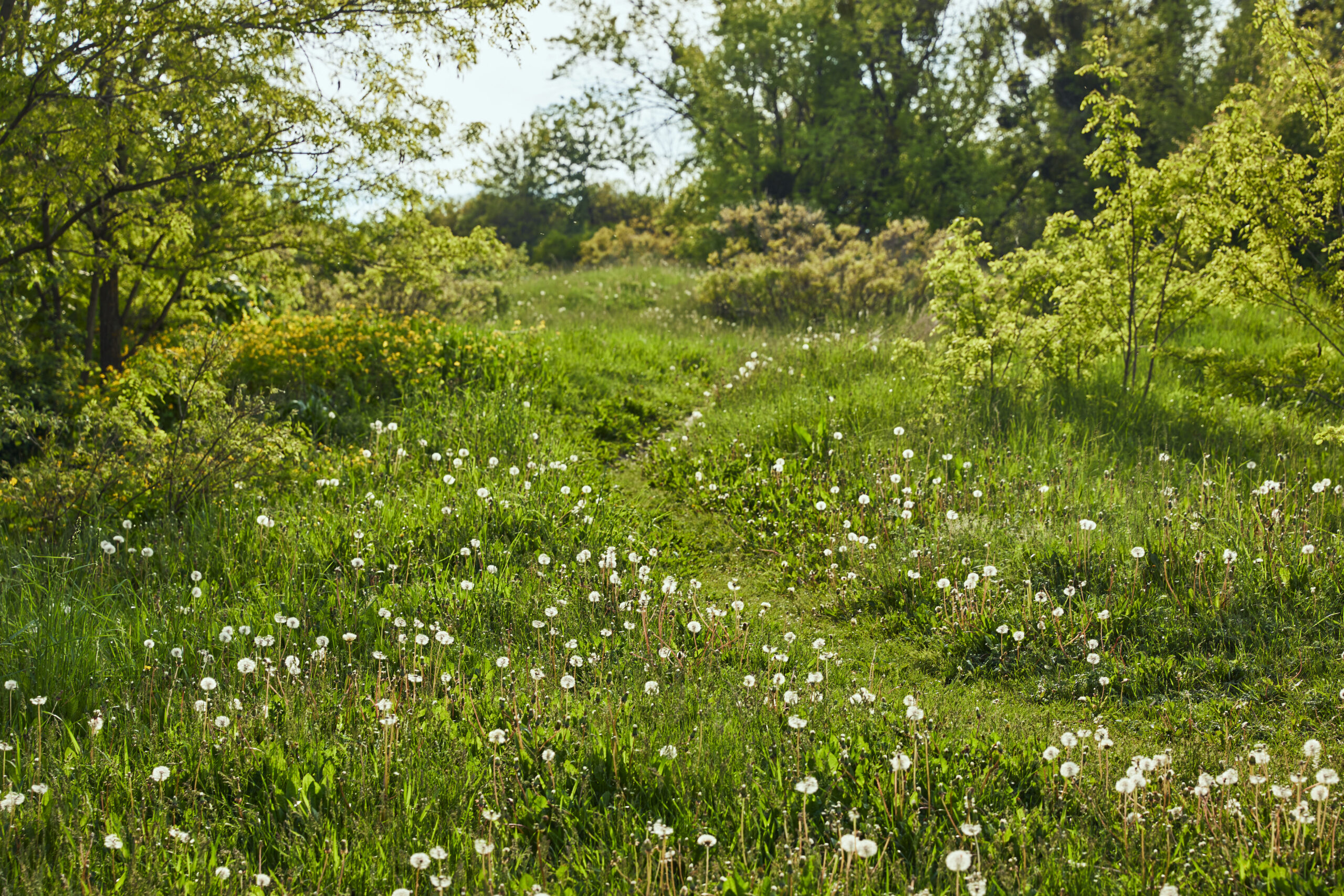
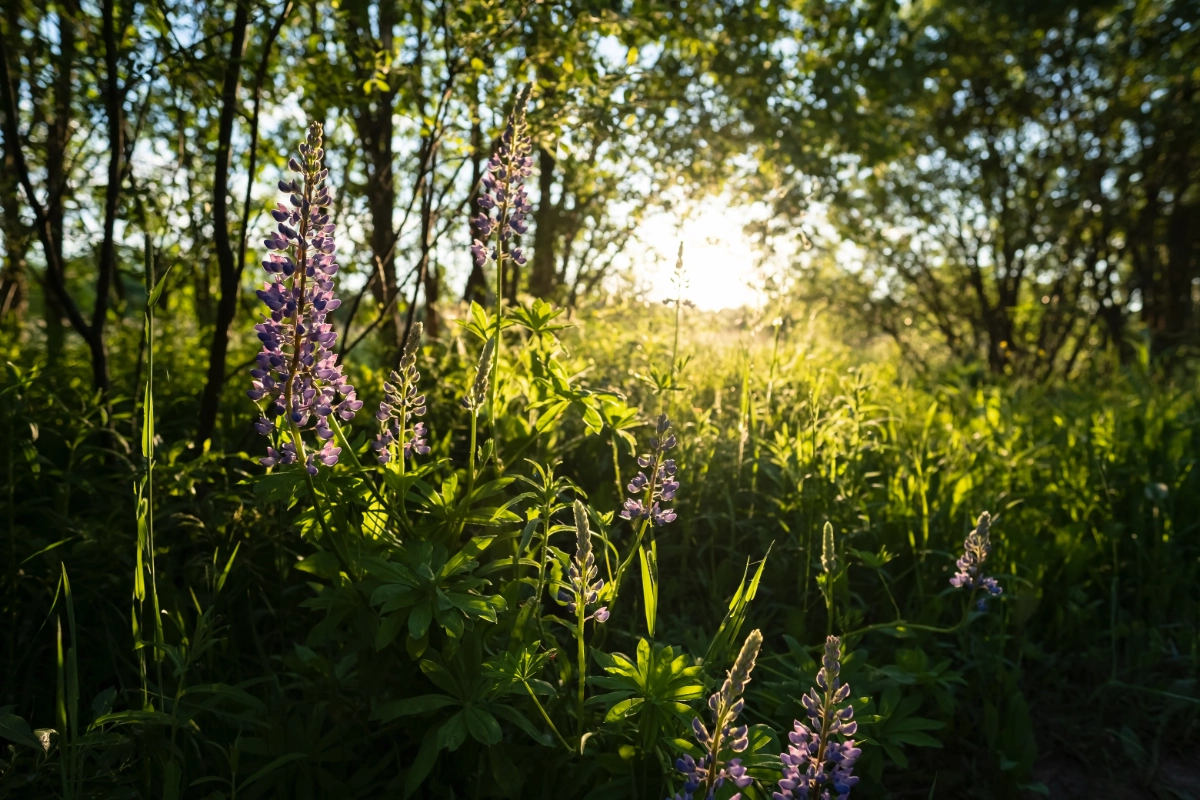
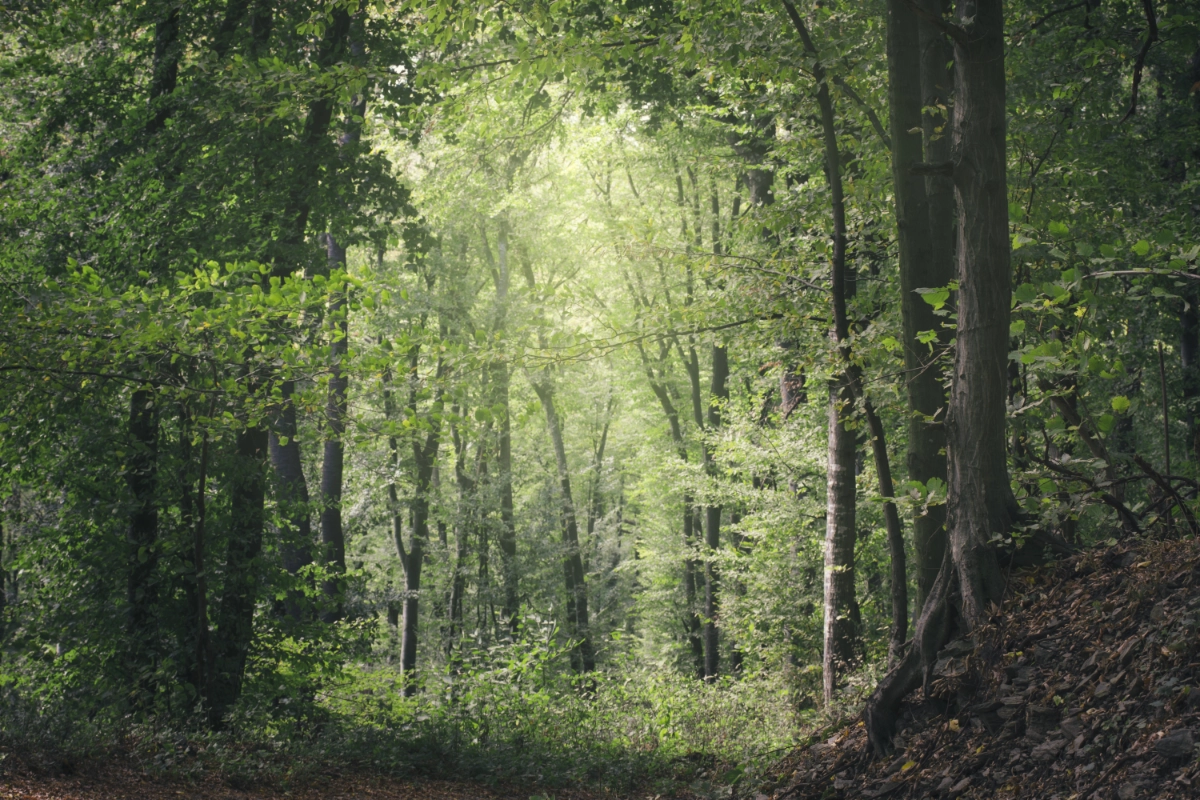
Many natural burial grounds are designed to support long-term landscape regeneration. This may include woodland creation, wildflower meadows, or restored grasslands.
As nutrients return to the soil:
-
Trees establish deeper roots
-
Wildflowers thrive in healthier ground
-
Pollinators benefit from diverse habitats
-
Wildlife corridors are strengthened
Some burial grounds allow tree planting as a memorial, while others focus on habitat restoration without individual markers. Both approaches reflect the same principle: remembrance through living landscapes rather than permanent stone.
How Natural Burial Differs From Conventional Burial
Traditional burial practices often interrupt the natural cycle of life and death. This can include:
-
Embalming fluids that slow decomposition
-
Coffins made from treated wood, metal, or plastic
-
Concrete graves and headstones
While these practices are common, they can limit soil interaction and delay natural processes.
Natural burial takes a different approach:
-
Materials break down naturally
-
The soil remains biologically active
-
Landscapes are preserved rather than developed
This difference is at the heart of why many people choose natural burial — it feels more aligned with ecological values and the rhythms of the natural world.
The Environmental Benefits of Working With Nature
Natural burial may reduce environmental impact when compared with more resource-intensive practices. Potential benefits include:
-
Lower carbon emissions
-
Reduced use of non-renewable materials
-
Protection of green spaces
-
Support for biodiversity and conservation
Many natural burial grounds are protected from future development, meaning the land remains a green space for generations to come.
Emotional and Psychological Comfort in the Natural Cycle
For some people, understanding death as part of a natural cycle of life can ease fear and uncertainty. Rather than focusing on separation or permanence, natural burial emphasises connection and continuity.
People often describe comfort in knowing that:
-
Their body will return to the earth
-
Their resting place supports living ecosystems
-
Their burial contributes to something lasting and positive
This perspective does not remove grief, but it can offer a gentler framework for understanding loss in a green space.
Natural Burial Grounds as Living Landscapes
Unlike conventional cemeteries, graveyards, natural burial grounds are often designed to evolve over time. Paths may shift, trees mature, and habitats change with the seasons.
These spaces often feel:
-
Calm and peaceful
-
Less formal and more natural
-
Connected to surrounding landscapes
They can become places not only of remembrance, but of walking, reflection, and nature connection.
Natural Cycle of Life & Death
The natural cycle of life and death is not something to fear or avoid — it is the foundation of all living systems. Natural burial reflects this understanding by allowing death to support life, renewal, and continuity.
For those seeking a simpler, more environmentally thoughtful farewell, natural burial offers a way to remain part of the living world — contributing quietly to soil, plants, and future generations.
By working with nature rather than against it, natural burial honours both life and the landscapes that sustain it.
Explore Natural Burial Grounds Across the UK
Search our Directory ➜ Natural Burial Grounds Near Me
Find peaceful, eco-friendly burial grounds near you.