
Losing a loved one is never easy, but arranging a do-it-yourself (DIY) funeral can be a deeply personal and empowering way to say goodbye. DIY funerals – also called family-led funerals – put the family in charge of all aspects of the farewell, from caring for the person’s body to planning the ceremony. This approach often appeals to those who want a more natural burial, want to save on costs, or simply prefer a personal touch over a conventional funeral format.
Importantly, a DIY funeral is completely legal in the UK – there is no law requiring you to use a funeral director or undertaker. With the right information and support, you can arrange a respectful, lawful and meaningful send-off on your own terms.
Below, we provide friendly, practical guidance on how to arrange a DIY funeral in the UK. We’ll cover everything from the first steps when someone dies at home, to handling legal paperwork, caring for the body, arranging a natural burial, and planning a personal ceremony. Throughout, you’ll find tips for keeping costs down without compromising care, and advice on involving family, friends, and the community.
What Is a DIY Funeral?
A DIY funeral means the family takes charge of organising and conducting the funeral without hiring a traditional funeral director to manage everything. In practice, this means you and your family handle all the key tasks – including legal paperwork, care of the body, transportation, and the funeral service itself. You can still seek help for specific tasks if needed (for example, hiring a specialist for transporting the body or engaging a celebrant to lead the ceremony), but overall control stays with the family. This approach allows you to tailor every detail to your loved one’s wishes and your values.
Is it legal? Yes – in the UK there is no legal requirement to use a funeral director when someone dies. Families are free to “direct it yourself” as long as you follow the necessary legal steps (like getting a death certificate and burial or cremation paperwork). Likewise, there is no law requiring embalming or any specific funeral format; those are optional services. In fact, family-led funerals were the norm in past generations, and many families are rediscovering this option today.
Why choose a DIY funeral? Families choose DIY funerals for many reasons. You might be looking for a more personal and intimate farewell, with full freedom to celebrate your loved one’s life in your own way. You might want to avoid the formality or commercial feel of some traditional funerals. Cost can be a factor too – handling arrangements yourself can significantly reduce expenses by avoiding funeral directors’ fees. Most of all, a DIY funeral gives you greater involvement in every aspect of your loved one’s final journey. Many people find this involvement helps them process grief and feel closer to the person, turning the funeral into a true act of love and care.
That said, arranging a funeral yourself is a big responsibility. It comes at a time of grief, so remember not to take on everything alone. It’s okay – even encouraged – to ask friends or family for help with various tasks. You can also do a partial DIY: for example, you handle the planning and ceremony, but use a funeral director for limited services like paperwork or storage. The goal is to create a meaningful tribute that feels right for you and your loved one. In the sections below, we’ll walk through each stage of the process to help you understand what’s involved.
When Someone Dies at Home: First Steps
If your loved one passes away at home, there are some immediate legal and practical steps to take. These differ slightly depending on whether the death was expected (due to an illness) or unexpected:
-
Verify the death: First, a medical professional needs to confirm that death has occurred. If the person was on end-of-life care or the death was expected, call their GP (doctor) or an out-of-hours medical service as soon as you can. A doctor will visit to officially confirm the death and issue a Medical Certificate of Cause of Death (MCCD) – essentially a certificate stating the cause of death. If the person was in a hospice or under at-home care, a community nurse might perform the initial verification and then inform the doctor. For an unexpected death at home, call 999 immediately and ask for ambulance and police. Paramedics will attempt resuscitation if appropriate or confirm the death. The police are involved to ensure everything is in order and, if the cause is unclear, they may inform the coroner.
-
Contact authorities if needed: In sudden or unexplained deaths, the coroner (or Procurator Fiscal in Scotland) will be notified to investigate the cause of death. In such cases, you might not get the MCCD right away; the coroner will issue documents later (and a funeral may have to wait until any necessary post-mortem or inquest is done). If the death is clearly from natural causes and was anticipated, the coroner likely won’t be involved, and the GP’s MCCD is the key document for the next steps.
-
Care for the body in the short term: Once death has been verified, you have a choice. There is no need to move the body immediately if you don’t want to. In an expected death, you are completely free to keep your loved one at home for a while before the funeral – whether for a few hours or even a couple of days – so that family can say their goodbyes. (We’ll discuss below how to care for the body during this time.) If you prefer not to keep the person at home, or circumstances require removal (for example, after a sudden death where the coroner is involved), the body may be taken to a hospital mortuary or a local funeral director’s mortuary for storage. Even as a DIY arranger, you can arrange with a funeral director or mortuary for temporary holding of the body until the funeral day (some will provide this service for a nominal fee). Make sure you have a plan for where the person will rest in the days before the funeral – whether at home or elsewhere.
-
Inform close family members: You should notify close relatives and loved ones of the death when you feel able. This is not a legal step, but a compassionate one. If there are any immediate decisions to be made (for instance, if the deceased wished to donate their organs or if there’s a need for a quick religious burial), contacting family quickly can be important. Otherwise, take the time you need; there is usually no immediate rush beyond the medical formalities.
-
Begin funeral arrangements at your own pace: Once a doctor has provided the MCCD and you have the person in a safe place (at home or in a mortuary), you can start thinking about the funeral plans. Legally, you will need to register the death within 5 days (in England and Wales) or 8 days (in Scotland), but you do not have to have the funeral itself right away. It’s common for funerals to take place one to three weeks after death, depending on family wishes and practicalities. So give yourself permission to take a breath. In the next sections we’ll go through the necessary paperwork and planning steps.
Required Paperwork and Legal Duties
Handling the paperwork might sound daunting, but it boils down to a few key documents and tasks. Here’s what you’ll need to arrange legally in a DIY funeral:
-
Medical Certificate of Cause of Death (MCCD): This is the form completed by a doctor, stating the cause of death. If the death was at home and expected, the GP will issue this (often you collect it from the GP’s surgery). If the coroner was involved, there may be a slightly different process or form, but officials will guide you. The MCCD is crucial because you need it to register the death.
-
Register the death: In the UK, a death must be officially registered with the local Registrar of Births, Deaths and Marriages within 5 days (8 days in Scotland) of the death (unless the coroner’s investigation is delaying things). As the next of kin or a close relative, you can register the death yourself at the registry office. Call the local register office to make an appointment (some now do this by phone or online as well). You’ll need to give the registrar the details of the deceased (full name, date of birth, address, etc.) and the MCCD from the doctor. Once the death is registered, the registrar will issue you the documents you need for the funeral.
-
Certificate for Burial or Cremation (the “Green Form”): After registering, you will receive a Certificate for Burial or Cremation – often called the “green form” because in England and Wales it’s printed on green paper. This form is extremely important in a DIY funeral: it is your permission to go ahead with the burial or cremation. If you are planning a burial (natural or otherwise), you will give this green form to the burial ground or cemetery manager who will be overseeing the interment. (If you were planning a cremation, you’d give it to the crematorium.) In cases where a coroner is involved and an inquest is opened, the coroner will issue their own certificate (sometimes called an Order for Burial or Form 101 in England) instead of the green form – the effect is the same, it allows the funeral to proceed. Keep the green form safe until you hand it over to the burial ground or undertaker on the day.
-
Death Certificates (Certified Copies): The registrar will also let you purchase official copies of the Death Certificate. These are used for legal and financial matters (like closing bank accounts, insurance, etc.), not for the funeral itself. It’s a good idea to buy several copies (they cost a small fee each) so you can send them to various institutions simultaneously. For the funeral arrangement, the death certificate itself isn’t needed by the burial ground – the green form is the operative document for burial – but it’s wise to have at least one death certificate for your records and future needs.
-
Tell Us Once and other notifications: The UK has a government service called Tell Us Once that the registrar may offer, which notifies multiple governmental departments of the death (for example, state pension, DVLA, passport office, etc.). You can use this service to simplify notifying authorities. Separately, you should inform the deceased’s GP (if not already aware), and any care services involved, that the death has occurred. Cancel any regular nursing or equipment services to the home to avoid confusion.
-
Funeral director’s role in paperwork: Since you are doing a DIY funeral, you or your family will handle submitting the green form to the cemetery or natural burial site. In a traditional funeral, the funeral director would normally do this, but rest assured it’s straightforward – you simply deliver or email the form to the site manager or bring it on the day of the funeral.
When you register the death, let the registrar know you’re handling the arrangements yourself (or simply say you haven’t decided on a funeral director); they will either give the green form to you, or they can send it directly to the cemetery/burial ground if you provide a contact. In any case, make sure the burial ground has this form by the time of burial, as it’s required by law for burial to take place. -
Special cases – cremation forms: While this guide focuses on burial, note that if you chose cremation, there are additional forms (like Cremation Form 4 and 5, completed by doctors, or a coroner’s form for cremation). With a DIY approach, you’d coordinate with the crematorium to get those done. For a natural burial, happily, the paperwork is simpler – usually just the green form and a burial application form from the burial ground itself.
Key takeaway: The main legal hurdles are getting the Medical Certificate, registering the death, and obtaining the green burial form. Once those are done, you have the legal clearance to hold the funeral. The processes are designed to be manageable for families – you do not need a funeral director to fill out any of these forms for you. Don’t be afraid to ask the registrar or doctors any questions during this process; they know many people are unfamiliar with it.
Caring for the Body at Home
One of the most personal parts of a DIY funeral can be caring for your loved one’s body at home. Many people don’t realise this is an option – but as long as the death has been certified and you have the proper paperwork in motion, you are allowed to keep the deceased at home until the funeral (there’s no law against it). In fact, keeping the person at home for a day or two (or even longer in some cases) can be a meaningful way for family and friends to spend time, pay respects, and gently adjust to the reality of the loss. If you choose a natural burial, avoiding invasive procedures like embalming is actually preferable, and home care fits well with that. Here are practical tips for caring for the body at home:
A simple wicker coffin laid out in a family home. Keeping your loved one at home in familiar surroundings for a day or two can be deeply meaningful. Many families don’t realise they have this choice – if it’s an expected death, you’re free to care for the person at home for hours or even days. There is usually no need to rush the body away, as long as you ensure they are properly cared for and the death is registered within 5 days.
-
Keep the room cool: The most important factor is to keep the person’s body cool to slow down natural changes. Lower the temperature in the room where your loved one is resting. Turn off any heating in that room. If it’s winter, that may be enough. In warmer weather (or if heating can’t be turned off), consider using cooling aids: for example, you can place ice packs or frozen packs (wrapped in towels) on the body’s torso – around the stomach area is effective. If you have an air conditioner, use it to keep the room temperature down. Keep the windows closed; while fresh air might seem good, open windows can let in insects and speed up temperature changes, so it’s best to keep the room sealed and cool.
-
Preventing any issues: Covering the person’s face with a light cloth or sheet when you’re not in the room is recommended. This helps protect the body from insects and also is a gentle way to maintain privacy. If you are keeping your loved one at home overnight, you might lay a large bedsheet over the body (even covering the whole bed), and tuck it around the mattress; this can act as a simple cover and also a precaution to keep the body secure if you’re concerned about any movement (though if the body is flat and still, movement is not really an issue). Ensure the person is lying flat on their back if possible – after death, rigor mortis (stiffening of muscles) will set in and then pass after a day or two. Positioning them flat soon after death is helpful because joints and muscles stiffen in whatever position they are in; laying flat makes it easier later to place them in a coffin or shroud. You can gently straighten their limbs (within an hour or two after death is ideal) if needed, and place their arms in a natural position (like resting at their sides or on their abdomen).
-
Washing and dressing: You may choose to wash and dress your loved one – this intimate act is both part of care and a ritual of love. There is no requirement to do so; it’s up to you and what you feel comfortable with. If you do, gather some help: as mentioned, the person’s body may be a bit heavy or stiff to move alone. You can gently roll the person with the help of another, similar to how a carer would change clothes on someone in bed. Use a basin of warm water with flannels (washcloths) to bathe the skin; you only need a simple wipe-down – there’s no need for harsh disinfectants (in fact, avoid strong chemicals). Dry the skin afterward. You might add a few drops of a favourite essential oil or mild soap in the water for a pleasant, familiar scent. Be aware that sometimes a bit of natural fluid (like from the lungs or stomach) can come out of the mouth or nose when you move the person – if so, just wipe it away gently with a cloth. This is normal. You can then dress your loved one in a chosen outfit if you wish (something loose-fitting is easier to put on; you might need to carefully cut certain garments at the back to fit, which is okay). Brush or comb their hair, and even apply light makeup if that feels right. Many families find doing these familiar grooming tasks to be a touching experience that honours the person’s dignity.
-
Refrigeration options: In most cases, keeping the room cool and using ice packs will suffice for up to a few days. If you plan to keep the body at home for more than 2-3 days (especially in warm weather), you might consider renting a cooling blanket or portable mortuary cooling system. Some funeral supply companies or hospices can provide cooling mats that go under or over the body to refrigerate it. However, this is often not necessary for short periods. Monitor the body’s condition – if you notice any strong odour or changes, it may be time to transfer to a cooler facility or proceed with the funeral. But generally, with proper cooling, changes happen slowly and many families report the person still looks peaceful days later.
-
Emotional comfort: Keeping your loved one at home can be emotionally comforting. It allows a natural, gradual goodbye in the privacy of familiar surroundings. Family, friends, even pets can come into the room, pay respects, talk or sit with the person, or place meaningful items (letters, flowers, photos) nearby. It can demystify the death a bit and offer a sense of normalcy – they are in their own bed or a homely space, not hidden away. Culturally, many traditions encourage keeping the deceased at home for a wake or vigil for at least a day. If you’re not sure, you can try spending a night or two with them at home; you can always choose later to involve a funeral director to take the person into care if you change your mind or it becomes challenging. But many who do it find it profoundly meaningful and part of the healing process.
Finally, ensure respect and safety. It may feel a bit daunting at first to care for a body, but remember this is your loved one and your act of care is an extension of your love. There’s nothing inherently dangerous about being with a person who has died (normal hygiene precautions are fine – e.g. wear gloves if there’s any chance of contact with bodily fluids, wash hands afterward).
If at any point you are unsure, you can ring a local hospice or the Natural Death Centre helpline for advice. And if you choose not to do any of this yourself, that’s okay too – you can still have a DIY funeral and ask a local funeral home to help with body care or hold the person for you until the funeral. DIY doesn’t have to be “all or nothing” – do what you’re comfortable with.
Transporting Your Loved One
One aspect of funerals many assume only professionals can do is transporting the body. However, you are legally allowed to transport the body of the person who has died in your own vehicle in the UK. You do not need a hearse or ambulance for this, as long as it’s done respectfully and safely. Here’s how to handle funeral transportation in a DIY arrangement:
-
Using a private vehicle: Families commonly use an estate car, van, or other vehicle with a large, flat space in the back to transport a coffin or shrouded body. For example, a long station wagon or a people carrier (with rear seats removed) can work well. The body should be placed in a suitable container – typically a coffin, casket, or rigid shroud board – and must lie flat and secured in the vehicle.
It’s important that the body (or coffin) is covered discreetly and not visible to passers-by, out of respect and to avoid drawing unwanted attention. If you have the person in a coffin, that coffin can be slid into the vehicle’s cargo area. If using a simple shroud or stretcher, ensure it’s not openly visible (a closed van is best in that case).
Secure the coffin or container with straps or ropes so it won’t shift during transit. Do not use an inappropriate vehicle (for instance, an open pickup truck or a small car where the coffin sticks out) – this could not only be seen as disrespectful but also risk intervention by authorities. As long as you use a suitable vehicle and the deceased is properly secured and covered, transporting them yourself is entirely acceptable and lawful. -
Getting help for lifting: Keep in mind that a coffin with a body inside is heavy. Do not attempt to move or lift the coffin alone. You will typically need at least four strong people (pallbearers) to lift and carry a coffin safely. Gather friends or family who are willing and able to help with this task. Take time to coordinate everyone – explain the plan and perhaps rehearse lifting an empty coffin or simply talk through the steps.
Lifting and carrying a loved one’s coffin can be emotionally challenging for those doing it the first time, so ensure everyone feels up to it and support each other. If you don’t have enough people, you can ask staff at the burial ground to assist on the day (many natural burial grounds have staff or volunteers used to helping families with carrying). Alternatively, you might hire professional pallbearers for the day (some funeral directors will supply staff for a fee even if you’re not using their full services). -
Hiring transport services: If you’re not comfortable using a personal vehicle, you can hire a vehicle or driver for transport without engaging a full funeral package. Options include hiring a specialist private ambulance (essentially a van equipped for transport of the deceased) or even renting a hearse and driver for a single trip.
There are also companies that offer alternative hearse services – for example, a campervan hearse, a motorcycle hearse, etc., if that appeals to you. Because you’re doing a DIY funeral, you have choices: you could do the transfer from home to burial site yourself in a personal car, or contract just that piece out to a local funeral service for an agreed fee.
Shop around for what suits your needs and budget. Using your own vehicle will certainly be the cheapest (and often families like the feeling of personally taking their loved one on their final ride), but there is no shame in hiring help for this step if it eases your mind. -
Notifying authorities (when transporting yourself): While not a strict legal requirement, it’s advisable to inform local police of your plans if you will be transporting a body in a personal vehicle, especially for a longer drive. You can call the non-emergency police number and let them know, for example: “On Saturday at 10am, we will be driving from [your town] to [burial ground] with a coffin in a private vehicle as part of a family funeral.” This way, if someone sees the van and calls the police out of concern, the police are already aware and you won’t be interrupted.
Police officers might otherwise be curious if they notice a non-marked vehicle carrying what appears to be a coffin – it’s not illegal, but they have a duty to ensure everything is above board. A quick notice can prevent misunderstandings. If you’re only traveling a short distance, use your judgement; often it’s fine. Certainly if you’re crossing county boundaries or especially going from England into Scotland or vice versa, you should inform the coroner or Procurator Fiscal as appropriate (but most DIY funerals are local). -
On the day: When the day of the funeral comes, plan the logistics of the journey. Have the vehicle ready and cleaned out. Load the coffin with care (you may want to do this a couple of hours before, or the evening before if the temperature is cool and the coffin can be kept in a cool garage/space overnight).
Ensure you have any necessary documents with you (the green form, etc., though often you might have sent it ahead to the burial ground). Drive cautiously and give yourselves extra time – there’s no need to rush. If other family members want to follow in procession, you can arrange to have cars follow the lead vehicle in a modest cortege.
DIY funerals can be as simple or ceremonious as you like; some families will decorate the vehicle or coffin, or play the deceased’s favorite music quietly during the ride, for instance. Do whatever feels right to honor the moment.
In summary, transporting the body is entirely possible on your own. It requires some planning and muscle, but many families successfully do it, finding it one more act of love they can offer. And if it feels too daunting, arranging a one-time transport service is a perfectly fine solution. The important thing is ensuring your loved one travels safely and respectfully to their place of rest.
Choosing a Natural Burial Ground
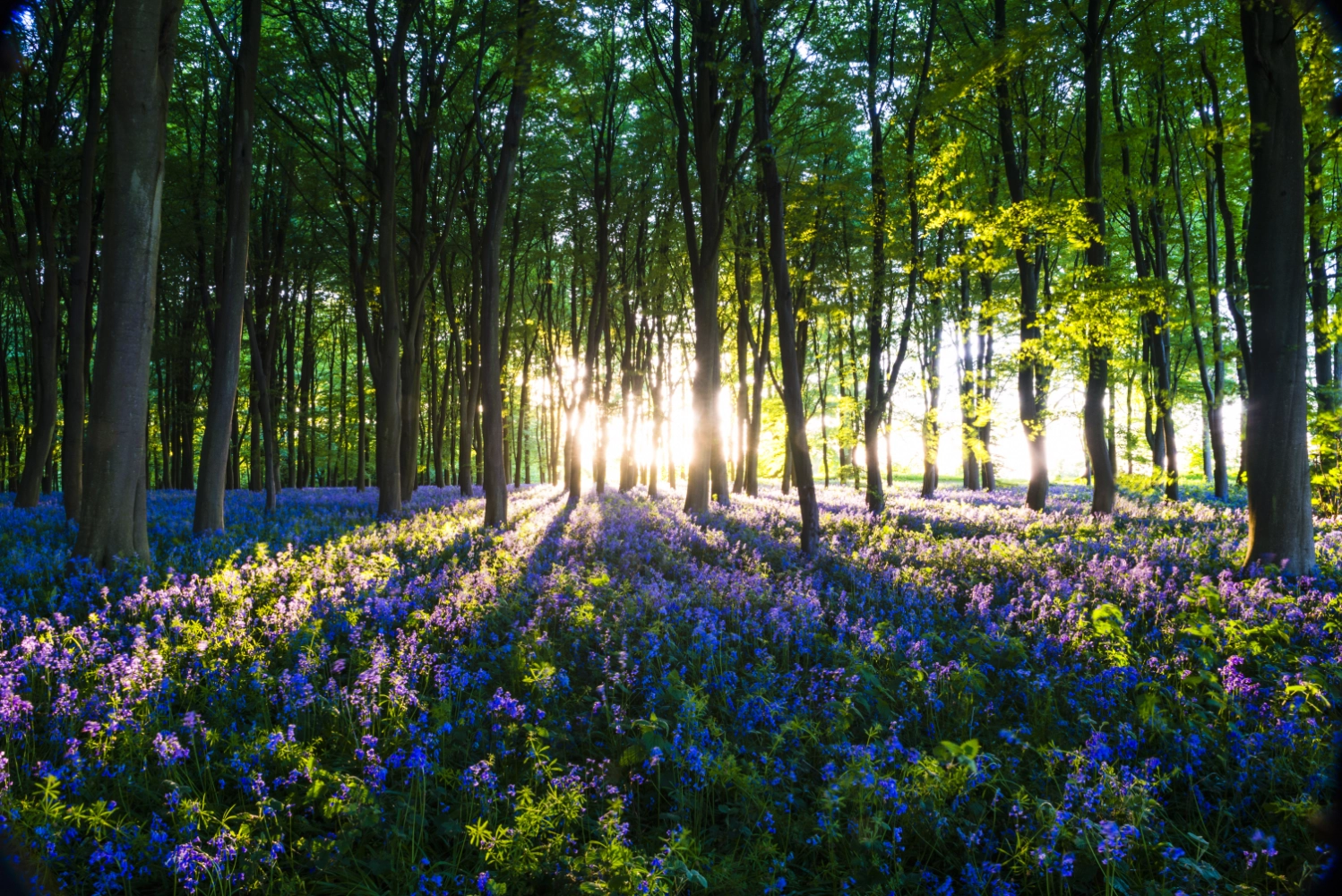
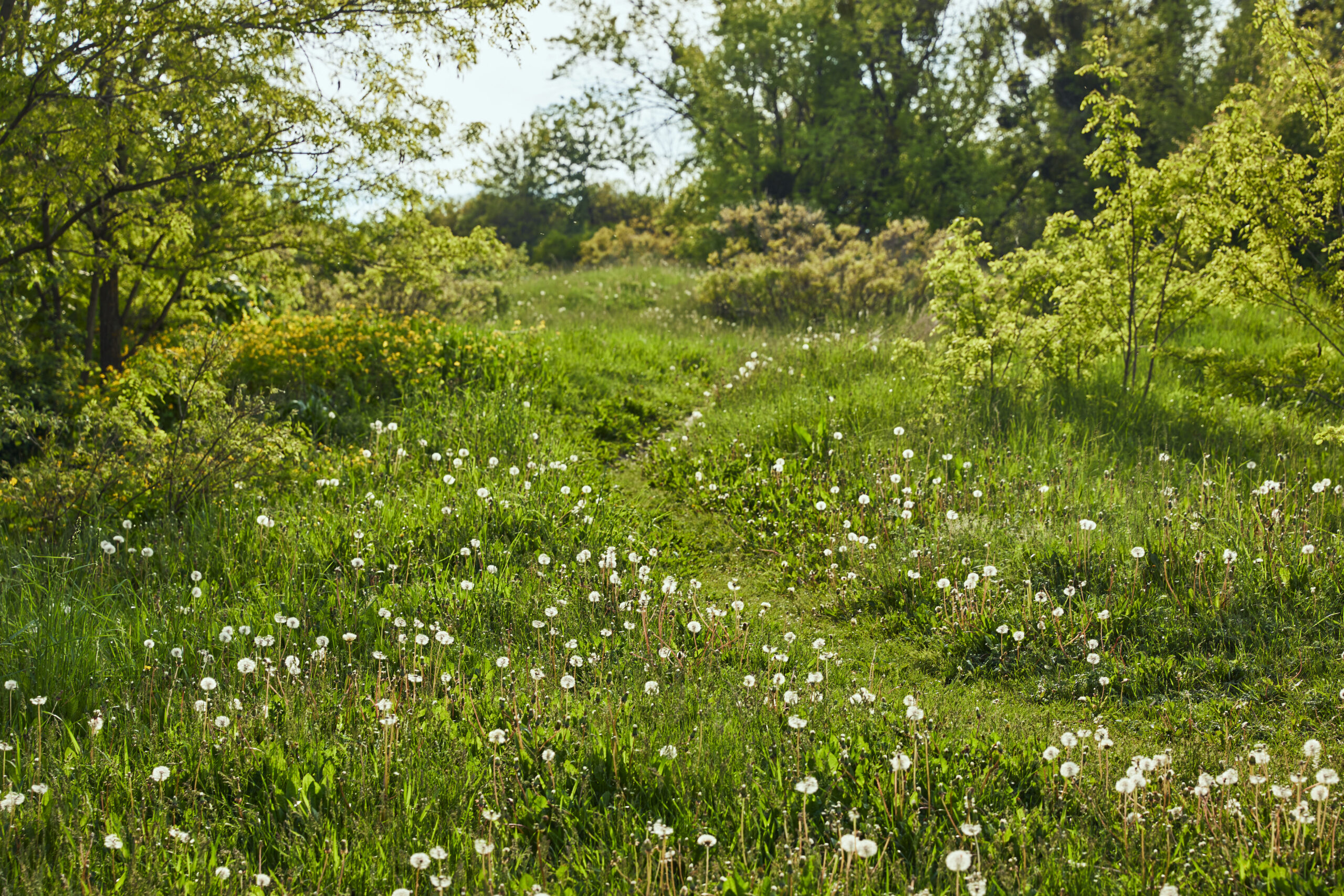
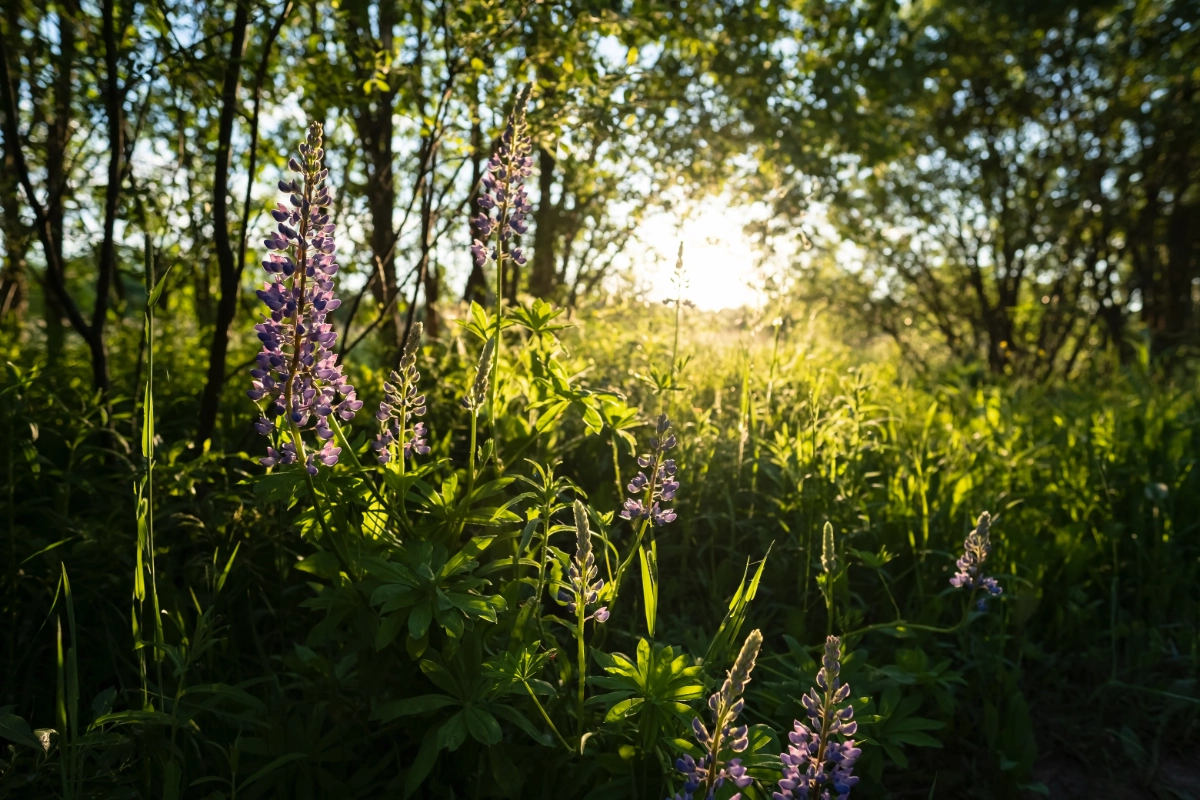
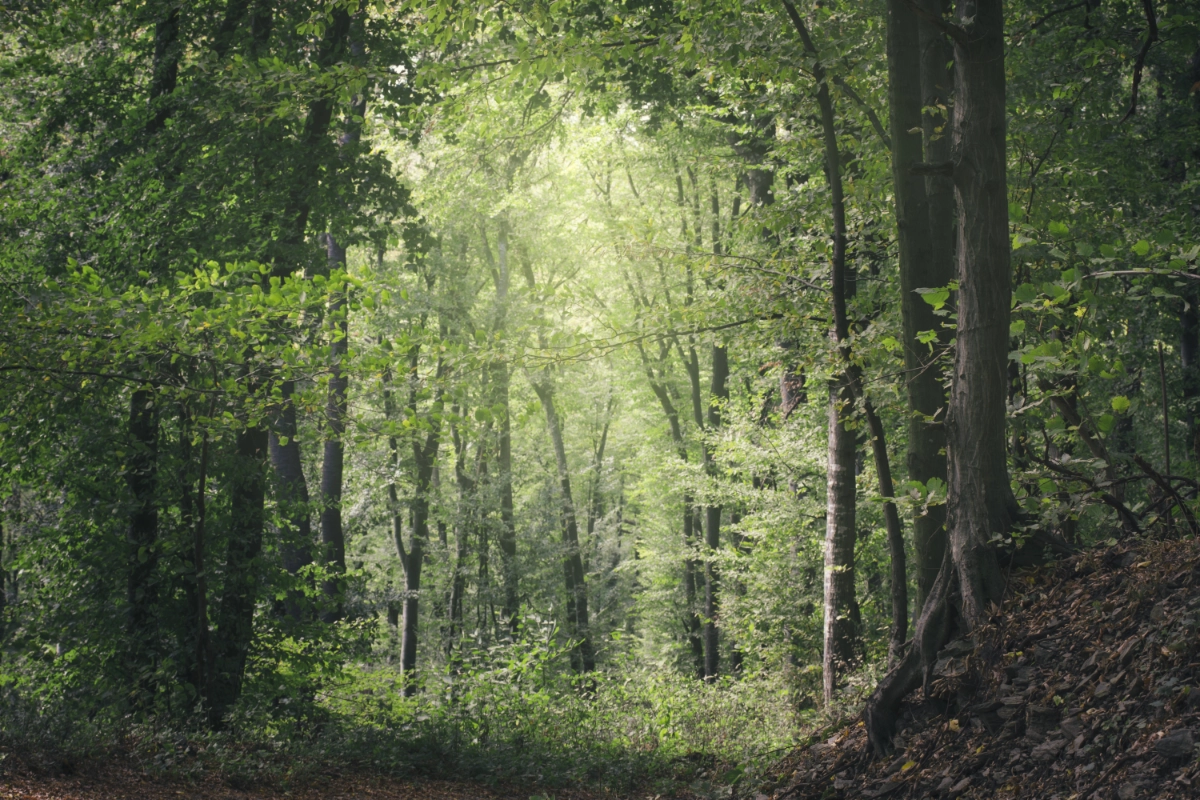
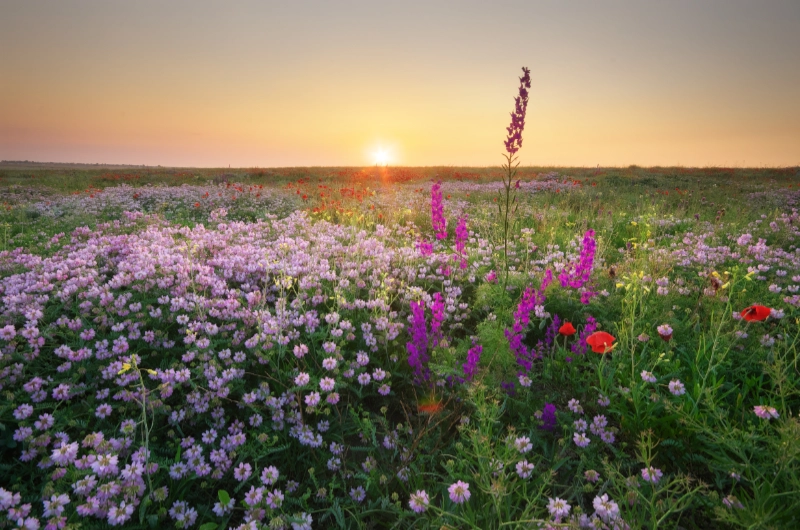
If you’re arranging a DIY funeral and wish to have a natural burial, choosing the right burial ground is an important step. Natural burial grounds (also known as woodland burial sites or green burial grounds) are cemeteries or special burial sites where the emphasis is on simplicity and environmental friendliness. In a natural burial, the body is laid to rest without embalming, in a biodegradable coffin or shroud, and the grave is allowed to return to nature (often instead of a headstone, a tree or wildflowers mark the spot). These burial grounds are often in beautiful meadows, woodlands, or parkland settings, offering a tranquil and green final resting place.
Finding a natural burial ground: Natural burial sites have grown in number across the UK as more people turn to eco-friendly funerals. To find one near you, you can use our online directory. Natural Burial Grounds Near Me and Locations of Natural Burial Grounds. For example, the Natural Death Centre (a UK charity) provides a list of natural burial grounds on their website. When searching, consider practical factors like location, the landscape (woodland vs meadow), availability of plots, and any particular rules they have.
Contacting the burial ground: Once you’ve identified a potential natural burial ground, get in touch with the site’s administrator or manager. Usually a phone call or email is enough to start; explain that you are interested in a burial for your loved one and that you are planning it without a funeral director (most natural burial grounds are very familiar with and welcoming to family-led funerals).
Ask about plot availability and pricing. Natural burial plots can range in price, often a few hundred to a couple thousand pounds depending on the location and if you’re a local resident or not. Also inquire about any specific policies: for example, natural sites typically require biodegradable coffins or shrouds only (no metal or plastic in the coffin), and they might restrict what memorials or plantings can be placed.
Confirm that the date you have in mind for the burial can be accommodated. The site manager will also explain what paperwork they need – almost always they require the green form (certificate for burial) before or at the time of burial, and you may need to fill out a simple burial application form or contract for their records. Since you won’t have a funeral director handling this, you’ll be the one to complete and return those forms and payments.
Reserving a plot and time: You can often purchase the plot in advance (or at need) and arrange a provisional date/time for the burial. Some families choose to have a very prompt burial (within a day or two, as in some Muslim or Jewish traditions), whereas others schedule it a week or more later to allow people to gather.
Natural burial grounds usually only perform burials on weekdays and during daylight hours, so discuss scheduling with the manager. Once you confirm a date and time, the burial ground will arrange to have the grave dug and ready on that day. (Grave digging is typically handled by the site – either their staff or a local gravedigger. It’s not something the family is expected to do themselves, for safety reasons, though some families participate in backfilling the grave after the coffin is lowered, as a ritual of closure.)
Visiting and facilities: If possible, you might want to visit the burial ground in advance to see the setting and meet the staff. Check what facilities are available: Is there a shelter or building for a ceremony if it rains? Are there toilets, parking, etc.? Many natural sites are fairly rustic (perhaps a field or woodland with mown paths). Some have a cabin, barn, or outdoor marquee for gatherings. Knowing the layout can help you plan the funeral ceremony (for instance, whether you’ll say words at graveside only, or if you want to gather elsewhere on the site first).
Communication: Since you’re effectively acting as the funeral director, maintain clear communication with the burial ground. They will guide you on their process. For example, you may arrange to have the coffin arrive at a certain time and the burial staff or pallbearers meet you at the car park. They might ask if family will carry the coffin or if you need assistance. They will also likely ask how many people you anticipate attending, so they can prepare or advise on parking. Don’t hesitate to lean on their expertise – natural burial ground staff are often very supportive and used to working with families directly.
On the day at the burial ground: You will bring the green form to hand over (unless already provided). The site manager will typically have you or a designated family member sign a burial register. They will then lead the way to the grave site. If you or family are carrying the coffin, you’ll do so from the vehicle to the grave. Some sites have trolleys if the distance is long.
At the graveside, you can conduct whatever ceremony or words you want (more on ceremony planning below). When it’s time, the coffin will be lowered into the grave – family can do this if ropes are provided, or the staff can assist. It can be useful to discuss lowering beforehand with the site manager: natural burials often use webbing straps or ropes; ensure you have enough people to hold them steady. After final goodbyes, the staff will usually handle filling the grave (often inviting family to participate by shovelling a bit of earth in if they want).
Choosing a natural burial ground is a beautiful way to ensure the funeral aligns with values of simplicity and nature. It also naturally dovetails with the DIY approach, as these grounds are very accustomed to personalised, informal services. Each one is a bit different – some feel like wild forests, others like peaceful gardens – so find one that resonates with you and your loved one’s memory.
Choosing a Coffin or Shroud
One of the key practical decisions is what your loved one will be laid to rest in. With a DIY funeral, you have the freedom to choose and obtain the coffin or shroud yourself. This can often save money and also allow for more personal or eco-friendly choices than the standard options a funeral director might offer.
Coffin options: For a natural burial, any coffin must be made of biodegradable, natural materials. Common choices include:
-
Cardboard coffins: Sturdy cardboard coffins are surprisingly strong and can support the weight of a body. They are one of the most affordable options and can often be decorated by family (for example, with drawings, messages, or fabric).
-
Willow or wicker coffins: Hand-woven coffins made from willow, bamboo, seagrass or other reeds are popular for green burials. They have an earthy, gentle look and are fully biodegradable.
-
Wooden coffins: Traditional solid wood (like pine, oak, willow, or poplar) or plywood coffins are suitable as long as they don't have plastic or metal fittings. Many natural burial sites ask that any handles are natural rope or wood, and interior linings are natural fibre (cotton, wool) instead of synthetic.
-
Soft coffins or coffin alternatives: There are fabric coffin wraps or containers (like heavy canvas coffins) that encase a body on a rigid base, which some sites allow.
You can purchase coffins directly from manufacturers or online retailers, often at significantly lower cost than through a funeral director. There are UK companies that sell coffins made of cardboard, wicker, wood, even woollen coffins (a coffin shape made of felted wool on a frame). Delivery can usually be arranged to your home within 24-48 hours, or sometimes directly to the burial ground.
Be sure to order in time so it arrives before you need to place the body inside. If you’re keeping the person at home for a while, you might wait to put them in the coffin until the day before or day of the funeral, or you might place them in it earlier – whatever is practical for you.
Shroud options: A burial shroud is a cloth used to wrap the body instead of a coffin. Shrouds can be simple cotton sheets or specially designed wrapping cloths, often with straps or handles for carrying. They are the most ancient form of burial covering and are fully natural.
Many natural burial grounds are open to shroud burial, though some require the body be supported on a rigid board or tray beneath the shroud (to make carrying and lowering easier). You can purchase purpose-made shrouds (in materials like cotton, linen, or even bamboo fabric), or even use a beautiful piece of natural fabric, quilt, or blanket that has meaning to your family – provided it’s biodegradable.
Some shrouds come with sewn-in carrying handles, and some families get creative, using a strong cloth and tying it in a secure way. If using a shroud, coordinate with the burial ground: do they have a bier (carrying stretcher) or should you provide a board? Many sites will have a wooden board you can place the shrouded body on to carry to the grave. Shroud burial can be very intimate – family members can tuck letters, flowers, or keepsakes into the wrapping as part of the final goodbye.
DIY and personal touches: Because you are in charge, you can personalise the coffin or shroud. Some ideas:
-
Invite family, especially children, to decorate the coffin with drawings, written messages, or stickers. This can be a healing activity.
-
Drape a special cloth or flag over the coffin (just ensure it’s removed before lowering if the site doesn’t allow synthetic materials to be buried).
-
Place meaningful items inside the coffin (within reason – avoid metal or battery-operated items in a natural burial). Examples: a favourite book, handwritten notes, a small tool or utensil they cherished, flowers, or eco-friendly mementos. (Be mindful of the burial ground’s rules; most will allow small personal items as long as they are biodegradable or of sentimental value.)
-
If you’re crafty, you could even build a coffin. There are plans available for simple coffins, and some community woodworking groups have helped families do this. Just be sure the end result is sturdy and of adequate size.
Before the funeral day, make sure the body is placed in the coffin or shroud securely. If in a coffin, typically the coffin is lined with a simple lining (could be a cotton sheet or a quilt the person owned) and perhaps a pillow of straw, sawdust, or even rolled towels to support the head. If using a shroud, you might dress the person (or not, as preferred) and then wrap them according to the shroud’s design or your own method, tying it firmly. The burial ground staff can also advise if they require any particular approach.
Ultimately, choosing the coffin or shroud is a chance to reflect your loved one’s values and personality. A natural burial encourages simplicity – knowing that everything will return to the earth – but within that simplicity there is a lot of room for creativity and love. Whether it’s a plain pine box or a flowery painted cardboard coffin, what matters is that you have chosen it with care.
Planning and Leading the Funeral Ceremony
One of the most liberating aspects of a DIY funeral is that you have complete freedom to design the funeral ceremony (if you choose to have one) in a way that truly honours your loved one. You can hold a ceremony anywhere appropriate – it could be at the graveside just before burial, at your home, in a community hall, a place of worship, or even multiple locations. You can also decide not to have a formal ceremony at all – though most families do find comfort in marking the moment in some structured way, even if informal.
Here are some considerations and tips for planning and leading the ceremony yourself:
-
Who will officiate or lead? In a DIY funeral, anyone can act as the officiant or master of ceremonies. It could be a family member or friend who feels comfortable speaking and guiding the service. If no one in the family wants to lead but you still want a personal DIY feel, you might hire an independent celebrant.
Celebrants are professionals who are not affiliated with a religion (unless you want a religious one) and will work with you to create a personal ceremony. They charge a fee but will take the burden of emceeing on the day so you can participate more freely.
Whether it’s a relative or a celebrant, it’s good to have someone acting as the “conductor” to welcome people, introduce speakers, and make sure things flow. -
Location of the ceremony: If you’re using a natural burial ground, find out if they have a chapel or shelter on site. Some larger natural burial parks have an indoor space or a covered pavilion where you can hold a service then proceed to the grave. Others expect the ceremony to be outdoors at the graveside.
Outdoor ceremonies can be beautiful – perhaps under a canopy of trees – but have a plan for weather (umbrellas, or a pop-up gazebo if rain is forecast, etc.). Alternatively, you could hold a memorial service elsewhere (like a church, village hall, or your garden) before going to the burial ground. There’s no rule that says the service must be at the graveside. Some families choose an earlier time in the day for a service at a meaningful location (say, a favorite park or home), then travel in a small group for the burial with only close family. It’s your choice. -
Content of the ceremony: This is where you can truly personalise. Common elements include:
-
Music: What music would your loved one have liked? You can play recorded music on a speaker (make sure you have a device and perhaps a battery-powered speaker for outdoor settings). Live music is also lovely if you have musician friends (guitar, violin, singing, etc.). Even a simple playlist to play softly in the background as people gather or during reflection can set the tone.
-
Readings or poems: You can read favourite poems, scripture (if a religious element is desired), or excerpts from literature that resonate. Invite family or friends to each do a short reading.
-
Eulogies and tributes: A eulogy is typically a speech about the person’s life. In a DIY ceremony, you could have one main eulogy given by a close family member and/or open the floor for a few people to share memories. Be mindful of time and emotional load – it helps to ask in advance who might like to speak so you can plan the order. Not everyone has to speak; sometimes just a moment for silent reflection or for everyone to say a few words in their heart is enough.
-
Symbolic gestures: Think of any rituals that might be meaningful. For example, you could light candles (though outdoors wind might foil that), or have everyone place a flower on the coffin as a final act (very popular and beautiful in natural burials – people can even throw handfuls of flower petals or greenery into the grave). Blowing bubbles or releasing birdseed for birds to eat is a gentle alternative. At a woodland burial, some families have placed acorns or seedballs with the person, symbolising new life.
-
Religious elements: If your loved one had a faith, you can absolutely incorporate prayers or hymns. You might ask a faith leader (priest, imam, etc.) to participate in just that portion, even if the rest is family-led. For example, you could have a priest say final committal prayers at the graveside, but the readings and eulogies handled by family – or vice versa.
-
-
Tone and length: DIY funerals can be as formal or informal as you like. Some will feel very much like a traditional service (just run by family), while others might be more like a casual gathering or circle of friends sharing stories. There is no right or wrong way. Generally, plan for the core ceremony to last maybe 20 to 40 minutes; longer can be hard for people to stand or stay focused (especially outdoors). It’s better to keep it meaningful but concise, and then you can always continue sharing stories at a reception or wake afterward.
-
Leading the ceremony: If you or a family member is acting as the celebrant, it helps to write down an order of service – basically a list of what will happen and who will do it. Even if you don’t print it for attendees, it will guide you. For instance:
-
Welcome: (by you or MC) – “Thank you all for coming to help us celebrate [Name]’s life…”
-
Music – Song played or sung.
-
Eulogy – Given by [Name], the spouse perhaps.
-
Other tributes – Short speeches by children or friends.
-
Reading – Poem read by grandchild.
-
Moment of silence – Everyone reflects or prays.
-
Committal/burial – If at graveside, this is when the coffin is lowered. Might say, “We now gently commit [Name] to rest in this natural earth…”
-
Farewell gesture – e.g. everyone places a flower on the coffin in the grave, or sprinkles earth.
-
Closing words – Thank people for coming, announce the invite to a post-funeral gathering if there is one.
Having a script or notes for the key parts is very useful. Emotions will be high, so don’t worry if you or others falter or cry – that is natural. In a DIY funeral, nobody expects a polished performance. Authenticity and love matter far more. If you forget something or decide to change the order in the moment, it’s okay.
-
-
Getting support from a celebrant (optional): If this all feels overwhelming, you can engage a funeral celebrant just for the ceremony. They will typically meet with you beforehand to learn about your loved one, help write the ceremony, and then lead it on the day. You still remain in control of content, but you have a pro taking the reins at the service. This can cost a few hundred pounds, but many families find it money well spent if no one feels up to public speaking. It’s still “DIY” in the sense you arranged everything else; think of a celebrant as just another resource you’re choosing to use (like buying a coffin or renting a venue).
-
Informing attendees: Since you’re not using a funeral director to announce things, make sure to communicate the plan to family and friends. You might send emails, make phone calls, or use social media to let people know the date, time, and location of the funeral. Include directions to the natural burial ground (some are a bit hidden away), and note if it will be outdoors and they should wear suitable footwear or bring umbrellas, etc. If you plan a gathering after (like tea and cake at home or a local hall), provide those details too. This is part of the organising role that a family takes on in DIY funerals.
Leading a ceremony can be the most emotional part of this journey, but also the most rewarding. It’s your opportunity to celebrate your loved one’s life in exactly the way you feel is right. There are no rules – you can be formal or funny, you can laugh and cry, you can play rock music or sing a hymn or do both. The power of a family-led service is that it truly reflects the person who died and the family’s love for them, rather than a generic template. Many people who attend such funerals say they feel it was the most heartfelt and “real” farewell they’ve been to.
Saving Money Without Sacrificing Care
One motivation for DIY funerals is often to save on the high costs of conventional funerals. By arranging things yourself, you can indeed reduce expenses substantially – but rest assured, spending less does not mean caring less. Here are some tips to keep costs down while still providing excellent care and a beautiful tribute:
-
Use personal transport and venue: As discussed, using your own vehicle instead of paying for a hearse can save a significant amount (hearse hire can be several hundred pounds). Holding the ceremony in a free location – such as at home, in your garden, or at the burial site (which usually has no additional fee) – avoids costs of renting a chapel or hall. If you need an indoor space, consider community venues which are often inexpensive compared to formal chapels.
-
No embalming or extra body prep: Funeral directors often charge for embalming and other preparation. In a natural DIY funeral, you will likely skip embalming entirely – not only is this eco-friendly, but it saves a few hundred pounds and avoids unnecessary chemical intervention. By keeping the body cool at home or in a mortuary, you can preserve them adequately without those costs.
-
Affordable coffin options: Coffins can be a big expense, but by shopping around you can find budget-friendly yet dignified options. Cardboard coffins are among the cheapest, and even some wicker coffins are quite affordable compared to solid wood.
Buying direct from the maker or an online retailer can reduce costs. As noted, you can also use a shroud, which costs even less (and in some cases you might use a cherished fabric you already have). By taking charge of the coffin selection, you might easily save hundreds of pounds relative to the high-end coffins often sold in packages. -
DIY stationery and flowers: Little funeral touches like printed order-of-service leaflets or floral tributes can add up if outsourced. In a DIY funeral, you can make these yourself or with community help. For example, instead of expensive florist arrangements, you could ask friends to each bring some garden flowers and create simple bouquets yourselves.
Wildflowers or greenery from the garden can honour a nature lover and cost nothing. For orders of service, if you want them, a home computer and printer (or a quick print shop run) can produce something lovely at low cost – or forego them altogether and perhaps have one big photo display instead. -
Potluck or simple reception: If you plan a wake or gathering after the funeral, consider a potluck-style reception where family and friends bring dishes to share, instead of catering. Many people will be eager to help by cooking something. Alternatively, keep it simple with tea, coffee and cake at home rather than a big catered event. It’s the togetherness that matters, not a fancy spread.
-
Selective professional help: You might decide to spend on one or two key services and DIY the rest. This focused spending can ensure quality where you most want it, without paying for a whole package. For example, if transporting the body feels too hard, you could pay a funeral transport service for that task only (a private ambulance might charge a modest fee for a local transfer). Or you could hire a celebrant for the ceremony, as mentioned, if that relieves stress. By cherry-picking paid services, you stay in control of costs and only pay for what you truly need help with.
-
Compare burial costs: Natural burial grounds vary in price; municipal cemeteries often have higher fees for non-residents. If cost is a major concern, shop around a bit. Some rural natural burial sites have very reasonable plot fees. Keep in mind there’s usually a plot fee + an interment (grave-digging) fee. All told, natural burial can still be cheaper than a traditional cemetery and certainly cheaper than a cremation with full service. But do check. If budget is tight, you could consider a direct cremation (no service) followed by a DIY memorial at home; this is another form of DIY funeral that some choose purely for cost reasons. However, since we’re focusing on natural burial, know that doing it yourself (no funeral director) already saves a huge chunk of the typical £3,000–£5,000 funeral director cost.
-
Avoid upsells: You’ll likely only spend on essentials. There may be some unavoidable fees: e.g., the death certificates (small cost per copy), burial plot fee, perhaps buying a coffin, and maybe van hire or celebrant fee if you choose. But you won’t have administration fees, professional fees, or opaque “packages.” The money you do spend goes directly to the products and services you value. Families often find the overall cost of a DIY funeral can be a fraction of a traditional funeral, freeing them from financial strain.
While saving money, you are not compromising on care or quality. On the contrary, the care is provided by you personally, which is arguably the highest quality of attention your loved one could receive. And the money you don’t spend on formalities can perhaps be used in other meaningful ways – maybe a donation to a charity in your loved one’s name, or a tree or memorial bench later if you wish, or simply not causing financial stress to the family.
Emotional and Community Support
Undertaking a DIY funeral is not just a logistical journey, but an emotional one. It can be intensely rewarding and healing, but also challenging at times. Remember that support is available – from your friends and family, and from various organisations and communities.
Lean on your community: Just because you’re not using a funeral director doesn’t mean you have to do everything alone. Quite the opposite – a family-led funeral often becomes a community-supported effort. Ask for help and accept help when offered. For instance:
-
Enlist friends to help with food for a small wake, or to manage incoming phone calls from well-wishers.
-
Ask able-bodied friends or neighbours if they can be pallbearers or help dig a graveside hole for a tree planting if you plan one.
-
If you have a friend who is musically inclined, see if they’d play a piece at the ceremony or compile the music.
-
Even tasks like driving, errand-running (picking up the coffin from the delivery depot, etc.) can be delegated. People usually want to help in some way when someone passes; giving them a role can be mutually beneficial.
Taking on tasks can aid grief: Interestingly, involving family and friends in the funeral tasks can be a way for them to channel their grief into something productive. Participation can help people, including children if they’re old enough, to come to terms with the loss through active contribution. Whether it’s helping decorate the coffin or shroud, carrying the coffin, or simply making a photo collage for the ceremony, these acts make everyone feel connected and useful at a time of helplessness. Many who have done DIY funerals say they look back on it with love, pride, and a sense of accomplishment despite the sorrow.
Acknowledge your feelings: It’s important to acknowledge that taking charge of a funeral is emotionally heavy. You may have moments of doubt or find certain tasks distressing – that’s normal. For example, some people worry how they will cope with seeing the body or if they’ll do something “wrong.” Remember, there is no perfect funeral and no perfect way to feel. It’s okay to cry, to take breaks, to ask someone else to step in if you find you can’t do a particular thing. If at any point things become too overwhelming, you can always get last-minute assistance from a professional for that portion (e.g., moving the body into the coffin – you could call a local funeral home and often they will send staff for a small fee to help, even if you’re not a full client).
There is no shame in adjusting the plan if needed. The guiding principle is honouring your loved one and also caring for your own wellbeing in the process.
Professional and peer support: There are organisations that support family-led funerals. The Natural Death Centre has a helpline and resources for those doing it themselves. They have decades of experience advising families on keeping bodies at home, legalities, and creative funeral ideas. Online communities (forums or Facebook groups about natural burial or DIY funerals) can offer advice and share experiences, which might boost your confidence. And of course, if you belong to a religious or cultural community, your local leaders or community members might provide guidance and comfort in line with your traditions.
Dealing with sceptics: Occasionally, family or friends might be unsure or nervous about the idea of a DIY funeral (“Is that allowed?”, “Are you sure it’s okay to not use a funeral director?”, etc.). Gently reassure them that this is legal and safe, and share your reasons – maybe you want a more personal touch, or to follow the person’s wishes for simplicity, or to avoid unnecessary expenses. You might even cite examples or resources (for instance, “We learned that no law requires an undertaker and many families do this themselves”). Once people understand the care and intentionality behind your choice, most will be supportive and even curious to help.
Sometimes older generations have only ever known funerals handled by professionals, so it’s new to them – but family-led funerals are gaining renewed popularity as people seek more meaningful involvement.
Self-care: Amidst looking after all these details, try to tend to your own grief and stress. Take moments for yourself – even just a quiet cup of tea in the garden away from phone calls. If you have close friends not directly involved, talk to them about how you’re feeling; don’t keep it all bottled up.
After the funeral, be aware that once the busy-ness is over, you might feel a wave of emotion. That’s normal too. Grief has its own timetable. You might consider joining a bereavement support group or speaking with a counsellor if you find it hard to cope; having done a DIY funeral doesn’t mean you have to carry on alone afterward.
Finally, trust that your instincts and love will guide you. Nobody will remember if a detail was imperfect – they will remember the warmth, the personal touches, and the obvious love that was poured into the send-off.
Embracing a Personal Farewell
As you plan and carry out a DIY funeral, remember that what you are doing is both legal and profoundly meaningful. It’s natural to feel a bit unsure at first – after all, most of us arrange a funeral only a few times in our lives, if ever. But countless families across the UK have now chosen this path, rediscovering that with care and guidance, a funeral is something a family can truly do themselves.
A DIY funeral allows you to honour your loved one with deep personal involvement at every step. Instead of handing them over to a funeral home, you are cradling them with your own hands – from the moment of death, through caring for them at home, to the final goodbye at the graveside. This level of personal participation can make the funeral incredibly special. Every act – cooling the room, choosing their favourite song to play, carrying their coffin – becomes an act of love.
Be reassured that you’re not “doing it wrong”. If it’s legal and it’s respectful, then it is a valid way to say farewell. There is no single script for mourning, and DIY funerals often create uniquely beautiful memories. People who attend may find it one of the most touching farewells they’ve witnessed, because it strips away formality and focuses on what truly matters: love, respect, and remembrance.
In the end, whether you saved money or not becomes secondary to the feeling that you gave your loved one exactly the goodbye you or they wanted. You kept it natural, personal, and true. And importantly, DIY funerals are absolutely lawful – you have done right by both the law and your loved one’s memory.
Take pride in what you’ve accomplished. It’s a gift of your time, effort, and heart. As you close this chapter, hold onto the fact that, through this process, you have not only honoured the person who died, but also perhaps begun to heal yourself and your family by actively engaging in the farewell. A DIY funeral is truly about love in action – a final act of care that will be remembered for years to come.
DIY funerals in the UK are legal, meaningful, and entirely possible. With gentle planning and the support of those around you, you can create a farewell that is intimate, caring, and a true reflection of your loved one’s life. In doing so, you honour them not with extravagance, but with personal devotion – and that is priceless.
Remember, you are not alone. Reach out for help when needed, and take each step one at a time. You have the strength to do this, and doing it your way can be one of the most heartfelt tributes of all. Your loved one’s memory is in safe hands – yours.
Explore Natural Burial Grounds Across the UK
Search our Directory ➜ Natural Burial Grounds Near Me
Find peaceful, eco-friendly burial grounds near you.