
Natural burials are often described as a environmentally thoughtful way to return to the earth. But what does the science actually say about how natural burials interact with soil health, biodiversity, and wider ecosystems?
A recent academic review, The Contribution of Natural Burials to Soil Ecosystem Services, brings together current research to explore exactly that question. The paper examines how the natural decomposition process influences soils and identifies what still needs to be studied.
This article summarises the key findings in an accessible way, helping you understand how natural burial grounds can support soil ecosystem services and why they are considered an environmentally responsible choice.
What Are Soil Ecosystem Services?
“Soil ecosystem services” refers to the benefits provided by healthy, functioning soils. These include:
-
Nutrient cycling
-
Carbon storage
-
Soil formation
-
Biodiversity support
-
Water filtration
-
Habitat provision
Natural burial grounds, which avoid embalming chemicals and use biodegradable materials, have the potential to work in harmony with these natural soil processes.
Returning Nutrients to the Soil
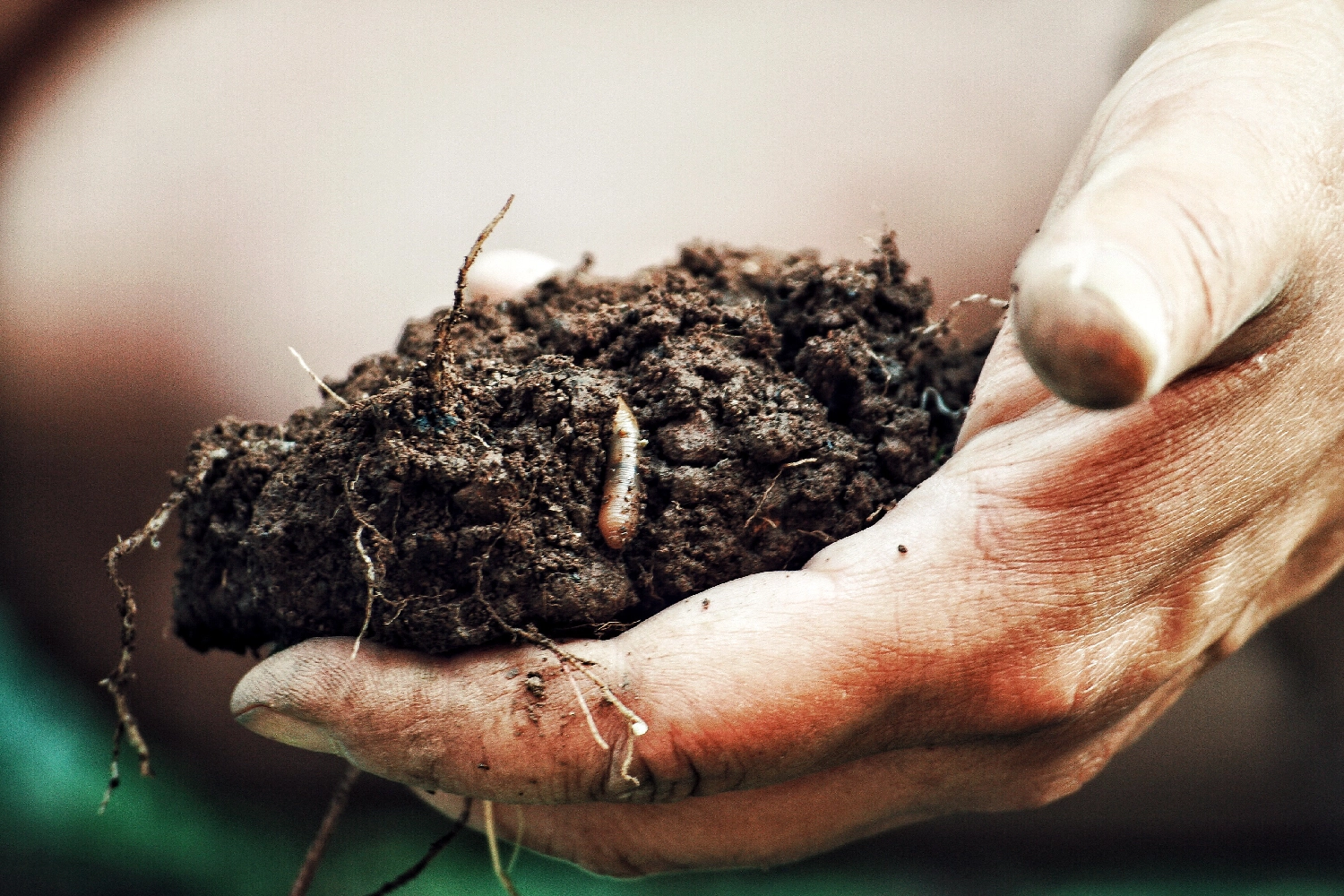
One of the most significant findings from the research is that natural burials contribute organically to the soil environment. When a body is buried without chemical preservatives, decomposition follows natural biological pathways.
The review highlights that:
-
Nutrients such as nitrogen and phosphorus are released gradually
-
Organic matter from the body enriches the soil
-
Microbial and fungal processes are stimulated
-
Nutrients tend to remain close to the burial site initially
These “nutrient hotspots” are generally localised and short-lived, but they actively support soil organisms and contribute to natural cycles.
However, the research emphasises that we need more detailed studies on how far nutrients travel, particularly in different soil types or climates.
Supporting Soil Biodiversity
Healthy soils depend on a vibrant community of organisms. The research suggests that natural burials can support and even increase soil biodiversity.
Key impacts include:
-
A rise in microbial populations during decomposition
-
Increased fungal activity, which is essential for breaking down organic matter
-
Potential boosts to invertebrate populations such as beetles, earthworms, and nematodes
These organisms are vital for soil health, aeration, nutrient cycling, and long-term ecosystem resilience.
The study also notes that we lack long-term data—we do not yet know how soil communities evolve 10, 20, or 50 years after burial. This remains an important area for future research.
Chemical Changes in Soil Are Natural and Usually Localised
As a body decomposes, the surrounding soil experiences temporary changes. According to the review, these may include shifts in:
-
pH levels
-
Mineral concentrations
-
Organic carbon content
These changes are a natural part of decomposition and are typically limited to the immediate area around the grave.
Importantly, because natural burials avoid synthetic materials, toxic metals, and embalming fluids, the environmental risks are low compared with conventional burial practices.
The research calls for more comparative studies to understand how decomposition differs across:
-
Clay, sandy, or loamy soils
-
Wet and dry environments
-
Shallow versus deeper burials
Such information will help refine best practices for burial ground management.
Natural Burials Can Enhance Wider Ecosystem Services
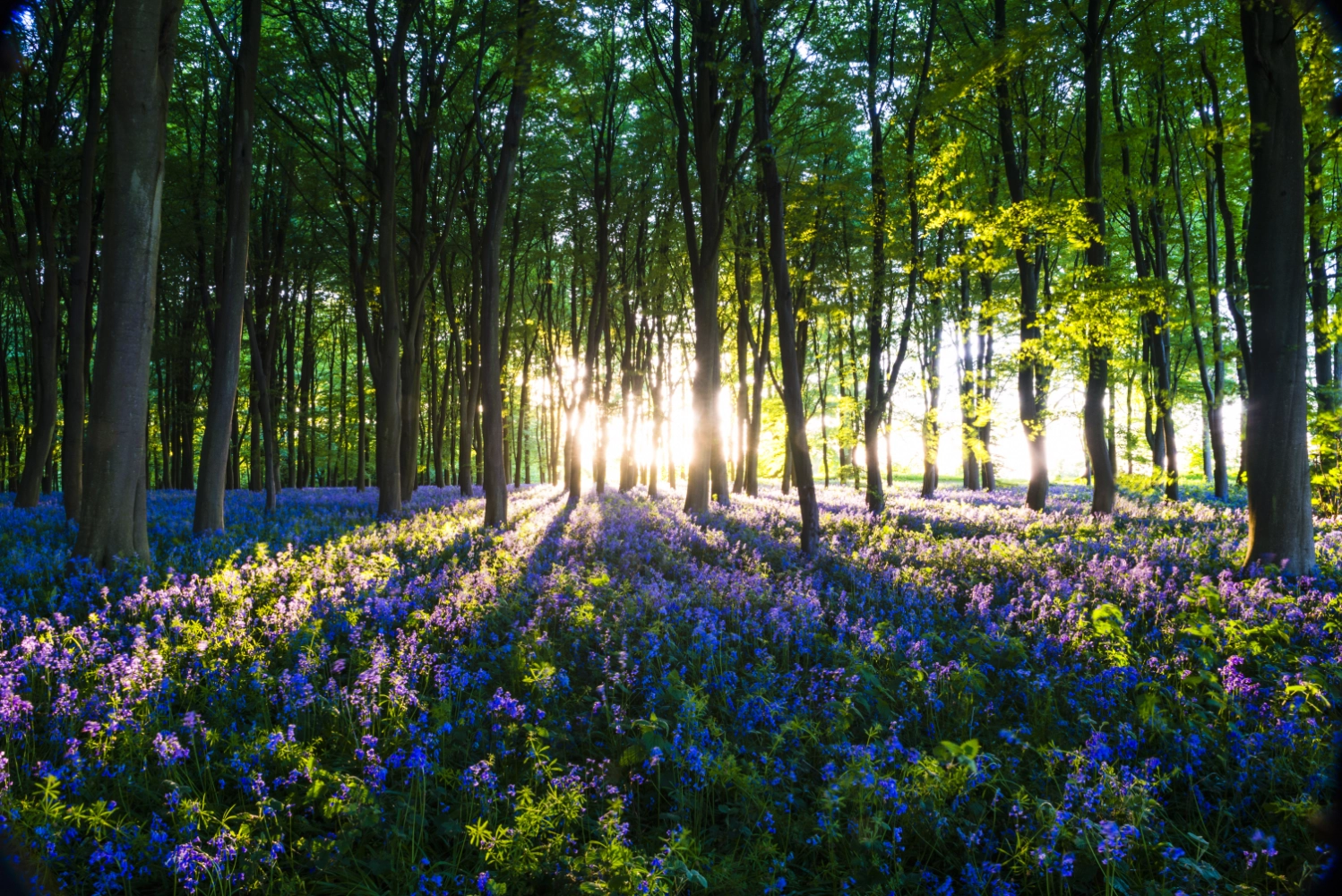
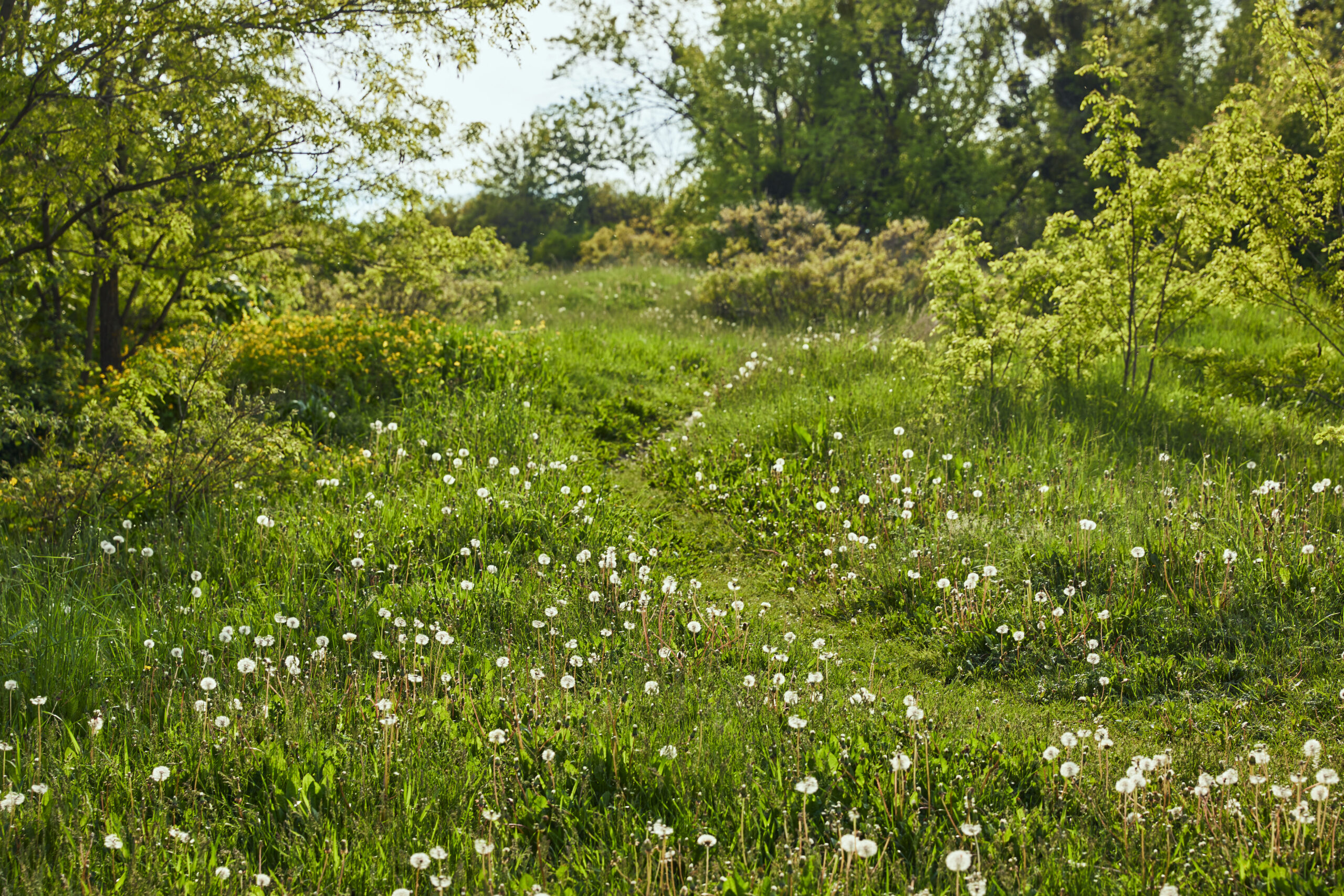
One of the most encouraging messages from the research is that natural burial grounds have the potential to contribute positively to the wider environment, especially when managed as woodlands, meadows, or conservation areas.
They may support:
-
Habitat creation for birds, pollinators, mammals, and insects
-
Biodiversity conservation when sites are managed for nature
-
Carbon sequestration, particularly in woodland burial settings
-
Landscape restoration, especially on previously degraded land
This aligns with the broader environmental goals of many natural burial grounds across the UK, where land is tended in a way that favours wildflowers, trees, and wildlife.
Lower Environmental Impact Than Traditional Burial Methods
Traditional burials commonly involve:
-
Embalming fluids
-
Metal or hardwood coffins
-
Concrete vaults
-
Intensive landscaping practices
By contrast, natural burials avoid these elements, reducing soil contamination and supporting natural decomposition. The research concludes that environmental risks from natural burials are minimal when sites are chosen carefully and burial density is managed responsibly.
Emerging Research Questions
Although the current findings are positive, the study identifies several key questions for future scientific exploration:
1. How do nutrients move through soil over the long term?
This is essential for understanding burial density and long-term soil health.
2. How do different soils influence decomposition rates?
For example, clay soils restrict oxygen flow, while sandy soils drain more freely.
3. What is the long-term impact on soil biodiversity?
Do burial plots remain ecological “hotspots” for years?
4. Can natural burial grounds meaningfully store carbon?
Particularly in woodland and meadow settings.
5. What is the ideal spacing between graves?
More research is needed to define ecologically sustainable burial densities.
These questions help guide operators, policymakers, and environmental organisations as they support the growth of natural burials across the UK.
What This Means for Natural Burial Grounds
The research supports the idea that natural burial grounds can be genuinely beneficial for soil health and broader ecosystem services. They avoid pollutants, return nutrients to the land, and create opportunities for habitat restoration and biodiversity.
For families choosing a natural burial, this reinforces that it is not just an environmentally gentle option—it is also a meaningful way to give something back to the landscape.
Ecosystem Services
Natural burials represent a thoughtful, sustainable alternative to conventional burial methods. The research shows clear potential benefits for soil ecosystems, from nutrient cycling to biodiversity enhancement and habitat creation. While more scientific studies are needed to deepen our understanding, the evidence so far paints a reassuring picture.
Natural burial grounds, when managed sensitively, can become living landscapes that contribute to nature while offering peaceful, meaningful places for remembrance.
Explore Natural Burial Grounds Across the UK
Search our Directory ➜ Natural Burial Grounds Near Me
Find peaceful, eco-friendly burial grounds near you.
Frequently Asked Questions
Soil Health
Yes. Research suggests that natural burials can support soil health by returning organic matter and nutrients to the ground. This process stimulates soil microbes, fungi, and invertebrates, all of which help maintain a healthy soil ecosystem.
Environmental Risk
Environmental risk is considered low when natural burials follow good practice. Without embalming chemicals, metal coffins, or concrete vaults, there are fewer pollutants entering the soil. Burial sites should be carefully chosen to avoid waterlogged areas and protect groundwater.
Decomposition
Support Wildlife
Enrich Soil
Yes. As the body and biodegradable materials break down, nutrients re-enter the soil. This helps support plant growth and contributes to the natural nutrient cycle. Researchers are still studying how far these nutrients travel and how long they remain active.
Carbon Sequestration
Environment
In many ways, yes. Natural burials avoid embalming chemicals, heavy metals, and non-biodegradable materials. They rely on natural processes and often support conservation land management, making them an eco-friendly alternative.
Soil Types
Soil type affects decomposition speed and nutrient movement. For example, sandy soils drain well and may allow nutrients to disperse more quickly, while clay soils hold moisture and slow decomposition. Researchers highlight soil type as an important factor for burial ground planning.
Limited Burials
Yes. Burial density should be managed carefully to protect soil health and ecological balance. The research recommends more study to determine optimal spacing, but most natural burial grounds already set their own limits to ensure sustainability.
Woodland Types
When burials follow best practice—avoiding waterlogged soils, maintaining required distances from water sources, and using biodegradable materials—the risk to groundwater is low. This is supported by current research and UK guidance for burial operators.