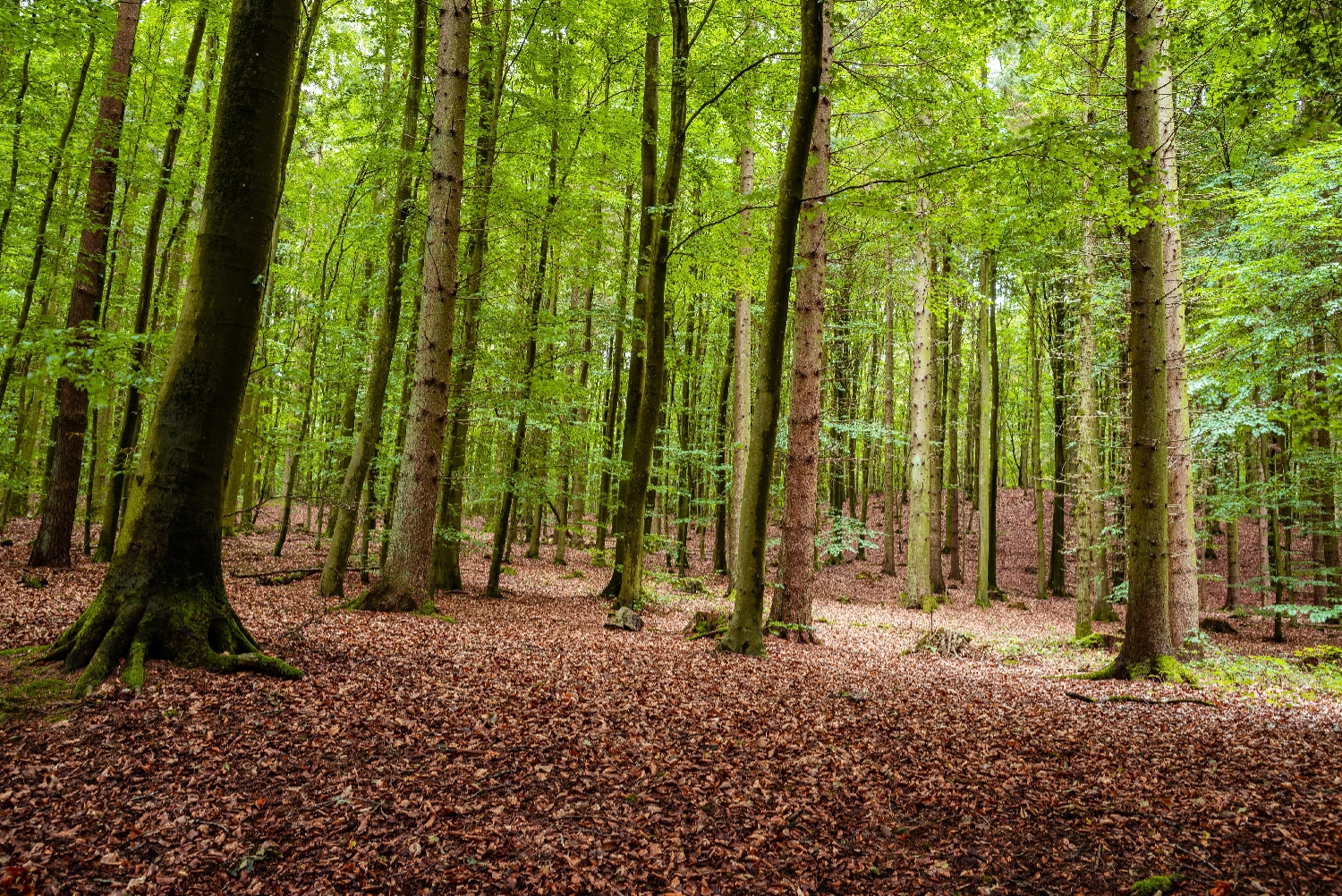
A funeral shroud is one of the oldest and most natural forms of burial wrapping — simple fabric, lovingly tied, offering a peaceful and environmentally friendly way to return to the earth. As more people in the UK explore natural and woodland burials, funeral shrouds are becoming an increasingly thoughtful choice. They embody simplicity, closeness to nature, and a desire to reduce the environmental impact of end-of-life care.
This guide explains what a funeral shroud is, how it is used, what materials are available, and why many families choose this gentle option for a natural burial.
What Is a Funeral Shroud?
A funeral shroud is a biodegradable cloth used to wrap the body before burial or cremation. It replaces the need for a coffin, although some natural burial grounds may require a simple board or stretcher beneath the shroud to support safe handling.
Traditional shrouds were made from linen or cotton, but modern versions come in a range of natural fibres designed to decompose gently and nourish the soil.
Why Choose a Funeral Shroud?
Families often choose a shroud because it feels:
Simple and Natural: Shrouds strip everything back to the essentials. No metal, no varnish, no manufactured box — just soft material that returns to the soil without leaving waste behind.
Environmentally Friendly: Using a funeral shroud avoids
-
Chemically treated wood
-
Imported materials with high carbon footprints
-
Metal fixtures, glues, or plastics
Natural Warm Appearance: Many people find the softness of a shroud comforting. It feels more personal, more human, and more connected to nature.
Supported at Most Natural Burial Grounds: Most natural burial sites welcome shroud burials because they support fast, clean decomposition and minimise environmental impact.
Materials Used for Funeral Shrouds
Funeral shrouds must be entirely biodegradable and typically use natural fibres. Common materials include:
Cotton
Cotton
Soft, breathable and accessible. Unbleached cotton is often preferred as it avoids dyes. Some offer natural dye options
Why it’s a good choice:
Cotton is soft, familiar, and easy to work with, making it a popular fabric for funeral shrouds. It drapes naturally around the body and decomposes well in the soil. Many families like cotton because it feels gentle and comforting.
Environmental considerations:
Conventional cotton can be resource-intensive to grow, requiring large amounts of water and, in some regions, pesticides. However, cotton grown in Europe (Turkey) would have a smaller environmental footprint because of travel.
Organic Funeral Shroud option:
Organic cotton is grown without synthetic chemicals, supporting soil health and reducing water pollution. If you want the most sustainable cotton shroud, organic or certified natural cotton is the preferable choice.
Travel impact:
Cotton is imported from all around the World, including Asia or the USA, which increases its carbon footprint.
Linen Shrouds (Flax Fibre)
Why it’s a good choice:
Linen is one of the oldest burial materials in history. It’s beautifully strong, naturally breathable, and breaks down cleanly in the soil. Linen fibres also require fewer chemicals during production compared to cotton.
Environmental considerations:
Flax — the plant linen comes from — grows well in cooler European climates and needs far less water than cotton. It can be cultivated with minimal inputs, making it one of the most environmentally gentle textile crops.
Organic option:
Organic linen is widely available, especially from European growers. It’s an excellent choice for those seeking a low-impact, historically traditional burial fabric.
Travel impact:
Most linen used in the UK comes from Belgium, France, or Ireland — relatively short transport distances with a much lower carbon impact than overseas imports.
Wool Shrouds
Wool shrouds are often undyed and can be sourced locally.
Why it’s a good choice:
Wool is warm, tactile, and commonly used in British-made eco-friendly coffins and shrouds. It's naturally fire-resistant (useful for cremation approval), breathable, and decomposes steadily while supporting soil microbes.
Environmental considerations:
Wool is often a by-product of farming, meaning it has very low transport miles and supports local agricultural systems. It requires no synthetic inputs to grow and is biodegradable even when felted or lightly processed.
Organic option:
Organic wool is available in the UK, sourced from farms that follow high animal-welfare and sustainable grazing practices. This makes it the most locally rooted and environmentally supportive fabric option for a shroud.
Travel impact:
When wool is sourced from UK flocks, travel impact is minimal. Imported wool (e.g., from New Zealand) carries a much higher carbon footprint, so UK-made shrouds are strongly preferred for eco-friendly burial.
Hemp Shrouds
Why it’s a good choice:
Hemp is incredibly strong, naturally antimicrobial, and one of the most sustainable fibres available. It decomposes readily and tends to require very little water compared to cotton.
Environmental considerations:
Hemp grows quickly, enriches soil structure, and needs few or no pesticides. Its environmental footprint is low, even before considering biodegradability.
Organic option:
Organic hemp is widely produced and avoids chemical retting processes. It’s one of the best materials for those seeking a truly minimal-impact shroud.
Travel impact:
UK-grown hemp is increasing but not yet widespread. Many hemp fabrics are imported from Europe or China — European-sourced hemp has a significantly smaller travel footprint. Choosing European hemp supports lower emissions and higher environmental standards.
Bamboo Shrouds
Why some people choose it:
Bamboo fibre is soft, smooth, and often marketed as an eco-textile because the plant grows rapidly and requires no replanting. It's pleasant to handle and feels gentle against the skin.
Environmental considerations:
The catch is that producing bamboo fabric often involves heavy chemical processing to turn the tough plant fibres into soft viscose. This reduces its “green” credentials unless the fabric is certified as mechanically processed (much rarer).
Organic option:
Certified organic bamboo textiles exist but are less common. Where available, they help reduce chemical inputs but do not eliminate concerns around processing methods.
Travel impact:
Almost all bamboo is imported from Asia, usually China. This gives bamboo shrouds a significantly higher carbon footprint compared to UK or EU materials. If choosing bamboo, ensure it comes from a reputable supplier with environmental certifications.
Blended Natural Fabrics
Some shrouds use blends such as cotton–linen or hemp–cotton.
Why these blends work well:
They balance softness, durability, affordability, and biodegradability. Families often appreciate the tactile feel and natural drape.
Environmental considerations:
Choose blends where both fibres are natural and untreated. Avoid any synthetic additions, even small percentages, as they will not biodegrade fully.
Travel impact:
Sourcing transparency matters — UK-made blends are ideal, followed by European textiles with known environmental standards.
Most Eco-Friendly Choices
Most burial grounds simply ask that the material is natural and untreated, which helps uphold environmental aims
If you’re aiming for the lowest environmental impact, the top options are:
-
UK wool – extremely low travel miles, fully natural, widely accepted.
-
Organic linen (EU-grown) – low-water crop, minimal chemicals, short transport distance.
-
Organic hemp (EU-grown) – highly sustainable, fast-growing, low-input crop.
These materials not only break down cleanly in the soil but also support the broader environmental aims of natural burial
How a Funeral Shroud Is Used in a Natural Burial
A shroud burial is a gentle and straightforward process. While each burial ground has its own policy, the general steps usually look like this:
1. Wrapping the Body
The shroud is placed beneath the body and then folded or tied securely. Some shrouds come pre-shaped with sewn panels; others are flat sheets tied with ribbons or cords.
2. Using a Carrying Board (If Required)
Natural burial grounds often ask for a simple wooden board or biodegradable stretcher underneath the shroud. This prevents soil compression and makes lowering the body safe for both staff and families.
3. Lowering Into the Grave
The shrouded body is lowered carefully, sometimes by the family, sometimes with the support of staff.
4. Returning to the Earth
As the shroud decomposes, it allows natural processes to occur without obstruction, supporting soil organisms and preserving a natural burial environment
Benefits of Choosing a Funeral Shroud for Natural Burial
Lower Environmental Impact: Shrouds generally produce a smaller carbon footprint compared to coffins, especially when made from UK-sourced materials.
Cost-Effective: Many families choose shrouds because they are typically more affordable than even the simplest eco coffin.
Deeply Personal: Shrouds can be customised — with handwoven fabric, natural dyes, embroidery, or simple ribbons. This allows families to create something meaningful and unique.
Historically Traditional: Before the modern coffin, shrouds were the norm in Britain. Many people appreciate returning to a quiet, age-old practice.
Perfect for Woodland and Meadow Burials: Shrouds support the key purpose of natural burial: allowing the body to return gently to the landscape without barriers or materials that might hinder decomposition.
Types of Funeral Shrouds
Simple Fabric Shrouds
Unadorned, minimalist, biodegradable, suitable for most burial grounds.
Structured Shrouds
Come with sewn handles and reinforced seams for safe lifting, often used in place of stretchers.
Decorative or Ceremonial Shrouds
Include embroidered borders, natural dyes, or patterns that reflect personal identity or family wishes.
Home-Made Shrouds
Some families choose to create their own using natural fabrics. This is legally allowed in the UK as long as burial ground requirements are met.
Funeral Shrouds vs Eco Coffins: Which Is Right for You?
Both shrouds and eco-coffins offer environmentally friendly options, and the choice often comes down to practical preferences.
| Eco Coffin | Funeral Shroud |
|---|---|
| Provides structure for carrying | May require a board or stretcher |
| Feels familiar to traditional funerals | Offers maximum simplicity |
| Materials vary (willow, wicker, wool, cardboard) | Usually a single natural fabric |
| Slightly higher cost | Generally the most affordable option |
| Slower decomposition | Very quick decomposition |
Shrouds appeal to those who want the most natural, minimalistic return to the earth
Are Funeral Shrouds Allowed at All Natural Burial Grounds?
Most natural burial grounds in the UK allow shroud burials — many even prefer them.
However, they may request:
-
A biodegradable board beneath the shroud
-
Natural fibres only
-
No plastic, metal or synthetic materials
-
Weight support considerations for safe handling
It’s always best to check with the burial site ahead of time.
Choosing a Funeral Shroud: What to Consider
When selecting a shroud, think about:
-
Material – natural, breathable, biodegradable
-
Origin – UK-made or sustainably sourced
-
Support needs – does the site require a board?
-
Environmental aims – the lighter the footprint, the better
-
Aesthetic preferences – plain, patterned, minimally decorated
-
Budget – shrouds tend to be cost-effective
Many families choose shrouds because they align beautifully with values of simplicity, sustainability, and connection to nature
Eco Friendly Burial
A funeral shroud offers one of the most natural, gentle, and environmentally conscious burial choices available today. Whether chosen for simplicity, sustainability, personal preference, or spiritual reasons, a shroud allows the body to return to nature with minimal impact and maximum dignity.
If you’re exploring eco-friendly end-of-life options, you may also find it helpful to read:
Explore Natural Burial Grounds Across the UK
Search our Directory ➜ Natural Burial Grounds Near Me
Find peaceful, eco-friendly burial grounds near you.
Frequently Asked Questions
Shroud Legal
Yes. There is no legal requirement to use a coffin. A shroud is fully permitted as long as burial ground guidelines are followed.
Shroud
Most do, but some require a board for handling. Always check local rules.
Make Your Own Burial Shroud
Yes — using fully biodegradable, natural fabrics such as cotton, linen, wool or hemp.
Designs and Sewing Patterns for Burial Shroud: CINDEA
Woodland Burials
Decompose
Natural fabrics break down relatively quickly — often within months to a couple of years, depending on soil conditions.
Cremation
Yes, as long as it contains no metal or synthetic materials.
Imported
Generally yes. Shrouds tend to be the most affordable eco-friendly burial option.
You can get individual created shrouds which are more expensive than a basic plan one