How Burials Return Carbon to the Earth in The Global Carbon Cycle.
Every living thing contains carbon. From towering trees to microscopic organisms, carbon is one of the fundamental building blocks of life on Earth. When life ends, that carbon does not disappear — it continues its journey through the natural world.
Decomposition plays an essential role in the global carbon cycle. Through natural biological processes, carbon stored in plants, animals, and human bodies is gradually returned to soils, air, and living ecosystems. This quiet, ongoing process helps maintain balance within natural systems and supports the regeneration of life.
In the context of natural burial, understanding decomposition and the carbon cycle offers a clearer picture of how environmentally gentle burial practices fit within wider ecological processes.
Understanding the Global Carbon Cycle
The global carbon cycle describes how carbon moves through the Earth’s systems. It is a continuous exchange between several major carbon “stores”.
The main components of the carbon cycle include:
-
The atmosphere (carbon dioxide and other gases)
-
Living organisms (plants, animals, microorganisms)
-
Soils (organic matter and stored carbon)
-
Oceans (dissolved carbon)
-
Geological systems (rocks and fossil fuels)
Carbon moves between these systems through processes such as photosynthesis, respiration, decomposition, and combustion. Decomposition is one of the key biological pathways that keeps carbon circulating rather than locked away unnaturally.
What Is Decomposition?
Decomposition is the natural breakdown of organic material after death. It is driven primarily by microorganisms such as bacteria and fungi, supported by soil organisms including insects and worms.
During decomposition:
-
Complex organic molecules are broken down into simpler compounds
-
Carbon stored in tissues is released gradually
-
Nutrients are returned to soil systems
-
Energy is transferred through food webs
This process is neither fast nor uniform. It varies depending on soil type, moisture, temperature, oxygen availability, and the materials surrounding the body.
How Decomposition Moves Carbon Through Ecosystems
When organic matter decomposes, carbon follows several pathways.
Carbon Returned to the Soil
A significant portion of carbon becomes part of soil organic matter (SOM). This carbon can remain stored in soils for years or even decades, particularly in stable soils with healthy microbial communities.
Soil carbon:
-
Improves soil structure
-
Supports water retention
-
Feeds soil organisms
-
Enhances plant growth
Healthy soils are one of the planet’s most important carbon stores.
Carbon Released into the Atmosphere
Some carbon is released as carbon dioxide through microbial respiration. This is a natural part of the carbon cycle and has occurred for millions of years.
Crucially, this release is gradual, allowing surrounding vegetation to absorb carbon through photosynthesis. In natural systems, this creates a balanced exchange rather than a sudden spike.
Carbon Absorbed by Plants and Trees
Plants absorb carbon dioxide from the atmosphere and convert it into biomass through photosynthesis. In natural burial grounds, this process may be supported by:
-
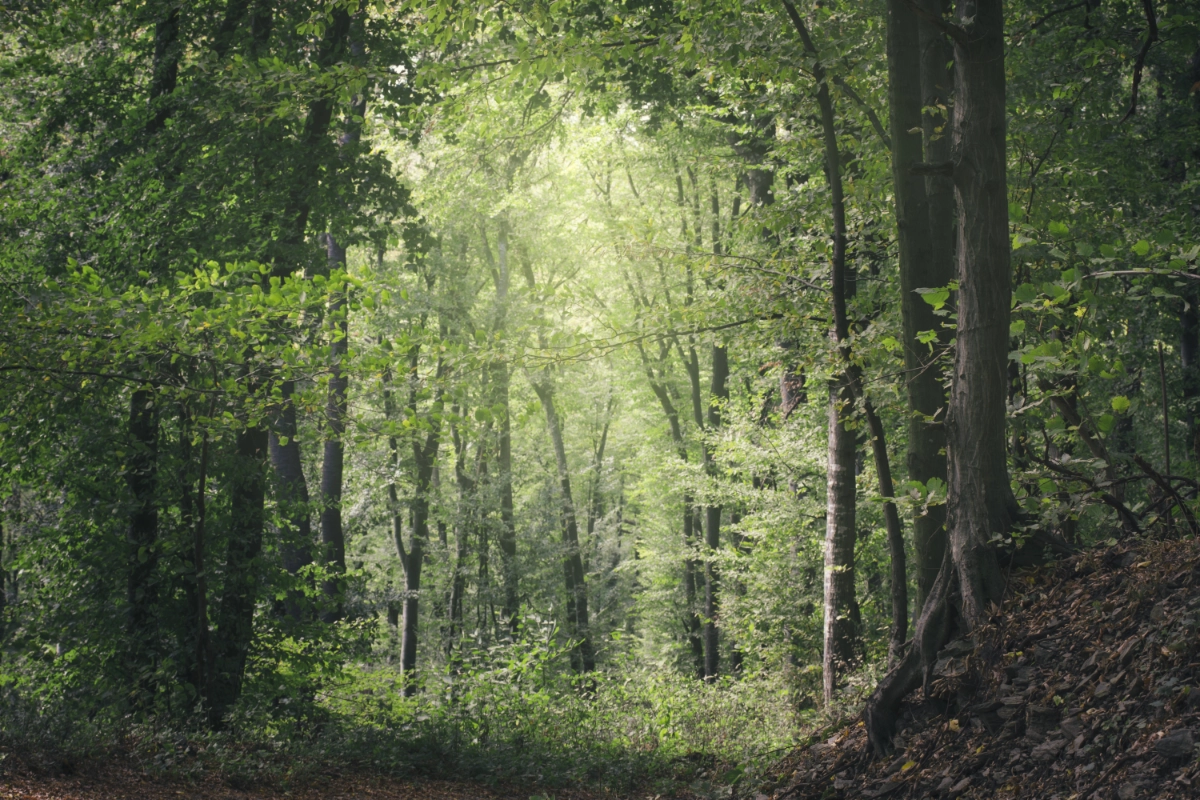
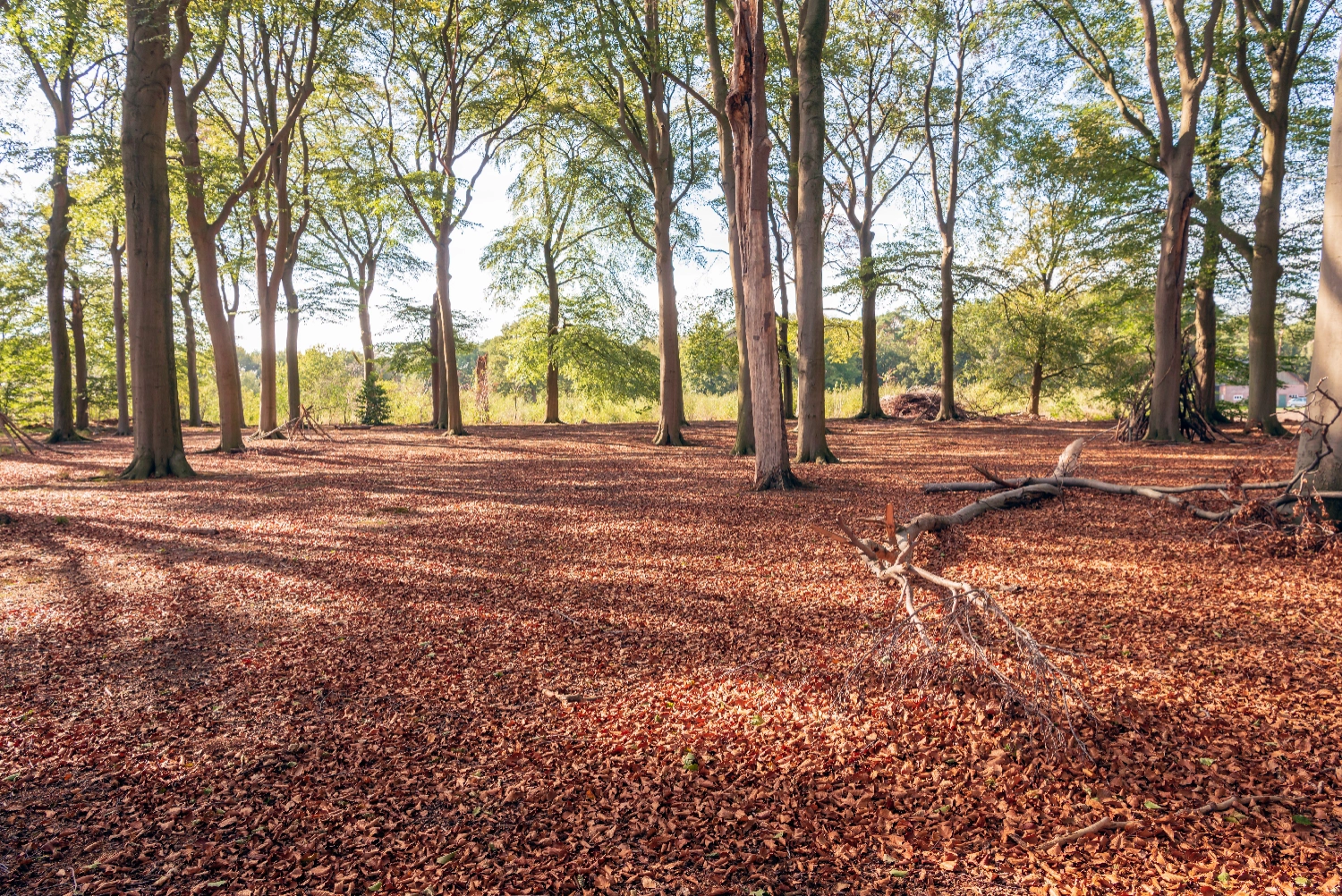
Woodland planting
-
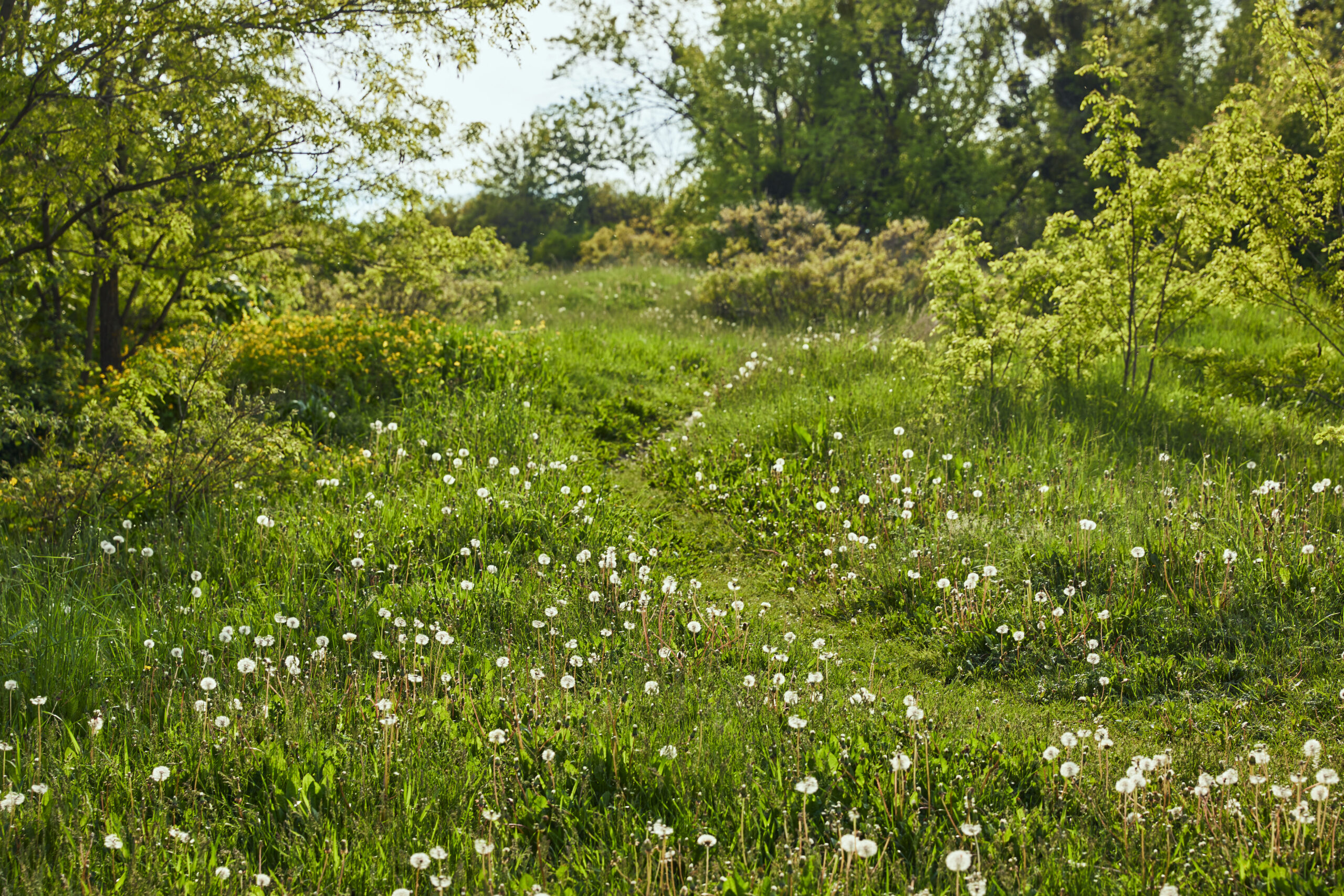
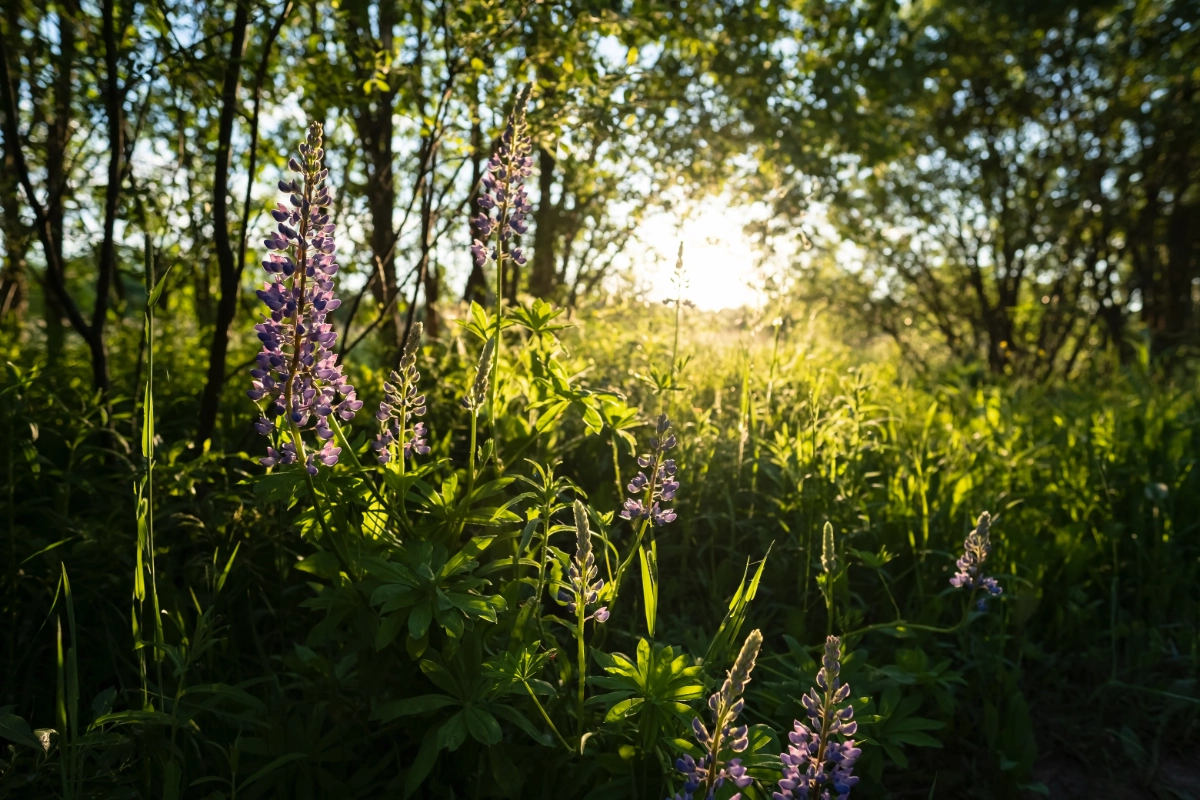
Wildflower meadows
-
Hedgerows and native vegetation
Over time, carbon released through decomposition can be re-captured by living plants, continuing the cycle.
Soil Microorganisms: The Carbon Mediators
Microorganisms are central to carbon cycling. Without them, organic matter would accumulate and ecosystems would stall.
Microbial activity:
-
Converts organic carbon into stable soil carbon
-
Regulates how quickly carbon is released
-
Supports long-term carbon storage in soils
-
Connects decomposition to plant growth
In natural burial grounds, protecting microbial life is one reason why practices such as embalming, sealed vaults, and non-biodegradable materials are generally avoided.
Decomposition Versus Carbon Lock-Up
Not all forms of burial allow carbon to move naturally through ecosystems.
Practices that slow or isolate decomposition may:
-
Delay nutrient and carbon return to soil
-
Interrupt microbial activity
-
Prevent carbon from contributing to soil health
Natural burial approaches aim to work with natural processes rather than against them, allowing carbon to re-enter ecological systems in a measured, balanced way.
Decomposition in Woodland and Conservation Burials
In woodland and conservation burial sites, decomposition takes place within actively managed ecosystems.
These landscapes often:
-
Store carbon in trees and soils
-
Support long-term habitat creation
-
Encourage soil regeneration
-
Provide carbon sinks through vegetation growth
While decomposition does release carbon dioxide, the surrounding environment plays a role in absorbing and storing that carbon over time.
This interconnected approach aligns closely with broader conservation and land stewardship goals.
Decomposition Compared with Other End-of-Life Options
From a carbon perspective, different end-of-life choices interact with the carbon cycle in different ways. Carbon footprint of different options:
Natural Decomposition:
-
Gradual carbon release
-
Soil carbon storage
-
Integration with plant growth
Cremation:
-
Rapid carbon release through combustion
-
High energy input
-
Immediate atmospheric emissions
Conventional burial with embalming:
-
Slower decomposition
-
Chemical interference with soil processes
-
Reduced microbial activity
These differences help explain why many people interested in environmental impact explore natural burial options.
The Importance of Time in the Carbon Cycle
One of the most important aspects of decomposition is timescale.
Natural systems operate slowly. Carbon is released, absorbed, stored, and reused over months, years, and decades. This steady rhythm allows ecosystems to adapt and remain balanced.
Sudden or energy-intensive carbon releases can disrupt this balance. Natural decomposition, by contrast, mirrors the pace of surrounding ecosystems.
Carbon, Nature, and Long-Term Thinking
The carbon cycle reminds us that nothing exists in isolation. Every process is connected — soil to plant, plant to atmosphere, atmosphere back to soil.
Natural burial does not remove carbon from the system, nor does it claim to eliminate environmental impact entirely. Instead, it allows carbon to move through natural pathways, guided by biology rather than technology.
This perspective reflects a broader shift toward working with nature, recognising limits, and valuing long-term ecological health over short-term solutions.
Global Carbon Cycle
Decomposition plays a quiet but essential role in the global carbon cycle. Through the work of microorganisms, organic matter is transformed, carbon is redistributed, and ecosystems are nourished.
In natural burial settings, decomposition becomes part of a wider ecological story — one that connects soil, plants, atmosphere, and time. Rather than isolating death from nature, natural burial allows carbon to continue its journey, supporting life long after life has ended.
Understanding this process helps place natural burial within the broader context of environmental responsibility, ecological balance, and respect for natural cycles.
Explore Natural Burial Grounds Across the UK
Search our Directory ➜ Natural Burial Grounds Near Me
Find peaceful, eco-friendly burial grounds near you.