Green burial grounds offer a more environmentally conscious alternative to traditional burial and cremation, focusing on simplicity, sustainability, and a closer connection to nature. For many people, they provide a gentle way to honour life while minimising environmental impact.
Across the UK, green burial grounds are becoming increasingly popular as individuals and families seek funeral options that reflect their values — care for the land, wildlife, and future generations. These burial grounds are designed to work with nature, rather than against it.
This guide explains what green burial grounds are, how they work, what makes them different from conventional cemeteries, and how to find one that feels right for you or a loved one.
What Are Green Burial Grounds?
Green burial grounds are burial sites that prioritise environmental sustainability and natural processes. They avoid practices that can harm the soil, water, or surrounding ecosystems and instead aim to support biodiversity and long-term land stewardship.
While the term “green burial” is often used interchangeably with natural burial, green burial grounds usually place particular emphasis on ecological outcomes, such as habitat restoration, woodland creation, or meadow conservation.
Most green burial grounds are set within:
-
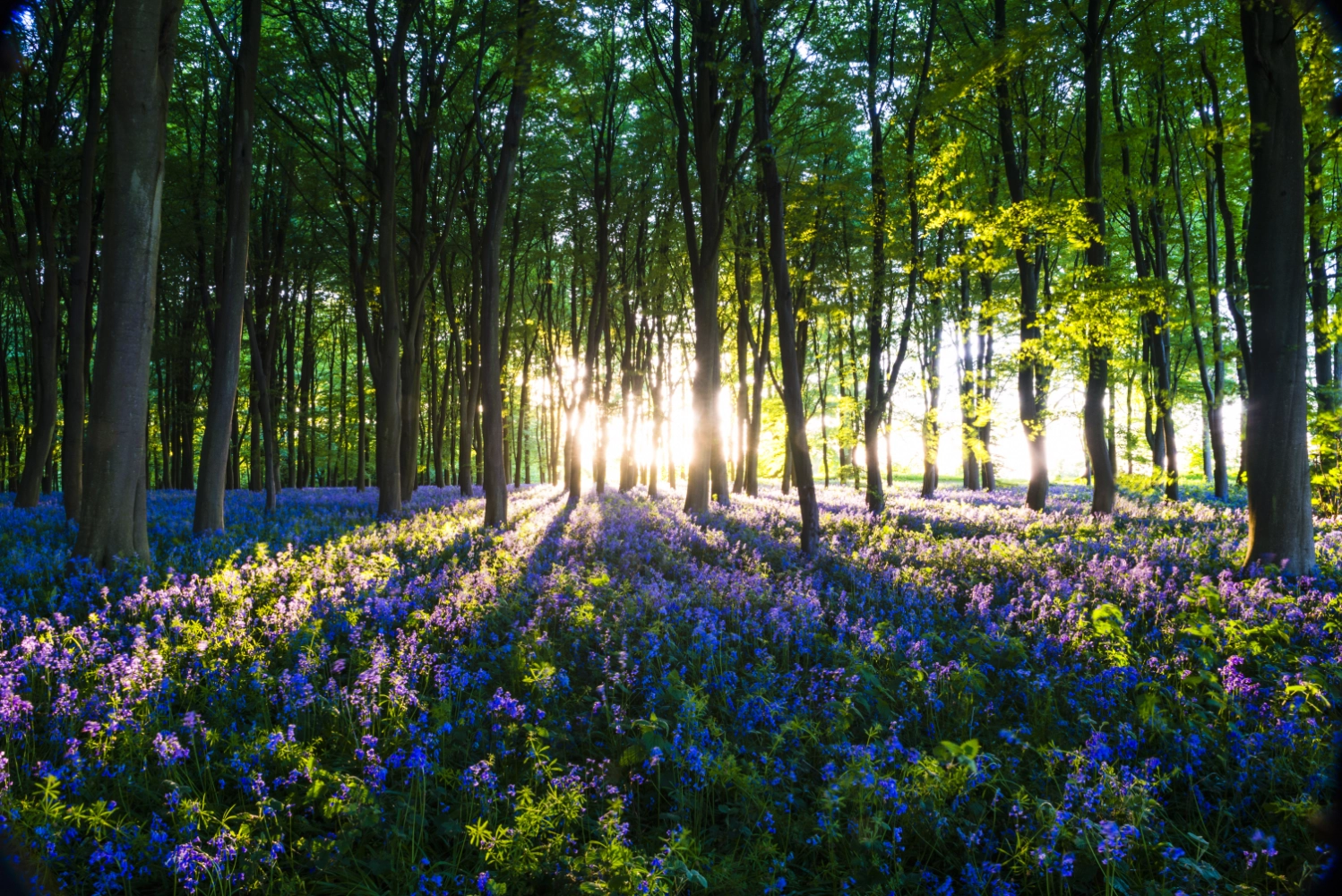
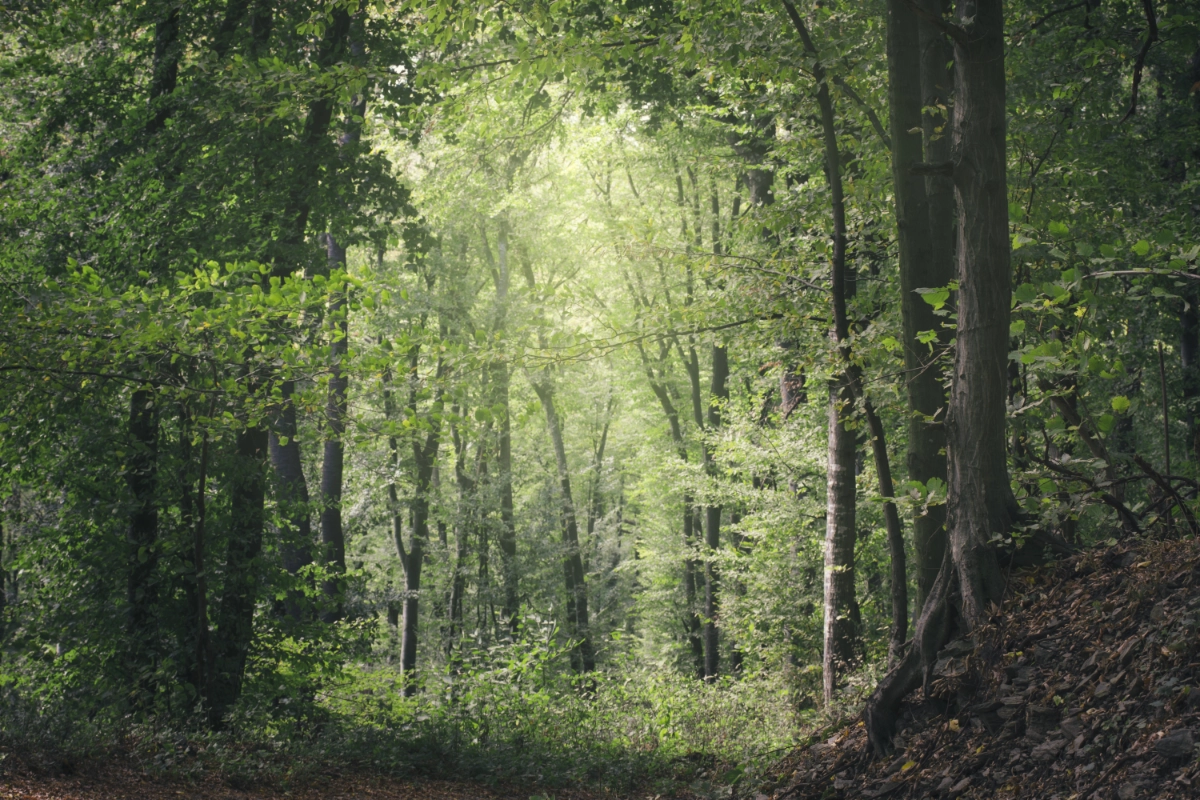
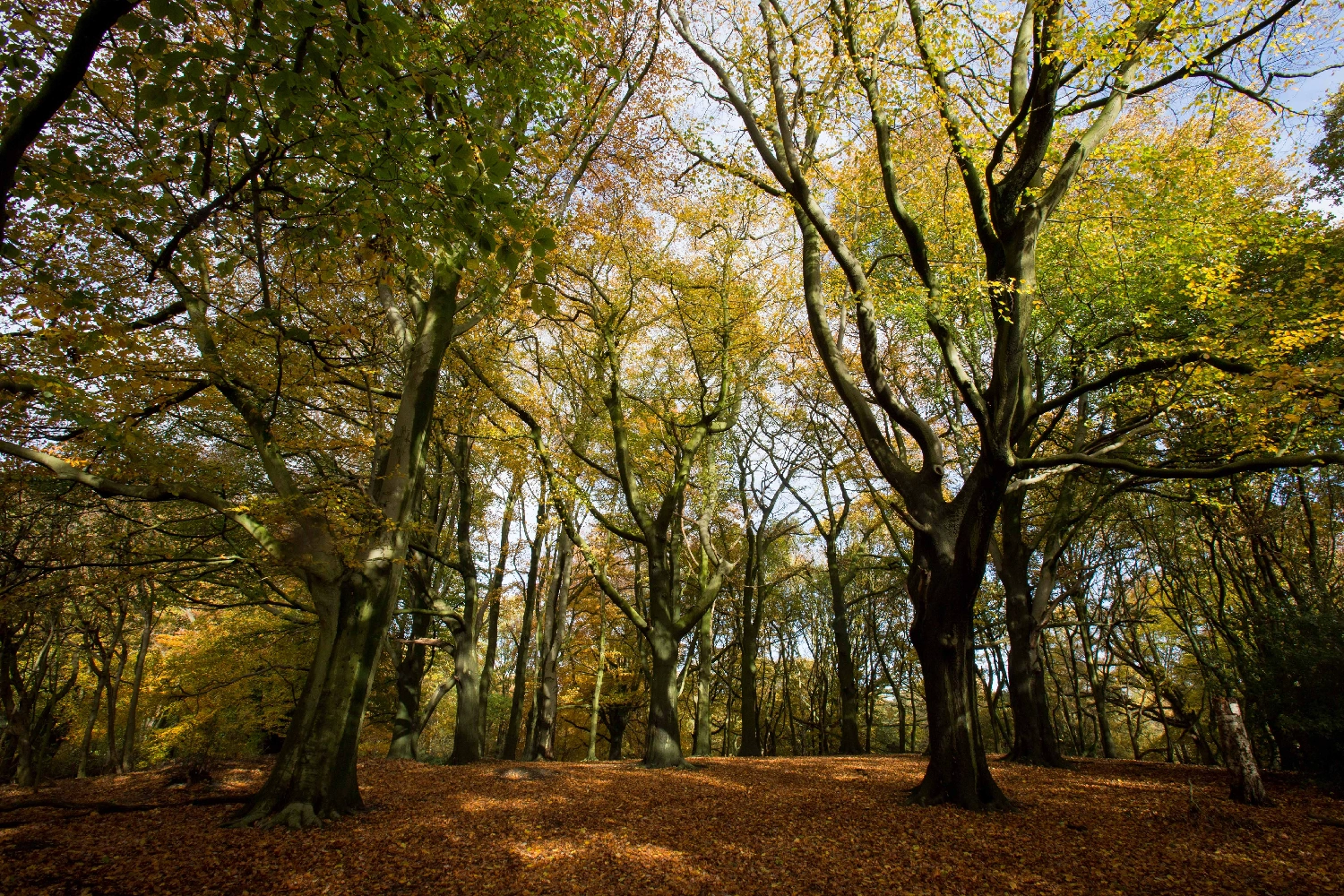
Woodlands
-
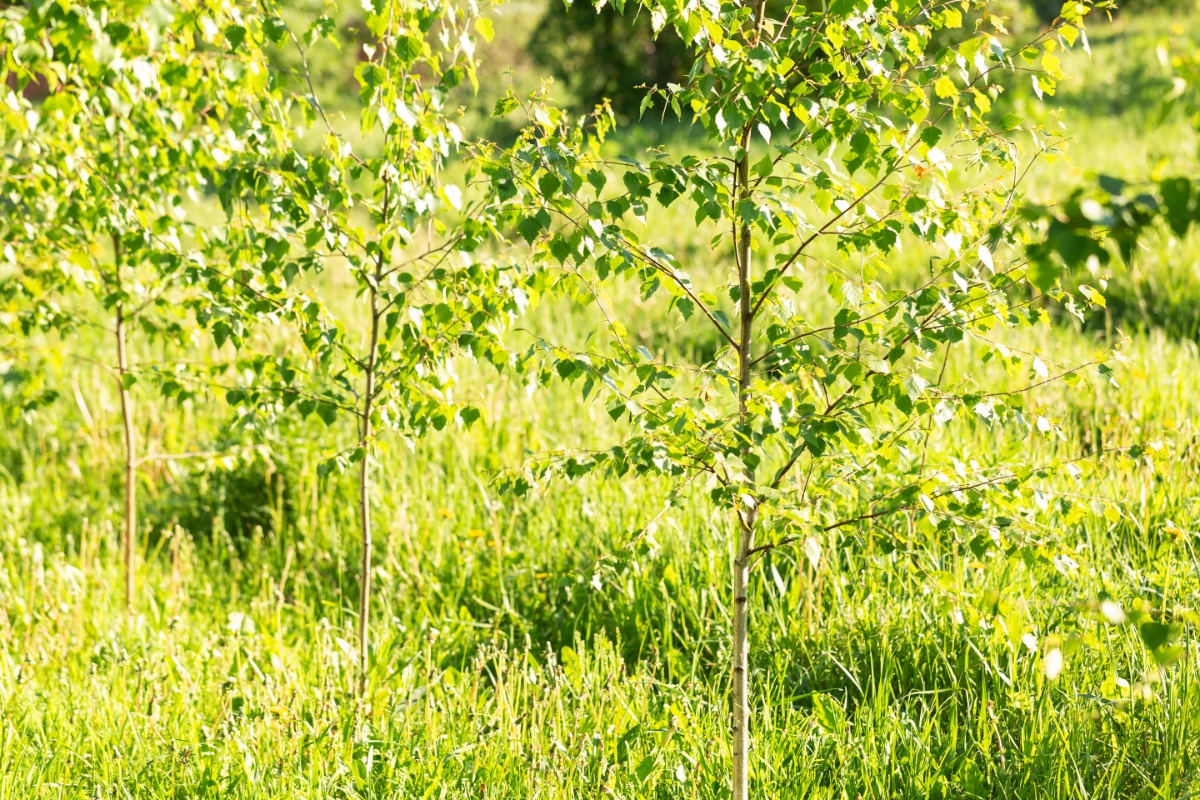
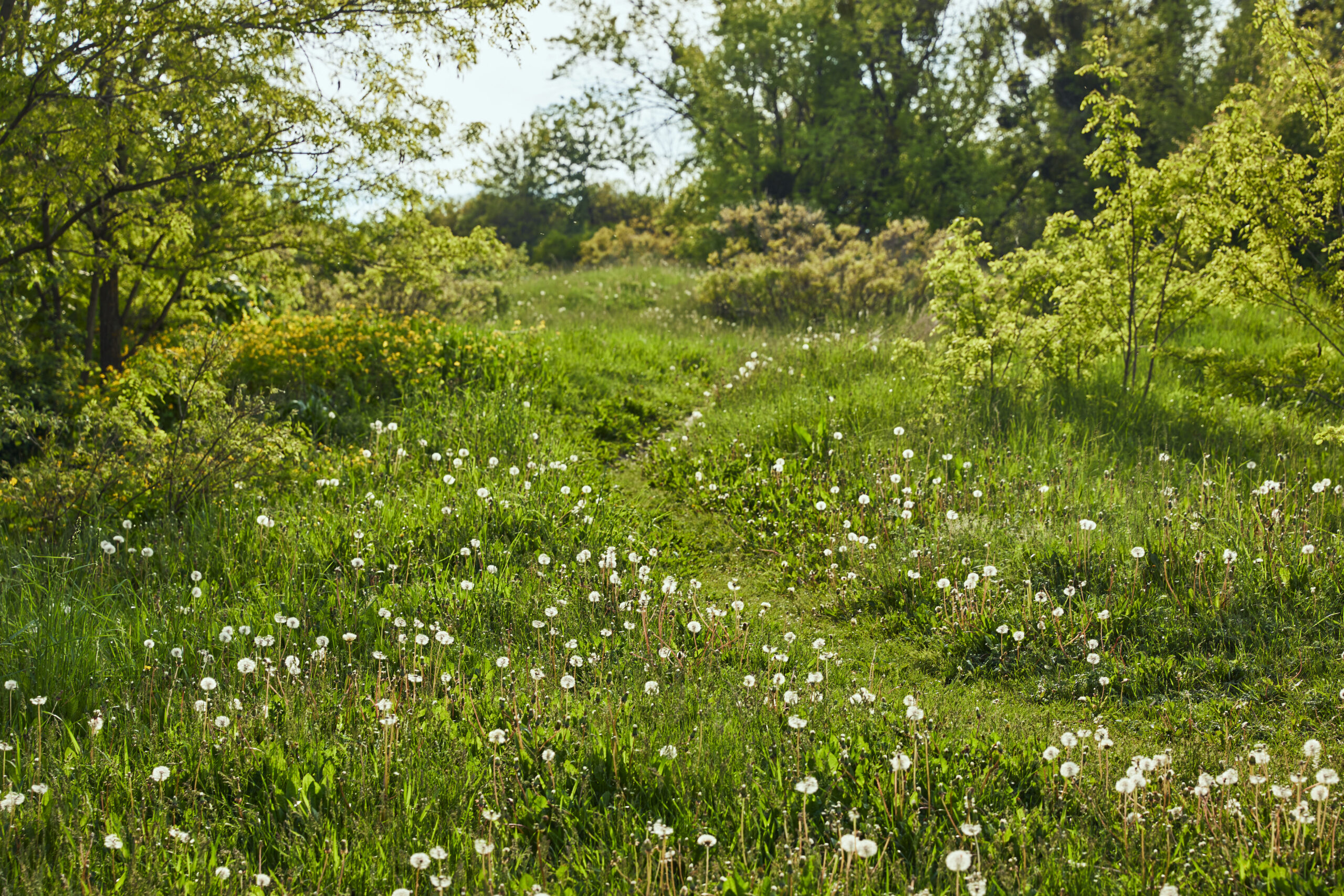
Meadows or grassland
-
Nature reserves
-
Farmland being restored for conservation purposes
- Creating new woodlands
They are designed to feel peaceful and natural, rather than formal or heavily landscaped.
How Green Burial Grounds Work
A burial in a green burial ground follows a simpler process than a conventional cemetery burial, with fewer materials and less intervention.
Typically, this includes:
-
Burial without embalming fluids
-
Use of biodegradable coffins, caskets, or burial shrouds
-
Graves dug to a natural depth
-
Minimal or natural grave markers
-
Land managed for wildlife and conservation
Many green burial grounds limit or prohibit materials that do not break down naturally, such as metal fittings, concrete liners, or synthetic fabrics.
The aim is to allow the body and burial materials to return naturally to the soil over time, supporting soil health rather than disrupting it.
Green Burial Grounds vs Traditional Cemeteries
Understanding the differences can help people decide which option aligns best with their wishes.
Traditional cemeteries often involve:
-
Concrete grave liners or vaults
-
Embalming chemicals (formaldehyde)
-
Long-lasting headstones
-
Manicured lawns and formal layouts
-
Ongoing maintenance and landscaping
Green burial grounds focus on:
-
Biodegradable materials only
-
Natural decomposition
-
Woodland, meadow, or grassland settings
-
Conservation-led land management
-
Low-impact memorials
For many families, green burial grounds feel less formal and more in keeping with a desire for simplicity and environmental care.
Environmental Benefits of Green Burial Grounds
Green burial grounds are designed to reduce environmental impact while actively supporting nature.
Reduced Carbon Footprint: Green burials avoid many carbon-intensive elements of conventional funerals, such as cremation, concrete production, and chemical embalming.
Healthier Soil: By using biodegradable materials and avoiding chemicals, green burial grounds help protect soil organisms and natural nutrient cycles.
Biodiversity and Habitat Creation: Many green burial grounds are managed as:
-
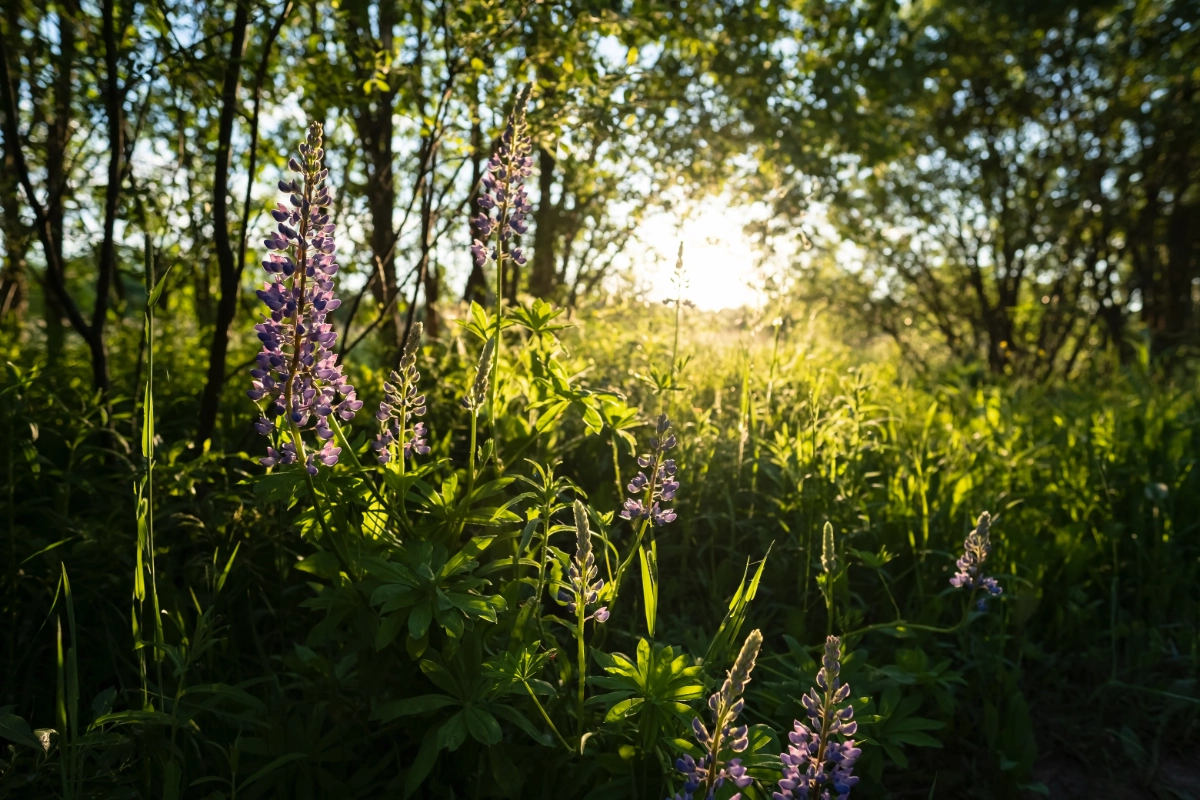
Wildflower meadows
-
Native woodland
-
Mixed habitats supporting birds, insects, and mammals
Over time, burial grounds can become important local wildlife corridors.
Long-Term Land Protection: Some green burial grounds place legal protections on the land, ensuring it remains undeveloped and cared for as green space for generations.
What Can You Be Buried In at a Green Burial Ground?
Most green burial grounds have clear guidelines about what materials are permitted.
Common options include:
-
Willow or wicker coffins
-
Solid wood coffins with no metal fixings
-
Burial shrouds made from cotton, linen, wool, or hemp
Many green burial grounds allow burial without a coffin, using only a shroud. It’s always important to check individual site rules, as requirements can vary.
Memorials and Markers in Green Burial Grounds
Green burial grounds usually avoid traditional headstones. Instead, memorials are designed to blend into the landscape.
Common alternatives include:
-
Small wooden plaques
-
Natural stone markers flush with the ground
-
Memorial trees or native planting
-
GPS plot recording instead of physical markers
The intention is to maintain a natural appearance while still allowing families to remember and visit loved ones.
Are Green Burial Grounds Legal in the UK?
Yes — green burial grounds are legal across the UK, but they must follow burial laws and local authority requirements.
Key considerations include:
-
Burial depth regulations
-
Distance from water sources
-
Soil suitability
-
Record-keeping and registration
Rules can differ slightly between England, Wales, Scotland, and Northern Ireland. Reputable green burial grounds will manage all legal requirements and guide families through the process.
How to Choose a Green Burial Ground
Choosing a natural burial ground is a personal decision. Visiting a green burial ground often helps people feel whether it’s the right fit.
When researching, consider:
-
Location and accessibility
-
The landscape (woodland, meadow, mixed habitat)
-
Burial options offered (coffin, shroud, woodland burial)
-
Memorial rules
-
Long-term land protection and management
Many people also value burial grounds that are part of wider conservation or rewilding projects.
Finding Green Burial Grounds Near Me
Green burial grounds can be found throughout the UK, in both rural and semi-rural settings. Some are run by local authorities, while others are independently managed or linked to conservation organisations.
Using our dedicated directory makes it easier to compare sites, understand their approaches, and find options close to home. We have a Natural Burial Grounds Near Me Map.
Green Burial Grounds
Green burial grounds offer a meaningful, environmentally responsible way to say goodbye — one that respects both people and the planet. By working in harmony with nature, these burial grounds provide peaceful spaces for remembrance while supporting wildlife, soil health, and long-term land care.
For those seeking a simpler, more sustainable alternative to conventional burial, green burial grounds are a thoughtful and increasingly accessible option.
Explore Natural Burial Grounds Across the UK
Search our Directory ➜ Natural Burial Grounds Near Me
Find peaceful, eco-friendly burial grounds near you.
Frequently Asked Questions
Woodland Burials
They are closely related. Woodland burial grounds are a type of green burial ground, but green burial grounds can also include meadows or grassland sites.
Burial Costs
Costs vary, but green burials are often less expensive due to fewer materials and simpler processes.
Green Burials
Green Burials
Decompose
Most green burial grounds allow advance plot reservations, which can be reassuring for future funeral planning.