When Grief Meets the Natural World
Grief is not a straight path. It moves quietly, unexpectedly, and often differently for each person. For many people living with loss, words can feel insufficient, and traditional spaces of mourning may feel too formal, busy, or detached from what they need in that moment.
Across cultures and time, people have turned to nature during periods of grief. Woodlands, rivers, gardens, and open land have long offered places of stillness, reflection, and connection. Today, this instinct remains strong — and is one reason why green spaces, including natural burial grounds, are increasingly recognised as supportive environments for bereavement and remembrance.
This article explores the relationship between grief and nature, how green spaces can gently support healing, and why natural environments — particularly woodland and conservation burial grounds — can offer comfort without expectation or pressure.
Understanding Grief as a Human and Natural Experience
Grief is a universal human response to loss, yet it remains deeply personal. It may include sadness, numbness, anger, confusion, or moments of calm that feel unexpected or even unsettling. There is no fixed timeline and no “right” way to grieve.
What many people share, however, is a desire for space — physical and emotional — to process what has happened. Quiet environments, away from noise and urgency, can help create that space.
Nature mirrors many aspects of grief:
-
Cycles of loss and renewal
-
Periods of dormancy followed by growth
-
Change that unfolds slowly and unevenly
For some, simply being in a natural setting makes grief feel less isolating — part of a wider rhythm of life rather than something to be endured alone.
Why Green Spaces Feel Different During Bereavement
Green spaces often feel calmer and less demanding than indoor or urban environments. There is usually no expectation to behave in a certain way, no requirement to speak, and no sense of time pressure.
People often describe natural places as offering:
-
A sense of perspective
-
Gentle distraction without avoidance
-
Permission to feel without being observed
-
A feeling of connection beyond words
Unlike structured settings, nature does not rush grief or attempt to resolve it. This can be especially valuable in early bereavement, when concentration is low and emotions may feel unpredictable.
The Psychological Benefits of Being in Nature While Grieving
While grief is not something to be “treated,” research consistently suggests that time spent in natural environments can support emotional wellbeing in gentle, non-invasive ways.
Being in green spaces has been associated with:
-
Reduced stress and nervous system activation
-
Improved mood and emotional regulation
-
Increased feelings of calm and groundedness
-
Better sleep and mental clarity
For people experiencing grief, these effects may help reduce overwhelm rather than remove sadness — creating conditions where grief can be held more safely.
Importantly, nature does not ask people to explain or justify their emotions. It offers presence rather than solutions.
Woodland, Water, and Open Land: Different Landscapes, Different Comforts
Not all green spaces feel the same, and different environments may resonate differently with people in grief.
Woodland and Trees
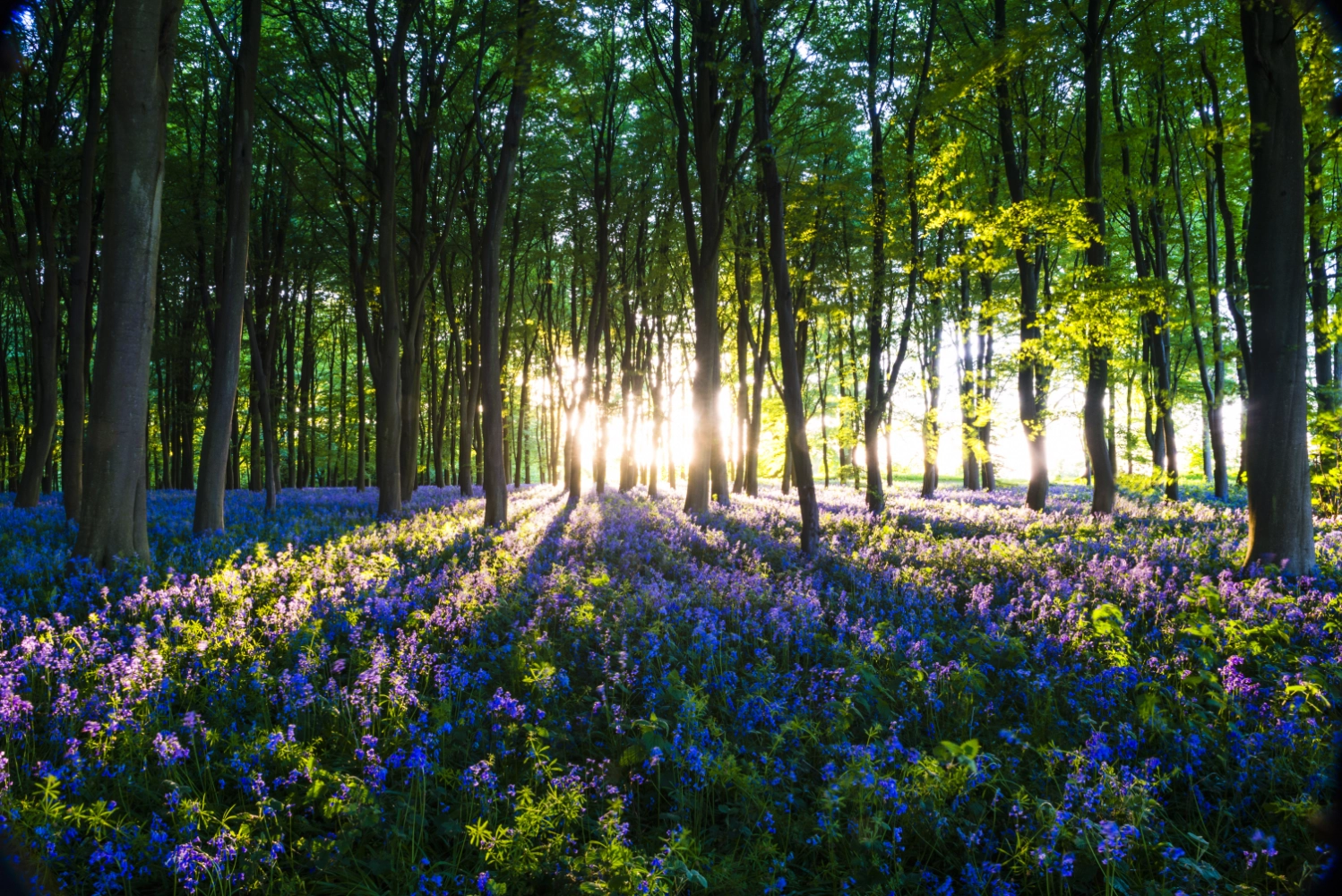
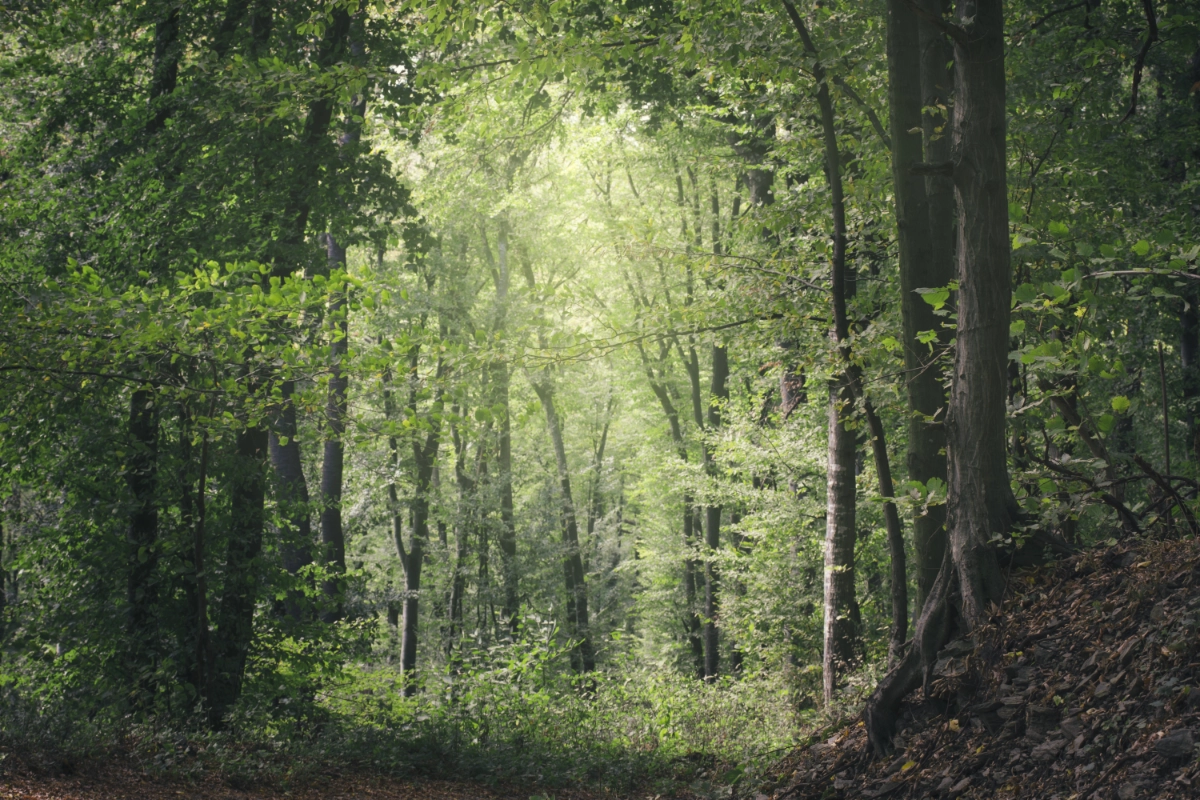
Woodlands often feel protective and enclosed, offering a sense of shelter. Trees provide continuity and longevity, which some people find reassuring after loss.
Woodland spaces can feel:
-
Quiet and contemplative
-
Steady and enduring
-
Separate from the everyday world
This is one reason woodland burial sites are often described as peaceful and grounding places for remembrance.
Water and Rivers
Water can symbolise movement, release, and continuity. Rivers, streams, and coastal paths may offer comfort to those who find stillness difficult during grief.
Water landscapes may feel:
-
Soothing through sound and motion
-
Reflective and expansive
-
Helpful for walking and gentle movement
Meadows and Open Land
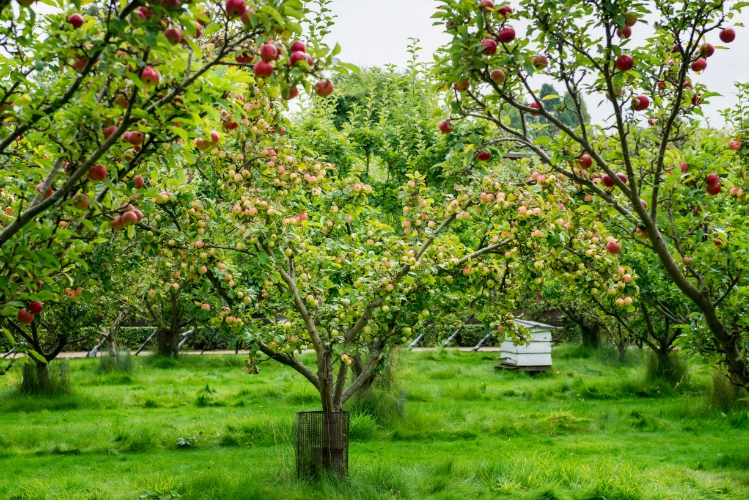
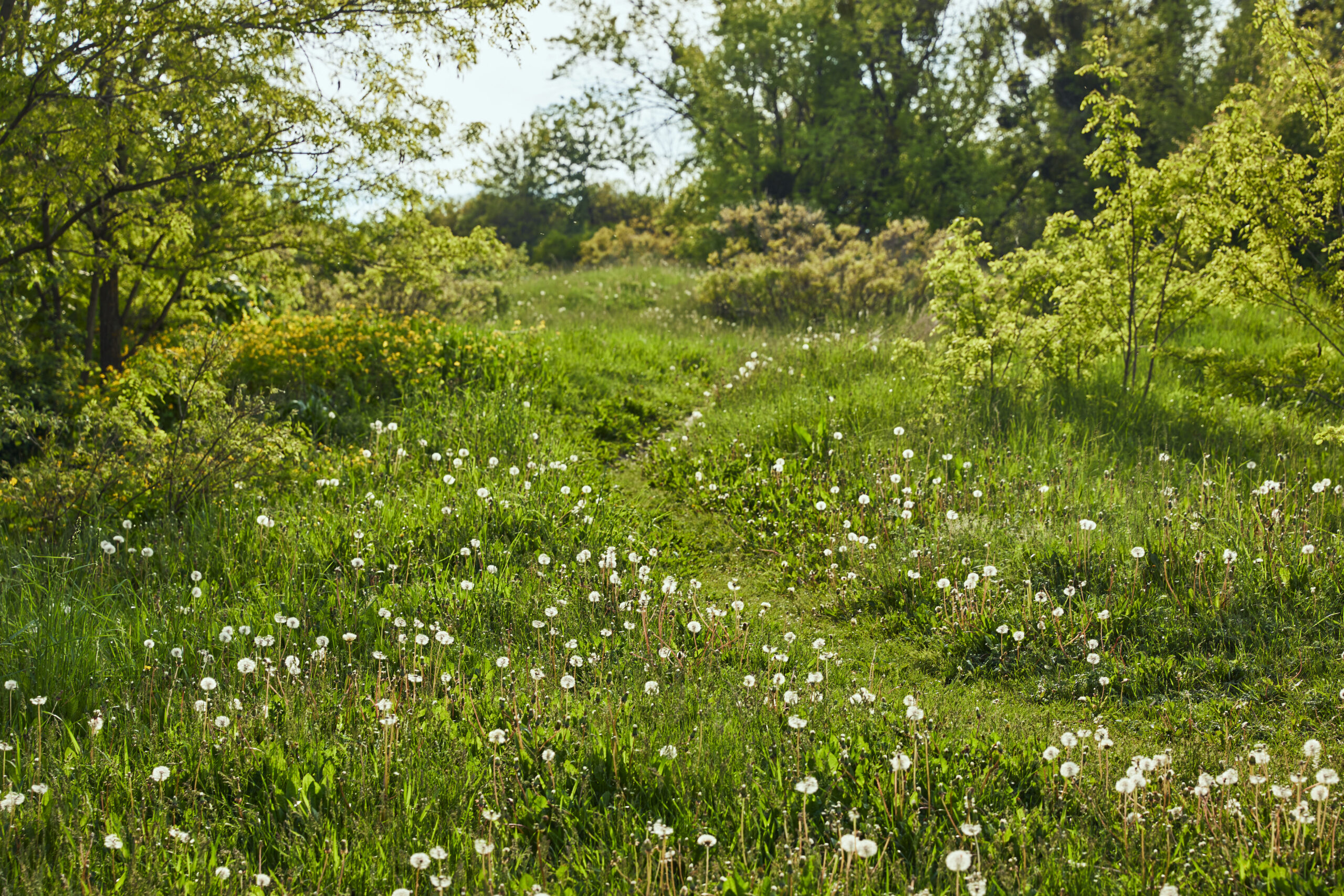
Open landscapes can feel freeing rather than enclosed. For some, wide views and sky space help ease feelings of heaviness or confinement.
These environments may offer:
-
A sense of openness and breath
-
Seasonal colour and change
-
Opportunities for quiet presence without enclosure
Natural burial grounds often incorporate several of these elements, allowing people to choose spaces that feel right for them.
Natural Burial Grounds as Places of Ongoing Connection
Natural burial grounds are designed not only as places of burial, but as living landscapes. They are often managed as woodlands, meadows, or conservation spaces, supporting wildlife, biodiversity, and long-term environmental care.
For bereaved families, this creates a different experience of visiting and remembering.
Rather than rows of headstones, people may encounter:
-
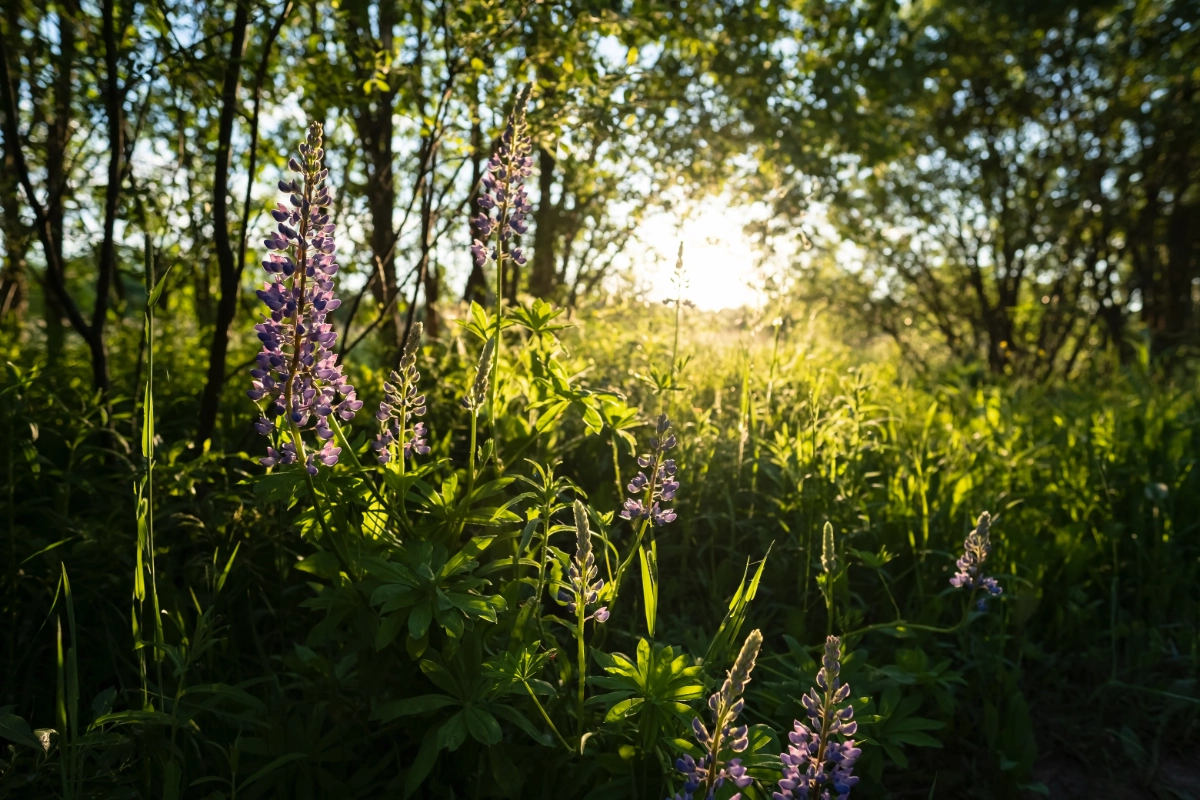
Trees, wildflowers, and birdsong
-
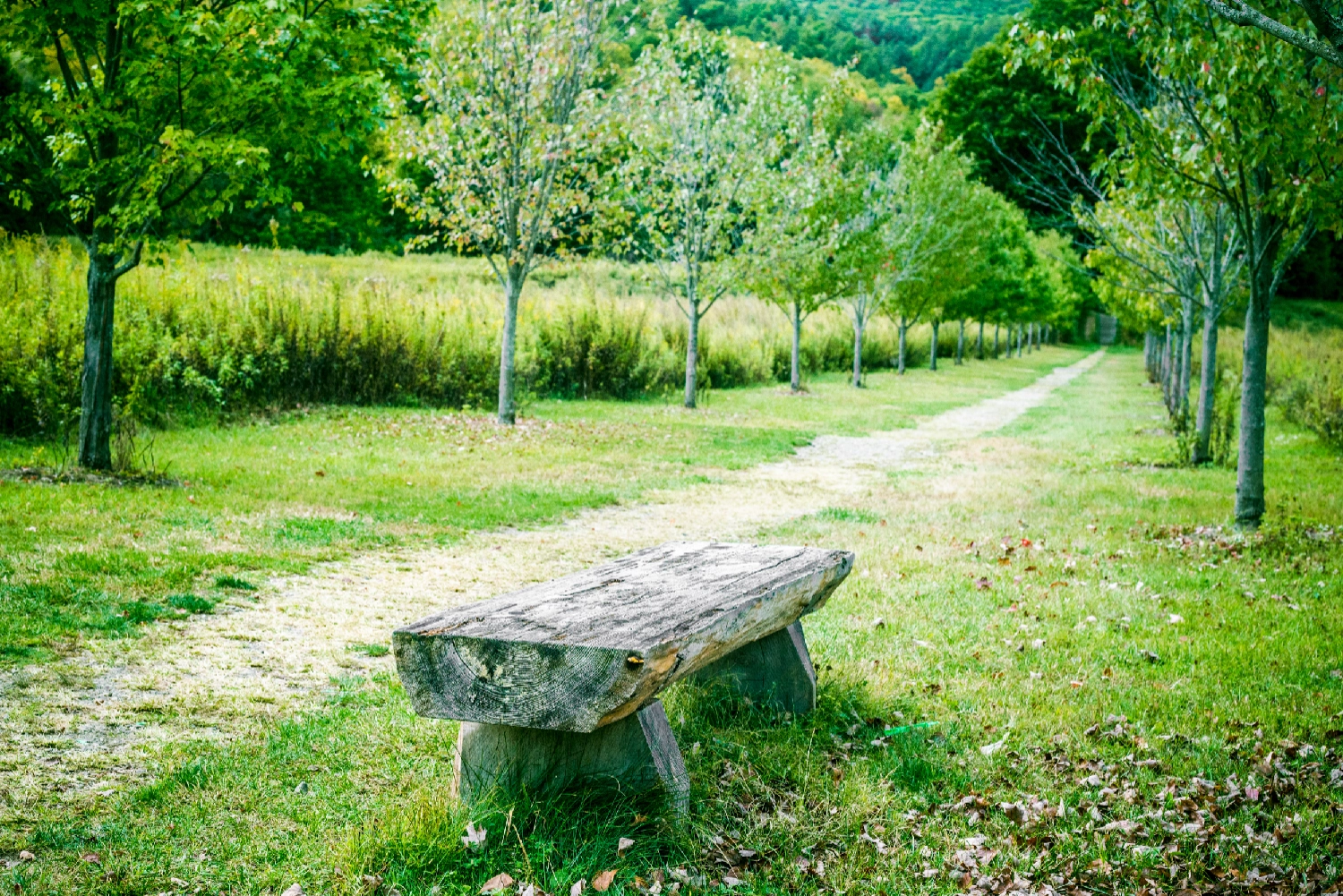
Paths that invite walking rather than standing still
-
Seasonal changes that reflect time passing naturally
Many people find comfort in knowing that their loved one rests within a living ecosystem — contributing to soil, plants, and future growth rather than being separated from it.
Gentle Remembrance Without Formal Ritual
Traditional cemeteries can feel structured and formal, which is meaningful for some people. Others, however, prefer quieter, less prescribed forms of remembrance.
Green spaces allow for remembrance that is:
-
Informal and personal
-
Revisited over time rather than fixed to ceremonies
-
Integrated into everyday walks or moments of reflection
People may choose to remember a loved one by:
-
Walking a familiar path
-
Sitting beneath a tree
-
Noticing seasonal changes
-
Visiting without speaking or performing rituals
Natural burial grounds often support this gentle approach, offering spaces where remembrance can evolve rather than remain fixed.
Nature, Memory, and Continuing Bonds
Grief does not end; it changes. Many people find comfort in maintaining a sense of connection with someone who has died, rather than feeling pressured to “move on.”
Nature can support this ongoing bond in subtle ways:
-
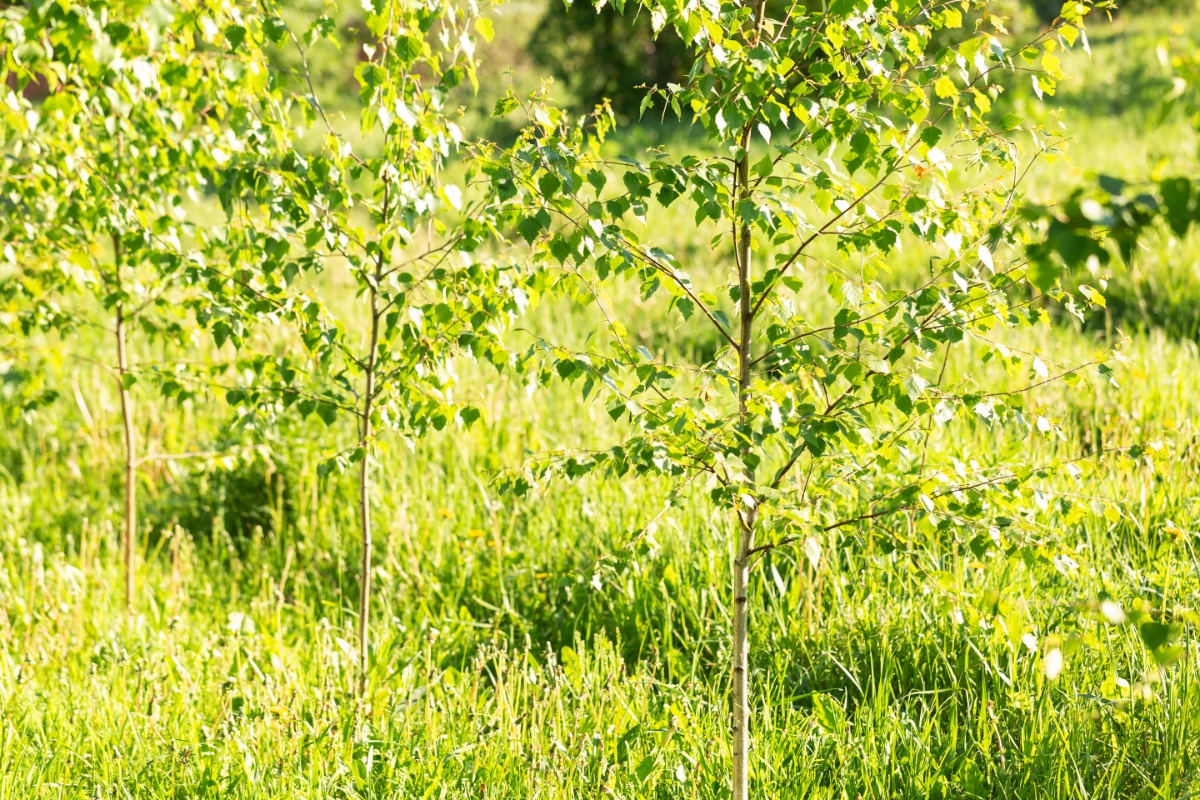
A tree that grows year by year
-
A place that feels familiar and welcoming
-
Wildlife encounters that feel meaningful
-
Seasonal markers that prompt reflection
Because green spaces are always changing, they allow memories to coexist with movement and growth — rather than freezing loss in time.
Accessibility, Choice, and Emotional Safety
It is important to acknowledge that not all green spaces feel safe or accessible to everyone. Terrain, distance, weather, and physical ability all matter.
Many natural burial grounds consider:
-
Accessible paths and seating
-
Clear signage and gentle navigation
-
Areas for quiet reflection
-
Minimal but supportive facilities
For people in grief, feeling physically safe and welcome is essential. A space that feels too remote or challenging may add stress rather than ease it.
Choosing the right environment is always personal, and it is okay if preferences change over time.
When Nature Is Not Enough on Its Own
While green spaces can be deeply supportive, they are not a replacement for professional grief support when it is needed.
Nature may help people:
-
Feel calmer
-
Reflect safely
-
Reconnect with themselves
But ongoing or overwhelming grief may still require additional support from counsellors, therapists, or bereavement services.
Nature does not fix grief — it holds it. And for many people, that holding is enough for certain moments or stages.
Why This Matters in Conversations About End-of-Life Choices
As more people explore eco-friendly funerals, woodland burials, and natural burial grounds, it is important to recognise that these choices are not only environmental.
They are also emotional, relational, and deeply human.
Choosing a natural burial ground may reflect:
-
A desire for gentler grieving spaces
-
A wish to remove pressure from remembrance
-
A preference for living landscapes over static memorials
-
A belief in returning to natural cycles
Understanding the role of green spaces in grief helps explain why these choices resonate so strongly with many families.
A Quiet Companion Through Loss
Grief asks a great deal of those who experience it, often without offering clear answers or timelines. In a world that frequently urges people to cope quickly or quietly, green spaces offer something different.
They offer permission to slow down.
They offer presence without judgement.
They offer continuity when life feels disrupted.
Whether through woodland paths, meadow landscapes, or natural burial grounds, nature can act as a steady companion — not solving grief, but walking alongside it.
For many people, that quiet companionship makes all the difference.
Research
Grief + nature / green space / nature connection (research)
Nature-based interventions for bereavement care (scoping review / protocol) - maps out what kinds of nature-based approaches are being used in bereavement support and the theories for how they may help.
Scoping review (published) on nature-based interventions in bereavement care - a later review paper concluding nature-based interventions look promising as a complement to traditional bereavement support.
Feeling connected to nature and complicated grief (study, open access) - looks directly at bereaved people and examines how nature connectedness relates to mental health outcomes in the context of complicated grief.
University of the Shannon Moylish: “Can trees ease grief?” - grief-focused research discussing how being in nature can support meaning-making and the grieving process (qualitative themes).
BMJ Journal: Forest bathing as a therapeutic intervention in supportive/palliative care (conference abstract) - early/pilot-type evidence in a clinical context, exploring guided forest bathing as an additional supportive approach (relevant overlap with bereavement services).
Can walking in green and blue spaces improve the psychological and physiological outcomes of grief following a bereavement? - proposes mixed-methods research on whether walking in nature can improve psychological/physiological outcomes after bereavement.
Forest Bathing & Nature-Based Mindfulness
Effects of forest environment (Shinrin-yoku/Forest bathing) on health promotion and disease prevention —the Establishment of “Forest Medicine” - extensive review showing forest bathing promotes physical and mental health (e.g., reduces stress).
The effects of forest bathing on psychological well-being - shows significant reductions in depression and anxiety.
Derby University: Effects of shinrin-yoku (forest bathing) and nature therapy on mental health - systematic review & meta-analysis showing reductions in negative mental health symptoms (e.g., anxiety, anger) following nature immersion.
The effects of forest bathing on self-criticism, self-compassion, and self-protection: Forest bathing research on repetitive negative thinking & self-compassion — relates to mechanisms that overlap with grief processing.
Green Space & Mental Health Research
International Journal of Geriatrics and Gerontology: The Healing Power of Green Spaces: Combating Loneliness, Loss, and Isolation - Green and blue spaces improve coping with grief, loss, loneliness — overview of benefits of natural spaces for emotional wellbeing.
Guardian Newspaper: Prof Andrea Mechelli: ‘People who live near green space are less likely to struggle with mental health issues’ - Nature exposure linked with reduced depression and loneliness — large international study showing even small green spaces benefit mental wellbeing.
Attention Restoration Theory (ART) - Explains psychological mechanisms (e.g., soft fascination) by which nature supports emotional regulation and recovery from stress.
Introductions
American Psychiatric Association on forest bathing: APA blog explaining forest bathing and mental health benefits - summary of evidence that nature immersion can support emotional wellbeing.
Forest environments & health (stress, wellbeing): Effects of forest environment (Shinrin-yoku/Forest bathing) - extensive review showing forest bathing promotes physical and mental health (e.g., reduces stress).
How This Connects to Grief Healing
Nature immersion decreases stress, depression and anxiety - all core emotional experiences in bereavement.
Forest bathing and nature therapy foster emotion regulation and reduce rumination, which is often heightened in grief.
Explore Natural Burial Grounds Across the UK
Search our Directory ➜ Natural Burial Grounds Near Me
Find peaceful, eco-friendly burial grounds near you.
Frequently Asked Questions
Nature and Grief
Many people find that being in green spaces feels calming and supportive during grief. While it does not remove sadness, it may help reduce overwhelm and provide space for reflection.
Natural Burial Grounds
Yes. Natural burial grounds are often designed as accessible landscapes where people can walk, sit, and return over time without formal expectations.
Trees
Spiritual
No. Nature-based comfort does not require spiritual or religious beliefs. Many people experience its benefits simply through presence and sensory experience.
Children Green Spaces
Children often respond positively to natural environments, where they can move, explore, and process emotions without needing to explain them verbally.
Counselling
No. Nature can complement other forms of support but should not replace professional help if it is needed.