History of Natural Burial – also known as “green burial” or “woodland burial” – refers to the practice of laying someone to rest with minimal environmental impact, often in a natural setting. Instead of rows of headstones and high-maintenance lawns, a natural burial ground is managed as a living landscape (woodland, meadow, orchard, etc.) that preserves or creates wildlife habitat. Embalming is avoided and only biodegradable coffins or shrouds are used, so that the body can return to the earth naturally without toxic chemicals.
The goal is to “let nature take its course” – graves are typically dug shallower than in conventional cemeteries to encourage decomposition, and no massive marble monuments mark the spot. This approach reduces pollution and even helps conserve natural habitats, transforming the act of burial into one that nurtures new life.
From a niche idea thirty years ago, natural burial has grown into a significant movement in Britain. While simple earth burials were the norm in ages past, the modern natural burial movement in the UK began in the early 1990s with a single bold experiment. In 1993, the first official “woodland burial” site was opened at Carlisle Cemetery in northern England – an initiative spearheaded by local bereavement services officer Ken West.
Over the next three decades, that humble project blossomed into hundreds of natural burial sites across the UK. Below, we trace the story of natural burial in Britain from its origins and milestones to its current role in an eco-conscious era, and what the future may hold for this gentle return to nature.
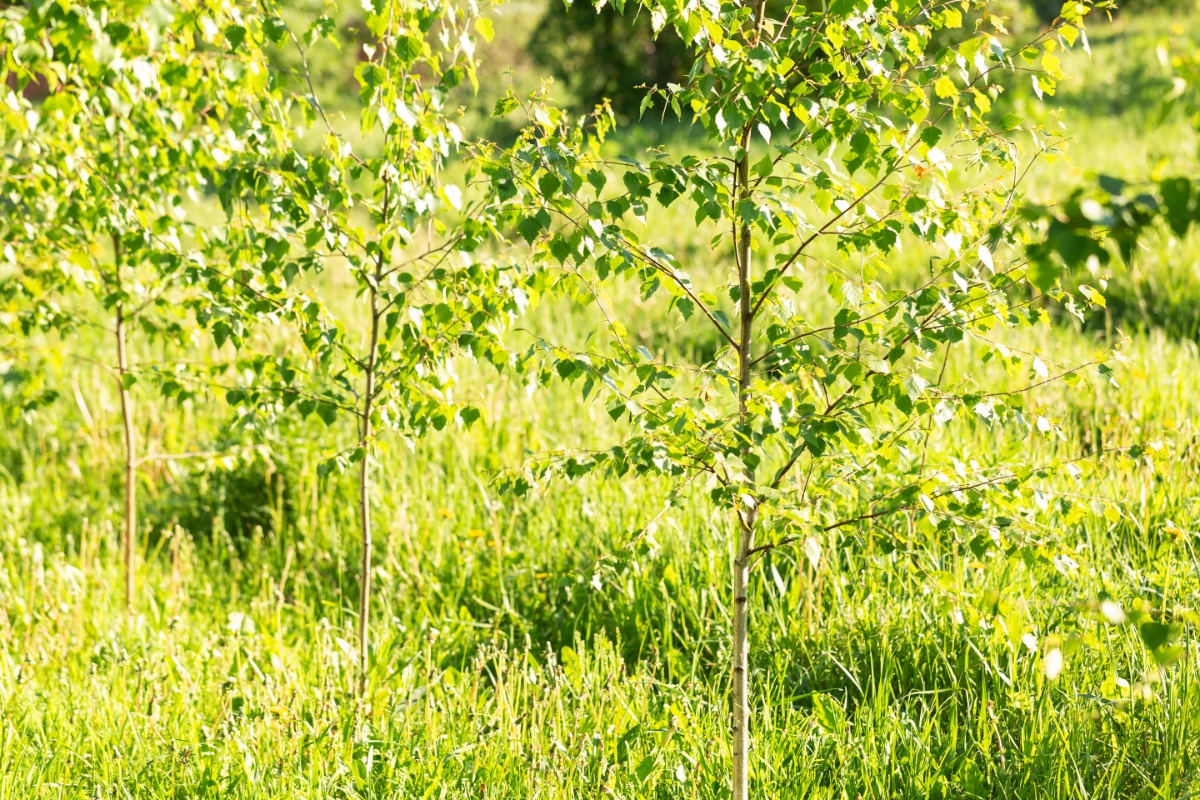
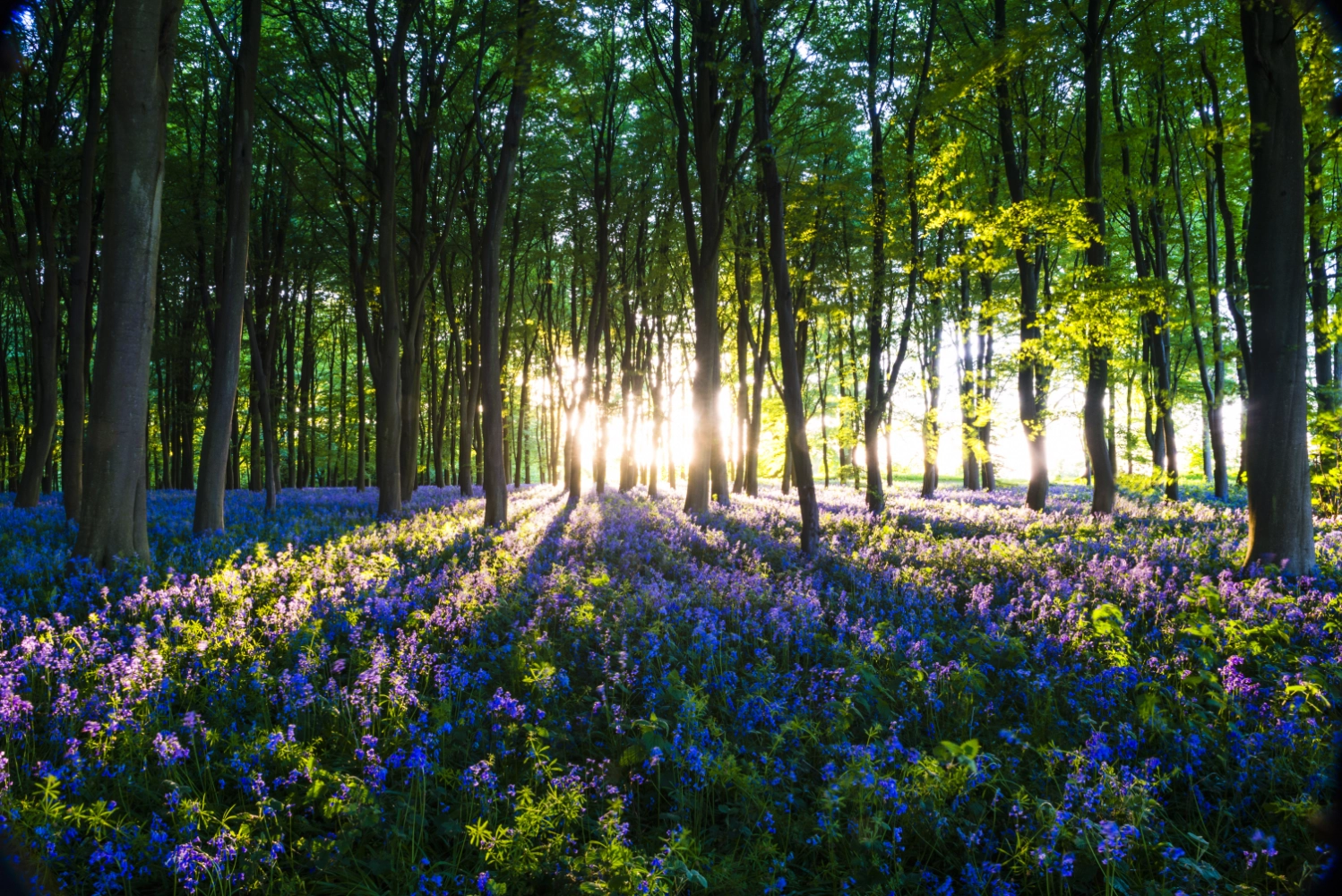
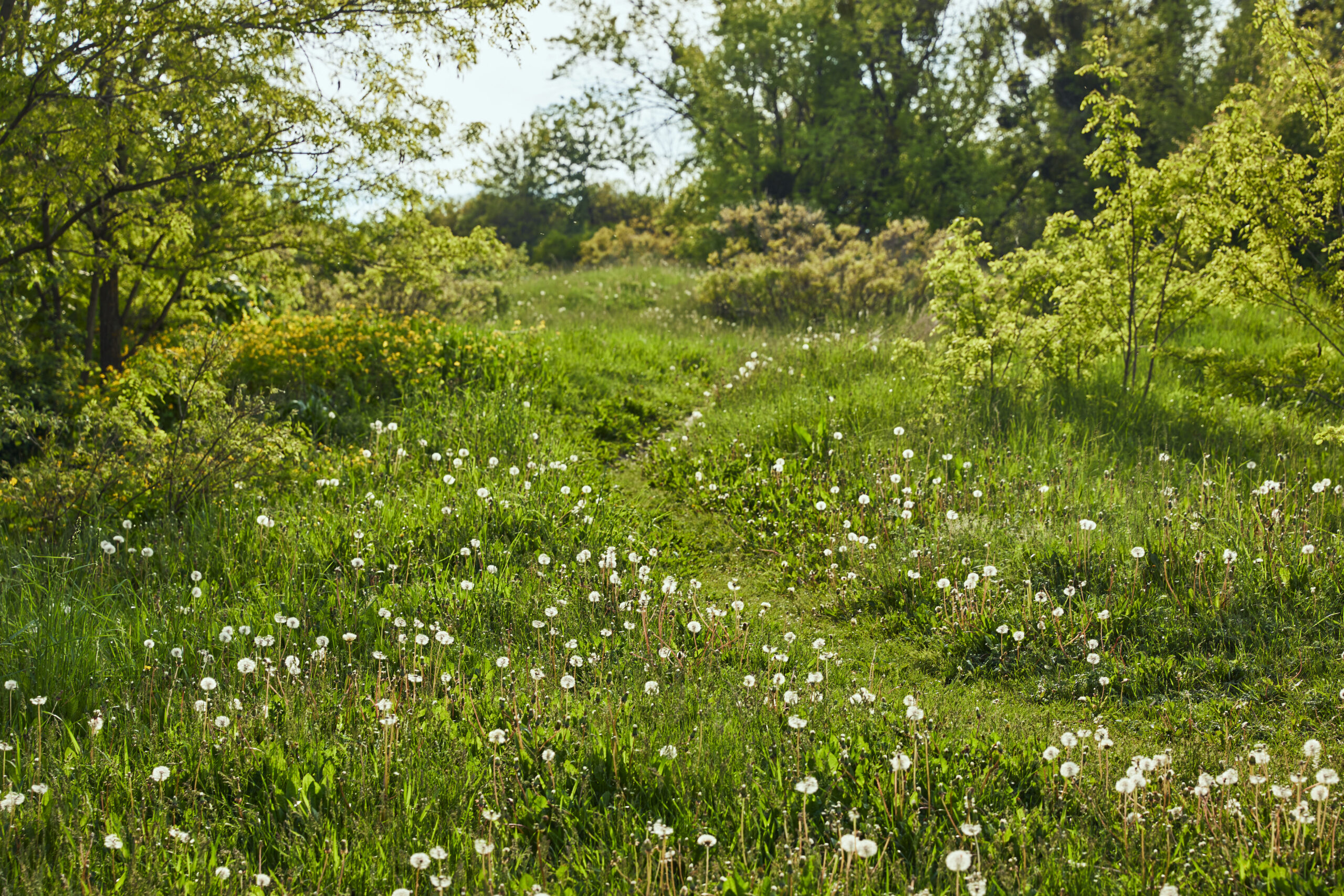
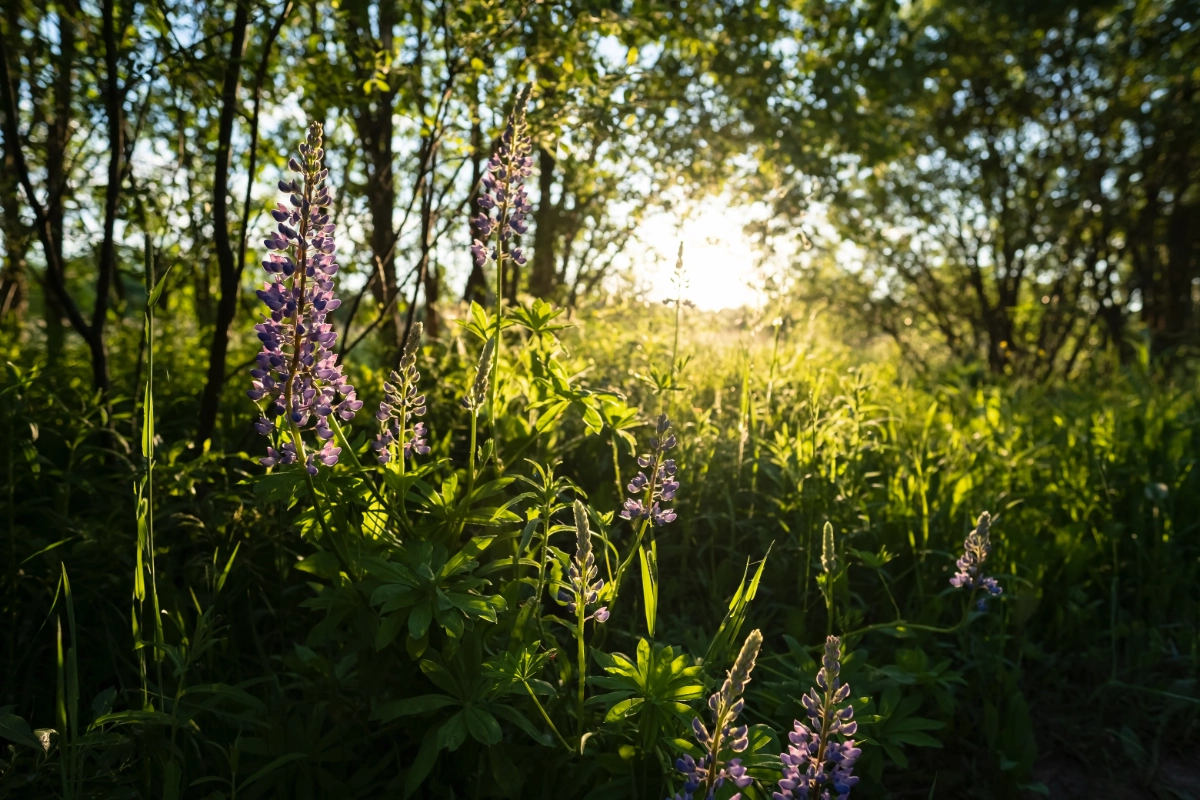
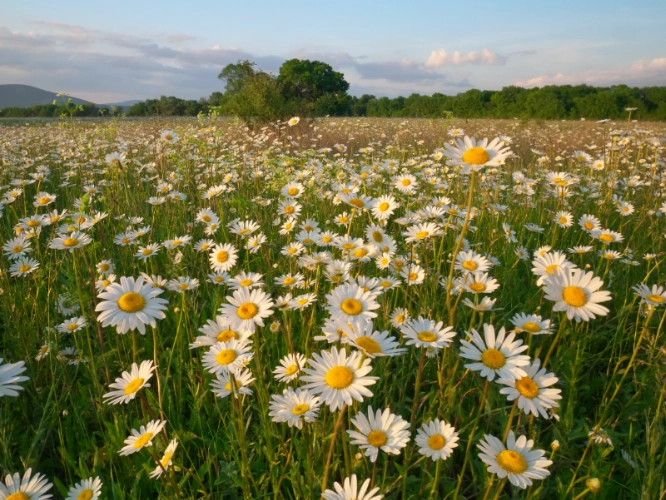
A woodland burial ground with young trees and wildflowers. Natural burial sites like this forego rows of headstones in favour of trees, wildflowers, and wildlife-friendly habitat, embodying the “return to nature” ethos of the movement.
Origins: Pioneering the “Return to Nature” (1990s)
The seed of the natural burial movement was planted in the early 1990s. At that time, British attitudes toward funerals were starting to shift – and a few pioneers led the way. In 1991, a London-based charity called the Natural Death Centre (NDC) was founded to inform and empower people about more personal, eco-friendly approaches to death and funerals. The NDC advocated for family-organised funerals, biodegradable coffins, and other practices outside the mainstream funeral industry. It was part of a broader “natural death” movement seeking to reclaim death from commercial routine and to explore gentler, greener rites.
Meanwhile, in the city of Carlisle in northwest England, cemetery manager Ken West was independently envisioning a more natural way of burial. Inspired by his observations that wildlife thrived in the un-mown corners of old graveyards, West wondered if burial could be integrated with conservation. He conducted a feasibility study in 1990 and then set to work on a revolutionary project: establishing a woodland burial ground within Carlisle’s municipal cemetery. In 1993, this idea became reality when the world’s first natural burial site opened in Carlisle.
What made it “natural” was a change in focus: instead of manicured plots and marble gravestones, the site was managed as a patch of woodland. Local families were invited to plant native oak trees to mark graves instead of erecting headstones. Graves were dug only about 4 feet deep (shallower than traditional 6-foot graves) to remain within the oxygen-rich topsoil and promote quicker, natural decomposition. Wildflowers like bluebells were planted, and mowing was kept to a minimum – only one cut at the end of the season – allowing the area to rewild and bloom.
Ken West summed up the philosophy with the slogan “Return to Nature,” emphasising that our final act could give back to the earth and foster new life. He required that burials use eco-coffins and no embalming, and he urged families to accept a natural woodland appearance (letting wild vegetation grow in summer) in place of the trim look of a conventional cemetery. This was a radical departure from the British norm, where over three-quarters of people were choosing cremation by the 1990s and most cemeteries were highly formal places.
At first, West’s woodland burial concept met some resistance. Many funeral directors were sceptical – in fact, some refused to offer natural burial to clients, seeing it as too unconventional. Because the site was non-denominational and lacked traditional religious symbolism, a few assumed it was a secular or even “hippie” idea (even though local clergy were actually supportive of the project). Despite the early doubts, a small but steady stream of families were drawn to the Carlisle woodland burial ground, intrigued by the idea of a green resting place. The notion of being buried among trees and wildflowers, becoming part of a living woodland instead of a marble rows, resonated as gently inspiring and comforting to those with environmental or spiritual leanings.
News of the Carlisle experiment spread, and soon other forward-thinking individuals and councils followed suit. In 1994 – just one year after Carlisle’s site opened – the Natural Death Centre established the Association of Natural Burial Grounds (ANBG) to formalise this emerging movement. The ANBG set out a Code of Conduct for natural burial sites and served as a network to help new sites get started.
Early adopters during the mid-1990s included both local authorities and private landowners who set up their own natural burial grounds. These ranged from woodland extensions of municipal cemeteries to green burial areas on farms and estates. By the late 1990s, natural burial had gained a small foothold: roughly 50 natural burial grounds were operating around the UK by 1999. What began as a single trial in Carlisle had quickly grown into a fledgling movement, supported by a dedicated charity (NDC) and a new national association (ANBG) committed to the idea that “every locality should have its own natural burial ground”.
Growth and Spread Across the UK (2000s–2010s)
History of Natural Burial: Entering the 2000s, the natural burial movement gathered momentum. The number of sites continued to climb as awareness increased. Private entrepreneurs, nature charities, and local communities all got involved in establishing new green burial grounds. Many local councils that initially focused on crematoria began adding woodland or meadow burial sections to their public cemeteries. These are sometimes called “hybrid” cemeteries – traditional graveyards with a portion managed as a natural area for burialsthinkwillow.com. At the same time, entirely independent natural burial parks were created on private land across England, Scotland, Wales and Northern Ireland. By the early 2010s, natural burial was no longer an obscure curiosity; it had become an accepted alternative. The Natural Death Centre’s registry recorded 270+ natural burial sites in Britain by 2013pearl.plymouth.ac.uk, a remarkable increase in just two decades. This growth reflected not just the efforts of advocates, but a genuine public interest in having greener and more personal choices at life’s endpoppysfunerals.co.uk.
Several factors helped drive this expansion. Firstly, word of mouth and media coverage began to normalize the idea of green funerals. Families who had positive experiences with natural burials talked about the peace and beauty they found, inspiring others. The movement also gained credibility through books like The Natural Death Handbook (first published by the NDC in the 1990s) and positive press stories about “woodland burials” offering comfort and solace in nature. Importantly, the funeral industry and officials started taking note. By the 2010s, even some mainstream funeral directors were willing to arrange natural burials, and the UK government developed basic guidance for natural burial ground operators (emphasizing standards for things like grave depth, soil, and record-keeping)atlantic-rest.co.uk. The establishment of guidelines meant that natural burial was seen as a legitimate practice and not just a fringe idea.
The numbers kept rising: from around 50 sites in 1999, the UK grew to roughly 260–270 sites by the early 2010s, and the growth continued thereafter. By 2019, the movement’s pioneer Ken West noted that there were over 300 natural burial sites across the country. Today, estimates suggest around 250 natural burial grounds have been established in the UK since 1993, and new projects are added each year. This means Britain has as many (or more) natural burial sites as it does traditional crematoriums – an impressive feat for a movement that began within living memory. Natural burial grounds can now be found from Cornwall to the Scottish Highlands, in nearly every region.
During the 2000s and 2010s, the Natural Death Centre and ANBG continued to play a key role. They provided advice to startup natural burial ground operators and connected like-minded providers. By requiring members to uphold a strict Code of Conduct, the ANBG gave the public some assurance of quality and best practice at member sites. (For example, the code covers things like proper record-keeping, environmental management, and clarity of fees.) Not all natural burial grounds joined the association – many operate independently – but those that did helped demonstrate a level of professionalism.
By 2020, about 60–70 sites were members of the ANBG, while the rest of the 200+ sites were non-affiliated. This period also saw the natural burial concept spread internationally: countries like the United States, Canada, New Zealand and others drew inspiration from the UK’s example and opened their own green burial sites. The UK was often cited as the birthplace of the modern natural burial movement, and British advocates have advised many overseas projects.
Why People Embraced Natural Burial (Cultural Shifts)
The rise of natural burial in the UK did not happen in a vacuum – it coincided with broader cultural and environmental shifts. By the turn of the 21st century, many people were looking for alternatives to the traditional funeral experience. Below are some of the key reasons Britons began turning to natural burial in greater numbers:
-
Environmental Awareness: Growing concern about climate change and pollution has led people to seek “greener” lifestyles in death as well as life. Conventional funerals can have a heavy environmental footprint: standard burials often involve concrete vaults, metal coffins and chemical embalming, and cremations release significant CO₂ and toxic gases into the air.
Natural burial, by contrast, is seen as eco-friendly – it avoids harsh chemicals and materials, and even helps create new habitat (often with a tree or wildflowers planted on the grave). As one advocate put it, natural burial is “good for the planet, good for people and good for wildlife”, truly a win-win-win choice. In an era when Climate Emergency declarations and carbon footprints have entered the public consciousness, many find comfort in knowing their final act will give back to nature rather than pollute. -
Personalisation and Meaning: There has been a reaction against the impersonal, “conveyor-belt” feel of some modern funerals. Traditional crematoria often schedule back-to-back services in 30-minute slots, which can feel rushed. In contrast, natural burial settings tend to offer unhurried, intimate ceremonies – there is usually no time pressure from the venue, so families can say goodbye at their own pace, even hold the funeral outdoors amidst nature.
This flexibility allows for highly personal, unique services rather than a one-size-fits-all template. Many people find the idea of being buried in a beautiful, tranquil place more emotionally comforting than a formal chapel or crowded graveyard. Natural burial grounds are open to all faiths or none, and families are free to incorporate any rituals, music, or symbolism they wish, or even have no formal ceremony at all. This level of personal choice and the natural setting can make the farewell “uplifting” and deeply meaningful, helping the grieving process. In short, natural burial has benefited from a wider cultural shift towards personalised, celebratory end-of-life rituals instead of sombre, standardised funerals. -
Disillusionment with Traditional Funerals: By the 1990s and 2000s, some people became disenchanted with the commercial funeral industry and the high costs of conventional funerals. In the UK, a typical funeral with a cemetery burial can cost many thousands of pounds (the burial plot alone in some areas can exceed £5,000–£8,000). There was a sense for some that the traditional funeral had become overly expensive, overly formal, and disconnected from the individual it was meant to honour.
Natural burial emerged as a simpler, more affordable option – many green burial sites charge a few hundred pounds for a plot, making it accessible to those put off by the high price of graves and elaborate coffins. Moreover, the ethos of the natural burial movement often contrasts with what people dislike about the traditional system.
Instead of a sales-driven approach with shiny coffins and embalming upsells, natural burial providers emphasise compassion, transparency, and simplicity. This has attracted people who value a more down-to-earth approach. As the UK population becomes more secular, fewer feel bound to have a church funeral or a plot in consecrated ground. Natural burial’s non-denominational, low-key character fits these changing values. In sum, dissatisfaction – whether with cost, corporate funeral homes, or impersonal rituals – has led many to seek out the more authentic, back-to-basics experience that natural burial offers. -
Space and Sustainability: Another practical factor is the shortage of cemetery space in many areas. By the late 20th century, urban churchyards and council cemeteries were running out of room. Finding land for new traditional cemeteries is difficult, especially in crowded Southeast England.
Natural burial grounds have provided an answer by utilising land that wouldn’t be suitable for conventional cemeteries or by integrating burials into existing green spaces. For example, some farmers have set aside fields to become wildflower burial meadows, and some estates have repurposed portions of parkland for natural burials. This not only eases the space crunch but does so in an environmentally sustainable way.
Instead of carving out a new cemetery that needs perpetual upkeep, a natural burial site is the upkeep – it remains part of the landscape. Some natural burial grounds even double as nature reserves or grazing land (outside of burial areas), making better use of land than a traditional cemetery might. With sustainability in mind, a number of local councils have explicitly included natural burial in their future cemetery planning, seeing it as a solution that aligns with carbon reduction goals (planting trees, enriching soils, etc.). In fact, as more councils declared climate action plans in the 2010s, natural burial has been highlighted as one way to reduce the environmental impact of burial provision going forward.
In combination, these shifts – greener attitudes, desire for personal meaning, frustration with old funeral norms, and practical need – created a fertile environment for the natural burial movement to flourish in the UK. By embracing simplicity and nature, natural burial offered an antidote to the formal, industrial approach to death that had dominated in previous decades.
Natural Burial in the UK Today (2020s)
Fast-forward to the 2020s, and natural burial is no longer a fringe idea – it’s an established part of Britain’s funeral landscape. There are now hundreds of natural and woodland burial sites operating across the country, with new sites opening each year. This represents enormous growth from that single Carlisle experiment in 1993. In fact, industry observers point out that the number of natural burial grounds is comparable to (if not exceeding) the number of crematoria in the UK today. Importantly, these sites are not all alike. One of the strengths of the movement is its diversity of sites and settings:
-
Some natural burial grounds are run by local authorities, often as sections of large municipal cemeteries or as council-owned woodland burial parks. For example, many county or city councils now maintain a woodland burial area where residents can choose a greener burial instead of a traditional plot. (By 2022, over 60% of UK local councils said they already provide a natural/woodland burial option or have plans to establish one soon – a huge change from just 44% in 2018.)
-
Many other sites are owned privately by individual landowners or families who dedicate their land to natural burial. These range from small farm-based burial meadows to larger commercial natural burial parks. Some operate as for-profit enterprises, others as community interest companies or charities.
-
There are natural burial grounds affiliated with nature organisations as well – for instance, some Wildlife Trusts and conservation groups have set up burial areas on nature reserves, combining habitat protection with burial space. Each site has its own character: one may be a hillside wildflower meadow with grazing sheep, another a young woodland where each grave is marked by a newly planted tree, and yet another might be an ancient bluebell wood where burials are carefully done among the existing trees.
-
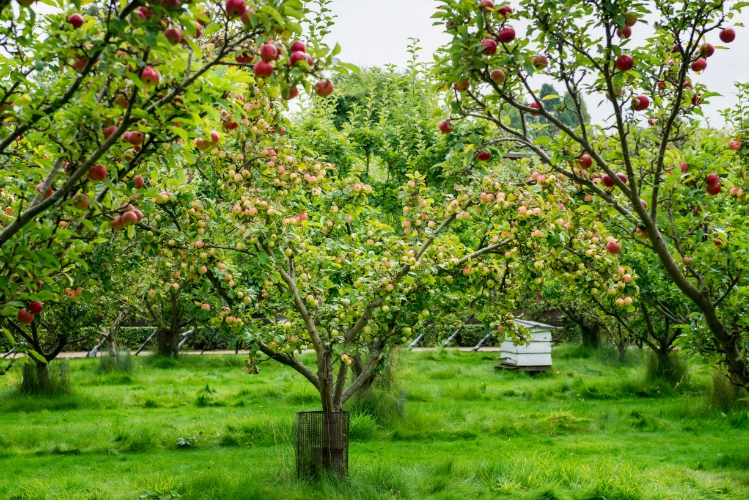
The habitats used also vary. Early on, “woodland burial” was the catch-all term, but today you’ll find wildflower meadows, orchards, parkland, and pasture being used for natural burials. For example, some sites allow families to plant an oak, others focus on creating wildflower-rich grassland, and some incorporate permaculture or regenerative farming alongside the burial area. This variety means people can often choose a natural burial ground that resonates with them – be it a forest, a field with views of the hills, or a serene riverside.
Because there is no single governing authority over natural burial, the rules and amenities can differ widely from site to site. Generally, all prohibit embalming and require biodegradable coffins or shrouds, but some may allow a small wooden marker or plaque while others allow no markers at all.
A few sites have facilities like ceremony halls, shelters, or cafes, whereas many are deliberately kept rustic and simple (perhaps just a mown path through a field). This diversity is seen as a positive—families have choice. However, it also means that standards can vary. The Association of Natural Burial Grounds (ANBG), now in its fourth decade, continues to encourage best practices and transparency. As of the mid-2020s, around 70 natural burial grounds are members of the ANBG, each adhering to the agreed code of conduct. The NDC maintains a public directory of these member sites and others, making it easier for the public to find reputable natural burial providers.
Public awareness of natural burial is higher than ever. Surveys indicate that Britons are increasingly aware of green funerals – one poll found around 10% of people would choose a natural burial if they could, and this number is likely to grow as eco-conscious younger generations age. Media coverage of “green funerals” has become common, especially as climate change has made many scrutinise the environmental cost of cremation and conventional burials.
It’s not unusual now for people to include natural burial in their funeral plans or wills. Even those who don’t ultimately opt for it have often heard of it as an option. This growing acceptance can be seen in popular culture and literature as well: natural burial has been featured in documentaries, news features, and even on television dramas, reflecting its entry into the mainstream conversation about death.
Another aspect of today’s picture is the context of the climate crisis. Natural burial is often touted as a climate-friendly choice. Unlike cremation (which emits roughly 400 kg of CO₂ per body on average) or traditional burial (which can involve resource-intensive materials), natural burial’s carbon footprint is minimal – and in some ways, it’s carbon positive. When you bury a body naturally and perhaps plant a tree on top, you are effectively sequestering carbon in the soil and biomass.
As Ken West noted, the carbon in our bodies and coffins becomes locked into the ecosystem of the burial site, feeding a tree or meadow that will continue to absorb CO₂ for decades. Many natural burial ground managers highlight this benefit, framing their sites as not just resting places but as part of the solution to environmental degradation.
Some sites have even conducted wildlife surveys and found increased biodiversity (birds, butterflies, wildflowers) after a few years of operating as burial grounds. In a time when individuals and communities are seeking ways to offset carbon and live more sustainably, choosing a natural burial has become a small but meaningful act of environmental stewardship. This alignment with contemporary values has certainly boosted the appeal of natural burial in the 2020s.
It is worth noting that as natural burial has grown, quality and transparency remain important. Advocates like the NDC’s manager Rosie Inman-Cook have cautioned that with over 300 sites now out there, not all meet the highest standards – a reminder that families should do a bit of research when selecting a site. Issues have occasionally arisen (e.g. administrative mix-ups at poorly managed sites), which is why the ANBG and NDC emphasise using established, well-run burial grounds. Thankfully, serious problems are rare, and the overall reputation of natural burial remains very positive. Many families report profound satisfaction with the experience – describing natural burials as “calming,” “beautiful,” and even uplifting in the way they celebrate the circle of life.
A Gentle Revolution: Looking Ahead to the Future
The history of natural burial in the UK – from one man’s idea in 1993 to a nationwide movement today – is a story of changing perspectives on life, death, and our relationship with the Earth. As we look to the future, it’s clear that this gentle revolution in funerals will continue to evolve. Green end-of-life choices are becoming ever more relevant: not only is there sustained interest in natural burial, but new eco-disposal methods (like resomation or “water cremation,” and even human composting) are being explored in various parts of the world.
The UK is actively debating some of these innovations, and it’s likely that in coming years we’ll see a broader menu of eco-friendly funeral options. In this landscape, natural burial is well-positioned – it is tried and tested, with a 30-year track record in Britain, and it fulfills a yearning that high-tech solutions cannot replace: the desire to return to the simple earth.
Natural burial grounds themselves may play a larger role in environmental conservation. Some advocates imagine a future where cemeteries double as nature parks – “green lungs” for the community and sanctuaries for wildlife, funded in part by burial fees. This is already happening on a modest scale; the potential is there for much more. If, for example, natural burials were to account for even 10% or 20% of all funerals (up from just a few percent now), it could lead to the creation of thousands of acres of new woodlands and meadows across the country. That represents a truly sustainable “death legacy” – living memorial landscapes that future generations can enjoy.
Culturally, the natural burial movement has opened up conversations about death in a positive, life-affirming way. It has shown that a funeral can be about love, nature, and personal meaning rather than sombre ritual alone. This gentle, inspiring approach is likely to remain appealing, especially as society becomes more secular and people seek alternatives that reflect their personal values. The continued work of organisations like the NDC, along with the passion of those who manage natural burial sites, will ensure that standards remain high and that the public has access to good information. Indeed, the Natural Death Centre’s influence and the ANBG’s code of conduct will be key as the movement grows – possibly even influencing future legislation or formal recognition of natural burial in law (efforts are underway to modernize burial and cremation laws to accommodate new practices).
In conclusion, the journey of natural burial in the UK from 1993 to today has been one of innovation guided by reflection and respect – for people and for the planet. It began as a simple idea to let a cemetery grow wild and has become a mainstream option that aligns with contemporary environmental and emotional needs. For those exploring natural burial as a concept or personal choice, the UK offers a rich array of sites and resources.
The movement’s history shows that it is possible to change deeply ingrained cultural practices, making them more sustainable and meaningful. And as the saying goes, “to live in hearts we leave behind is not to die” – natural burial adds, perhaps, that to live on in trees, flowers, and woodland creatures is a beautiful legacy as well.
If you are interested in learning more or finding a natural burial ground near you, there are many sources of guidance available. The Natural Death Centre maintains an online list of natural burial sites across the UK, and our own Natural Burial Grounds Directory can help you explore options by region. This gentle shift in how we say goodbye looks set to continue, proving that sometimes the most natural way can also be the most meaningful – truly a green goodbye that honours both our loved ones and the land that sustains us.
Explore Natural Burial Grounds Across the UK
Search our Directory ➜ Natural Burial Grounds Near Me
Find peaceful, eco-friendly burial grounds near you.