
History of Shrouds. Shrouds have been part of human burial traditions for thousands of years. Long before coffins became common, people wrapped their loved ones in simple cloths made from whatever natural materials were available. These coverings weren’t just practical—they were deeply symbolic, reflecting beliefs about death, dignity, spirituality, and the journey into the afterlife.
Today, shrouds are returning to popularity, especially within the natural and eco-friendly burial movement. They are seen as gentle, sustainable, and beautifully simple. But their roots stretch far back in time, crossing continents, cultures, and faiths.
This article explores the long and fascinating history of burial shrouds—from ancient civilisations and religious customs to their modern resurgence in natural burial grounds across the UK. If you’re new to the idea of shrouds, you can also read our guide: Burial Shrouds Explained.
Origins: Shrouds in the Ancient World
The earliest evidence of burial shrouds dates back over 6,000 years. In prehistoric times, bodies were often wrapped in animal skins, woven mats, or plant fibres to protect them, preserve modesty, or prepare them for ritual burial. Even in early societies, covering the dead was seen as an act of care.
Ancient Egypt
While the Egyptians are famous for mummification, not all Egyptians were embalmed. Many ordinary people were wrapped in simple linen shrouds. Linen held sacred significance—light, pure, and associated with rebirth.
For those who were mummified, shrouds played an important role too. Over the mummified body, layers of linen were wrapped tightly, sometimes containing amulets or messages meant to protect the person in the afterlife. The more prestigious the individual, the finer the linen.
Ancient Greece and Rome
Both Greeks and Romans used burial shrouds, typically made from wool or linen. In these cultures, the act of washing and wrapping the body was a final gesture of love and duty, usually carried out by family members, especially women.
Roman law even stated that a corpse must be covered before being removed from the home, reinforcing the belief that a shroud was essential for dignity.
Jewish Tradition
Jewish burial traditions have included shrouds (tachrichim) for nearly two thousand years. These simple white garments symbolise equality in death—regardless of wealth or status, everyone is buried the same way. This “returning to the earth in simplicity” is still preserved today and resonates strongly with modern natural burial principles.
Christianity and Medieval Europe
Early Christians adopted the use of shrouds because Jesus himself was wrapped in a linen cloth after his death. This connection shaped centuries of Christian burial customs.
In medieval Europe, most people were buried in shrouds rather than coffins. Woollen shrouds became especially popular in England after the 1666 Burial in Woollen Acts, a law intended to boost the domestic wool industry. For over a century, nearly all burials were required to use wool, not linen.
Shrouds during this period were often tied at the hands and feet, with a hooded covering for the face—an image that defined how we picture burials of the time.
From the 18th Century Onward: Decline of the Shroud and Rise of the Coffin
By the late 1700s and early 1800s, burial customs began to shift.
Industrialisation brought new materials, new wealth, and new social expectations. Coffins became more accessible and came to be seen as a marker of respectability. For wealthier families, ornate wooden coffins reflected status even after death.
Urbanisation also played a role. As populations grew and churchyards became overcrowded, municipal cemeteries and burial regulation became more common. Coffins offered a more controlled, standardised method of burial.
By the Victorian era, the shroud had mostly fallen out of mainstream use in the UK except within religious communities, particularly Judaism and Islam, where shrouding traditions remained strong.
However, the shroud lived on in quieter ways. Bodies were still laid out at home in simple coverings before being placed into coffins. Some rural communities continued traditional shrouding practices, especially where coffins were not easily obtained or preferred.
Cultural and Religious Shroud Traditions Around the World
Although shroud use declined in Western Europe, other cultures preserved ancient wrapping traditions.
Islamic Shrouds (Kafan)
In Islam, the deceased is traditionally washed and wrapped in plain white cotton cloths, symbolising purity and equality. Men are wrapped in three sheets, women in five. Burial takes place quickly, and without a coffin where possible. This practice reflects a very natural form of burial, often directly into the earth.
Hindu Traditions
In Hindu funerary customs, the body is washed, perfumed, and wrapped in white cotton or silk, sometimes decorated with flowers, before cremation. Here, the shroud is less about burial and more about preparing the soul for release.
Buddhist Traditions
In many Buddhist cultures, the body is wrapped in a simple cloth, often white or saffron, emphasising simplicity and impermanence.
Indigenous Practices
Across Africa, Oceania, North America, and Asia, shrouds have taken countless forms—tree bark, woven mats, animal hide, or naturally dyed cloths—reflecting available materials and spiritual beliefs. Many of these practices align closely with sustainability principles now inspiring the natural burial movement.
20th Century to Today: A Rebirth of the Shroud
History of Shrouds. Over the past few decades, shrouds have enjoyed a powerful resurgence, especially in countries like the UK, US, Australia, Canada, and New Zealand, where interest in natural burial has grown rapidly.
People are rediscovering:
-
Simplicity — Shrouds create gentle, intimate funerals.
-
Affordability — They are typically cheaper than coffins.
-
Sustainability — Completely biodegradable and made from natural fibres.
-
Connection with tradition — They reflect the oldest and most universal burial practice.
-
Spiritual and emotional meaning — The act of shrouding can feel deeply personal and caring.
Modern burial shrouds are often made from:
-
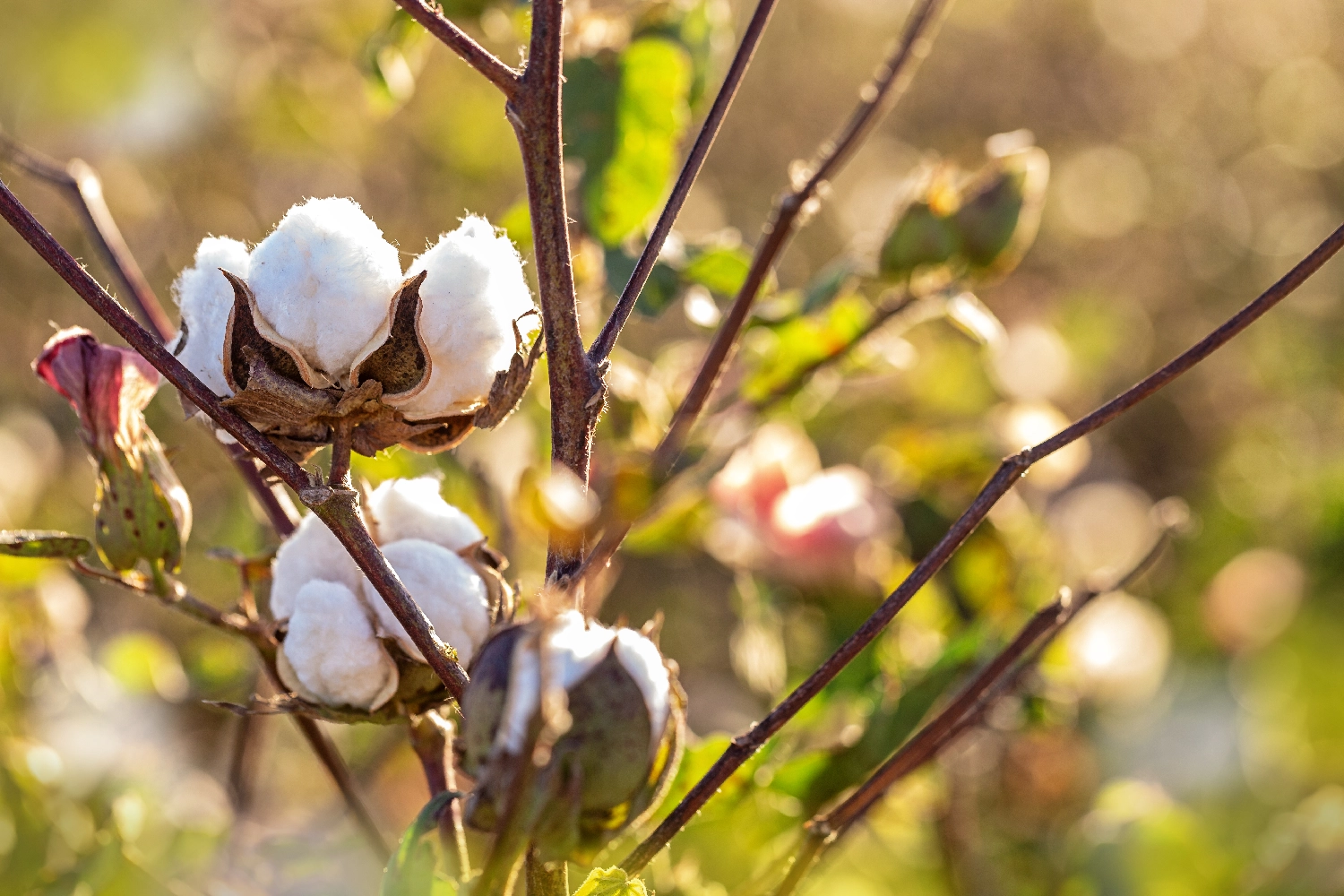
Organic cotton
-
Linen
-
Hemp
-
Wool
-
Bamboo
-
Felted wool
-
Natural fibres dyed with plant-based colours
Some shrouds include built-in lifting supports or boards to help with carrying. Others are designed to be placed directly into the ground at natural burial grounds.
Shrouds and the Natural Burial Movement
Natural burial grounds in the UK encourage environmentally gentle choices—minimal disturbance, biodegradable materials, and a return to the landscape. Shrouds fit perfectly with this ethos.
Instead of a coffin that slows decomposition or uses treated wood, a shroud allows the body to return to the soil quickly, supporting the ecosystem. This aligns with how burial was done for most of human history.
Many natural burial grounds now offer designated shroud burial areas. Some families choose to decorate or hand-sew shrouds, adding personal touches such as embroidery, natural dyes, or meaningful fabrics.
Symbolism: Why Shrouds Still Matter
Beyond their practicality, shrouds hold a deep emotional resonance. They symbolise:
-
Humility – returning to the earth without excess
-
Equality – the same simple fabric for every person
-
Continuity – following the same rituals as ancestors
-
Closeness – a feeling of intimacy during the final farewell
In some families, wrapping the body becomes an important final act of love. For others, choosing a shroud over a coffin feels more in tune with their values, especially if they live sustainably.
The Future of Shrouds
As eco-consciousness grows, shrouds are likely to become even more popular. Younger generations increasingly seek meaningful, environmentally responsible options. Shroud burials are already widely accepted in natural burial grounds, and funeral directors are becoming more familiar with shroud-based funerals.
Innovation is happening too—designers are creating:
-
Organic, hand-woven shrouds
-
Fair-trade and ethically produced fabrics
- Natural Dyes
-
Colourful contemporary designs
-
Shroud-compatible carriers and boards
What remains constant is the essence: a body wrapped in natural fabric, returning gently to the earth.
History of Shrouds
Shrouds are among the oldest and most universal burial practices in human history. From ancient civilisations to modern natural burial grounds, they have offered a simple, dignified way to say goodbye. After centuries of cultural change, the shroud is re-emerging as the preferred choice for those who value sustainability, tradition, and meaningful simplicity.
Whether you are exploring natural burial options for yourself or supporting a loved one’s wishes, understanding the long history of shrouds helps connect modern choices with ancient wisdom.