
Home Burials: For some families, saying goodbye in the quiet of their own garden or private land feels deeply comforting and natural. A home burial—where a loved one is laid to rest on private property—can offer a peaceful, personal alternative to conventional cemeteries, especially for those drawn to simple, eco-friendly farewells. While not common, home burials are entirely legal in the UK when done properly, and for some, they represent a powerful act of love and closeness.
But with such a personal choice comes responsibility. From legal paperwork to environmental safety and future land ownership considerations, there are important steps to take to ensure everything is done with care and respect. This guide gently walks you through how home burial works in the UK—from required permissions to practical tips—so you can decide whether it’s the right choice for your family.
What is home burial?
It simply means burying someone on private land you own (for example, a back garden or family field) instead of in a cemetery. In the UK this is sometimes part of a DIY funeral or “home funeral.” Rest assured, home burial is legal in England and Wales if you follow the rules.
In fact, as one legal guide notes, “under English and Welsh law, you are allowed to bury a body on private land, provided that several conditions are met”. Local council advice also confirms that “burying loved ones on private land is legally‑permissible”. (Scotland has its own system, often requiring planning permission and consulting SEPA.)
In practice, home burial can feel very personal and comforting, but it must be done carefully and respectfully. You will still register the death and obtain official papers (the death certificate and certificate of authority for burial) just as with any funeral. The difference is that the final resting place is on your own property.
UK Home Burials Laws: Key Requirements
To carry out a home burial legally, you must satisfy several specific requirements. In plain terms, you cannot just dig a grave anywhere – you need to follow these steps:
-
Land ownership and permission. You must own the freehold of the land or have the landowner’s explicit permission. Check the title deeds to ensure there are no restrictive covenants or local bylaws prohibiting burials on the property. (If the property has a mortgage, inform the lender, since they have a legal interest.)
-
Register the death and get the burial certificate. First, register the death with the local registrar of births and deaths. They will issue a Certificate for Burial (the “green form”). You cannot go ahead with the burial until you have this certificate.
- Notify environmental or health authorities. You should inform the relevant authorities before the burial. In England and Wales this usually means telling the Environment Agency (for groundwater rules) or notifying your local council’s environmental health department. For example, official guidance says to “contact your local council” to let them know you plan a home burial, and you may need to speak to Environmental Health. In short, follow any advice they give on avoiding pollution.
-
Complete post-burial paperwork. After the burial, the detachable slip on the green form must be filled in with the date and place of burial and returned to the registrar within 96 hours. At the same time, the landowner should keep a private burial register (a simple document listing the deceased’s name, age, death date and grave location) and record the burial on the property’s deeds or land registry. Amending the land registry entry creates a permanent notice of the grave for future buyers.
-
Keep burials limited. By law, two or more burials at one private site usually triggers extra rules. The Home Office treats “two or more people [buried] at the site” as a licensed burial ground (like a small private cemetery). In practice, most people restrict home burials to one (or at most two related) graves to avoid needing a cemetery licence.
These steps cover the legal paperwork. Once all approvals are in hand, you can plan the practical details of digging the grave and arranging the service.
Practical and Environmental Rules
In addition to the paperwork, there are safety and environmental guidelines to follow:
-
Keep away from water. The grave must be well away from any water supply. A common rule is at least 10 metres from any ditch or drain, and 30 metres from any stream, pond or other watercourse. If there’s a well or borehole on your land that supplies drinking water, stay even farther (often recommended around 50 metres). These distances help prevent any risk of contaminating water.
-
Adequate soil cover. There is no strict legal depth for a grave, but guidelines advise a good cover of earth. For example, many councils recommend leaving about 1 metre (3 feet) of soil on top of the coffin or shroud. The Ministry of Justice suggests at least 2 feet (0.6m) of soil above the coffin. In practice, a meter (3 feet) is a safe target in a garden plot. This ensures the grave won’t be disturbed by animals or weather. Make sure there is no standing water in the grave when you dig – the bottom should be above the local water table.
-
No embalming (for an eco-burial). If you want an environmentally friendly burial, avoid embalming the body. (Embalming chemicals can harm soil and groundwater.) Natural burial sites explicitly forbid embalming. Even for a home burial, it’s best to use a biodegradable coffin or shroud and skip embalming if possible. This is especially important given the proximity to a garden or streams.
-
Other location considerations. Choose a well-drained spot that won’t flood. Don’t dig the grave into solid rock or unstable ground. Check for hidden obstructions – call utility companies if you suspect any cables or pipes run under the area. If the grave is near a public footpath, you may need to arrange a temporary diversion or closure for privacy and safety during digging.
A few additional notes: you don’t legally need a fancy coffin (even a simple pine box or woven casket is fine), and you don’t have to hire a funeral director – families often handle home burials themselves. However, many people do choose to get professional help with the digging and paperwork for peace of mind.
Emotional and Practical Considerations
Burying a loved one at home can be very meaningful, but it has long-term implications that need careful thought. Remember that this is once and for ever – once the body is buried it’s very hard to move it later. As one funeral professional notes, it is a “once and forever decision” – you cannot know who will own the land in 50 years, and future owners might not allow visits. Indeed, if the property is sold, the new owner may not want people coming back to tend the grave, and obtaining exhumation would require a Home Office licence (which is not guaranteed).
Practical issues include the effect on property value – some buyers might be put off if they learn there’s a grave in the garden. Local authorities advise that you can arrange a legal right of access (an easement) for relatives to visit the grave, but note this could also deter buyers. Neighbours sometimes worry about a burial nearby; it helps to explain your plans to them quietly in advance, although a single grave in a large yard often has minimal impact.
Keep the scale small. Officially, two or more burials on the land makes it a “burial ground” under the law. In other words, don’t plan to fill your garden with a family cemetery. The safest approach is one grave (or at most two closely related people). If more people need to be laid to rest, you would need to seek special permission.
Emotionally, consider who will care for the grave. Will family members be around to maintain it and remember your loved one? Home burial can be very comforting (you can visit a parent’s grave just by walking outside), but it also ties the memory of the person to a specific property. Make sure all family members are in agreement, and that the person being buried truly wanted this.
Cremated Ashes on Private Land
Cremated remains are much simpler. Ashes are not regulated like a body, so you have a lot of flexibility. Government guidance makes it clear: “You do not need permission to scatter ashes from a single cremation on your own land, or make any formal record of doing so.”. In plain English, you can scatter or even bury ashes almost anywhere on your property with minimal fuss (just as long as you’re respectful and stay away from water sources). There is no requirement to register an “ashes burial” with the council, and no need to alter the deeds just for ashes.
If you plan to bury ashes (for example, in a container or biodegradable urn), treat it modestly: cover it with soil away from wells or streams. But unlike a full body, ashes pose virtually no health risk, so local rules don’t usually apply. It’s always courteous to tell neighbours or family members of your plan, but legally you don’t need a certificate or permit just for ashes.
Alternatives: Natural Burial Grounds
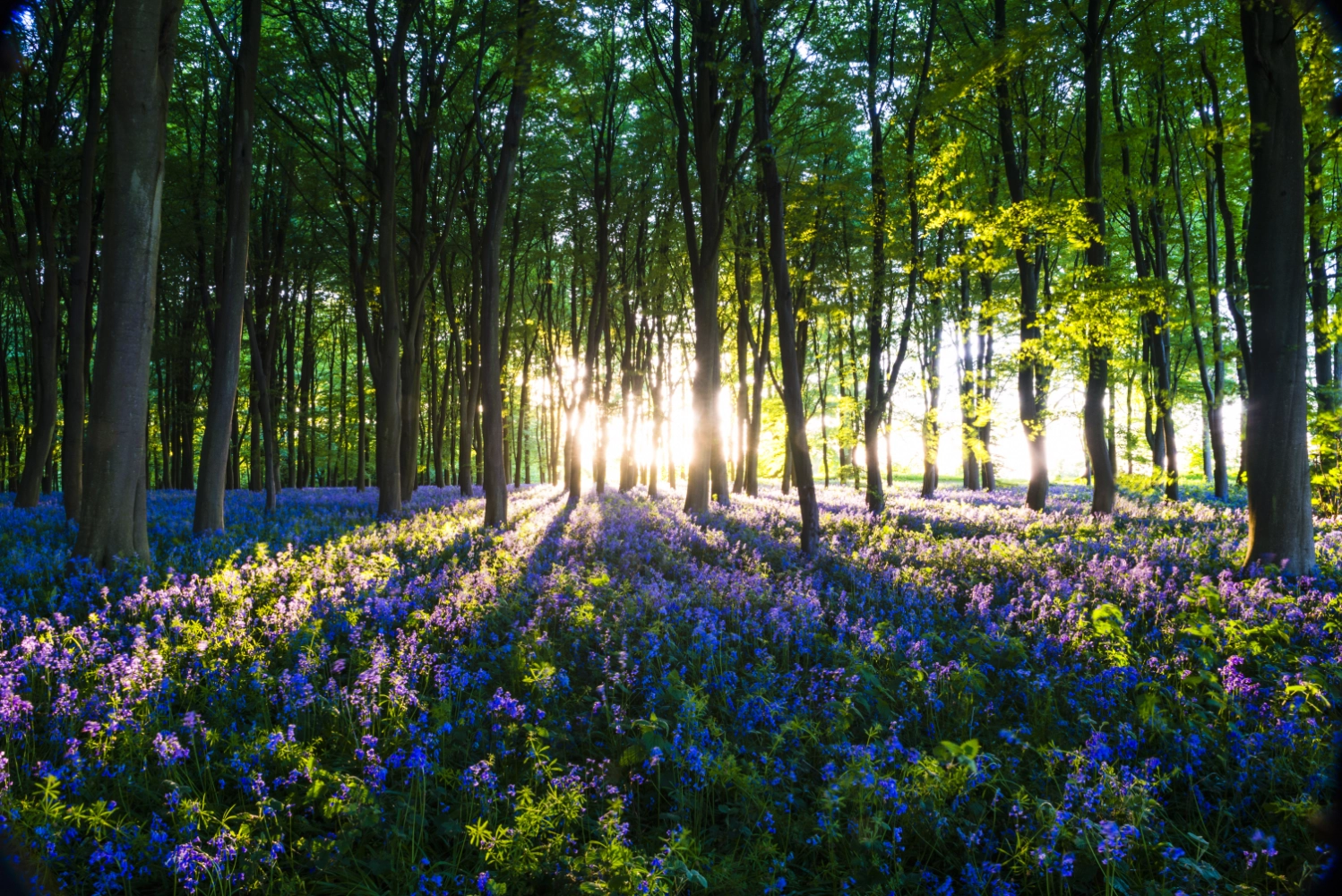
Many families find an easier alternative is a natural burial ground (woodland or meadow) . These are specially managed “green” burial grounds run by local councils, private or trusts. They look and feel like parks or woods rather than a traditional graveyard. In these natural grounds, everything is eco‑friendly: coffins must be biodegradable, no embalming is allowed, and graves are often marked only by trees or simple plaques.
These sites strictly follow environmental rules (the same distance and depth guidelines, etc.), but someone else handles the licensing and maintenance. They also often welcome DIY funerals – your family can choose music, poems or a home-made coffin for the service. Since the first one opened in 1993, the number of UK natural burial sites has grown steadily. There are now over 270 natural burial sites across the UK, from countryside cemeteries to woodland trails.
If a home burial isn’t possible for you (or you simply want an easier solution), consider using one of these green natural burial grounds. They can be more affordable and have fewer restrictions than a conventional cemetery. You can find lists of natural burial ground near me here.
Explore Natural Burial Grounds Across the UK
Search our Directory ➜ Natural Burial Grounds Near Me
Find peaceful, eco-friendly burial grounds near you.
Home Burials Resources
Is it legal to bury a body on private property? Under English and Welsh law, you are allowed to bury a body on private land, provided that several conditions are met.
The Scottish Government: Section 4 - Private burial
Rules to follow the minimum groundwater protection requirements. If you need help understanding these requirements contact the Environment Agency.
Also contact your local council to let them know you are planning a home burial. You may need to speak to the environmental health department.
Further information on private land home burials on the Natural Death Centre website.
Protecting groundwater from human burials
Cemeteries and burials: prevent groundwater pollution
Environmental Agency - Funeral practices GEHO0306BKIK-e-e
Council Website Information on Home Burials
Forest of Dean District Council
Braintree District Council - Burial on private land – Funeral arrangements
Ipswich Borough Council - Burials on private land
Telford and Wrekin Co-operative Council - Burying loved ones on private land
East Herts Council - Home Burials
Salford City Council- Burials on private land
Basingstoke and Deane - Advice on home burial
Wiltshire Council - Home Burial
Dudley Metropolitan Borough Council - Burials in Private Land
North Tyneside Council - Private land burials
Manchester City Council - You can have a burial on private land
Merton Council - Burial on private land
Ceredigion County Council - Burial on Private Land
Somerset Council - Burial on private land
London Borough of Harrow - Burials on private land
Herefordshire Council - Private and natural burials
Neath Port Talbot Council - Burials on private land
North Lanarkshire - Information and advice about arranging a private land burial
London Borough of Richmond upon Thames - Burials on your property
Swansea Council - Burials on private land