How to Choose a Natural Burial Ground. Choosing a natural burial ground is a deeply personal decision. Whether you are planning ahead or arranging a burial for someone you love, finding a place that feels peaceful, respectful, and aligned with natural values can bring comfort during a difficult time. Natural burial grounds offer an environmentally friendly, gentle return to the earth, with settings that range from wildflower meadows to quiet woodlands.
This guide explains what to consider, how natural burial grounds differ, and how to make a choice that feels right for you and your family.
What Is a Natural Burial Ground?
A natural burial ground is a place where people are laid to rest in a way that supports nature rather than disrupting it. These sites avoid embalming chemicals, use biodegradable coffins or shrouds, and aim to protect or restore natural habitats. You may find them in meadows, woodlands, coastal areas, farmland, or private conservation land.
Consider the Location and Environment
Location is often the most important factor for families. Think about:
How close it is to family and friends
A natural burial ground doesn’t need to be in the same town, but accessibility matters for those who may want to visit regularly.
The type of landscape
Natural burial grounds vary widely:
-
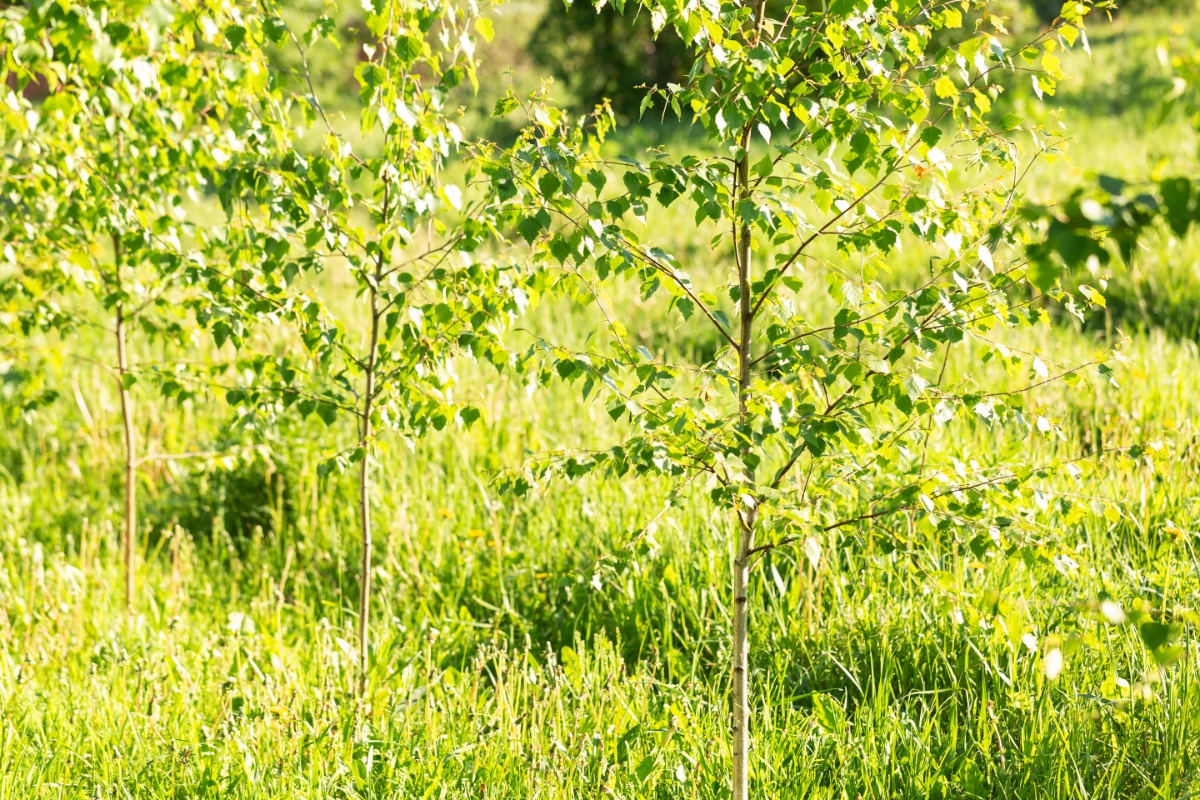
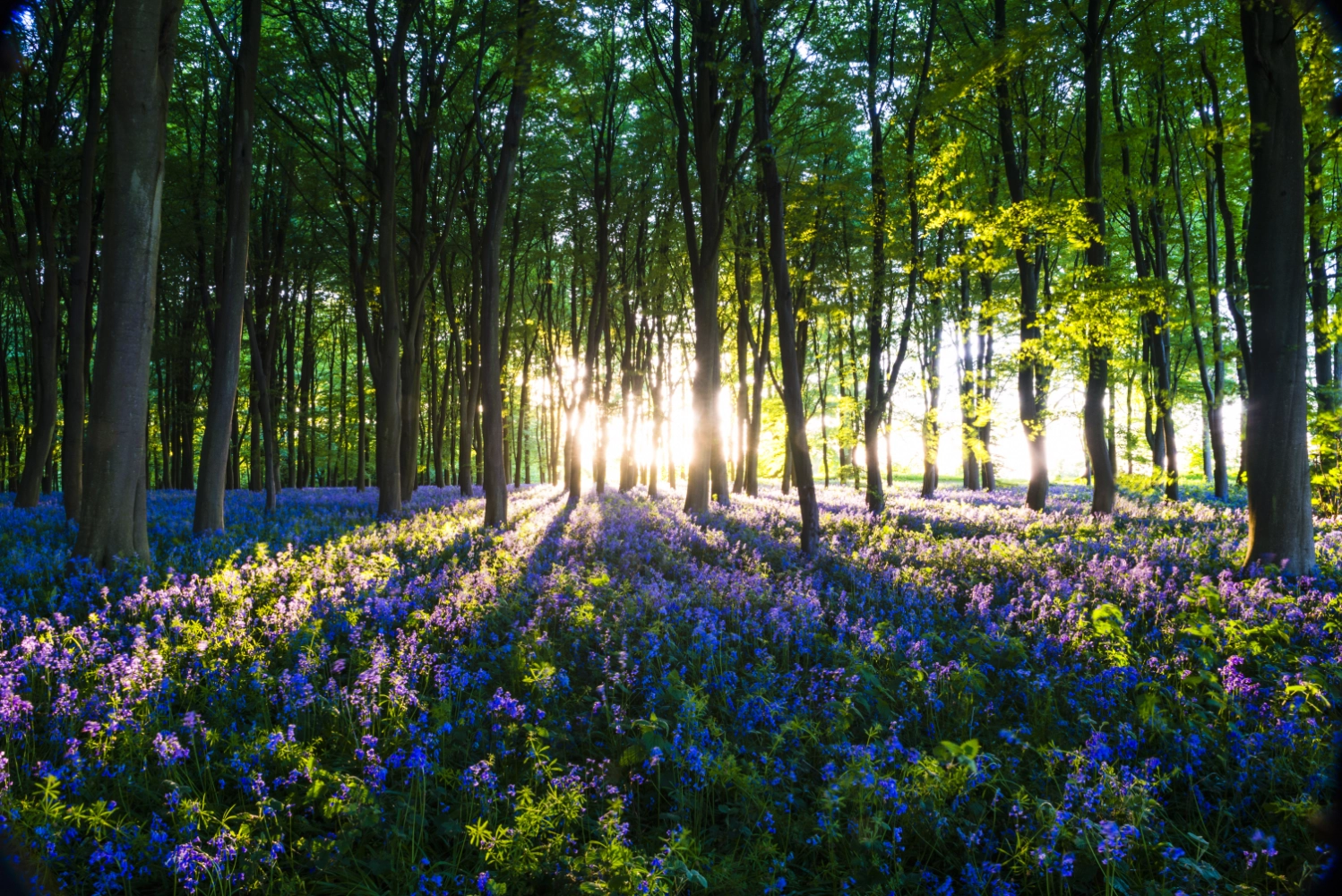
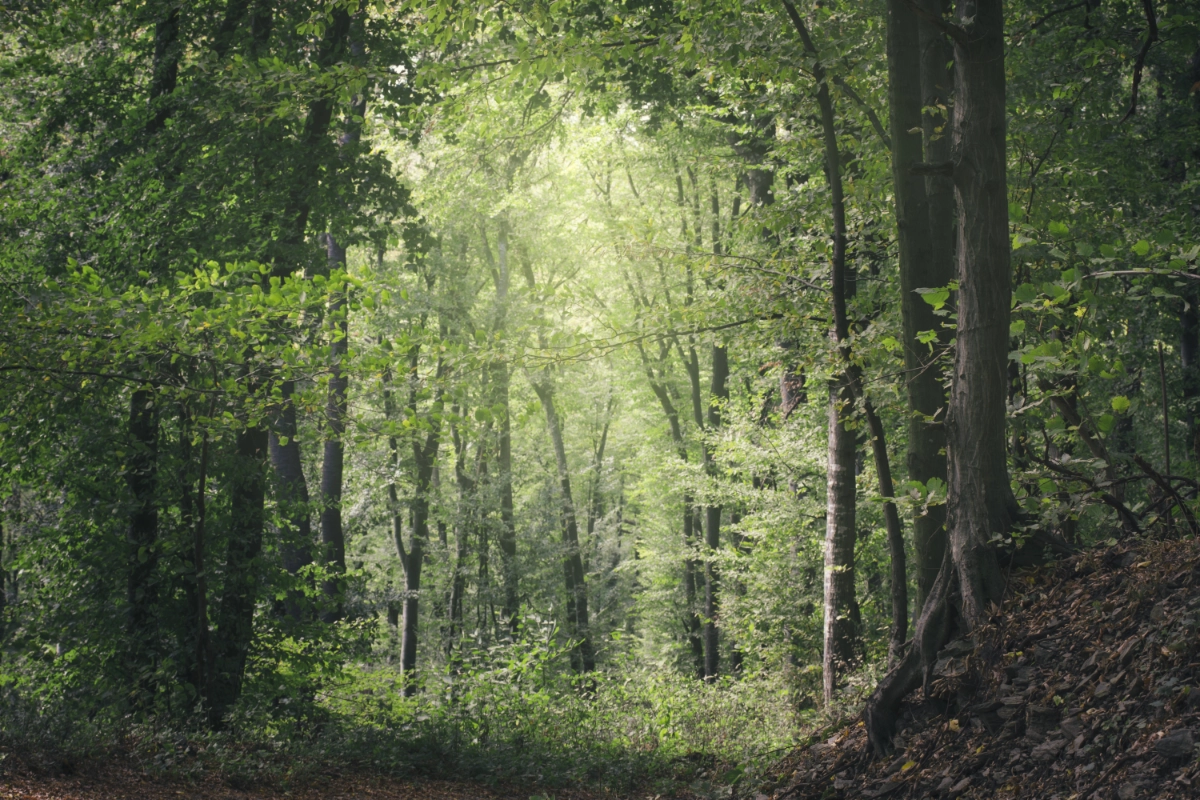
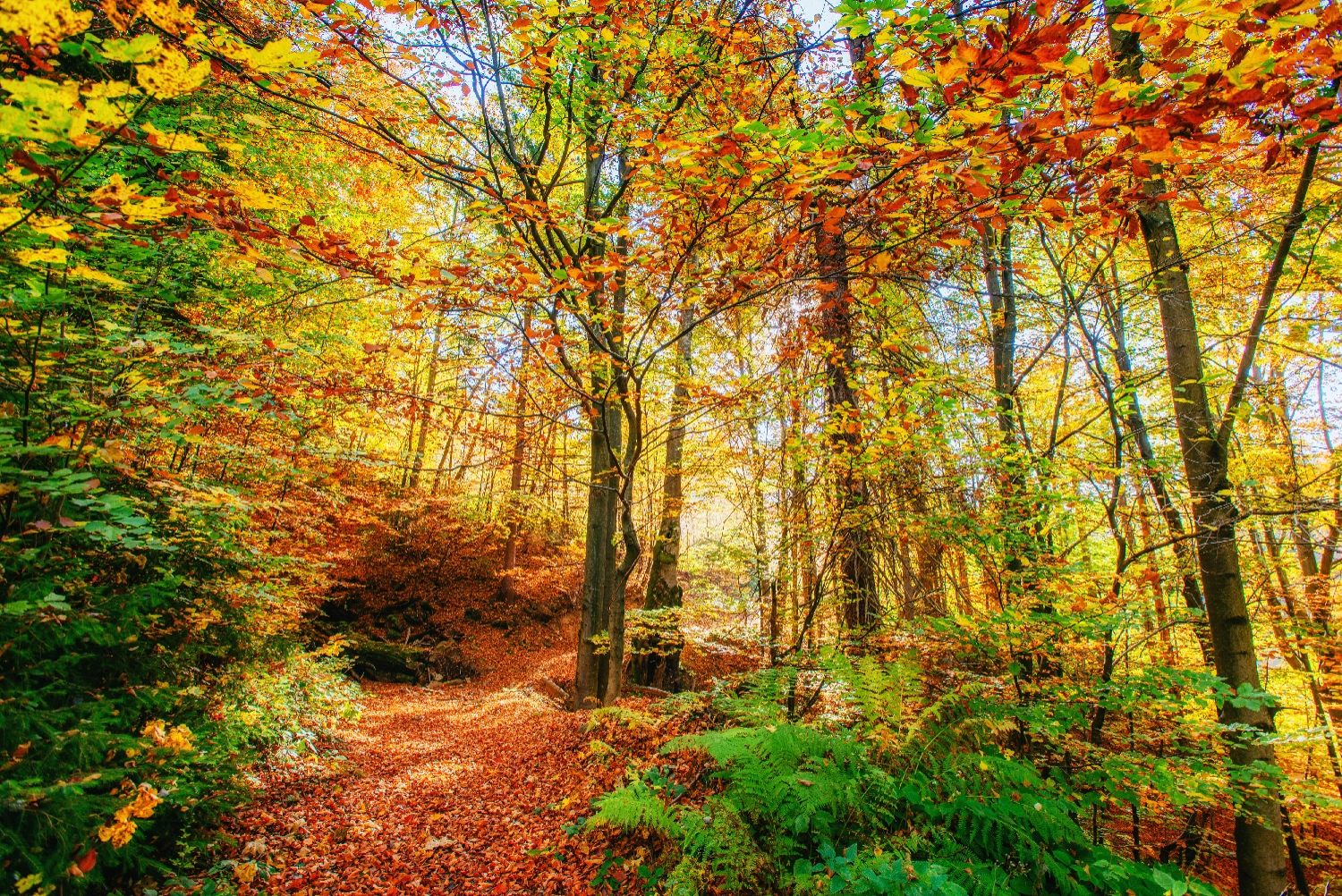
Woodland burial sites with trees and shaded paths
-
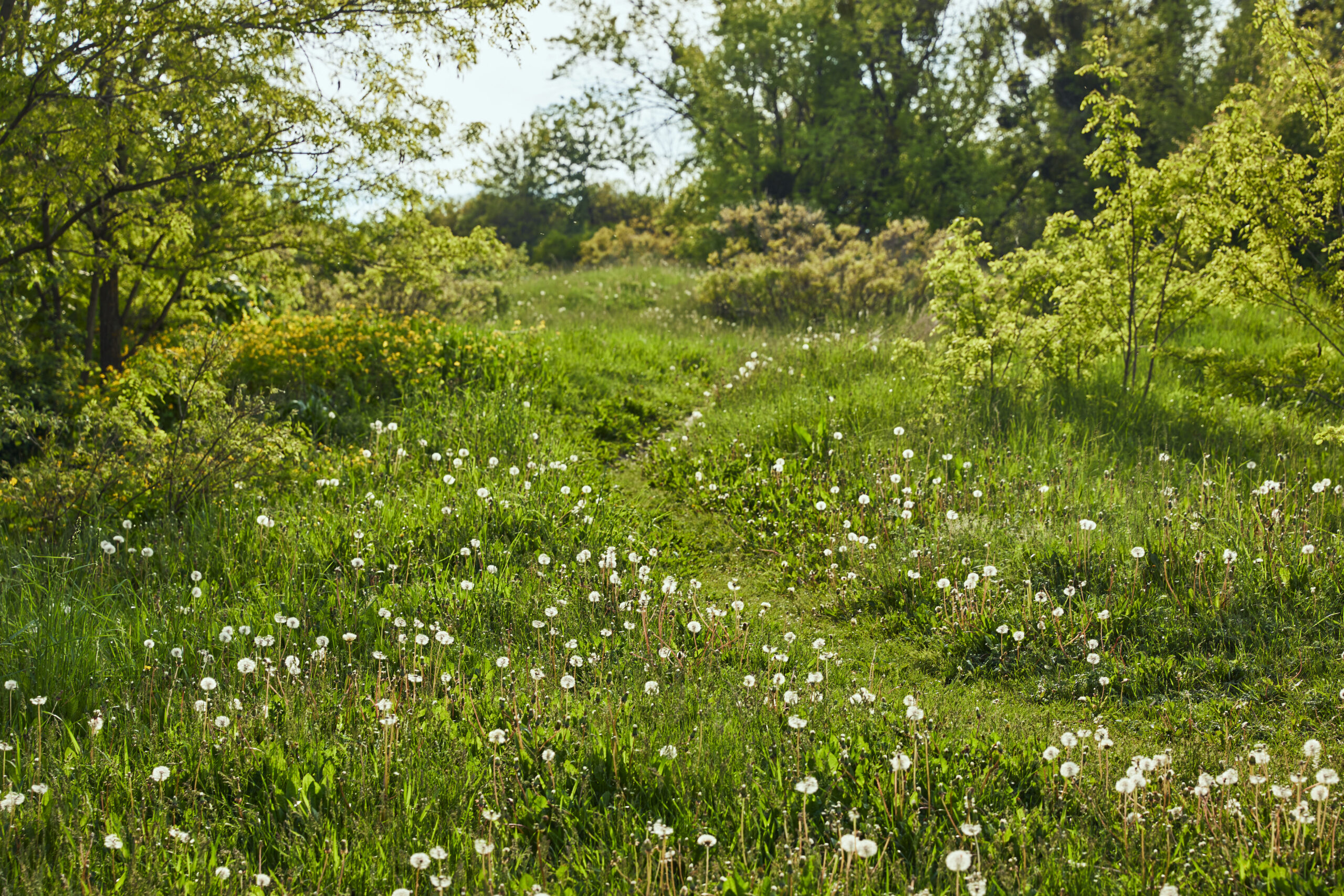
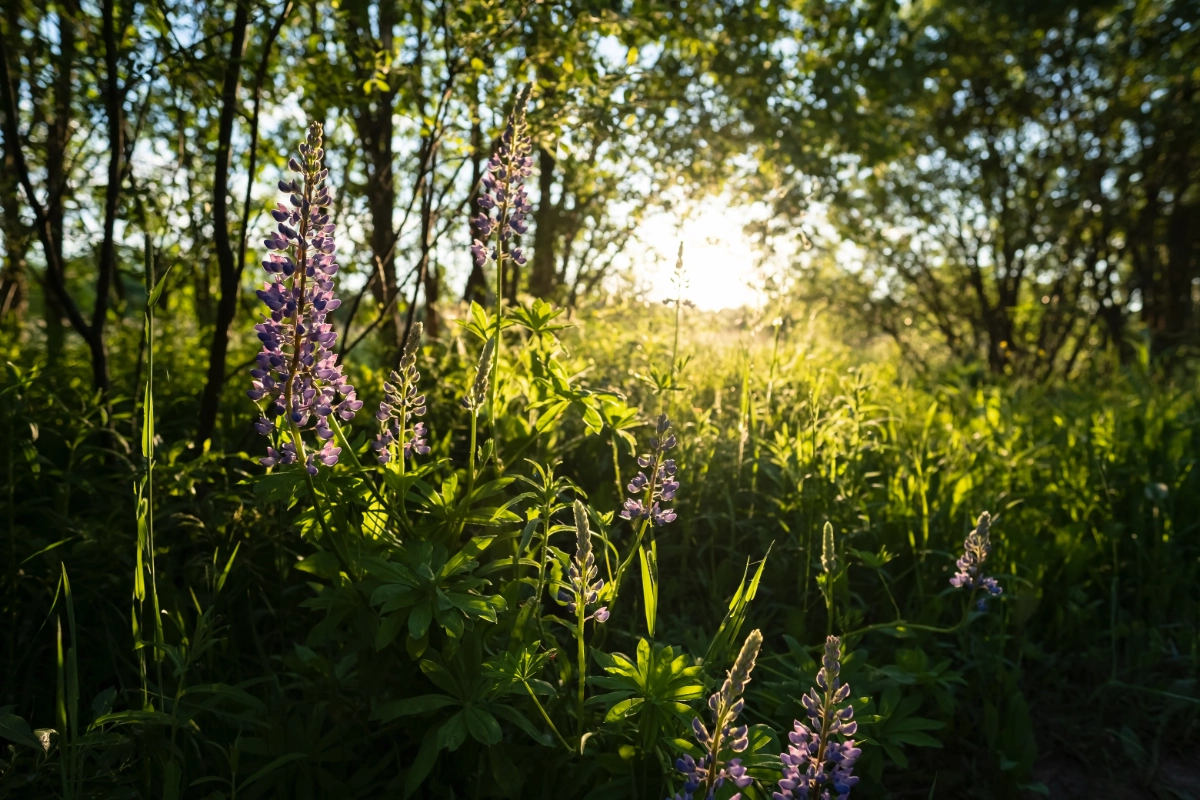
Wildflower meadows filled with native species
-
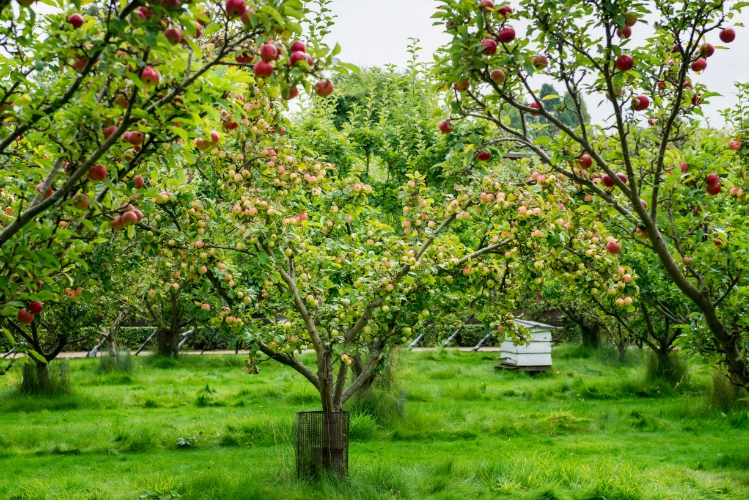
Pastureland with wide, open views
-
Conservation areas managed for wildlife
Each has a different feel. Visiting in person is the best way to see what resonates with you.
Management style
Some sites are more maintained; others are intentionally left wilder to benefit biodiversity. Choose a landscape that feels meaningful and respectful to you.
Understand the Ground’s Rules and Regulations
Every natural burial ground has its own requirements. These may include:
Approved coffin and shroud materials
Most will accept:
Memorial options
Natural burial grounds often restrict:
-
Headstones
-
Sculptures
-
Plastic flowers
In many sites, memorials may take the form of a tree, wildflower planting, or a mapped location within a natural landscape.
Environmental protections
Some are protected conservation areas where strict ecological standards apply.
Check Ownership and Long-Term Security
Burial grounds in the UK may be run by:
-
Charities
-
Trusts
-
Local councils
-
Private landowners
-
Natural burial organisations (e.g., woodland burial trusts)
Look for assurances such as:
-
Long-term land management plans
-
Conservation commitments
-
Whether the land is protected from future development
-
Clear contact details and governance structures
This helps you feel confident that the resting place will be cared for in the decades to come.
Explore Environmental and Conservation Values
Many people choose a natural burial because it supports nature. Consider:
Biodiversity approach
Does the burial ground contribute to:
-
Wildflower meadow restoration?
-
Woodland regeneration?
-
Soil health?
-
Wildlife corridors or protected species?
Sustainability practices
Some sites follow strong ecological management approaches, while others simply avoid conventional cemetery practices.
Understand the Costs
Costs vary depending on:
-
Plot type - Burial or Ashes. Single or double Plot
- Grave Preparation - Digging
-
Whether a tree or memorial option is included
-
Service and interment fees
-
Whether ashes interment is available
Natural burials are often more affordable than traditional cemetery burials but can vary by region.
Visit the Site
A visit can help you understand whether the burial ground feels right. While visiting, notice:
The atmosphere
Does it feel peaceful and natural?
Accessibility
Are paths suitable for people with mobility challenges?
Are parking and facilities in place?
Staff support and communication
Are the team welcoming, knowledgeable, and transparent?
The landscape’s long-term look
Some areas may change dramatically through the year — wildflower meadows, for example, look very different in winter than in summer.
Ask Questions
How to Choose a Natural Burial Ground. Asking questions can help you compare sites with confidence. For example:
-
What types of coffins or shrouds are allowed?
-
Can family members help carry or lower the coffin?
-
Can a tree be planted? If so, what species?
-
How is the land protected and maintained long-term?
-
Are there any additional fees (interment, administration, memorials)?
-
Are ashes interments allowed?
-
How are plots marked or mapped?
Consider Future Visitation and Aftercare
Decide how often you or family members may want to visit. Some sites are:
-
Very peaceful but remote
-
Seasonal (meadows can be difficult to access in winter)
-
Designed to blend back fully into nature over time
If long-term visibility or a defined place to visit is important, choose a burial ground that maps plots clearly and maintains accessible pathways.
Using a Directory to Compare Options
Directories like Natural-Burial-Grounds.co.uk gather burial grounds into one place, helping you explore by:
-
County
-
Landscape type
-
Woodland vs meadow
-
Services available
This makes it easier to shortlist and compare options before arranging visits.
Look at our map to identify Natural Burial Grounds Near Me.
Choose a Natural Burial Ground
Choosing a natural burial ground is a meaningful decision rooted in care, reflection, and connection to nature. By considering location, environmental values, regulations, long-term protection, and the feel of the place itself, you can find a resting place that honours both the person and the landscape.
If you're beginning your search, exploring our directory can help you compare options and discover natural, woodland, and meadow burial grounds near you.
Most Asked Questions
Natural Burial Grounds
Guidance
Memorial Tree
Always ask at your prefered Natural Burial Ground.
Biodegradable Coffins
Open to Everyone
Long term Plan
Environment