
Planning a funeral is never easy, especially when you’re trying to carry out your loved one’s wish for a natural burial. This step-by-step guide, we’ll walk you through everything from finding a beautiful natural burial site to dealing with paperwork, arranging the burial (with or without a funeral director), choosing an eco-friendly coffin or shroud, planning a meaningful ceremony, and knowing what to expect on the day. Our hope is that these clear steps, practical tips, and gentle suggestions will make your decision-making easier during a difficult time.
What is a natural burial?
In a natural burial (or “green burial”), the person is laid to rest with minimal environmental impact, often in a woodland or meadow rather than a traditional cemetery.
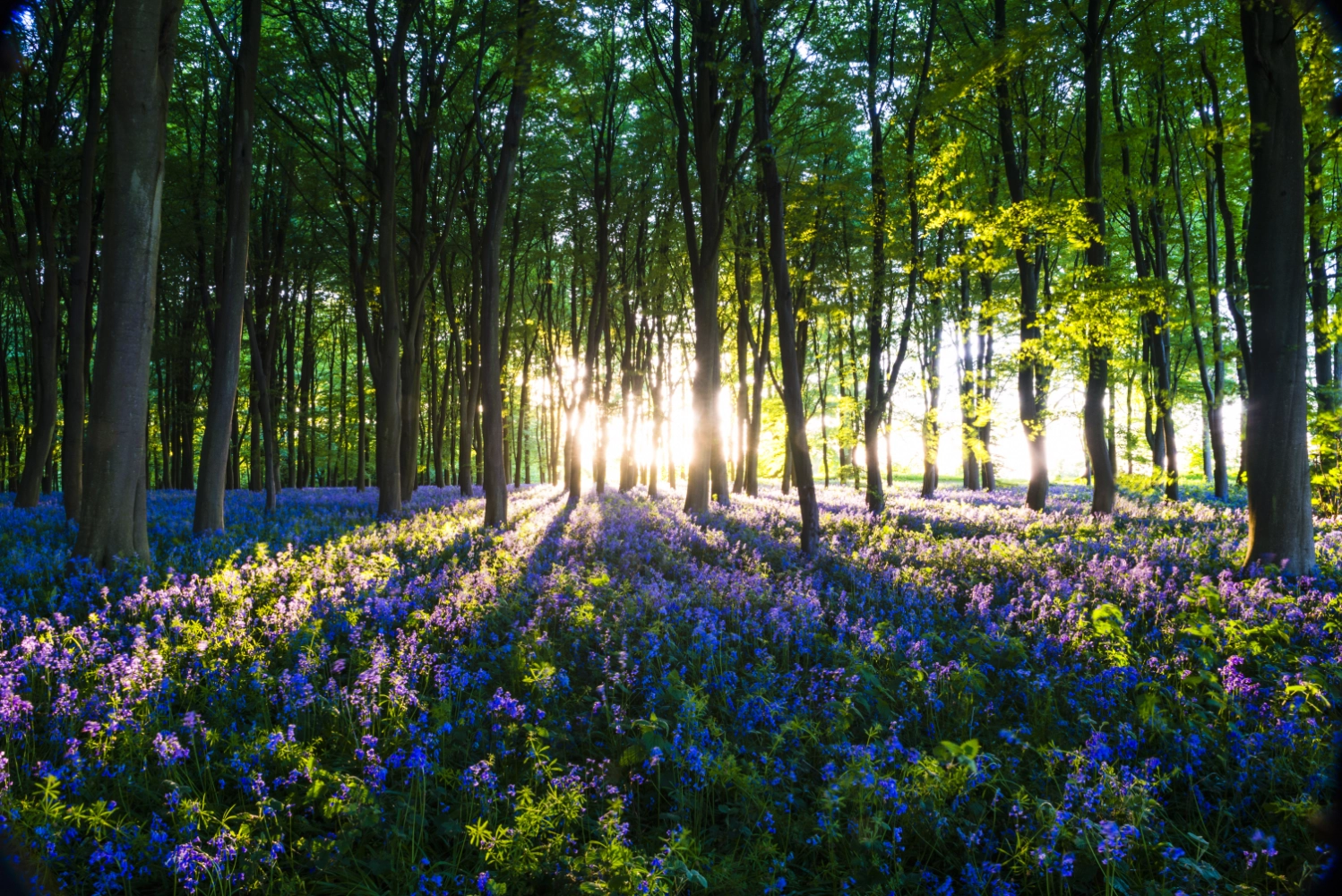
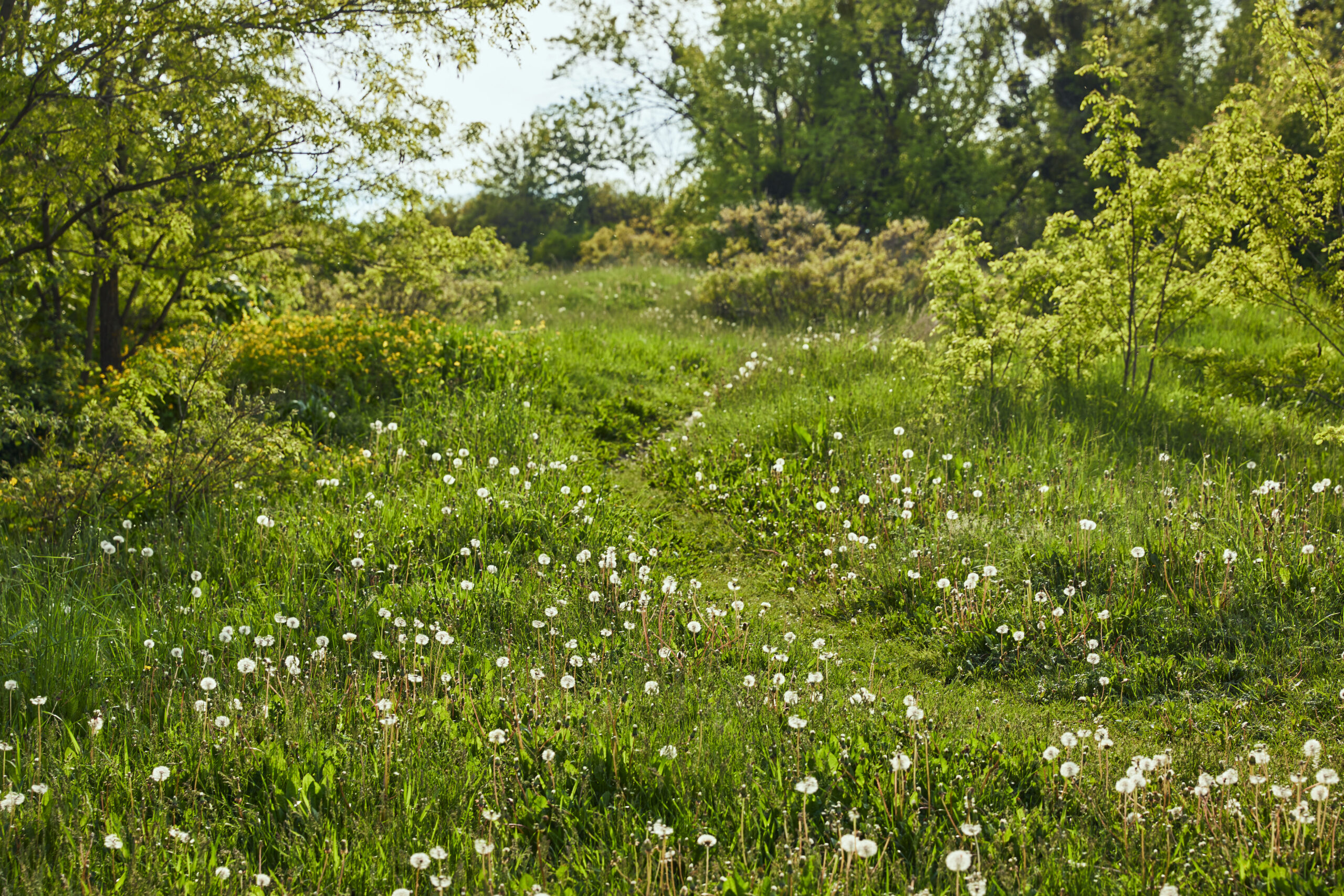
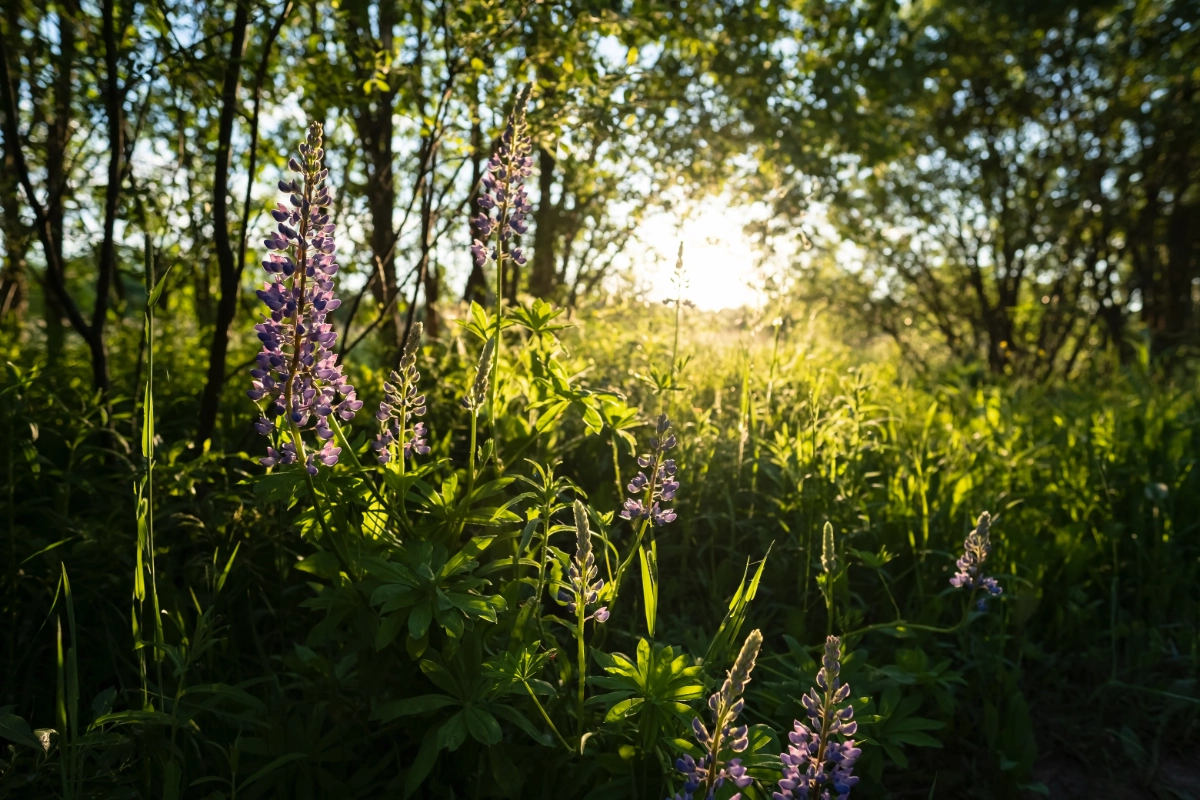
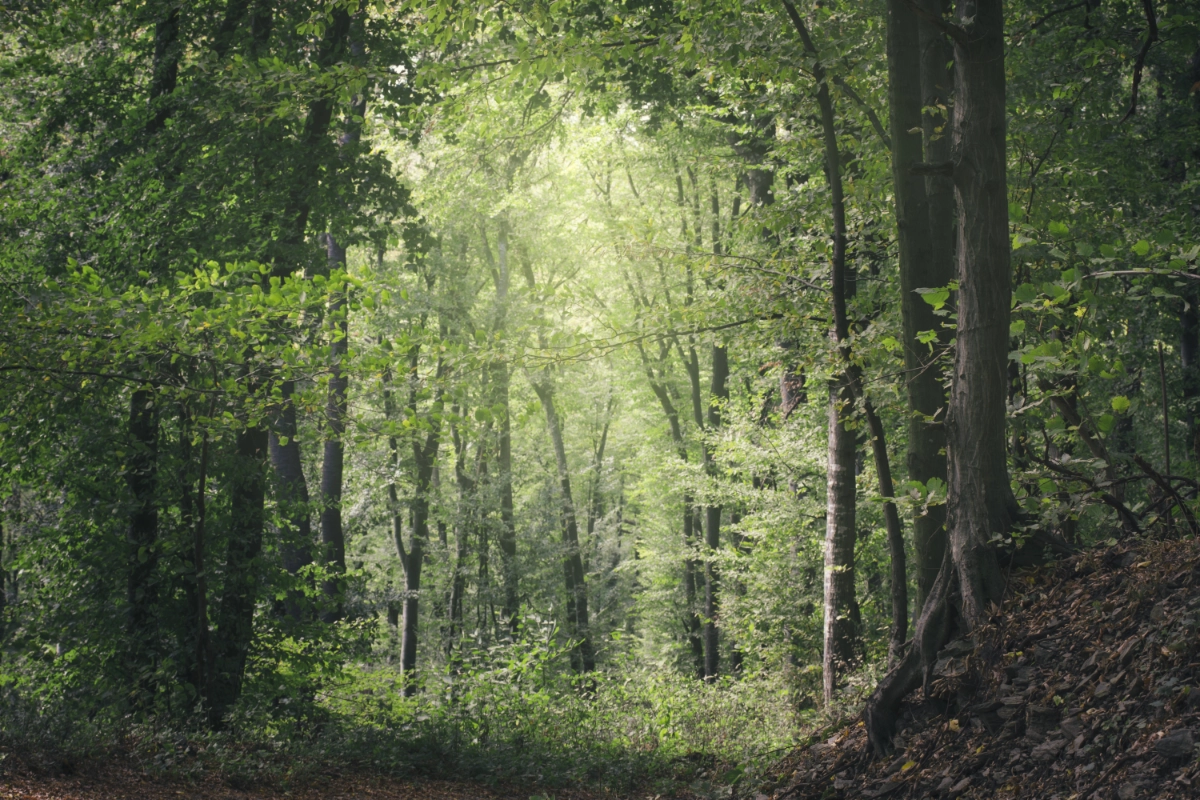
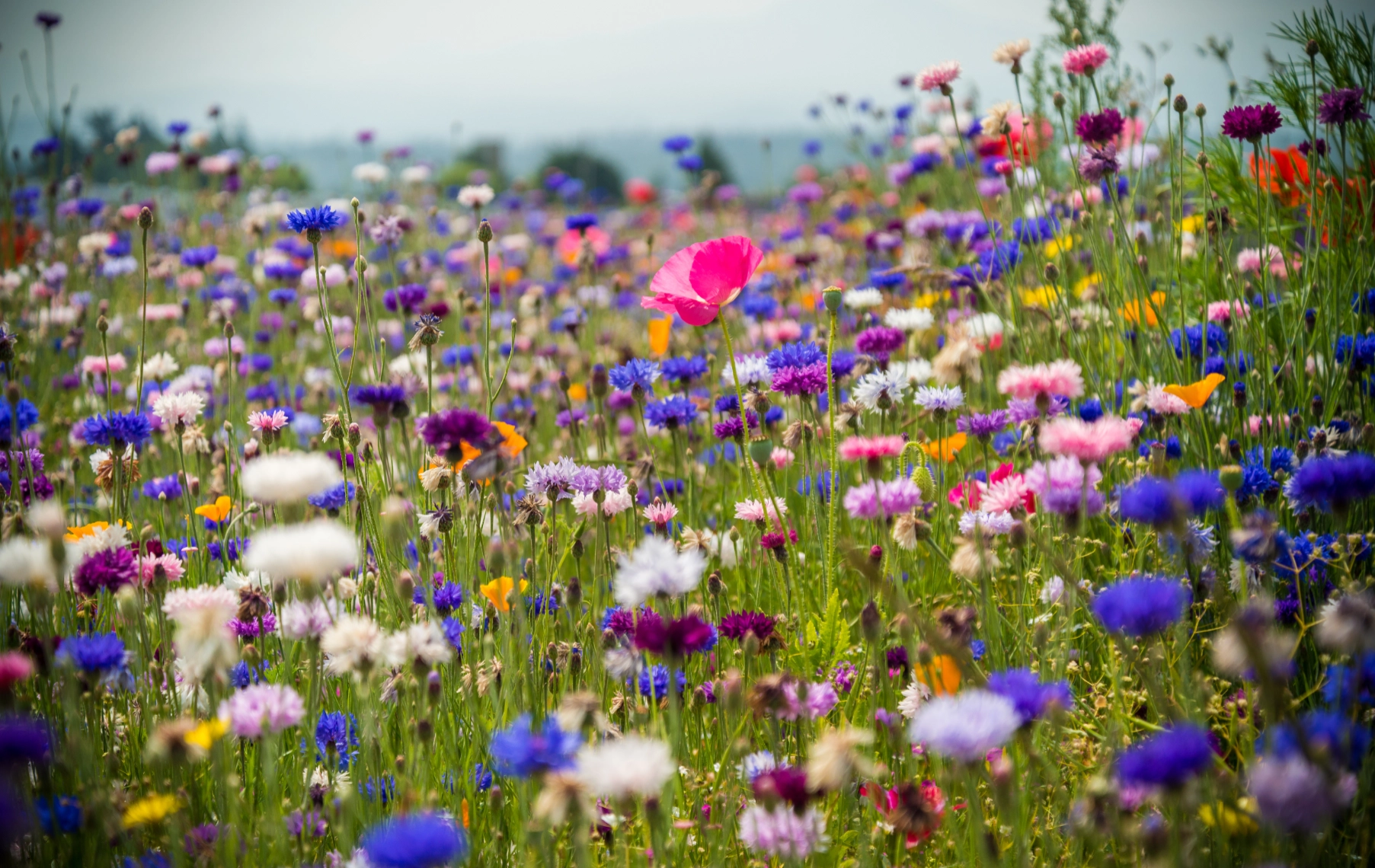
The grave and surroundings are kept as natural as possible – you might not even notice it’s a burial site at first. There are usually no standing headstones or manicured lawns; instead you may find wildflowers, trees, and sometimes simple markers or coordinates to mark graves.
The body is not embalmed (no chemical preservation) and is placed in a biodegradable coffin or shroud so it can return to the earth naturally.
Natural burial grounds in the UK range from established green cemeteries run by local councils to independent woodland or meadow sites – as of recent years, there are over 250 natural burial sites in the UK, so there may well be one near you.
How to Plan a Natural Burial
Below, we’ve broken the process into clear steps. Feel free to skip to the section you need, and remember you can involve family and friends at every stage. Planning a natural burial is about creating a personal, eco-friendly goodbye that feels right for you and your loved ones.
Finding and Choosing a Natural Burial Site
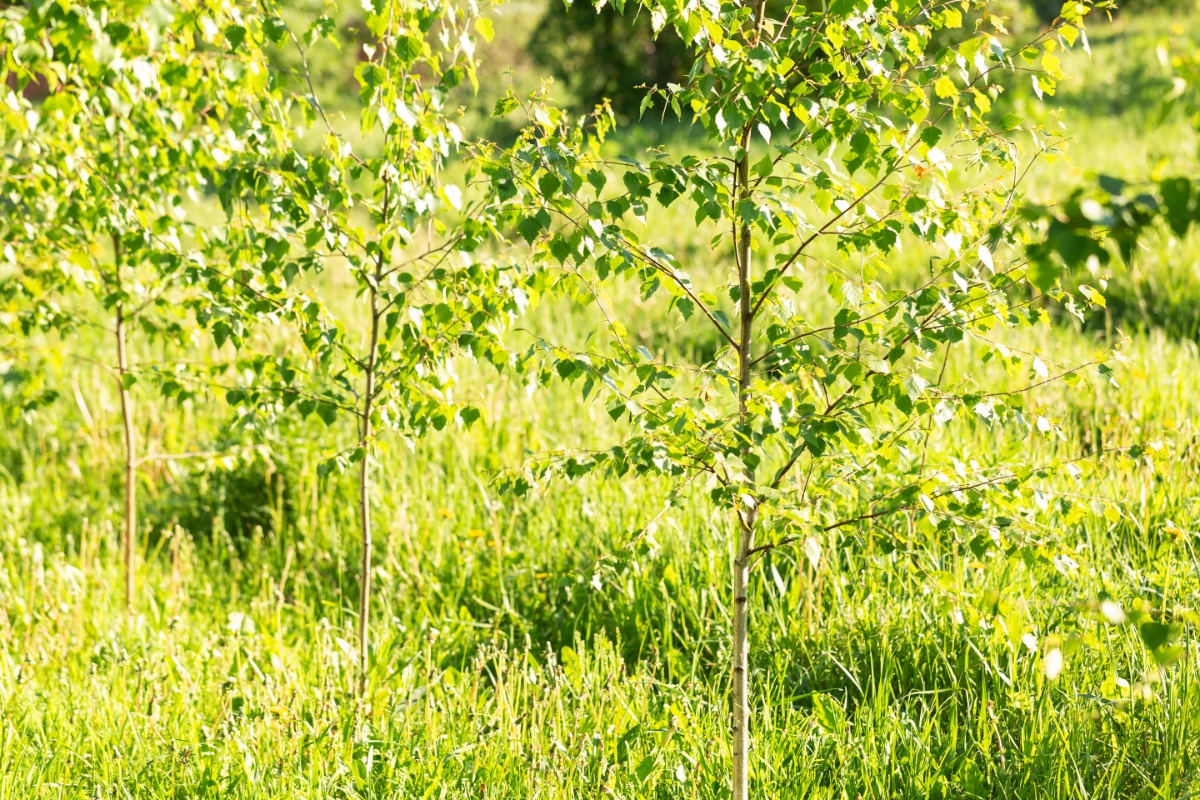
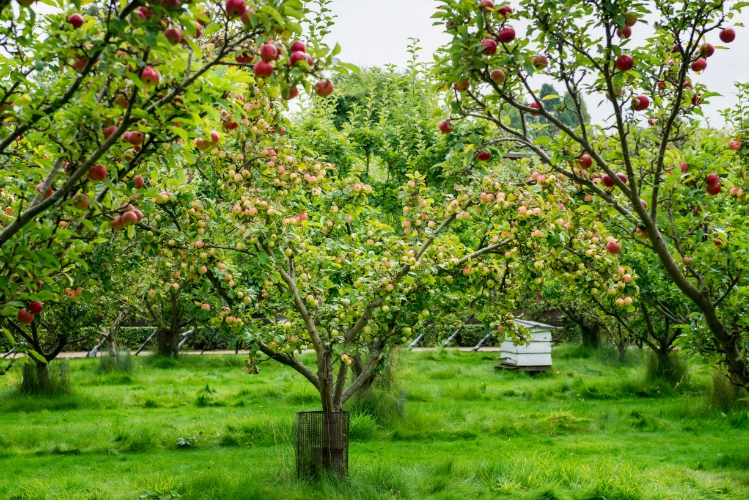
The first step is to choose the right natural burial ground for your loved one. Natural burial sites can vary widely – some are in mature woodlands, others in wildflower meadows or even orchards. There’s no single “look” to these places; each has its own character and landscape. Here’s how to find and decide on a site:
-
Search for local natural burial grounds: Use our online directory map to search natural burial grounds near you . This will give you an idea of what’s available in your region. You can also ask local funeral directors or look for council-run natural burial areas.
Tip: Our website’s directory lets you search by postcode – try entering your town or county to see nearby options. -
Consider location and accessibility: How easy will it be for family and friends to get to the site, both for the funeral and future visits? Natural burial grounds are often in rural areas or on farmland. Check the distance and transport options. If many attendees don’t drive, you might need to arrange transport or choose a site closer to public transport. Also think about the setting – would your loved one prefer a quiet wooded glade or an open meadow with views? Visiting in person, if you can, is a great way to feel the atmosphere. We would suggests visiting any site you’re considering, so you can meet the staff and see if it feels right.
-
Ask about rules and facilities: Each natural burial ground has its own rules, so don’t be shy about asking questions. Common things to ask:
-
Coffin/shroud requirements: Most require biodegradable coffins or shrouds and no embalming – which is usually fine, as you likely want an eco-friendly option anyway.
-
Memorials: Can you have any marker or plant a tree, or do they only allow a communal memorial? Many sites do not allow traditional headstones to keep the area natural. Some might allow a small wooden plaque, wildflower planting, or will give you a map of the grave location instead.
-
Ceremony facilities: Do they have a shelter, hall or chapel on-site for a service if it rains, or is it all outdoors? (Some larger green cemeteries have simple service halls, but many sites are just open nature.)
-
Coffin Transportation: How will the coffin be transported? From arrival to the final resting place. Some have carts for transportation.
-
Parking and access: Is there parking nearby? How far do guests need to walk to the grave? The terrain may be uneven (meadows, forest paths), so you’ll want to know if it’s accessible for elderly or disabled guests and how to plan (for example, you might arrange some chairs or use a wheeled bier to transport the coffin).
-
Facilities: Check if there are toilets on site or not (many natural sites are fairly rustic – if not, you’ll want to let guests know to prepare beforehand).
-
-
Think about environmental impact: One reason people choose natural burial is to protect the environment. It’s worth considering how each site aligns with that. For example, a local site means less travel (reducing carbon emissions). The way the land is managed also matters – some sites actively restore native woodland or wildflower meadows, which can be a comforting thought. All officially “green” burial grounds will avoid pesticides and artificial fertilisers on the land. And as a bonus, land used for natural burial is often protected from future development, preserving it as green space for generations.
-
Visit or call the site manager: If possible, reach out to the burial ground staff. They are usually very understanding and can answer practical questions (e.g. how soon can a burial take place, can you visit beforehand, fees, etc.). Visiting the site in advance (even virtually or via photos) can ease your mind – you’ll be able to picture the setting. You might also ask for references or read reviews from other families. Ultimately, choose a place that feels right and is somewhere you’d find comfort visiting in the future.
Practical Tip: Once you have a site in mind, reserve a plot if needed. Some families arrange this in advance (you can sometimes pre-purchase a plot), but even if not, you’ll work with the site to select an exact grave spot. Natural burial grounds usually charge a fee for the plot and a separate interment (burial) fee. Prices vary widely, so ask for a breakdown. Also, clarify if they allow pre-digging the grave (most will have it prepared for you on the day).
Understanding UK Legal & Paperwork Requirements
The legal side of a burial can feel daunting, but we’ll break it down. In the UK, burial law is actually quite flexible, and natural burials are legal and accepted. Here are the key things you need to know and do:
-
Register the death and get burial paperwork: When someone dies, the death must be formally registered with the local Registrar of Births, Deaths & Marriages. This is usually done by a close relative or the executor, within 5 days in England/Wales (8 days in Scotland). Once you register the death, the registrar will give you a document called the Certificate for Burial or Cremation (often referred to as the “green form” because of its colour). This is a crucial form – it gives permission for the body to be buried (or cremated). If you’re using a funeral director, you’ll hand this form to them and they will liaise with the burial ground. If you’re arranging things yourself, you will give this form to the manager of the natural burial site before the burial takes place. (Note: If the death was referred to the coroner (procurator fiscal in Scotland), there might be different forms, but the principle is the same – you need official authorisation for burial.)
-
No embalming needed (or wanted): A common question is whether you have to embalm the body. The answer is no – there’s absolutely no legal requirement for embalming in the UK. In fact, embalming (which uses chemicals like formaldehyde) is discouraged for natural burials. Almost all natural burial grounds require that bodies are not embalmed to avoid introducing toxins to the soil. This usually isn’t an issue; most people choosing a green funeral prefer a “natural” approach to body care. If the body will be cared for at home or by a mortuary for a few days, simple refrigeration or cool packs are enough to keep things stable. (Embalming is only legally required if you need to transport the body abroad, known as repatriation.) So you can feel confident opting not to embalm – it’s safer for you and the environment.
-
Choose burial on private land vs. a cemetery: Most families will use an established burial ground or cemetery (including natural burial grounds). However, some consider private land burial – like burying on your own land or in a family farm or garden. In the UK this is legal, but there are a few extra requirements:
-
Permission and land ownership: You must either own the land or have the landowner’s permission to bury a body there. Check the property deeds for any covenants that might forbid burials (rare, but worth ensuring there’s no restriction).
-
Notify authorities: You don’t need a special license for one or two family burials on private land (one-off burials don’t require planning permission by law), but you do have to inform the local authorities of the burial. Specifically, you should send the details of the burial back to the Registrar (there’s usually a detachable slip on the green form to fill in with the burial location and return to the Registrar).
You also should inform the Environment Agency and follow their guidelines – this is to ensure there’s no risk to water supplies. Don’t worry, it’s straightforward: basically, the grave must be dug in a suitable spot (for instance, at least 30 metres from any spring or stream, and 50 metres from any drinking water well or borehole). You need at least 1 metre of soil covering the coffin when buried (which usually means a grave depth of around 4 feet or 1.2m, since the coffin itself will be some height). Also ensure the bottom of the grave isn’t waterlogged (no standing water). These sound technical, but if you follow common sense about choosing a dry, safe spot, you’ll likely meet the criteria. It can be wise to call your local Environmental Health department for any local advice, but typically a single burial doesn’t pose any issue. -
Record-keeping: When burying on private land, you must create a permanent record. You’ll need to keep a burial register with the property deeds noting the deceased’s name, date of burial and exact plot location. It’s also recommended to update the Land Registry records for the property to note that a burial has taken place on the premises. This is important for future owners of the land – it ensures the grave’s presence is known (and respected). Typically, a note like this is added so that anyone doing a land search or buying the house in future knows there is a grave on site.
-
Consider the future: Think about the long-term when opting for a home burial. While it is deeply meaningful to lay your loved one to rest at home, remember that if the property is ever sold outside the family, the new owners might not want a grave in the garden. In practice, remains can be exhumed and moved to a cemetery later with Ministry of Justice permission, but that’s a process you’d prefer to avoid if possible. Some families address this by keeping the grave in a tucked-away corner and perhaps planting a garden over it. It’s a personal choice – just be aware of those considerations (your loved one may have even weighed this in their wish to be buried at home).
-
-
Burial in a regular cemetery: If you choose a designated natural burial section within a municipal cemetery or churchyard, the paperwork is essentially the same as any burial. The cemetery office will need the green form, and you’ll purchase the burial plot rights (often called Exclusive Right of Burial) for a set number of years. One thing to note: consecration. Many natural burial grounds are non-denominational (not consecrated to any religion), which is fine for most people. If a consecrated (e.g. Church of England) burial is important to your family, you might look for a churchyard that allows natural-style burials or ask a minister to bless the grave separately. Generally, natural sites welcome all faiths or none – there is usually no religious restriction on who can be buried there. That flexibility is a comfort to families of mixed or non-religious backgrounds.
-
No funeral needed (if you don’t want): UK law does not require any funeral ceremony to be held – the only legal requirement is that the body is disposed of (by burial or cremation) in a decent manner. This means you have a lot of freedom. You can have a full funeral service, a simple graveside prayer, or no formal ceremony at all – whatever feels right for you. Many families do choose to have some form of service or gathering to honour the person, but it’s your choice. Knowing this can relieve pressure: you won’t be breaking any rules by doing things your own way.
Burial Paperwork Checklist: By this stage, make sure you have:
-
The Medical Certificate of Cause of Death (usually from a doctor) if applicable.
-
The Death Certificate (issued when you register the death).
-
The Green Form (Certificate for Burial) from the registrar – this is the one you give to the burial ground or complete for a private land burial.
-
Any other forms if required (e.g. coroner’s paperwork, if there was a post-mortem or inquest).
-
If private land, a prepared Burial Register document to append to your deeds (you can simply write out the details or use a template).
-
If using a cemetery or established natural site, confirm the burial booking with the site manager and any paperwork they require (they might have a simple form or contract for you to sign as well).
Don’t worry, it sounds like a lot, but funeral directors or the burial ground staff deal with these all the time and can guide you. If you’re DIY-ing without a funeral director, don’t hesitate to ring the Registrar or Natural Death Centre helpline for advice – they’re very helpful with guiding families through paperwork.
Arranging the Burial: With or Without a Funeral Director
One big decision is whether to use a funeral director (undertaker) or to organize things yourself (sometimes called a DIY or independent funeral). In the UK, you are not required to use a funeral director – it’s entirely your choice. Many people do hire one for convenience, but natural burials are often more family-led, and some families prefer the personal approach of doing it themselves. Here’s how to decide and what to consider:
-
Using a funeral director (FD): A good funeral director can take a lot of stress off your shoulders. They will typically:
-
Collect the person’s body and keep them in a mortuary (or sometimes allow them to rest at home if you prefer).
-
Handle all logistical details like obtaining permits, coordinating with the burial ground, and scheduling doctors or celebrants.
-
Provide (and transport) the coffin, and on the day they bring a hearse (or alternative vehicle) and staff to carry the coffin, etc.
-
They can also arrange viewings, embalming (if it were requested, though for natural burial you’d likely skip embalming), and other services.
-
Using an Funeral Director can be a relief because it spares you from the “behind the scenes” tasks that can feel overwhelming when you’re grieving. However, it does cost money – funeral directors charge for their professional services and any items they provide. For a natural burial, some Funeral Directors offer a simpler package or are willing to be flexible (for example, some may let you do certain parts yourself, like using your own vehicle, to reduce costs).
-
-
Finding a funeral director experienced with natural burials: If you decide to use one, look for a funeral director who is on board with green funerals. Many independent funeral directors are very accommodating with natural burial requests – they might help as little or as much as you need. You can ask the burial ground for recommendations; some sites keep a list of “flexible” or eco-friendly funeral directors. When interviewing or speaking with a funeral director, mention that you’re planning a natural burial and see how they respond. A supportive Funeral Director will respect your wishes (like not embalming, using the coffin you want, and perhaps allowing family involvement in the ceremony). If you encounter one that insists on unnecessary services (like embalming “because we always do that”) or doesn’t respect your plans, know that you can choose someone else. It’s your choice.
-
Doing it yourself (family-led funeral): Arranging a funeral yourself is certainly possible and can be very meaningful. It does require taking on tasks that a funeral director would normally do. Here are the main points if you go this route:
-
Body care: You’ll need a plan for caring for your loved one’s body until the burial. Some people keep the person at home for a day or two (in a cool room, perhaps on a light air conditioning unit or with refrigerated blankets – your local community may have resources for this). If home isn’t suitable, you can ask a local funeral home or mortuary to hold the body for you (sometimes hospitals will hold for a short period too). Keeping the body cool is key; as noted, no embalming is needed, just refrigeration or cold packs.
-
Transportation: You might be surprised, but in the UK it’s legal to transport a body in your own suitable vehicle – you don’t need a hearse. Families have used estate cars, vans, or hired a vehicle. Make sure the coffin or shrouded body fits securely. If you don’t have a van or large car, you can rent one for the day. Alternatively, you might hire a funeral director just for the transport on the day of the funeral (some will do a “hearsette” or private ambulance hire).
-
Equipment and logistics: If you’re handling the burial yourself, coordinate with the burial ground about everything. Typically, the grave will be dug by the site’s staff or a gravedigger they hire (that’s not something families usually have to do themselves, unless you specifically want to help dig). On the day, you’ll need to carry the coffin from the vehicle to the grave. Plan who your pallbearers will be – usually 4 to 6 strong friends/family members can do this, and the burial ground staff might assist or provide a trolley if the distance is long. Practice lifting safely; keep in mind biodegradable coffins (like cardboard or wicker) are sturdy enough for carrying, but you need to support them well.
-
Coordination and timing: Without an Funeral Director, you become the coordinator. You’ll book the burial time directly with the site. Make sure you allow for travel time. It’s wise to have at least one or two other people helping you manage on the day (like a “funeral helper” friend who isn’t as emotionally impacted, to keep things on track).
-
Partial DIY: Remember, it’s not all-or-nothing. You can do some parts yourself and hire professionals for others. For example, you might care for the person at home and then hire a funeral director just for the day of the funeral to provide a hearse and staff to carry the coffin. Or you might have them handle paperwork and you focus on the ceremony planning. Many combinations are possible. It is your right to choose how much to do on your own. Don’t be afraid to ask professionals if they’ll do “just this part” – the worst they can say is no, and many will say yes.
-
-
Involving friends and family: Whether or not you use a funeral director, you can and should lean on your support network. Planning a funeral is not a one-person job. Accept help from others: have someone make phone calls to notify people of the funeral details, ask creative family members to help with ceremony elements (like making a photo slideshow or choosing music), or invite strong friends to assist with carrying the coffin. Involving loved ones can actually be healing. In fact, many people find that being actively involved – even in the hard parts – helps with the grieving process. For instance, some families who opt for natural burial will help fill in the grave after the coffin is lowered, finding it a poignant way to say goodbye. There is no rule against this at natural sites (ask the custodian; they often welcome family participation if you wish). Let people participate at whatever level they feel comfortable – it can be a beautiful collective effort of love.
-
Budget considerations: Doing it yourself can save money because you won’t be paying for full funeral director services. But be mindful of costs that still apply: burial plot and interment fees, coffin or shroud, possibly van rental, flowers, etc. If cost is a concern, get quotes from funeral directors for comparison. Natural burials can be less expensive than traditional funerals, but it varies. Don’t hesitate to discuss budget openly with any professionals – many will suggest ways to keep costs down (like choosing a simpler coffin or holding the funeral on a weekday).
In the end, do what feels right for your family. Some find great comfort in the guidance of a funeral director, while others value the intimacy of a DIY approach. Both are valid. You can always start off planning yourself and bring in a professional if it gets too much. The priority is saying goodbye in a way that honours your loved one and gives you peace of mind.
Selecting a Coffin or Shroud (Eco-Friendly Options)
Choosing a coffin (or shroud) for a natural burial is a chance to make an environmentally-friendly choice that still feels personal and respectful. Natural burials require using a coffin, casket or shroud that is fully biodegradable – no metal, plastic, or toxic finishes. Fortunately, there are many beautiful options these days, far beyond the traditional heavy wooden coffin. Here’s what to consider:
-
Biodegradable materials: Opt for coffins made of natural materials that will break down in the earth. Popular eco-coffin materials include willow (wicker), bamboo, seagrass, banana leaf, cardboard, untreated softwood, mushroom, and even wool or felt. For example, willow coffins are handwoven and sturdy, cardboard coffins can be plain or printed with designs, and there are woolen coffin “pods” that are soft to the touch. All of these will naturally decompose and return to the soil. There’s a growing market for these sustainable coffins, so you can find one that suits your style and budget without compromising on quality. In fact, sustainable coffins can be very beautiful, often handmade with care, proving that eco-friendly doesn’t mean “less dignified.”
-
Consider a simple shroud: You might choose to forgo a coffin altogether and use a burial shroud. A shroud is usually a piece of natural fabric (like cotton, linen, or wool) used to wrap the body. This is perfectly legal and accepted at most natural burial sites – it’s as old and natural as burial gets. If using just a shroud, ask the burial ground if they have any special requests. Some may require the body to be brought on a rigid board or a simple carrier, to make lowering easier. Often funeral directors or shroud makers provide a “shroud bearer” (a board with handles) or you can even use a wooden door or ladder in a pinch. Shrouds can be very personal – families sometimes decorate the cloth with meaningful designs, or use a favourite blanket. Just ensure the fabric is natural (no plastic or metal anywhere).
-
No plastic or metal fittings: If you do pick a coffin, it should be 100% biodegradable. That means no metal screws or plastic handles. Many green coffins use rope handles or built-in wicker handles, and they use natural glues. If you’re buying from a reputable eco-coffin supplier, they will advertise it as suitable for natural burial. If using a traditional-style coffin, make sure to remove anything not natural – for instance, remove silicon gel packets, plastic crucifixes, or synthetic lining. Even clothing on the deceased should ideally be natural fibres (cotton, wool, etc.), as many sites request that only biodegradable items go in the grave. ( e.g. replacing synthetic clothing or lining with simple cotton.)
-
Personalising the coffin: One advantage of simpler coffins (like plain cardboard or wood) is that you can personalise them. Families often decorate a cardboard coffin with drawings, messages, handprints, or stickers. Children might want to draw a picture for Granddad’s coffin, for example. You can also drape a national flag or a patchwork of fabric on a coffin if it’s meaningful – just remember to remove it before burial unless it’s biodegradable. If the coffin is willow or bamboo, you might weave flowers or foliage into it on the day. These personal touches can be very heartfelt. Just check with the burial ground about leaving items: usually natural flowers are fine (without oasis or plastic) and can even be buried with the coffin, but avoid anything that won’t rot.
-
Where to get a coffin or shroud: Funeral directors can supply one, but you can also buy your own. There are specialist companies and even local craftspeople who make green coffins – from willow weavers to carpenters who make simple pine boxes. You can order online; many deliver within 24-48 hours to your home or funeral director. The cost can range: plain cardboard coffins might be £100-£300, willow or wool coffins might be £400-£800, and custom artisanal ones can be more. Shrouds are often under £200. Keep in mind, an expensive coffin is not a requirement for a meaningful funeral – sometimes a simple coffin decorated with love by the family is most touching.
-
A note on quality: While being mindful of sustainability, also consider the source. Some coffins marketed as “green” may have hidden issues – for example, a bamboo coffin shipped from overseas might carry a larger carbon footprint, or a wooden coffin might use toxic varnish. Look for certifications like FSC-certified wood (from responsibly managed forests), and ask questions. A locally-made coffin or one from a known green company is a good bet. The burial ground can usually recommend trusted suppliers. When purchasing a coffin be mindful of how ‘green’ it actually is – some imported wood coffins have a large carbon footprint or contain metal and toxic glue. So doing a bit of homework can ensure your choice is truly eco-friendly.
-
Coffin vs. no coffin at the gravesite: Practically speaking, if you use a coffin, it will be lowered into the grave on straps. If you use a shroud only, the cemetery might use a board or special shrouding tray to support the body for lowering. It might feel different from a traditional funeral, but these methods are safe and respectful. Let the burial ground manager know your choice in advance so they can have the right equipment ready.
Finally, trust your heart on this selection. Some people worry that a simple coffin isn’t “good enough” – but remember, a fancy coffin isn’t a measure of love. Natural burial is about simplicity. As long as it’s biodegradable and handled with care, it is good enough. Choose something your loved one would have appreciated, and that you feel comfortable with.
Planning a Natural Burial Ceremony
One of the most meaningful aspects of a funeral is the ceremony or service. With a natural burial, you have complete flexibility to create a ceremony (or a simple gathering) that reflects your loved one’s personality, beliefs, and the special setting. There is no set template – it can be religious, secular, formal, casual, elaborate, or very intimate. Natural burial ceremonies often feel highly personal and creative, and they can be as relaxed or informal as you want. Here are some ideas and considerations to help you plan:
-
Decide on the type of ceremony: Do you envision a structured service with readings and music, similar to a traditional funeral, or something more spontaneous and open-mic? Both are okay. You might:
-
Have no officiant at all, just family and friends sharing memories in a circle.
-
Invite a celebrant (professional ceremony leader) or faith leader to lead prayers or readings if you want those elements. Natural burial grounds welcome all faiths and traditions – the ceremony can include religious rites if desired, or none at all.
-
Combine ideas: perhaps start with a favourite piece of music or song, have a couple of eulogies or readings, allow a moment of silence to hear the wind and birds, then a closing ritual like placing flowers on the coffin. It’s truly up to you.
-
-
Leverage the natural setting: One reason people choose a natural burial is the beauty of the outdoors. Consider incorporating nature into the service. For example:
-
Hold the ceremony graveside in the open air under the sky. This is common and quite moving (just have a backup plan for rain – umbrellas or a pop-up canopy if heavy rain is forecast).
-
Some sites have a covered area or marquee – check if you can use it for the formal part, then move to the grave for the burial.
-
Use natural symbols: you could have guests each lay a flower or a sprig of foliage on the coffin, or even scatter wildflower seeds into the grave as a sign of future growth (if permitted by the site). Balloon releases are usually not allowed (for environmental reasons), but blowing bubbles or releasing butterflies (ethically sourced) are alternatives some people use.
-
Consider the time of day: an outdoor funeral could be in the morning light or even at midday – you’re not locked into a 30-minute slot like at a crematorium. Many natural sites only schedule one burial per day or space them well apart, so you won’t be rushed. If you want to linger for an hour or two, you typically can.
-
-
Personal touches: Think about what would make the ceremony reflect your loved one:
-
Music: There may not be electricity at the site, but you can play music on a portable speaker or go acoustic. Perhaps someone can sing or play an instrument (guitar, violin) – music in the open air can be very soulful. From favourite hymns to their beloved rock song, anything goes.
-
Readings: Poems, scriptures, letters, or even a simple story about the person’s life. In a natural setting, readings that reference nature, cycles of life, or the person’s own writings can be powerful.
-
Silence: Don’t underestimate the beauty of a shared silence. Surrounded by rustling leaves and birdsong, a minute of silence can feel very profound, giving everyone space for their private farewells.
-
Involving others: Invite family and friends to contribute. This could be formal (ask a friend to do a reading or a relative to share a eulogy) or informal (open the floor for anyone to speak). You might worry nobody will speak – but often a natural outdoor setting makes people feel more comfortable to share memories spontaneously.
-
Children and pets: Natural burials are generally family-friendly and even pet-friendly (some people bring well-behaved dogs on lead to the graveside). If children are attending, consider giving them a role, like placing a flower or drawing a picture to put with the coffin. It helps them feel included and process what’s happening.
-
-
Order of events: There’s no strict rule, but to give you a framework, here’s a common flow for a natural burial day:
-
Gathering: Guests arrive at the burial ground at an appointed time. They might gather at a central point (parking area or shelter) and then walk together to the grave.
-
Introduction/opening: Someone (a celebrant, clergy, family member or friend) welcomes everyone and perhaps says why you’re there – to celebrate and remember the person, and commit them to the earth.
-
Readings, speeches, or prayers: These can be interspersed with music. You could have two or three planned speakers, or keep it fluid.
-
Reflection: A moment of quiet reflection or a guided meditation/prayer, depending on beliefs. Sometimes music is played here softly.
-
Farewell ritual: This is when the coffin is lowered into the grave. It’s often the most emotional moment. The funeral director or staff will do the lowering (with straps) – but you may request family/friends to help if they are willing. Once the coffin rests in the earth, people might toss flowers or handfuls of earth onto it gently. If anyone wants to say final words, they can speak toward the grave.
-
Closing: You could close with a final reading, a prayer, or even a group activity like everyone singing a simple song together. Then thank everyone for coming.
-
Afterwards: At a natural burial, there’s no rush for you to leave. People often stay for a while, comforting each other, or even have a picnic or tea (some sites allow light refreshments or a toast by the grave). Eventually, folks will drift away when they’re ready. The site staff will then complete filling in the grave later (unless you plan to do it as a group).
Remember, you don’t have to follow this order – do what feels right. If the person was non-traditional, you might have a totally unique event (one family had everyone wear bright colours and sit on picnic blankets in a meadow for their loved one’s farewell). The key is: meaningfulness. If it means something to you and honours the person’s life, it’s appropriate.
-
-
Backup plans: Outdoor ceremonies mean planning for weather. Have umbrellas or a pop-up gazebo handy in case of rain. In cold months, advise guests to wear warm coats, and you might serve hot drinks afterward. In hot weather, have water available. Nature can be unpredictable, but being prepared will keep everyone comfortable. Also, consider seating – older guests might appreciate a chair. You can ask the site if they have any portable benches or bring a few folding chairs.
-
Combining with other services: Some families choose to hold a separate service elsewhere (like a church funeral or a memorial event in a hall) and then go for a simple unattended burial. That’s okay too. You could have an official funeral service first, then immediate family accompany the body for a private natural burial afterward. Or vice versa: do the natural burial first with just close family, then hold a broader memorial gathering later. Natural burial offers flexibility in how you coordinate these events – you aren’t constrained by tight schedules. As one provider notes, you may have a ceremony elsewhere beforehand and then just the interment at the natural site. Do whatever best fits your needs, especially if accommodating people who can’t travel to the burial ground.
-
Incorporating beliefs and rituals: If your loved one had a particular faith or spiritual practice, you can incorporate it easily. For example, you can have the Catholic Rite of Committal at the graveside, or an Anglican priest say final prayers (even on unconsecrated ground, they can bless that spot). If they were spiritual but not religious, you might create your own ritual – some people drum or sing, or have everyone light a candle (though be mindful of fire safety outdoors). The natural setting is very amenable to culturally diverse practices too; whether it’s a Quaker silent meeting or an indigenous sage smudging, natural burial grounds are generally open to any ceremony that isn’t damaging to the environment. Always good to run special requests by the site, but most will be fine as long as it’s respectful.
In summary, design a ceremony that feels healing for you and the person who died. There is no “wrong” way – the absence of strict rules is a freedom that can seem daunting at first, but it’s truly an opportunity to do something meaningful. Take your time, involve others in planning, and trust that whatever love and sincerity you bring to the ceremony will make it beautiful. Many families later say how much comfort they found in the deeply personal nature of a green funeral, free from some of the formalities that didn’t suit them.
(If you need help, professional celebrants can work with you to craft a unique service – but it’s also fine to keep it simple. Even a few heartfelt words and silent goodbyes in nature can be incredibly powerful.)
What to Expect on the Day of the Burial
The day of the natural burial will likely be an emotional but also special experience. It may feel different from other funerals you’ve attended, especially if you haven’t been to a green burial before. Knowing what to expect can ease anxieties and help you feel prepared. Here’s a gentle walk-through of how the day might go and some tips for you and your guests:
-
Arrival at the site: When you arrive at the natural burial ground at the agreed time, you’ll usually be met by the site manager or custodian. They often greet the family and guide everyone on what to do next. Unlike a formal cemetery with a chapel, here you might gather under the open sky or at a small meeting point (like a gazebo or gate). Expect a serene, natural environment – you could be surrounded by wildflower meadows, tall grass, trees, and birdsong. It’s okay to take a moment to absorb the peace of the setting. Many people find the environment itself brings a sense of calm.
-
Parking and access: Parking at natural sites is usually on grass or a simple carpark. It’s kept unobtrusive to blend with nature, so don’t be surprised if it’s just a field or a gravel area. Once parked, guests will walk to the gravesite. The staff will show the way; sometimes they’ll have small signs or they’ll personally lead the procession. The walk could be short or a few hundred yards, depending on the site. If you have anyone with mobility issues, let the site know in advance – many have ways to accommodate (for example, all-terrain vehicle can sometimes drive closer, or they might have a wheelchair-friendly path). Tip: Wear sensible footwear. High heels and uneven grassy ground don’t mix well. Sturdy, comfortable shoes or boots are best – you can even mention this to attendees beforehand so they know to dress accordingly. Also advise guests to dress for the weather (coat, umbrella, or sunhat and sunscreen as needed) since we’ll be outdoors.
-
At the gravesite: The grave will be pre-dug and prepared before you arrive. Typically, it will be covered or discreetly fenced off for safety until it’s time. The site may set up a few details like a plank for lowering or mats around the grave to stand on. Unlike traditional cemeteries, you won’t see synthetic turf or big machines; it will look quite natural (sometimes just a mound of earth nearby which will be used to fill the grave later). If chairs were requested, there might be a couple set up for elderly family. The setting is intentionally rustic – think wild grass, flowers, and the open landscape. This natural backdrop can actually make the moment feel very authentic and grounding.
-
The ceremony and burial: You’ll carry out whatever ceremony or service you’ve planned (as we discussed in Step 5). If a celebrant or religious leader is present, they’ll usually take the lead. Otherwise, a family member might MC the proceedings. Speak and move at your own pace – there is no rush. In a natural burial, you generally aren’t constrained to a strict timetable, so take the time you need for readings, reflections, and goodbyes. The crucial moment will be the lowering of the coffin (or shrouded body) into the grave. The site staff or funeral director will manage this with dignity and care. They often use webbing straps; if family or friends are helping, the staff will guide you all on when to lift and lower slowly. It’s a tender moment – some people may want to turn away, others watch and weep, others might step forward to steady themselves with a hand on a loved one’s shoulder. All reactions are okay. After the coffin is laid in place, you’ll have a chance for final farewells at the graveside. Many families at this point will toss a handful of earth or petals onto the coffin, say a personal goodbye, or even place a letter or small token (biodegradable) in the grave. You might invite each person to do something symbolic like this, or just allow people to approach as they wish.
-
Closing and after the burial: Once everyone has had their moment and the ceremony concludes, the formal part is over. At some funerals, attendees might sing a closing song together or someone might offer thanks to those who came. You can then gently let people know that this is the end of the service. At a natural burial, you are welcome to stay as long as you need. There’s no other funeral pushing in behind yours. Some folks might linger by the grave quietly or in conversation. Others might start to drift back to the cars. Follow your instincts – if you want to stay until the grave is filled, ask the custodian if that’s possible (some will let close family help shovel the earth, which can be cathartic; others prefer staff do it for safety, often after guests have left to spare them the heavy labour). Usually, the staff will complete filling and mounding the grave later, and over time nature will reclaim the spot, blending it back in.
-
Memorial markings: Don’t be surprised at the simplicity afterward. Natural graves often have no permanent marker unless you’ve arranged something special. Some sites provide a small wooden marker or a reference number, but many rely on a map or GPS coordinates. For instance, one natural burial company issues a certificate with the exact What3Words location of the grave, so you can easily find it again. It can feel strange not to have a headstone, but remember, this is by design to keep the area natural. You might see that the site has a communal memorial board or a book where names are recorded instead. If having a name displayed is important, ask the site – often they have options like a wall plaque or planting a particular tree species in memory.
-
After-gathering: Just because you’re in a field doesn’t mean you can’t have a little reception. Some families bring flasks of tea, biscuits or even a chilled bottle of the person’s favourite drink to share a toast after the burial (as long as you clean up afterwards, this is usually fine – remember the Leave No Trace principle, take all rubbish home with you). Alternatively, you might invite everyone to a nearby pub, cafe, or back home after the burial for refreshments and further storytelling. This can be a comforting transition from the intense graveside moment back to daily life.
-
Practical comforts: Advise attendees ahead of time to be prepared for outdoor conditions:
-
Wear comfortable clothing and footwear (as mentioned, heels sinking into mud are no fun).
-
Bring layers – it can be cooler or windier out in an open field than expected, or conversely bring sun protection if it’s a hot day.
-
Umbrellas or raincoats if forecast suggests – a bit of rain is okay (some even find it fitting or cleansing), but guests will appreciate being prepared. You might stash a few extra umbrellas in a car.
-
Use the loo before coming – many natural sites don’t have on-site toilets. This is worth noting in your invitation or info to guests (“Facilities are limited, so please plan accordingly”). If someone really needs it, the site might direct them to a discreet spot or a nearby facility, but better to come prepared.
-
If anyone has trouble walking, reach out to the site in advance – they might allow driving closer or have a solution. At the very least, you can arrange a couple of strong people to assist that person on the walk.
-
Weather backup: If extreme weather is expected (storm, snow, heatwave), talk to the burial ground. Occasionally, for safety, they might adjust timing (e.g. earlier in day to avoid heat). They’ve seen all sorts of conditions and will advise. Generally, unless it’s truly unsafe, the burial will go on – so we just dress accordingly.
-
-
Emotional preparedness: A natural burial, with its quiet and beauty, can be very moving. Be prepared for emotions to hit strongly – for you and others. That’s normal and okay. There is often something profoundly real about the moment the coffin is lowered and you’re standing in nature letting go. Support one another; bring tissues (biodegradable ones, of course!). On the flip side, don’t be surprised if there’s also laughter or smiles at times – people might share a light-hearted memory during the ceremony or find joy in seeing a butterfly land nearby, etc. Natural funerals can be surprisingly uplifting as they remind us of the cycle of life.
-
After the day: When you go home later, know that the burial ground will take care of the gravesite. They will fill the grave if not done yet, and often in coming weeks they’ll re-seed it or let wild plants grow. Over months and years, the grave will become part of the landscape. You can always visit in the future – natural burial sites encourage you to come for walks or quiet reflection (they usually have visiting hours during daylight year-round). Many families visit on birthdays, anniversaries, or whenever they need to. Some sites might have an annual remembrance event or simply remain open for solitary visits.
Finally, expect the unexpected in small ways. Perhaps a sudden breeze will scatter petals in a beautiful way, or a bird will start singing right at a poignant moment. These little serendipitous nature moments often become part of the family’s memories of the day. Embrace them – many people later say “it felt like nature was part of the ceremony.” In a natural burial, it truly is.
Planning a natural funeral
Supporting Each Other: Through all these steps, remember to be kind to yourself and lean on others. Planning a funeral while grieving is challenging. Take breaks, accept help, and know that perfection is not the goal – love and sincerity are. Whether you follow this guide to the letter or do things differently, if it’s done with care, it will be the right tribute.
Before we conclude, here are a few key considerations and tips in summary:
-
Religious or Spiritual Flexibility: Natural burials are typically non-denominational. You can incorporate any religious or spiritual elements you want, or none at all. These sites welcome people of any faith or no faith, giving you freedom to create a fitting farewell. If certain religious requirements need to be met (for example, a particular prayer or burial orientation), discuss it with the burial ground – most can accommodate such needs, even if the ground itself isn’t consecrated.
-
Environmental Choices: Nearly every decision in a natural burial can reflect an eco-friendly ethos. You’re already avoiding chemical embalming and choosing a green grave. You can go further by considering sustainable travel (car-pooling to the site), locally-grown flowers (or no cut flowers at all), and perhaps making a donation to an environmental charity in lieu of elaborate wreaths. Even small gestures, like using recycled paper for service sheets, add up. Your efforts honor your loved one and the planet.
-
Transport and Logistics: Work out the practical transport details early. How will the coffin and immediate family get to the site? If using a funeral director, they’ll arrange the hearse. If self-driving, ensure you have a vehicle that fits the coffin and that you feel confident with the route and handling (practice lifting the coffin into the vehicle if doing it yourself, perhaps with help from friends). Also, communicate directions clearly to mourners – natural sites can be off the beaten track. Provide a map link or coordinates in your invitations (“Satnav might not get you all the way there, but look for the oak tree at the gate...” etc.). On the day, maybe assign someone to stand near the entrance to guide arriving cars if it’s tricky to find.
-
Involving Friends and Family: Don’t hesitate to involve others in both planning and the funeral itself. Delegating tasks can lighten your load. For example, one friend can handle creating a music playlist, another can arrange a simple catering for after the burial, another can design a keepsake order of service. People appreciate a chance to help – it makes them feel part of the tribute. During the ceremony, involve those who were close to the deceased: invite a grandchild to read a poem, or a best mate to share a story. Even the grave-filling (for those who want that experience) can be a collective effort – some families each take a turn with the shovel, which can be moving. As much as natural burial is about simplicity, it’s also about community.
-
Aftercare and Memory: Think about how you’ll continue to remember and involve your loved one’s memory. Without a traditional headstone, you might create new rituals: maybe you’ll visit the grave every spring and scatter wildflower seeds, or have a family picnic there on their birthday. Perhaps you’ll keep a memorial book at home or plant a tree in your garden as an additional tribute. Many families find comfort in creating a small memory space at home – a photo and a candle or a beloved object – since the grave itself may not have a marker. The journey doesn’t end on the burial day; these ongoing acts can be healing.
-
Planning Checklist: To help you keep track of everything, we’ve put together a Natural Burial Planning Checklist. It’s a simple, printable guide you can use to tick off each step, from the first phone calls to packing umbrellas for the day. We highly recommend downloading it (it’s free) – it can be reassuring to see all the tasks laid out and mark them done one by one. You can find the checklist here (downloadable PDF). Use it alongside this guide as a practical tool.
How to Plan a Natural Burial
Choosing a natural burial is a compassionate choice – for your loved one, for your family’s unique needs, and for the earth. While it involves some extra thinking outside the box (or outside the coffin, one might say), it often leads to a deeply personal and satisfying farewell. By finding the right green burial site, handling the paperwork step by step, making eco-conscious decisions, and crafting a heartfelt ceremony, you’re creating a legacy of love and respect.
We hope this guide has made the process clearer and less daunting. Take it one step at a time. And remember, you’re not alone – there are resources, professionals, and communities of others who have done this and are ready to help or just offer a listening ear. If you’re ever unsure, don’t hesitate to reach out for advice (be it the burial ground staff, a funeral advice charity, or even supportive forums online).
Above all, trust yourself. You know your loved one and what they would appreciate. Planning a funeral is an act of love, and in choosing a natural burial, you’re honouring that person’s life and values in such a thoughtful way. Through every decision and every heartfelt word spoken at the graveside, you are celebrating their life while returning them gently to nature.
Take care, and know that this natural resting place you prepare will be a spot of peace and remembrance for years to come.
How to Plan a Natural Burial
Explore Natural Burial Grounds Across the UK
Search our Directory ➜ Natural Burial Grounds Near Me
Find peaceful, eco-friendly burial grounds near you.