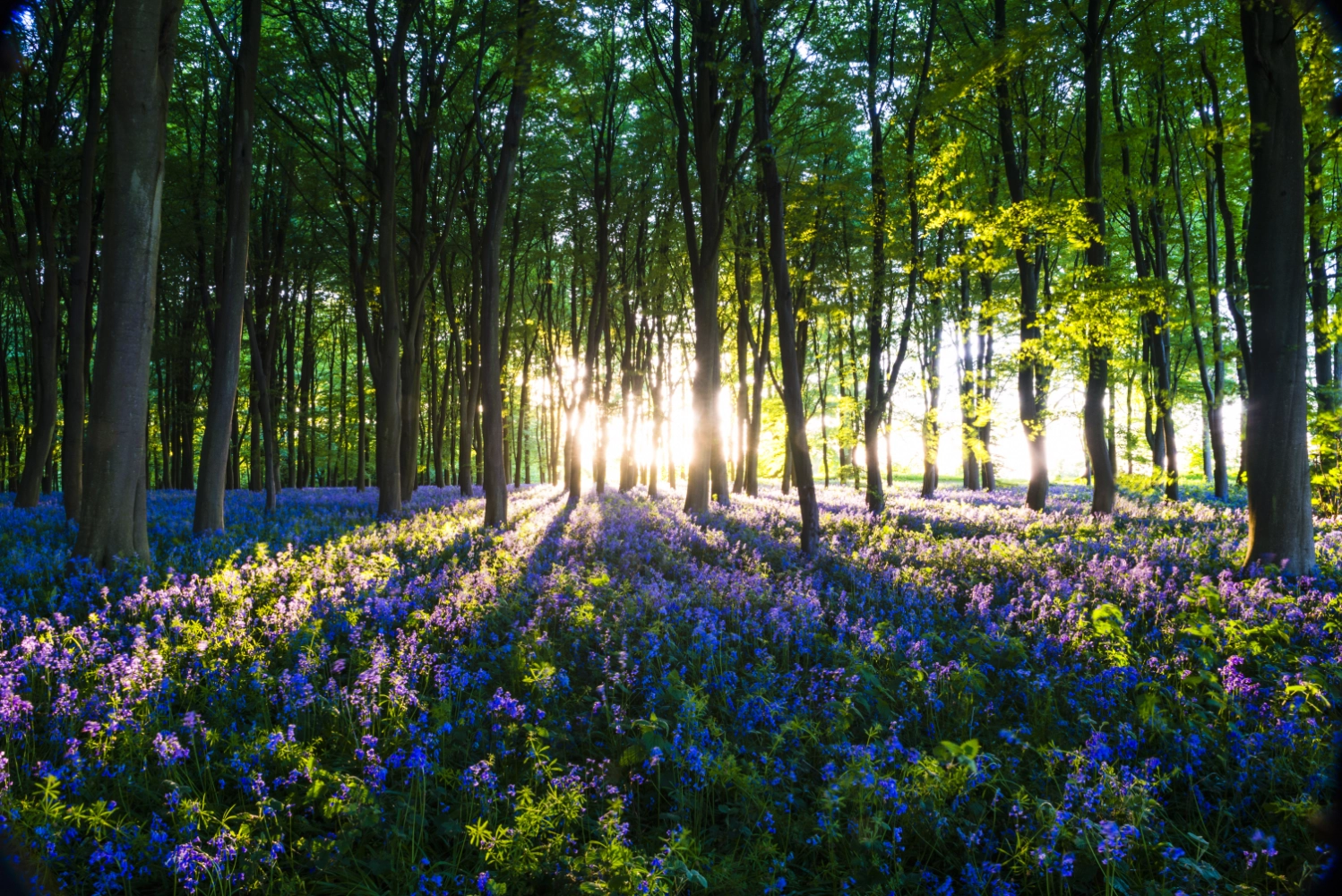
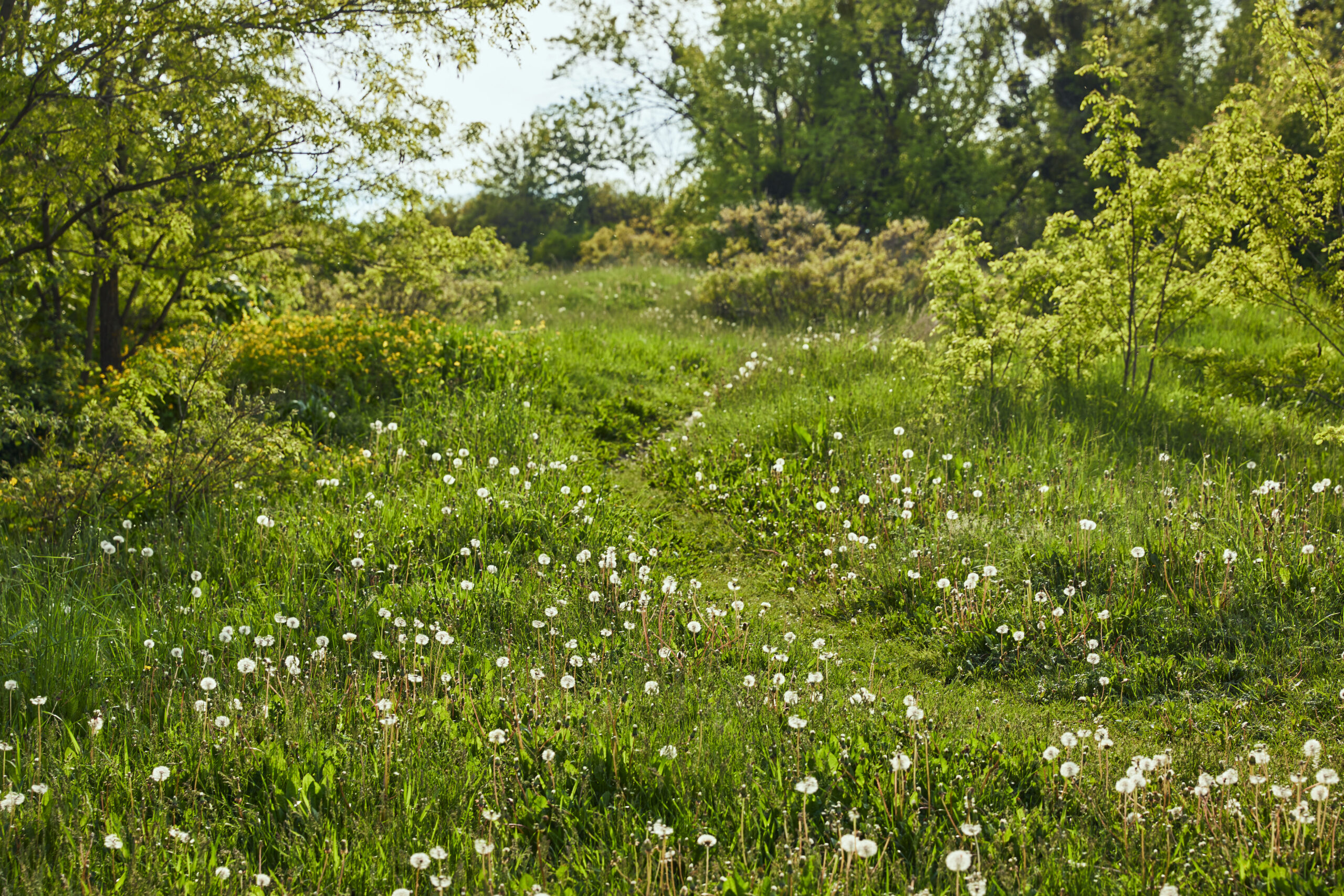
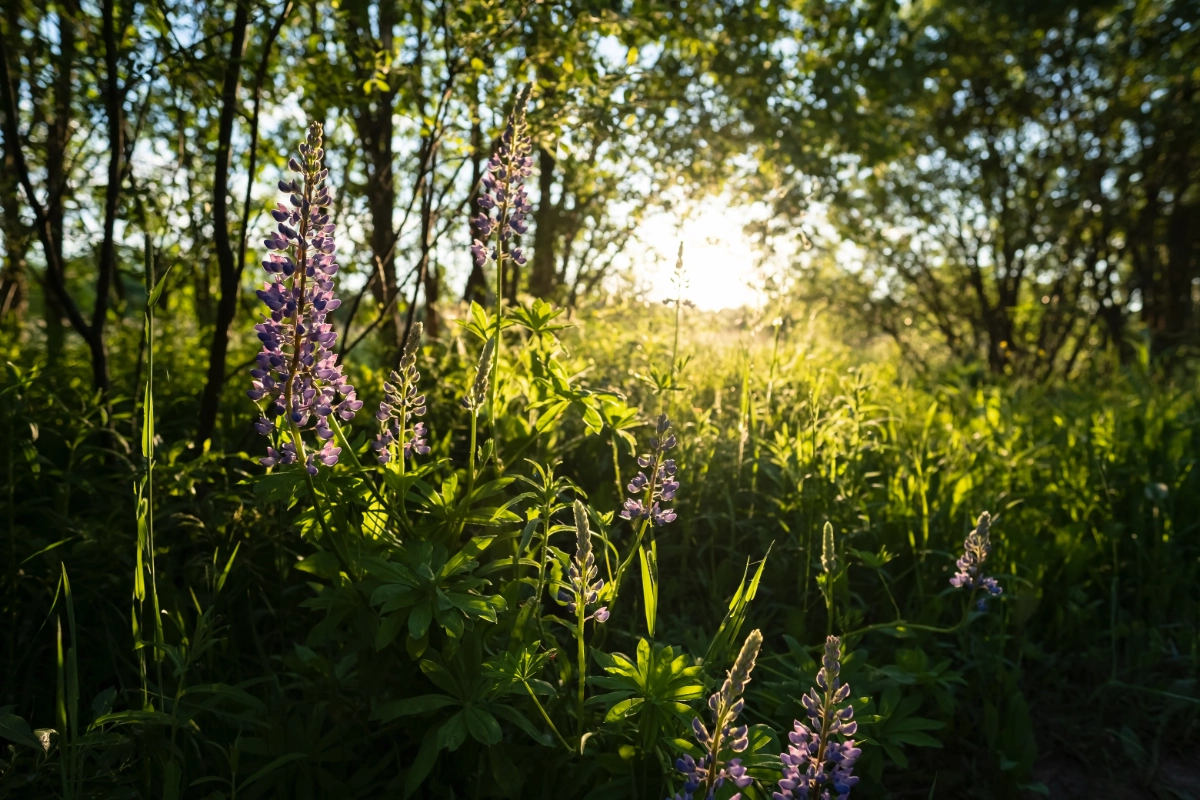
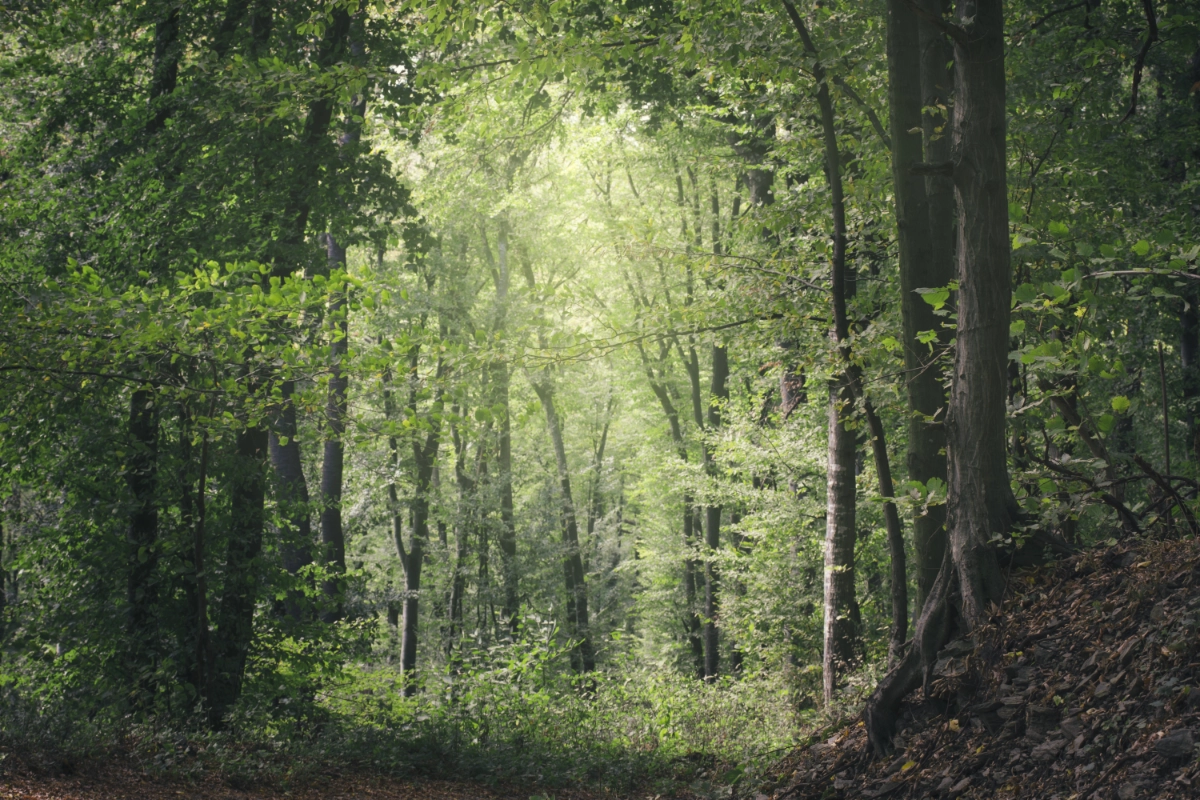
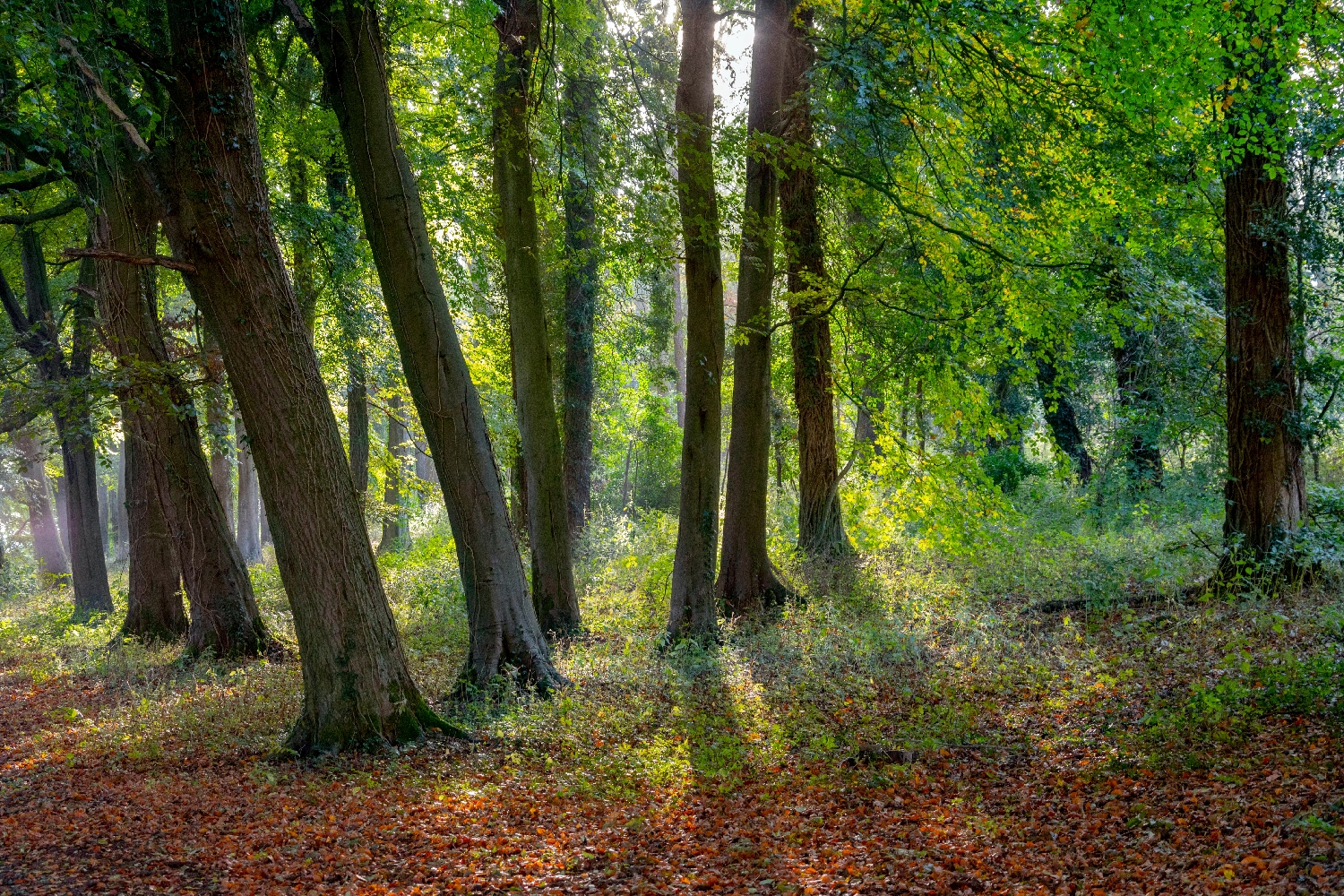
When we talk about natural burial grounds today, we often think of tranquil meadows, young trees taking root, and wildlife returning to places once shaped by human activity. But like every movement, the natural burial revolution had to start somewhere — and it began with one man who dared to imagine a gentler, greener way to care for the dead.
That man was Ken West MBE, a bereavement services manager from Carlisle who transformed a simple idea into a national – and eventually global – shift in how we think about death, remembrance, and our relationship with the land. His pioneering work in the early 1990s helped spark a movement that now includes more than 250 natural burial grounds across the UK alone.
This is the story of how Ken West created the world’s first natural burial ground, why it mattered, and how one idea grew into a powerful environmental and cultural change. The history of natural burial.
A Funeral Industry Ready for Change
By the late 20th century, funerals in the UK had become increasingly industrialised. Cremation was now the dominant form of disposition, and traditional burials involved:
-
imported hardwood coffins
-
concrete
-
pesticides and herbicides for lawn-style cemeteries
-
intensive maintenance
-
landscapes that resembled municipal parks rather than resting places rooted in nature
For decades, this was simply accepted as “what funerals look like.” But beneath the surface, several issues were growing:
Environmental Concerns
People were becoming more aware of pollution from crematoria emissions, formaldehyde in embalming, and the resource-heavy nature of modern burial practices.
Cost and Complexity
Funerals were increasingly expensive, and mourners often felt pressured into choices that had little personal or ecological meaning.
Disconnection from Nature
Many families wanted something simpler, calmer, and more connected to the landscape they loved — but no alternative existed.
Ken West, working in local government cemeteries and crematoria for decades, saw these issues daily. He watched how families responded to the environments around them. He noticed a longing for something more personal, peaceful, and environmentally sensitive.
And he began to imagine something new.
A Radical Idea: Let Nature Lead
Ken West often describes the idea for natural burial as something that “simply made sense”. Why should burial be an industrial process, he wondered, when death itself is a natural part of life?
He envisioned a burial ground that:
-
did not use embalming
-
avoided concrete vaults
-
encouraged biodegradable coffins, shrouds, and urns
-
replaced lawn-mowing with meadow growth
-
allowed trees, wildflowers, birds, and insects to flourish
-
gave families a peaceful, authentic environment
And crucially, he believed these spaces should not be manicured cemeteries but living ecosystems.
This was not only new — it was revolutionary.
1993: Carlisle Opens the World’s First Natural Burial Ground
In May 1993, Ken West created the first dedicated natural burial ground in the world at Carlisle Cemetery. It was called the Woodland Burial section, and it quietly marked the beginning of a global movement.
This new space offered:
-
graves dug into meadow or woodland areas
-
no headstones — instead, families could plant native trees
-
no pesticides or aggressive landscaping
-
biodegradable coffins or shrouds
-
a nature-led aesthetic where the land guided the feel of the site
At first, not everyone understood the idea. Some colleagues thought it strange. Traditional funeral directors were unsure. But families responded deeply and immediately. Many said it felt more meaningful, more peaceful, and far less commercial than the funerals they’d experienced before.
Word spread — and quickly.
Why Ken West’s Vision Resonated
People Wanted a Return to Simplicity
The natural burial approach allowed families to focus on what mattered: connection, remembrance, and the natural world.
Environmental Awareness Was Rising
Ken’s work provided a solution to concerns around pollution, waste, and unsustainable materials.
The Grieving Process Felt Different
Many families shared that the woodland setting made them feel comforted. Returning to a place full of birds, flowers, and trees supported healing in a way traditional cemetery lawns did not.
It Reconnected Death With Life
Instead of seeing death as something clinical or cut off from nature, natural burial reframed it as part of the ecological cycle — something humans had always been part of until relatively recently.
Growing a Movement Across the UK
After Carlisle’s success, other councils began seeking Ken West’s guidance. Over the next decade:
-
Natural burial grounds appeared in Chester, Bristol, Midlands, London, and across the country.
-
Woodland Trust and local authorities began creating new woodland and meadow burial sites.
-
Independently run natural burial grounds emerged on farms, estates, and rewilding projects.
By the early 2000s, the UK was becoming the world leader in natural burial practice — something that still holds true today.
Ken West became the movement’s most respected advocate, helping shape best practice, training cemetery managers, and advising national organisations.
Ken West’s Influence Beyond Burial Grounds
Ken didn’t stop at designing the first natural burial ground. His lifelong commitment to improving bereavement services included:
Authoring Best-Practice Guidance
He published The Natural Burial Movement: History and Heritage, a cornerstone text for anyone researching natural burial.
Advocacy and Public Speaking
He raised awareness of the environmental impacts of funerals long before it was widely discussed.
Changing Policy
His work informed cemetery management standards, influencing environmental guidelines used by local authorities.
Supporting Families
Ken has always emphasised dignity, compassion, and choice. His ideas about how people want — and deserve — to grieve helped humanise bereavement care across the UK.
Natural Burial Today: A Living Legacy
From one small woodland plot in Carlisle, the movement has grown enormously.
Over 250 natural burial grounds now operate in the UK, including:
-
Woodland burial sites
-
Meadow burial grounds
-
Rewilding-based burial areas
-
Conservation burial grounds
Many of today’s natural burial sites actively contribute to:
-
biodiversity restoration
-
tree-planting schemes
-
meadow creation
-
protection of native habitats
-
regenerative land management
Some run conservation grazing, others partner with ecological charities, and many contribute to long-term environmental stewardship plans.
This ecological dimension exists because of the foundation Ken West built. His vision wasn’t simply about greener funerals — it was about healing landscapes.
Why Ken West’s Work Still Matters
Climate and Biodiversity Challenges: With growing concern about climate change and habitat loss, natural burials provide a low-impact and restorative alternative.
An Ageing Population: As people think more intentionally about end-of-life plans, natural burial aligns with a desire to leave a positive legacy.
Cultural Shifts Toward Nature Connection: The COVID-19 pandemic accelerated a return to outdoor spaces, and many people now value nature more deeply — reflected in their funeral choices.
Ethical, Transparent Practices: Natural burial encourages honest, meaningful conversations about death, sustainability, and how we want to be remembered.
The Human Story Behind the Movement
At the heart of the natural burial movement is a simple truth: one person’s idea can change how society behaves.
Ken West’s innovation came not from corporate interest or political pressure, but from years of observing grieving families and listening to what they needed.
He believed:
-
funerals should feel comforting, not clinical
-
burial grounds should enhance biodiversity, not suppress it
-
death should reconnect us with the land, not harm it
-
the choices we make at the end of life should reflect the values we held in living
These ideas continue to inspire funeral directors, environmentalists, landowners, and families across the world.
Natural Burial Beyond the UK
Ken West’s influence spread internationally as more countries adopted similar approaches:
-
United States: conservation burial grounds and green cemeteries now number in the hundreds.
-
Canada: natural burial is rapidly growing, with many municipalities opening their first dedicated sections.
-
Australia & New Zealand: woodland and bushland burials are increasingly popular, especially in environmentally sensitive regions.
-
Europe: natural burial has taken root in the Netherlands, Germany, Spain, and Scandinavia.
While each country adapts the concept to its landscapes and culture, the fundamental principles developed by Ken West remain the same.
A Movement Rooted in Hope
Natural burial is not simply about reducing environmental impact — though that is important. It is about creating places of beauty, memory, and ecological renewal.
Ken West’s breakthrough helped transform:
-
how we care for our dead
-
how we design burial grounds
-
how we restore habitats
-
how we think about our place within nature
His vision continues to flourish through every new tree planted, every songbird returning to a burial meadow, and every family comforted by knowing their loved one has become part of a living landscape.
Today, natural burial is not a fringe idea — it is a widely embraced, deeply meaningful choice across the UK.
And it all began with one person seeing that our landscapes, our rituals, and our values could align in a far more harmonious way.
Honouring a Legacy That Lives On
Ken West didn’t just open the first natural burial ground — he started a cultural shift that has touched thousands of families and acres of land. His pioneering approach has shaped funeral care practice, encouraged biodiversity, and provided a truly sustainable option for the future.
Natural burial continues to grow because it fulfils a human need: to return to the earth, to be part of the natural cycle, and to leave something positive behind.
Every meadow burial, every tree-planting, and every peaceful woodland grave owes something to the quiet, persistent work of Ken West.
His legacy is alive in the land itself.
Explore Natural Burial Grounds Across the UK
Search our Directory ➜ Natural Burial Grounds Near Me
Find peaceful, eco-friendly burial grounds near you.