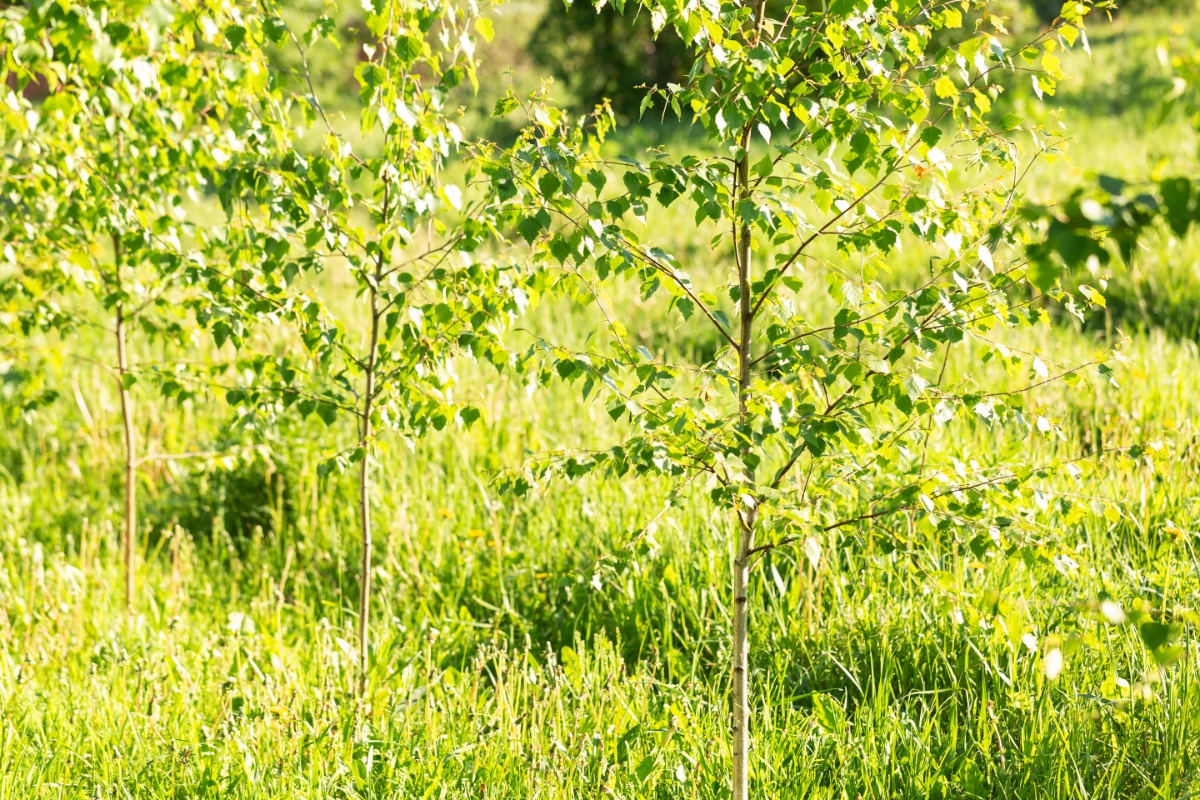
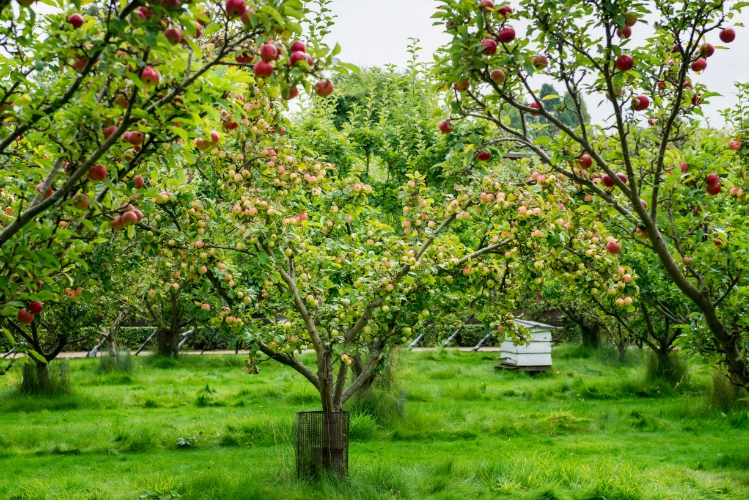
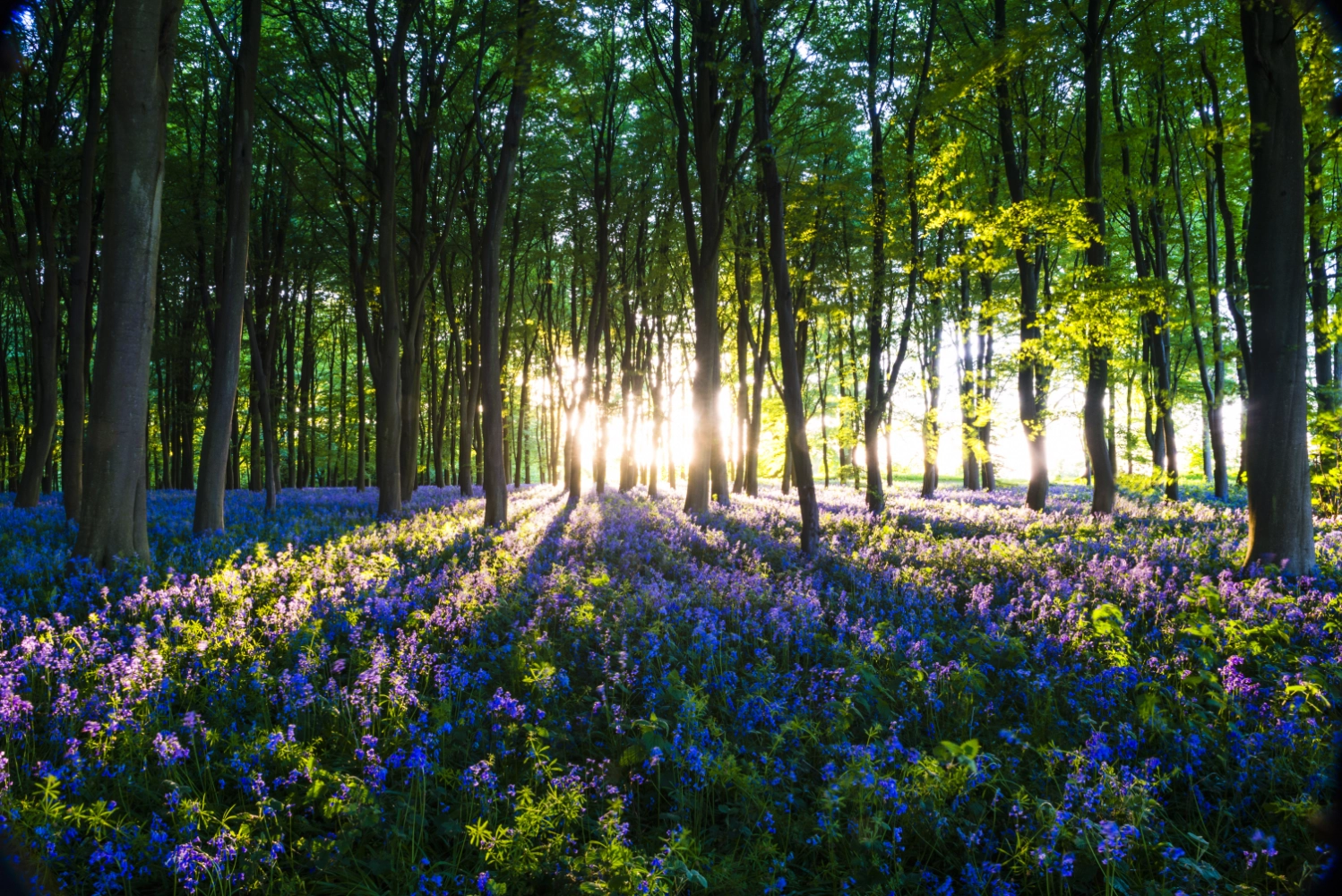
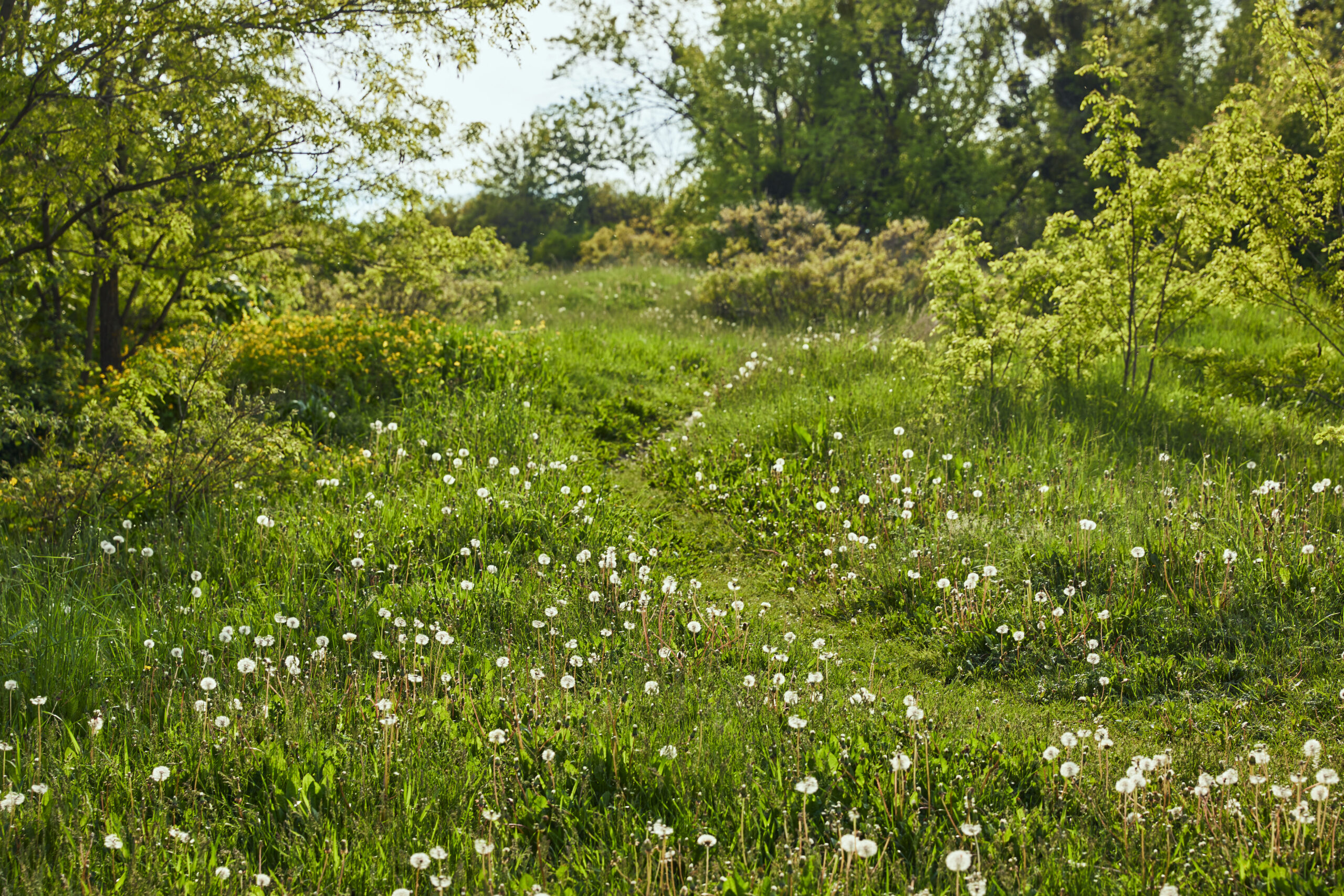
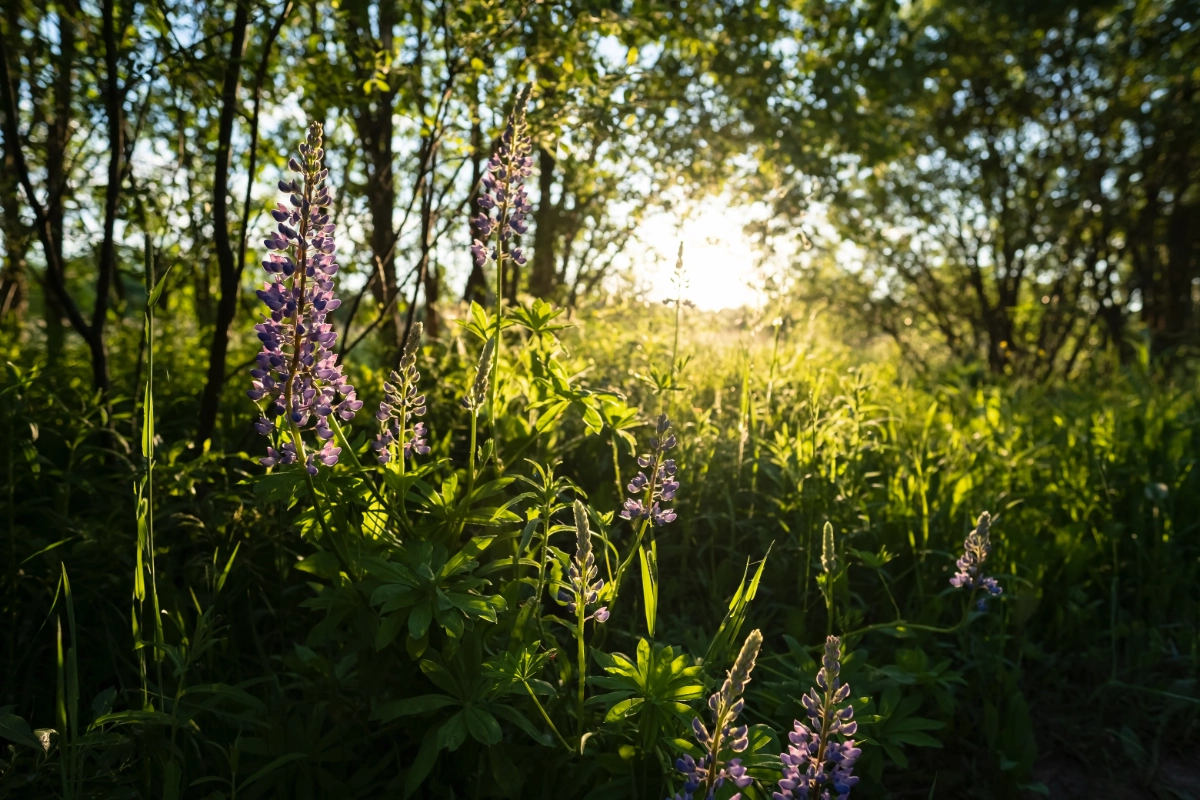
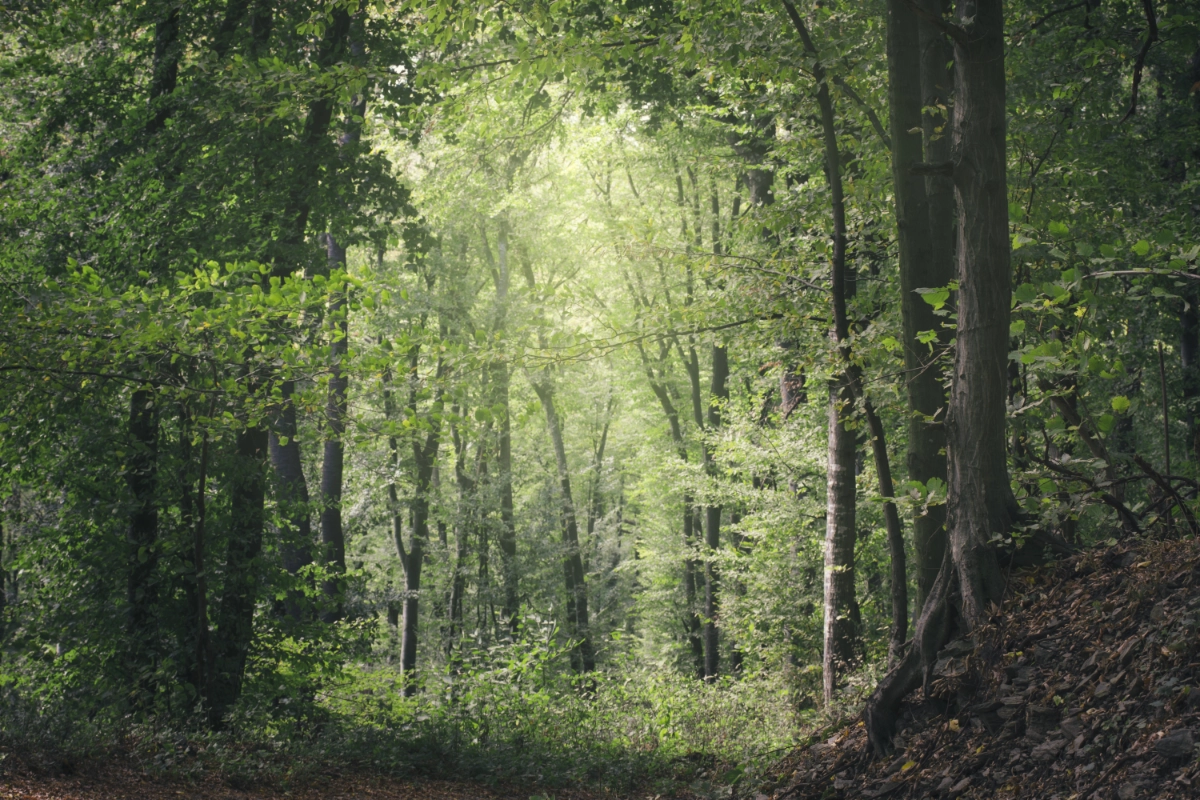
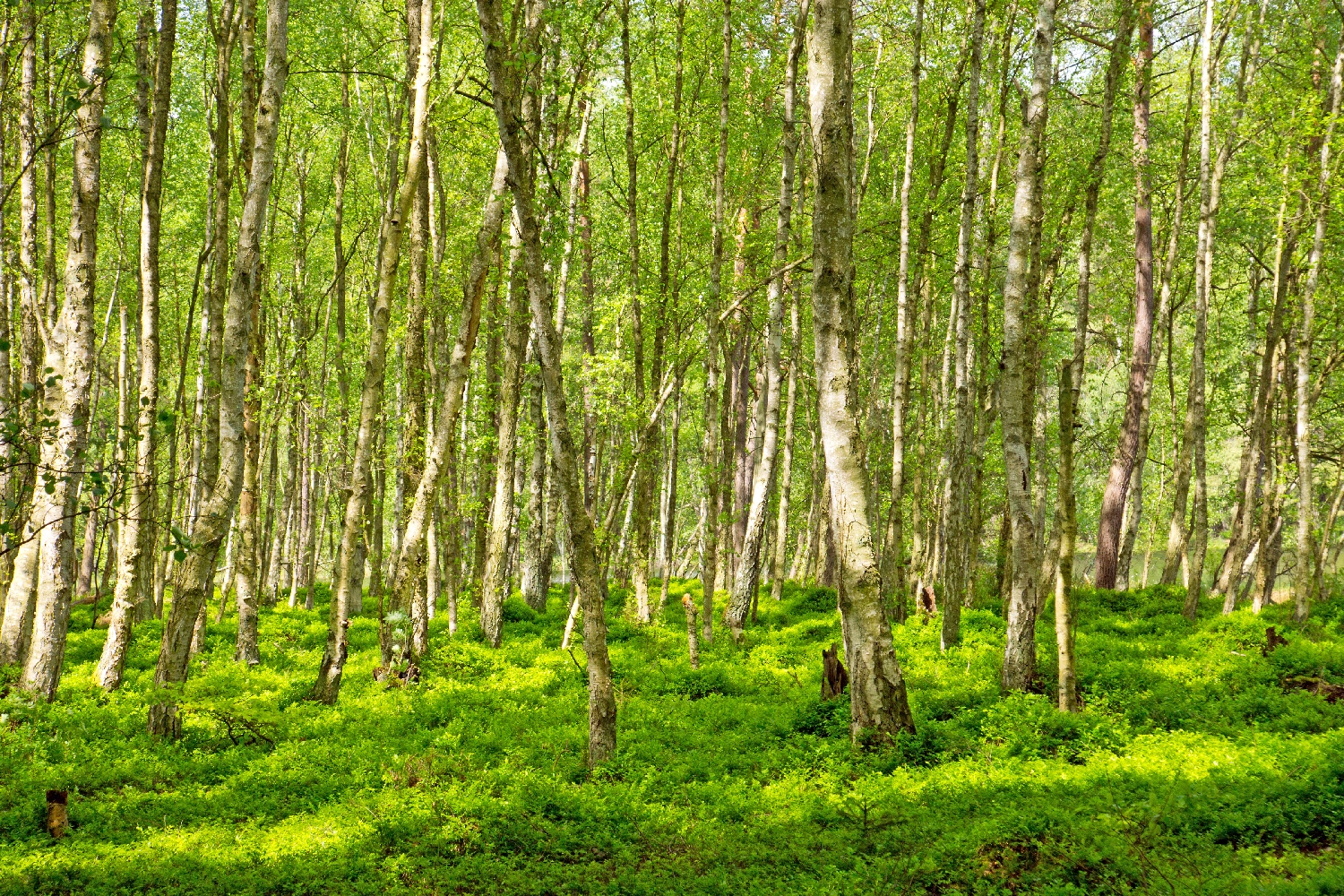
When we think about natural burial, we often picture woodland clearings, wildflowers, and trees quietly growing over time. Beneath the surface, however, an equally important process is taking place — one driven not by roots or leaves, but by countless microscopic organisms working gently and continuously in the soil.
Microorganisms play a vital role in natural decomposition. They are nature’s recyclers, breaking down organic matter and returning nutrients to the earth. In natural burial grounds, these tiny life forms support the natural cycle of life, helping the body reintegrate into the soil in a way that nurtures ecosystems rather than disrupting them.
This article explores how microorganisms contribute to natural decomposition, why they matter in natural burial settings, and how their presence supports soil health, biodiversity, and long-term environmental balance.
What Are Microorganisms?
Microorganisms are living organisms so small they cannot be seen with the naked eye. They exist everywhere — in soil, water, air, plants, animals, and the human body itself. In healthy soils, microorganisms form complex, living communities that sustain ecosystems.
Key types of microorganisms involved in decomposition include:
-
Bacteria – the primary decomposers, breaking down soft tissues and organic compounds
-
Fungi – including moulds and mycorrhizal fungi, which help decompose tougher materials
-
Actinomycetes – bacteria-like organisms important for breaking down complex organic matter
-
Protozoa – which feed on bacteria and help regulate microbial populations
In soil ecosystems, these decomposer organisms work together, forming food webs that recycle nutrients and support plant life.
The Natural Decomposition Process Explained
Natural decomposition is a gradual, biological process. Rather than being slowed or altered by chemicals or sealed materials, the body is allowed to return to the earth through natural means.
In natural burial settings, decomposition typically follows these stages:
Early Breakdown: Soon after burial, naturally occurring bacteria begin breaking down soft tissues. These bacteria are often already present in the body and surrounding soil.
Active Decomposition: Microorganisms increase in number as organic material becomes available. Enzymes break down proteins, fats, and carbohydrates into simpler compounds.
Nutrient Release: As decomposition continues, nutrients such as nitrogen, phosphorus, calcium, and carbon are released into the soil.
Integration into Soil Life: These nutrients are absorbed by soil organisms, plants, fungi, and tree roots, becoming part of the wider ecosystem.
This process is slow, natural, and balanced, particularly when burial depth, soil type, and materials are chosen thoughtfully.
Why Microorganisms Matter in Natural Burial Grounds
Microorganisms are essential to the environmental benefits often associated with natural burial grounds. Without them, decomposition would stall, nutrients would remain locked away, and soil ecosystems would struggle.
Their key roles include:
-
Supporting soil fertility
-
Enabling nutrient cycling
-
Maintaining healthy microbial diversity
-
Feeding plants, fungi, and invertebrates
-
Supporting long-term ecosystem regeneration
This is one reason natural burial grounds avoid practices such as embalming, concrete vaults, or non-biodegradable coffins, all of which can interfere with microbial activity.
Soil Health and Living Soil Systems
Healthy soil is not just dirt — it is alive.
A single teaspoon of healthy soil can contain billions of microorganisms, all interacting in complex ways. In natural burial grounds, maintaining living soil systems is often a core principle of land management.
Microorganisms contribute to soil health by:
-
Improving soil structure and aeration
-
Supporting water retention
-
Preventing nutrient leaching
-
Supporting plant resilience and growth
When a body decomposes naturally, microorganisms help transform organic matter into stable soil carbon, supporting long-term soil health rather than causing pollution or imbalance.
Microorganisms, Carbon, and Climate Balance
Decomposition plays a role in the global carbon cycle. When managed naturally, it can support carbon storage rather than contribute excessively to emissions.
In natural burial grounds:
-
Organic matter is broken down slowly
-
Carbon is stored in soils and vegetation
-
Trees and plants absorb carbon released during decomposition
Microbial activity helps stabilise carbon in the soil, especially when burial grounds are managed as woodlands, meadows, or conservation landscapes.
This contrasts with energy-intensive processes such as cremation or embalming-based burial, which can release significant greenhouse gases.
The Impact of Burial Materials on Microbial Activity
Microorganisms thrive when conditions are right. The materials used in burial can either support or hinder their work.
Materials that support microbial decomposition:
-
Burial shrouds made from natural fibres (cotton, wool, linen)
-
Biodegradable coffins (willow, cardboard, untreated wood)
-
Natural burial depths that allow oxygen and soil life to function
Materials that inhibit microbial processes:
-
Embalming fluids containing formaldehyde
-
Metal, plastic, or varnished coffins
-
Sealed vaults or liners
Natural burial grounds typically have guidelines designed to protect soil microorganisms and the wider environment.
Fungi and the Underground Network
Fungi deserve special attention in natural burial settings. Mycorrhizal fungi form vast underground networks that connect trees, plants, and soil life.
These fungi:
-
Transport nutrients through the soil
-
Support tree health and resilience
-
Help stabilise soils
-
Connect decomposition processes to living plants
In woodland burial grounds, fungi play a powerful role in ensuring nutrients released through decomposition are shared throughout the ecosystem.
Microorganisms and Biodiversity Benefits
By supporting decomposition naturally, microorganisms contribute directly to biodiversity.
Healthy microbial communities:
-
Support insect populations
-
Feed soil invertebrates such as worms and beetles
-
Support birds and mammals higher up the food chain
-
Enable diverse plant communities to thrive
This is why many natural burial grounds double as nature reserves, conservation sites, or rewilding landscapes.
How Natural Burial Grounds Support Microbial Life
Well-managed natural burial grounds actively protect soil ecosystems.
Common practices include:
-
Minimal ground disturbance
-
Avoiding chemical treatments
-
Encouraging native planting
-
Maintaining woodland or meadow habitats
-
Careful spacing of burial plots
These approaches allow microorganisms to flourish, ensuring long-term ecological health.
Microorganisms
Microorganisms may be invisible, but their role in natural decomposition is profound. They quietly guide the return of the body to the earth, transforming organic matter into nourishment for soil, plants, and ecosystems.
In natural burial grounds, these processes are respected and protected, allowing death to support life in meaningful, ecological ways. By understanding the role of microorganisms, we gain a deeper appreciation of how natural burial aligns with nature’s rhythms — gentle, balanced, and deeply interconnected.
For those seeking environmentally friendly funeral, microbial decomposition is not something to fear, but something to honour.
Research
Scientific Research on Microorganisms and Decomposition
The contribution of natural burials to soil ecosystem services: review and emergent research questions -
This peer-reviewed article explores how natural burial impacts soil ecosystem functions (including decomposition dynamics) and highlights gaps in current research.
Microbial Community Analysis of Human Decomposition on Soil - This study used DNA-based methods to track how fungal and bacterial communities change in soil beneath decomposing human cadavers, showing clear succession patterns related to decomposition stages.
Climate, Soil, and Microbes: Interactions Shaping Organic Matter Decomposition - research showing the different roles bacteria and fungi play in breaking down organic matter in soils, with implications for nutrient flow.
Cadaver imprint on soil chemistry and microbes (Frontiers in Soil Science) - This article discusses how decomposition temporarily alters soil microbial communities and nutrient pools, and highlights current gaps in understanding how microbes transform decomposition products.
Changes in Soil Microbial Communities During Subsurface Decomposition (Teesside University PhD thesis) -
Explores how microbial communities evolve around decomposing organic matter and their role in nutrient recycling especially relevant if you’re describing mechanisms of microbial turnover.
Cadaver Decomposition in Terrestrial Ecosystems (Carter et al.) -A foundational review that, while not focused solely on microbes, is often cited in decomposition ecology studies (especially in forensic ecology).
Explore Natural Burial Grounds Across the UK
Search our Directory ➜ Natural Burial Grounds Near Me
Find peaceful, eco-friendly burial grounds near you.
Frequently Asked Questions
Decomposition
Microorganisms enable natural decomposition to occur at a balanced, ecological pace. The process is not rushed but proceeds efficiently when conditions are right.
Soil and Water
In natural burial grounds with proper site assessment and soil conditions, microbial decomposition supports soil health and does not contaminate groundwater.
Embalming
Year Round
Yes. While activity slows in colder months, soil microorganisms remain active throughout the year.
Tree Growth
Over time, nutrients released through microbial processes can support tree growth and soil fertility, particularly in woodland burial sites.