
Eco-conscious funerals are on the rise as people increasingly consider their “final footprint.” Surveys indicate that about two-thirds of Britons are worried about climate change, and many extend this concern to their funeral plans. This has fuelled growing interest in eco-friendly funeral options – from low-impact green burials to cleaner cremation alternatives.
In this article, we compare natural burial vs cremation from an environmental perspective. We’ll look at how each method works, their carbon footprints, pollution and land use implications, and emerging innovations. By understanding natural burial vs. cremation impacts, you can make an informed, eco-conscious choice for end-of-life arrangements.
Cremation in the UK: Process and Environmental Impact
Cremation has been Britain’s most popular funeral choice for over half a century. Today, roughly three-quarters of UK funerals are cremations, in part because cremation avoids the space shortage issues of cemeteries. The process involves placing the body (in a coffin) into a high-temperature furnace.
Most UK crematoria use natural gas as fuel, with each cremation requiring a significant amount of energy – on the order of hundreds of kilowatt-hours of gas per body. This fuel use means cremation has a substantial carbon footprint. Estimates vary, but a single cremation typically emits 160–400 kg of CO₂ into the atmosphere. (For perspective, that’s roughly equivalent to the emissions from a 500-mile car journey.) These emissions make cremation a notable source of greenhouse gases contributing to climate change.
In addition to CO₂, cremation produces other pollutants. The combustion of coffins and human remains releases nitrogen oxides (NOx) and particulate matter. Many coffins in the UK are made of chipboard or MDF with glues that release nitrogen oxides NOx when burned. Cremation also vaporises any mercury in the body (for example, from dental fillings).
In 2005, UK crematoria accounted for about 16% of the nation’s total mercury emissions. Modern crematoriums are increasingly fitted with mercury filters to curb this toxin, but older or smaller facilities may still emit mercury and trace dioxins from burning medical implants and plastics. In short, while cremation avoids ongoing land use, it concentrates a lot of energy use and pollution into a one-time event.
Natural Burial in the UK: Process and Eco-Friendly Approach
A natural burial ground in summertime, where a horse-drawn carriage carries a coffin through a wildflower meadow. These green spaces offer a peaceful return to nature.
A natural burial (also known as a green burial) offers a very different approach. The body is laid to rest in soil with minimal intervention, allowing nature to take its course. Key features of natural burial include no embalming with formaldehyde or harsh chemicals, and the use of simple biodegradable containers instead of chipboard or MDF coffins.
The deceased might be wrapped in a shroud or placed in a basic pine, willow or cardboard coffin – all materials that will decompose fully. Importantly, natural burials are typically done at a relatively shallow depth (around 1 meter), where microbes, oxygen and tree roots can more readily assist in breaking down the body. This shallow grave approach promotes quicker natural body decomposition compared to traditional six-foot burials.
Natural burial sites also avoid concrete vaults, metal grave liners, or elaborate headstones. Graves are often marked with native plants, a small wooden plaque, or not at all – maintaining the landscape’s natural appearance. Because no toxic chemicals or non-biodegradable materials are used, natural burials essentially introduce no pollutants into the environment. Formaldehyde-based embalming (a routine in conventional funerals) is skipped, preventing carcinogenic chemicals from leaching into soil and groundwater. As a result, the burial process is very “clean” – just a body returning to earth, as per the age-old human custom.
Natural burials have grown in popularity as an eco-friendly funeral (UK) option since the 1990s. The UK’s first dedicated natural burial ground opened in 1993, and now there are hundreds of natural or woodland burial sites across the country. These sites are often located in meadows, forests or parkland and managed as protected green space, nature reserves rather than manicured cemeteries. Families choosing a natural burial often value the simplicity, the lower cost, and the idea of their loved one’s resting place becoming part of a thriving natural environment.
Carbon Footprint: Natural Burial vs. Cremation
When it comes to climate impact, the carbon emissions of a funeral vary drastically by method.
Cremation is energy-intensive: burning one body releases a significant amount of CO₂ from fuel and the body’s organic carbon. A modern gas-fired cremation has an estimated carbon footprint around 126 kg CO₂ (using ~600 kWh of natural gas). However, if a less efficient crematorium is used or if one accounts for all aspects (coffin manufacture, etc.), the figure can reach 300–400 kg CO₂ per cremation.
In contrast, a natural burial’s carbon footprint is essentially near-zero. There is no fuel burned during a burial, aside from negligible use of a digger or vehicle transport. In fact, the process itself can be done entirely by hand with negligible emissions. Unlike cremation, the body’s carbon isn’t instantly turned into greenhouse gas – it remains in the soil and slowly cycles through the ecosystem.
The only significant carbon emissions related to natural burial might come from transportation, such as funeral vehicles or visitors traveling to the site. Even those can be minimised by choosing local burial grounds or low-emission transport. Overall, from a pure carbon standpoint, natural burial has a clear advantage: one source calls its emissions “minimal” compared to any form of cremation.
It’s worth noting that efforts are underway to reduce cremation’s carbon footprint too. For example, some facilities are installing electric cremators powered by renewable energy, which could cut carbon emissions dramatically (potentially to zero if using 100% green electricity). But until such technology is widespread, choosing burial over flame cremation is generally the best way to lower the carbon emissions funeral impact.
Pollution and Toxins
Beyond carbon, there are other environmental pollutants to compare. Cremation causes air emissions that a burial simply doesn’t. As mentioned, the cremation process can release mercury, NOx, sulfur dioxide, carbon monoxide, and in some cases traces of persistent organic pollutants like dioxins.
Modern crematoria use high-temperature secondary chambers and filters to destroy or capture many toxins, but some pollution inevitably escapes through the chimney. Mercury is a prime concern – without special abatement equipment, vaporised mercury from dental fillings goes into the air and eventually settles into soil or water, contributing to pollution. Nitrogen oxides from burning coffin resins contribute to smog and respiratory irritation. While each cremation’s emissions are relatively small, the aggregate from thousands of cremations per year adds up (hence regulations now require mercury abatement in new crematoria).
By contrast, natural burial involves no combustion, so it avoids these air pollution issues entirely. There are no smokestacks at a burial ground. Any mercury in the body remains buried in the soil in minute quantities rather than vaporising; over time it’s likely immobilised in the earth. Similarly, there’s no release of NOx, CO, or dioxins because nothing is being burned.
Natural burial also prevents the introduction of certain ground pollutants associated with conventional burials. In a traditional cemetery burial, an embalmed body can leach formaldehyde, methanol, and other embalming chemicals into the ground as it decomposes. These toxins can be harmful to soil microbes and potentially water sources.
A green burial avoids that by forgoing embalming fluids altogether. Likewise, standard burials often involve metal coffin hardware, synthetic linings, or concrete that remain in the ground indefinitely; these materials can fragment or leach over time.
Natural burials use only biodegradable, natural materials, so the site remains free of heavy metals, plastics, or concrete. Essentially, everything that goes into a natural grave – the body, coffin/shroud, clothing – will safely break down into soil nutrients. This makes natural burial a non-polluting, toxin-free option at the point of interment. The biggest “pollution” concern might simply be excess nutrients (from the body) enriching the local soil, but burial grounds are typically chosen for suitable soils and managed to handle this gently over time.
Land Use and Biodiversity
Land use is a major point of contrast between cremation and burial. Cremation does not require a plot of land for each individual, so it is often touted as a space-saving option, especially in urban areas where cemeteries are running out of room. The ashes from cremation occupy very little space (they can be kept in an urn or scattered) and do not demand long-term land resources. In purely spatial terms, cremation’s footprint on land is minimal – aside from the facilities of the crematorium itself, which can serve a very large population.
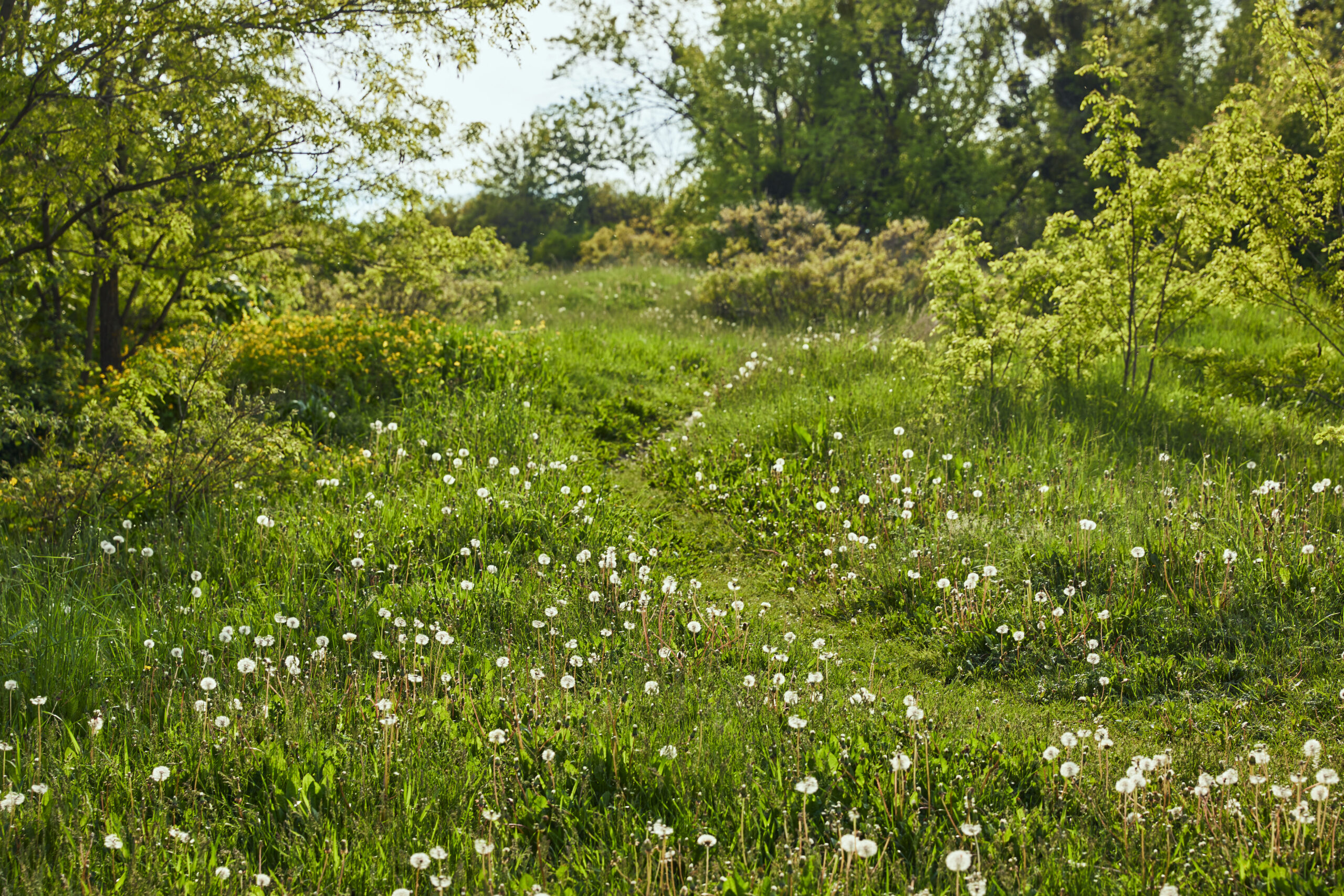
Natural burial, on the other hand, obviously uses land for graves, which has raised concerns about land availability. However, natural burial grounds turn this issue on its head: instead of being sterile, fenced-off graveyards, they are usually maintained as protected green spaces. In the UK, woodland and meadow burial sites often double as conservation areas or public nature reserves. The land is not intensively managed with pesticides or mowed into lawn; it’s allowed to remain or revert to a natural habitat. This means that although each burial does occupy a small bit of ground, that ground is contributing positively to the environment.
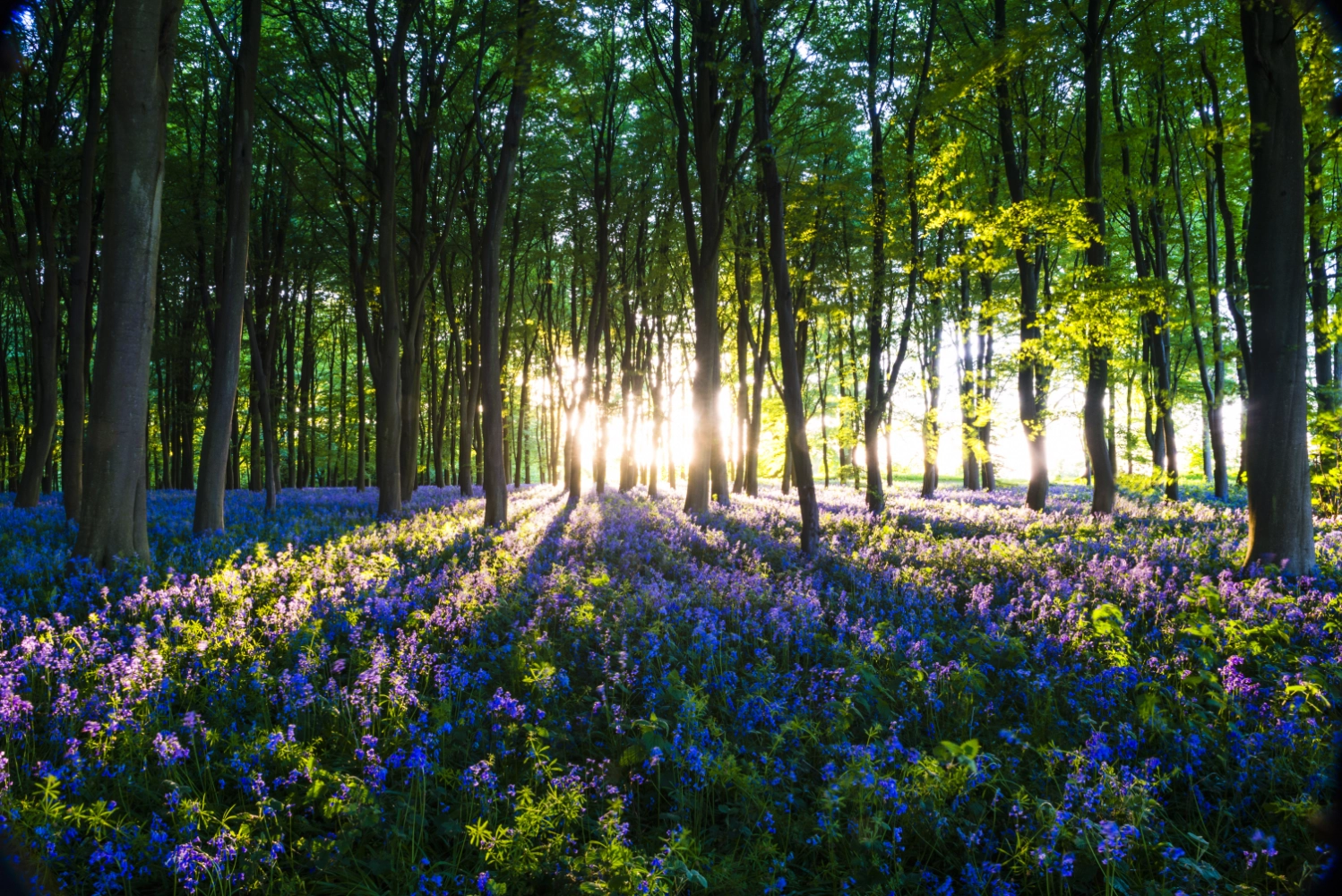
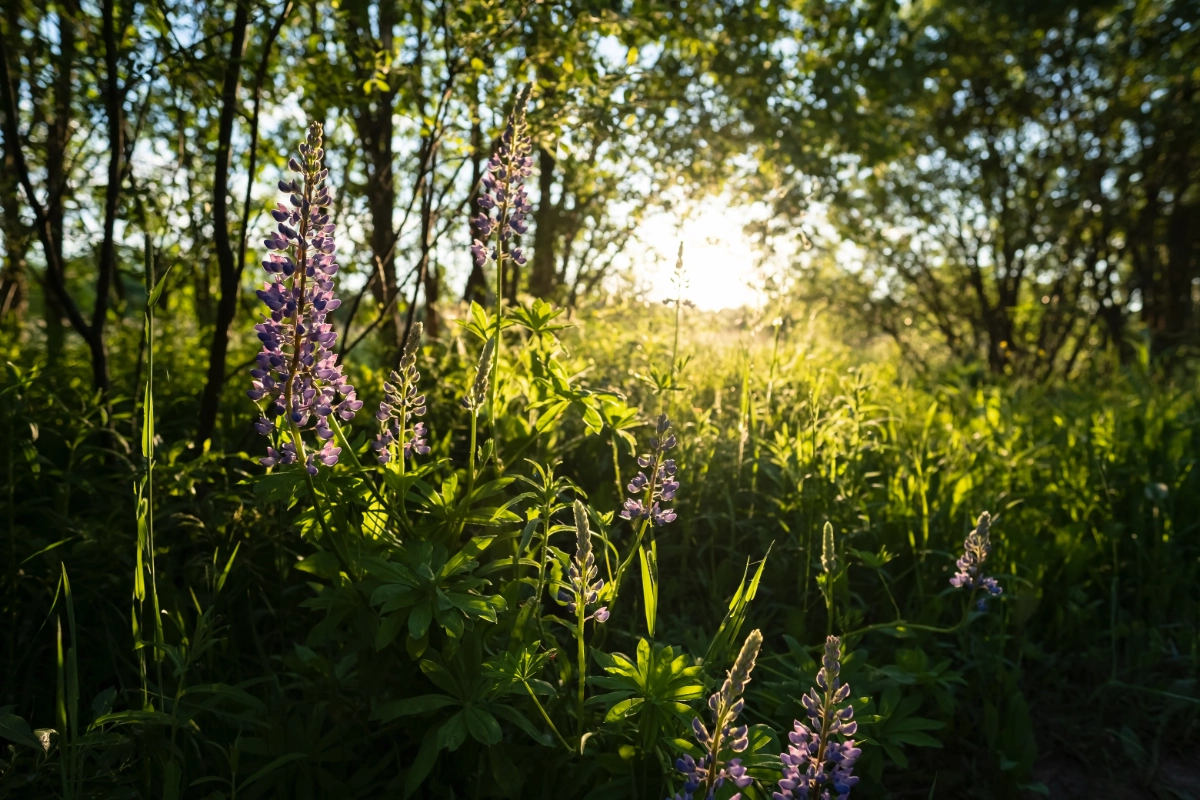
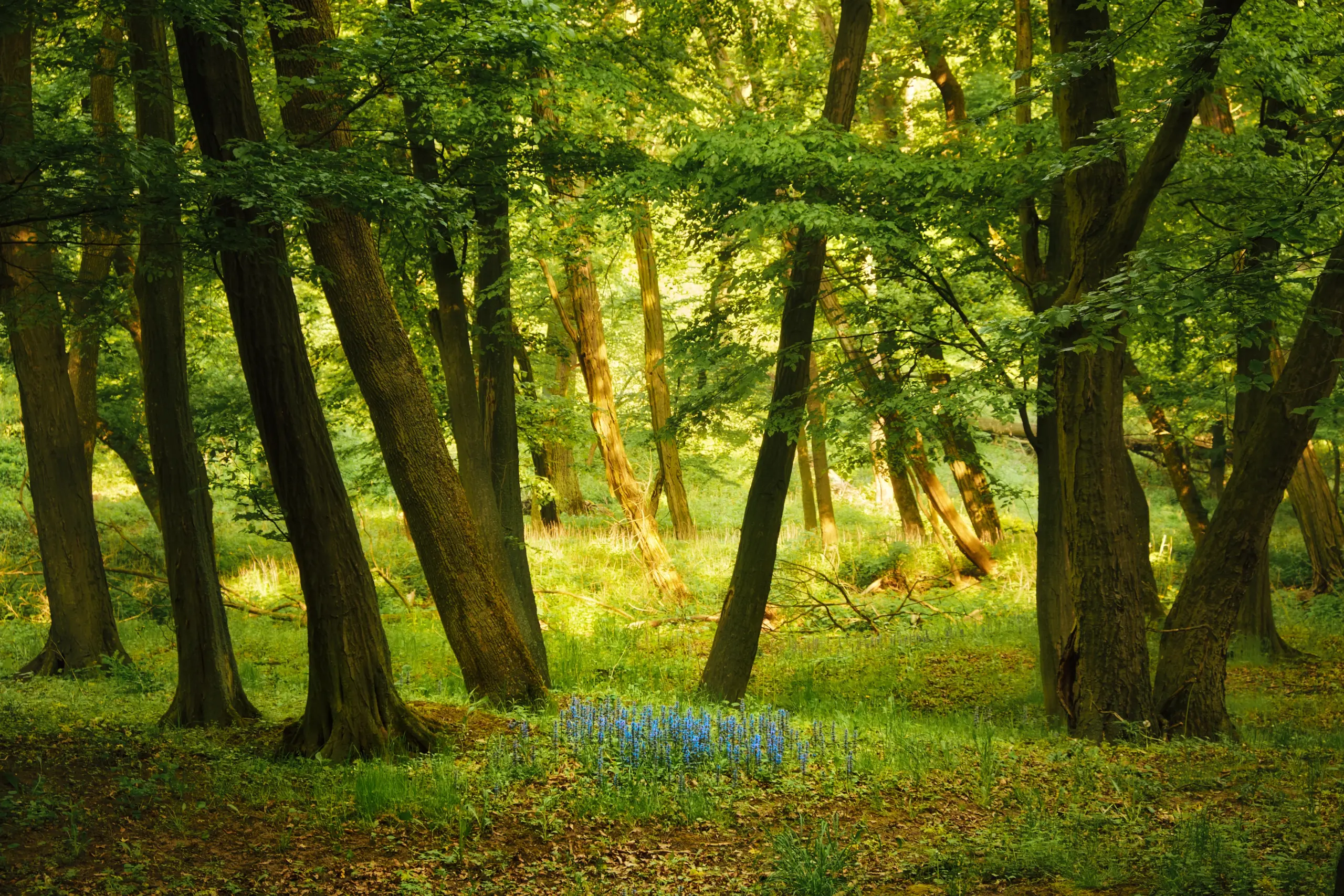
Natural burial sites can support biodiversity and even act as carbon sinks. For example, some burial grounds are established in former farmland and planted with native trees and wildflowers, creating new woodlands over time. The presence of undisturbed areas, trees, and diverse vegetation provides habitat for birds, pollinators, and other wildlife. One woodland burial ground, for instance, transformed a former plantation into a native woodland with coppiced trees that encourage wildlife like badgers, owls and butterflies. Another, natural burial ground in Norfolk, is home to a restored wildflower meadow and an ancient bluebell wood teeming with species. These examples show how green burial grounds can enhance biodiversity in ways a conventional cemetery (or a crematorium) typically does not.
From a carbon sequestration perspective, preserving land as woodland or meadow means plants and soils on that site continue to absorb CO₂ year after year. A mature tree planted as a memorial, for example, will take in carbon dioxide and release oxygen for decades. While it’s hard to quantify, a landscape full of growing trees and rich soil is undoubtedly a better carbon sink than a paved-over urban plot or an emissions-heavy industrial process. In this way, each natural burial contributes to long-term environmental benefits through land conservation. By contrast, the cremation process, while sparing land, has no positive long-term environmental role – its impacts (emissions) are immediate and then done.
Long-Term Environmental Impact
Considering the long game, cremation is essentially a one-time environmental impact, whereas natural burial yields ongoing effects (mostly beneficial). With cremation, once the intense burst of energy consumption and emissions has occurred during those 60-90 minutes in the furnace, the environmental story is over. The ashes that remain are inert minerals; they don’t decompose or nourish anything. Aside from the minor impact of manufacturing and eventually disposing of the urn (if one is used), there is no further environmental interaction after a cremation.
In fact, some argue this is an advantage – there’s no site to maintain in perpetuity. Traditional cemeteries require upkeep (often with mowers, water, and chemicals for lawns), but an urn of ashes does not. However, this “clean break” means cremation also doesn’t contribute anything positive to the environment post-funeral.
Natural burial’s long-term impact can be net-positive. The body itself returns to the earth and contributes to the nutrient cycle. Over years, a decomposed body can literally become part of the root system of new vegetation. Many natural burial grounds actively manage the landscape to improve over time – for instance, planting memorial trees, creating new hedgerows, encouraging wildflower spread, and protecting the land from any development. As seasons pass, a burial meadow can flourish: wildflowers spread, trees mature, and wildlife find refuge.
Family members often take comfort in knowing that their loved one’s resting place will always remain a natural sanctuary, and in fact may become lovelier as decades go by. One natural burial site describes how each year the area grows more like a true woodland, to the point where casual visitors might not even realise it’s a burial ground. In this sense, a natural burial helps improve the land over time – the exact opposite of the environmental impact of a cremation.
The only long-term consideration with natural burial is ensuring the land is protected. Thankfully, organisations like the Association of Natural Burial Grounds (ANBG) and local communities are invested in keeping these sites as green space forever. When you choose natural burial, you’re essentially contributing to land conservation while cremation, conversely, leaves behind no land use but also no lasting positive legacy for the planet.
Emerging Alternatives: Aquamation and Other Green Innovations
The debate of burial vs. cremation is no longer the only choice for those seeking an eco-friendly funeral. Innovative methods are emerging that aim to reduce the environmental toll. One promising option is aquamation, or water cremation.
Aquamation (technically known as alkaline hydrolysis or resomation) uses water mixed with a strong alkali (potassium hydroxide) and heat to break down the body, instead of flame. The process results in a sterile liquid and soft bone remains (which are dried and processed into powder, similar to ashes). Because there is no burning, aquamation produces no air pollution – no carbon dioxide from fuel, no mercury, and no smoke. Its energy usage is also much lower. Estimates suggest that alkaline hydrolysis has a carbon footprint up to 7 times smaller than conventional cremation. For example, a resomation machine might use under 100 kWh of electricity (and some water) for one body, resulting in on the order of only ~20 kg CO₂ if using grid electricity (and virtually zero if powered by renewables). This is a dramatic improvement over flame cremation’s 100+ kg CO₂. In short, aquamation offers the same benefit of not using land while avoiding most of the pollution and greenhouse emissions of fire-based cremation.
As of 2025, water cremation is still not widely available in the UK, but it’s on the horizon. The technology has been successfully used in parts of the USA and Canada for years, and a few pilot installations are underway in Britain. Regulatory questions (such as how to dispose of the liquid effluent) are being resolved, and many expect aquamation to become a legal funeral option in the UK soon. Alongside aquamation, other green funeral innovations include human composting (accelerated natural decomposition to turn a body into soil) – already legal in some U.S. states – and organic burial pods that grow a memorial tree from the body. These alternatives each have their own environmental profiles, but all share the goal of reducing waste and pollution from funeral practices.
Ultimately, the emergence of options like aquamation underscores that the funeral industry is evolving in response to environmental concerns. Families now and in the future will have more choices beyond the traditional binary of burial vs. cremation, choosing methods that align with their values of sustainability.
Choosing an Eco-Friendly Funeral in the UK
Both cremation and natural burial have impacts on our planet, but their nature and extent differ greatly. Cremation offers a compact, fast disposition with no ongoing land use – yet it consumes fossil fuels and emits greenhouse gases and toxins in one final burst. Natural burial requires land for each grave and a mindset of patience as the body returns to earth – yet it virtually eliminates emissions and can transform that piece of land into a thriving, carbon-absorbing habitat.
When weighing a green burial vs. cremation, it’s clear that natural burial is the front-runner for those prioritising low carbon footprint, zero pollution, and land conservation. It truly embodies an “ashes to ashes, dust to dust” philosophy without the smokestack in between.
If you’re planning an eco-friendly funeral, consider visiting a natural burial ground to see the environment for yourself. Imagine a quiet woodland or flower-filled meadow as your final resting place – a place that heals the earth as much as it heals grieving hearts. This gentle option is growing more accessible each year, with natural sites now found in most regions of the UK. We encourage you to explore natural burial grounds via our directory to find a beautiful green natural burial grounds near you. By choosing a sustainable funeral option, you can ensure that your last act on earth is one that gives back to nature, leaving a legacy of life for the planet. Embracing a greener goodbye is not only an expression of love for the environment – it’s a comforting way to know that in the end, we all truly become part of the earth again.
Explore Natural Burial Grounds Across the UK
Search our Directory ➜ Natural Burial Grounds Near Me
Find peaceful, eco-friendly burial grounds near you.