Choosing how to lay a loved one to rest is a deeply personal decision. In the UK, families often consider two main options: Natural Burial vs. Traditional Burial.
A traditional burial typically means interment in a churchyard or municipal cemetery with a formal gravesite and marker. It often involves embalming the body, using a standard coffin, and following established funeral rites.
In contrast, a natural burial (also known as a woodland burial or green burial) returns the body to the earth with minimal environmental impact – usually without embalming, in a biodegradable coffin or shroud, and in a natural setting like a meadow or woodland. Both approaches provide a respectful farewell, but they differ in practice, philosophy, and practical considerations.
In this article, we’ll explain in plain English what each type of burial involves and compare key aspects side by side. We’ll look at burial practices, environmental impact, cost, UK legal requirements, the role of funeral directors, materials used (coffins and embalming), location, long-term maintenance, and the underlying values and philosophy of each. Our goal is to provide a clear, compassionate guide to help you make an informed choice that aligns with your family’s needs and values.
Natural Burial vs. Traditional Burial Key Differences
To quickly see how natural burials vs. traditional burials compare on major points, the table below provides a side-by-side summary:
| Aspect | Natural Burial (Green/Woodland) | Traditional Burial |
|---|---|---|
| Burial Practices |
Simple, flexible graveside ceremony (or none at all); often family-led or personalised. Burial in a natural setting (woodland/meadow) without formal plots in rows.
|
Formal funeral service (religious or civil) usually in a church or chapel, followed by burial in a cemetery plot with established protocols. |
| Environmental Impact |
Minimal impact: no toxic embalming chemicals, biodegradable coffin or shroud, and no concrete vaults. The body naturally decomposes and even helps nourish the ecosystem. Burial grounds often double as conservation areas supporting wildlife.
|
Higher impact: may involve embalming (formaldehyde) which can leach into soil. Coffins often made of hardwood/metal with lacquer that doesn’t easily biodegrade. Cemeteries require land clearing and upkeep (mowing, irrigation) and sometimes use concrete vaults, all adding to the ecological footprint. |
| Cost |
Can be lower overall: biodegradable coffins and simpler services often cost less than ornate coffins and elaborate funerals. Natural plot fees vary widely by region (rural sites can be a few hundred pounds; scenic sites can be a few thousand). No headstone expense (some sites offer optional simple markers or tree planting at low cost). Overall, often cheaper than a traditional burial but not always – it depends on the site and choices.
|
Tends to be higher cost: cemetery plot and interment fees (often thousands of pounds, especially in cities), plus a headstone which can be costly. Traditional coffins (solid wood, metal fittings) can be expensive, and embalming, hearse, and funeral director fees add up. The average UK burial funeral is around £4–5k (as of recent years), and elaborate funerals can cost more. |
| Legal Requirements (UK) |
No legal requirement for embalming or even a coffin – a shroud burial is permitted. Burial can legally take place on private land (including your own garden or farm) so long as environmental guidelines are followed. For any burial, the death must be registered and a Certificate for Burial obtained from the registrar. Natural burial grounds must ensure graves are dug at least 1 metre above the water table and at safe distances from water sources to prevent pollution.
|
Similarly, no law demands embalming or a particular coffin – these are just common practices. Most traditional burials occur in licensed cemeteries or churchyards, which handle legal compliance. A registered death and a burial certificate (green form) are required before any burial. Cemetery bylaws and church regulations may apply (e.g. some churchyards have rules on who may be buried there). Buying a grave plot is typically a lease (often up to 50–100 years) rather than owning the land outright. |
| Use of Funeral Directors |
Optional – Many families still use a funeral director for natural burials, but some choose a more DIY Funeral approach. UK law does not require using a funeral director; families can arrange a burial themselves. Natural burial ethos encourages personal involvement if desired (for example, families may help transport the body or even dig or fill the grave in some cases). Funeral directors that specialise in green funerals can assist while respecting eco-friendly practices.
|
Common – Most traditional burials are arranged through funeral directors who handle the paperwork, body preparation, coffin, transport, and coordination with the cemetery. The funeral director provides a structured service, which can be a comfort to families. While DIY burial is legally possible, it’s less typical in conventional funerals due to the complexity of arrangements and longstanding custom. |
| Coffins & Materials | Coffin/Shroud: Must be biodegradable and natural. Common choices are cardboard, wicker, bamboo, willow, untreated wood, or even just a cotton or wool shroud. No metal handles or plastic liners; materials that fully break down in soil. Embalming: Not used – bodies are not embalmed in natural burials, to avoid introducing chemicals and to allow natural decay. Cooling or prompt burial is used for preservation instead. Grave Liners: Not used – no concrete vaults or liners; the body is in direct contact with earth. | Coffin: Typically made of wood (often hardwood or veneered chipboard) with metal or plastic fittings; sometimes metal caskets are used. These coffins are designed for aesthetics and durability, but they decompose slowly and may include non-biodegradable parts. Embalming: Often employed, especially if there will be an open-casket viewing or significant gap before burial. Embalming involves chemical preservatives (formaldehyde) that can seep into soil. It is not legally required, but many traditional funerals use it for cosmetic/preservation reasons. Grave Liners: Many UK cemeteries do not require concrete vaults (unlike some US practices), but some traditional burials use them or solid coffins to prevent ground sinkage. Concrete or brick linings, where used, further slow decomposition. |
| Location of Burial |
Natural burial grounds: Usually in rural or semi-rural areas – e.g. woodland burial sites, wildflower meadows, or designated green spaces on farmland. These sites are managed to remain natural habitats (forests, fields) rather than regimented rows of graves. Each site has its own character: some are mature woods, others open hillsides or new forests. Graves are marked subtly or not at all – often GPS coordinates, a planted tree, or a small wooden plaque at most. Families might choose a site for its natural beauty or closeness to nature. Private land burial is also possible (with proper permissions), allowing someone to be laid to rest on their own land or a family farm.
|
Cemeteries and churchyards: Typically in towns or near communities for ease of visiting. Traditional cemeteries have plotted sections with paths, often landscaped with lawns and ornamental plants. Graves are usually marked with headstones or monuments and arranged in orderly rows. Many cemeteries are run by local councils or churches; churchyards are consecrated ground next to a church. Space in urban areas can be limited, so plots may be reused after long periods or sold with limited tenure. The atmosphere is solemn and manicured, with visible reminders of other graves and monuments. |
| Long-term Maintenance |
“Leave it to nature” approach. Natural burial sites are maintained for conservation rather than intensively groomed. Instead of polished headstones, you may find wildflowers, trees, and wildlife. Groundskeepers focus on preserving the habitat (e.g. forestry management or allowing sheep to graze) rather than mowing each grave. There’s usually no need for families to tend individual graves – the intent is that the site as a whole remains a living memorial. Markers (if any) are low-impact (wooden plaques, native stones) and often kept low or eventually allowed to biodegrade. Over time, a natural burial ground may become a mature woodland or meadow, essentially protected green space in perpetuity. Many natural burial providers are committed to keeping the land as a nature reserve forever, funded by plot fees or trusts.
|
Garden-like upkeep. Traditional cemeteries require regular maintenance: lawns are mowed, paths tended, hedges trimmed. This ensures a neat appearance but involves ongoing costs and resources (labour, fuel, fertilizers). Families often visit to maintain graves by leaving flowers or cleaning headstones. Headstones themselves may need upkeep over decades (cleaning, repairing inscriptions). Cemeteries have management (church or council) that cuts grass and keeps the grounds safe. Over very long terms, if a grave’s lease expires or falls into disuse, the plot might be reused or the marker removed (depending on local regulations). However, many cemeteries become historical landscapes in their own right, preserved out of respect and heritage. |
| Values & Philosophy | Sustainability and simplicity: People choosing natural burial often value an eco-friendly legacy – “giving back” to the earth. The philosophy is that death is a natural part of life’s cycle, and the burial should be part of that cycle by letting the body return naturally to soil. There’s an emphasis on simplicity and sometimes a rejection of the formality or commercialisation of modern funerals. Families often find comfort in the tranquil, natural setting and knowing their loved one’s resting place contributes to wildlife and nature. Natural burials can also be highly personalised – without strict rules, families can create a unique farewell (planting a tree, choosing personal music or rituals, or even helping in the burial process) that feels meaningful and authentic. | Tradition and remembrance: Those who choose a traditional burial may value continuity and custom – doing things “the usual way” as past generations have. Religious beliefs often play a role; for example, a church burial might comfort those who find meaning in consecrated ground and familiar funeral rites. There is also solace in having a defined grave to visit, with a permanent headstone to memorialise the person’s life. Traditional burials emphasise honour and respect in a formal sense (a dignified coffin, a procession, clergy or celebrant-led ceremonies). The philosophy here is preserving the deceased’s memory in a fixed place that family and descendants can visit for years to come. Some families choose traditional burials to be interred near other relatives (family plots) or because their community expects it. In short, it aligns with values of heritage, formality, and providing a tangible focus for grief. |
Burial Practices and Funeral Rituals
Traditional and natural burials differ in how the funeral and burial are carried out. Traditional burials usually follow a well-defined sequence: a funeral service (often religious) in a church or chapel or at the graveside, led by a priest or celebrant, with mourners in attendance. The body is typically present in a coffin during the service, which may include prayers, hymns or eulogies. After the ceremony, the coffin is interred in a prepared grave in a cemetery. Funeral directors play a key role in orchestrating these proceedings – they arrange transportation (hearse and limousines), pallbearers, order of service, and ensure that everything runs according to tradition and family wishes. There is comfort for many in this familiar ritual and the support a funeral director provides.
By contrast, a natural burial often allows far more flexibility in the ceremony (if any). Some families hold a simple, informal service at the graveside – this could mean a few readings, acoustic music, or everyone sharing memories in the open air. Others might not hold a formal ceremony at all, instead opting for a quiet, unstructured gathering or even a private burial with no attendees. There is no set protocol in green burials: it can be as formal or informal as the family wants. For example, one family might have a celebrant lead a prayer in a woodland clearing, while another family might simply take a reflective walk through the woods before the burial. Natural burial grounds often make space (sometimes a simple hall, shelter, or even a yurt on site) available for those who do want a ceremony or gathering afterward, but using it is optional.
Another key difference in practice is the level of family involvement. Because natural burials emphasise personal choice, families sometimes take a more active role – they might help place the body in the grave, scatter flower seeds on the plot, or even participate in lowering the coffin themselves. There is a focus on creating a meaningful experience that doesn’t feel like following a script. In the UK, it is legally possible for a family to arrange a burial without a funeral director, and this is a route some natural burial families choose (known as “DIY funerals” or independent funerals). The family may handle paperwork, care for the body at home for a day or two (with cooling, as embalming is avoided), and transport the coffin to the burial ground in a family vehicle. That said, many others opting for green burial still use funeral directors – and indeed, an increasing number of funeral directors are experienced in natural burial arrangements. These professionals can accommodate the family’s wishes for an eco-friendly funeral (such as sourcing biodegradable coffins and skipping embalming) while guiding them through the process compassionately.
In summary, traditional funerals tend to be more structured and professionally managed, whereas natural burials offer a relaxed approach where simplicity and personalisation are key. Neither is “better” – it truly depends on what the family finds most comforting. Some people appreciate the familiarity of a church service and the support of a director, while others prefer a more intimate and informal goodbye if it feels more “true” to their loved one.
Environmental Impact
One of the most significant differences between Natural Burial vs. Traditional Burial is the environmental impact of each. Traditional burial practices, as commonly done have several environmental drawbacks.
Traditional Burials Environmental Impact
Embalming – the process of preserving the body by injecting chemicals – uses substances like formaldehyde, phenol, and methanol. These toxic chemicals can eventually seep into the soil and groundwater over time. While the UK’s cooler climate and soil may mitigate some risk (and embalming isn’t as ubiquitous here as in some countries), it still introduces non-natural substances into the earth.
Additionally, standard coffins often contain materials that do not biodegrade easily. Many coffins are made of varnished hardwood or chipboard with veneers, along with metal hinges, screws, and plastic liners. These take decades to centuries to break down.
Some traditional burials (particularly in modern cemeteries) also use concrete grave liners or vaults around the coffin – these are concrete boxes placed in the grave to prevent the ground from sinking or to protect the coffin. While not used everywhere, when they are used, they effectively stop the natural process of decay and add to the carbon footprint (concrete production is energy-intensive).
Moreover, maintaining a conventional cemetery has an ongoing environmental cost: frequent mowing of lawns (emitting carbon from mowers), use of pesticides or weedkillers to keep graves tidy, and the quarrying and transport of stone for thousands of headstones all contribute to the ecological impact.
Natural Burials Environmental Impact
By design, natural burials aim to minimise or eliminate these impacts. A natural burial is essentially an eco-friendly funeral choice.
Firstly, no embalming is used – the body is allowed to decompose naturally, avoiding any introduction of harmful chemicals into the ground. This also fits with many people’s personal philosophies: the body can return to the earth unhindered, as part of nature’s cycle.
Next, biodegradable coffins or shrouds are used exclusively. Coffins made of cardboard, wicker, bamboo, softwood, or even coffin-shaped pouches of felted wool will all break down in a matter of months or a few years, releasing the body to the soil relatively quickly. There are no metal or plastic parts – even fastenings are often biodegradable (wooden pegs or natural rope).
In some cases, no coffin is used at all: the deceased might be wrapped simply in a natural fibre shroud and placed directly into the earth (this is legally permitted in the UK, and some natural sites encourage shroud-only burials). Because of these practices, a body in a natural burial rejoins the soil and helps fertilise new growth, rather than remaining sealed off.
Microbes and insects enrich the soil, and nutrients from the body contribute to plant life. In fact, many natural burial grounds double as wildlife reserves – the presence of human remains doesn’t harm the ecosystem; on the contrary, it can support it, as each burial site may eventually bloom with wildflowers or feed a growing tree.
Another benefit is that natural burial grounds conserve land and resources. Instead of clearing land for rows of tombstones, the land remains a natural landscape. For example, if it’s a woodland, the trees stay in place (or new ones are planted) and the area remains a green space for perpetuity.
The carbon footprint of a natural burial is generally much lower. There’s no energy needed for cremation (which uses gas and emits CO₂), and fewer manufactured materials are involved. A recent guide noted that by avoiding embalming, heavy coffins, and other energy-intensive processes, green burials significantly reduce carbon emissions and resource consumption compared to conventional methods. Even the act of not maintaining a pristine lawn (and instead letting nature take its course) saves on fuel and chemicals.
It’s worth noting that regulations ensure any type of burial is done safely. Natural burial sites must comply with Environment Agency guidelines to protect water sources. Graves are typically dug shallower than in a traditional cemetery – often around 3 to 4 feet deep rather than 6 – because a slightly shallower grave sits in the active soil layer where decomposition occurs more efficiently (deeper graves can lead to slower, more anaerobic decomposition). However, even at that depth, there must be at least 1 meter (around 3 feet) of soil above the body or coffin. Additionally, graves must not be too close to water tables or drinking water sources. For instance, they should usually be at least 30 meters from any spring or watercourse and 250 meters from any well used for drinking water.
Natural burial grounds are very mindful of these rules when selecting land – they often exceed the minimum requirements to be safe. Traditional cemeteries also follow similar rules for public health, but older churchyards might not have been sited with modern environmental knowledge (some older cemeteries are near waterways, which today wouldn’t be advised). In any case, both types of burial aim not to pose a hazard; the big difference is that natural burials go further by also trying to be beneficial to the environment, not merely non-harmful.
Funeral Cost Considerations
Cost is often a practical concern for families planning a funeral. In the UK, funerals can be expensive, and it’s useful to understand how natural and traditional burials compare in terms of expenses.
Traditional Burial Costs
A traditional burial usually involves several components of cost: the funeral director’s fees (for organising the funeral, providing a coffin, vehicles, staff, etc.), the burial plot fee, an interment fee (for digging and covering the grave), a headstone and inscription, and various optional expenses like flowers, obituary notices, cars, catering for a wake, and so on.
As of the last few years, the average cost of a basic funeral (across all types) in the UK has been around £4,000–£5,000. Burials tend to be on the higher end of that range (usually a bit more expensive than cremation) mainly because of the plot and headstone costs. For example, in 2018 the average cost for a basic burial was about £4,798, and it has risen since.
Cemetery plot prices vary hugely by location: a burial plot in a rural village might be a few hundred pounds, whereas in London or other crowded cities it can run into several thousand pounds for a single grave space. Councils often charge double or more for non-residents of the borough, so burying a person outside their home area can be pricier.
On top of that, a headstone can cost anywhere from a few hundred to a few thousand pounds, depending on size and material (granite, marble, etc.) and the engraving. So, a traditional burial with a modest headstone and standard coffin might total perhaps £3,000–£6,000, while a more high-end one with an elaborate coffin, elaborate headstone, and full services could easily exceed £10,000.
Importantly, many of these costs (coffin type, headstone, etc.) are optional or scalable – families can choose a simpler coffin or forego some elements to save money, but social expectations sometimes lead people to spend more on what they perceive as a “proper” send-off.
Natural Burial Costs
A natural burial can sometimes be a more affordable option, but it is not universally cheaper – it depends on choices and the site used. Here’s how the costs usually break down for a natural burial:
-
Coffin/Shroud: Green burial coffins are often cheaper than traditional polished coffins. For instance, a basic cardboard coffin might cost a couple of hundred pounds, wicker or bamboo maybe £300–£600, whereas high-end hardwood coffins for traditional funerals can cost well over £1,000. If using just a shroud, the cost is even lower (perhaps under £100 for a nice linen shroud). So there’s potential savings here.
-
Plot fee: Natural burial grounds charge for a grave space much like a cemetery does. The prices vary by location and how popular or beautiful the site is. Some published examples: a woodland burial plot in Yorkshire might be around £500, whereas one in the South East or a particularly scenic spot could be £1,000–£2,000 (or more) for a single plot.
A survey of natural sites found rural meadow plots starting around £700, and prime woodland plots up to £3,000–£5,000 in some cases. So, similar to cemeteries, there’s a range. However, note that some natural burial grounds include the interment (grave digging) fee in the plot price, while others add it separately (maybe £300–£800) – it’s wise to check what’s included.
Overall, natural plot fees are often competitive with or lower than urban cemetery plots, but if one chooses a particularly upscale natural site, it could cost as much as a traditional grave in a city. -
Funeral director and ceremony costs: These are technically optional. If you engage a funeral director to help with a natural burial, their fees might be similar to a traditional funeral director’s for a burial – though possibly slightly reduced if, say, you skip embalming and have no formal service.
On the other hand, some families opting for natural burial choose more of a DIY approach, which could save the ~£2,500 average funeral director fee. Many natural burial families still spend money on things like a celebrant or officiant for a ceremony (which could be ~£150-£300) and a gathering after the burial (hire of a hall or marquee, catering, etc., if desired). These are comparable to traditional funerals or optional. -
No Headstone: This is a major area of saving in natural burial. Traditional headstones are expensive and also incur future costs (like installation fees, maintenance, etc.). In a natural burial, you either won’t have a physical marker or it will be something modest. Some natural sites allow a small wooden plaque or a tree planted; these usually cost a token amount (maybe £50-£200 for a tree or plaque). Many families forego any marker and instead perhaps note the GPS coordinates of the grave or use the site’s map to know the spot. The absence of a headstone can easily save a thousand pounds or more.
-
Other expenses: By its nature, a natural burial tends to be simpler, so families might choose to minimise things like elaborate flower arrangements (perhaps asking mourners to bring a single garden flower or none at all), printed order-of-service cards, or fancy vehicles.
It’s not uncommon for a natural burial to use personal transport (e.g., a family estate car) instead of hiring a formal hearse, which saves a few hundred pounds. Some environmentally-conscious families even ask attendees to carpool or take public transport to the burial to reduce emissions (which is more of an environmental gesture, but also incidentally can cut down on a large motorcade expense).
In many cases, these differences do add up to cost savings. Studies and guides have noted that eco-funerals can sometimes be more affordable than traditional funerals, especially if one avoids the “extras” that are not needed in a natural setting. However, it’s not guaranteed – if a family chooses a high-priced natural burial site and still uses full funeral director services, the cost might end up similar to or even more than a very basic traditional burial.
To illustrate: A family might spend only a few thousand pounds total on a natural burial by using a simple coffin (~£300), a natural burial plot (~£800), no embalming, and a modest ceremony led by friends (no officiant fee) with no costly extras. Meanwhile, skipping embalming and an expensive coffin not only aligns with green principles but saves money. By contrast, another family could spend more on a natural burial if they choose a £5,000 woodland family plot and have additional costs like renting a marquee for a memorial gathering in the woods! So it truly varies.
Bottom line: Natural burials often have an edge in cost-effectiveness due to their simplicity – there’s potential to save on items like the coffin, headstone, and some services. Traditional burials tend to incur higher costs from more components (plot, coffin, stone, cars, etc.). When budgeting, families should get detailed price lists for both options. In the UK, funeral providers are required to give clear, itemised quotes. It’s also worth noting that help may be available for those struggling with funeral costs (from government Funeral Expenses Payment or children’s funeral funds, etc.). Whether choosing green or traditional, planning within one’s means is important – a meaningful funeral doesn’t have to be the most expensive one.
UK Legal Requirements and Considerations
Legally, both traditional and natural burials are recognised and accepted in the UK, but there are a few specific considerations to be aware of. The good news is that UK law is quite flexible when it comes to burial choices, as long as certain rules are respected for health and record-keeping.
Registration and Certificates: No matter what type of burial, the death must be officially registered with the local registry office. This is typically done within 5 days in England, Wales, and Northern Ireland (8 days in Scotland). Once the death is registered, you receive a Certificate for Burial or Cremation (often called the “green form”).
This form is required to be given to the burial ground or person in charge of the burial; it authorises the burial to take place.
If a coroner is involved (say, after a post-mortem or inquest), the coroner issues an order for burial instead. In practical terms, before any burial (natural or traditional) can happen, you must have this certificate. Funeral directors usually handle this paperwork, but if you’re arranging things independently, you’d need to sort it out with the registrar.
No Law Requiring Embalming or a Coffin: Some might be surprised, but there’s no UK law that demands a body be embalmed or that it be buried in a coffin. These are cultural and practical choices, not legal mandates. Even in a traditional cemetery, you can request a burial without embalming (and many people do skip embalming if the funeral is within a few days of death).
Likewise, you do not have to use a coffin – a secured shroud or a coffin alternative is acceptable by law. Most cemeteries, however, have their own regulations and may insist on some type of rigid container for handling reasons, but many will allow biodegradable coffins and some even allow shrouded bodies.
Natural burial sites definitely permit shroud-only burials. The key legal phrase is that a body must be “decently covered” in public, which is satisfied by a shroud. So in terms of law, natural burial practices (no embalming, simple coffin) are fine.
Burial on Private Land: One big difference in choices is the possibility of burying a person on their own land or a piece of private land, which might appeal more to those considering a very personal or “family-only” natural burial.
In England and Wales, there is no law prohibiting burial on private land (including gardens or farms). It is perfectly legal as long as you have the landowner’s permission (obviously if it’s your own property, that’s covered) and the burial does not pose a risk to others or the environment.
You don’t need special licences in most cases, but you do need to follow some common-sense guidelines: choose a site away from water supplies (at least 50 meters from any well or borehole used for drinking water, and at least 10 meters from any flowing stream or drain); ensure there’s at least 1 metre of soil above the body; and avoid areas prone to flooding. It’s also recommended (and in some cases required by local environmental health) to notify your local council’s Environmental Health department of the burial, so they have it on record, and the Environment Agency in certain cases.
In private burials, one should also record the burial on the deeds of the property or keep a clear map (so in future the grave location is known). Councils often suggest you maintain a simple burial register – just a note of who is buried and where on the property.
Scotland and Northern Ireland similarly have no outright ban on private land burial, though in Scotland there might be additional planning permission issues if it’s not just a one-off burial. If multiple unrelated burials are to happen on a private site (essentially creating a burial ground), then it could be considered a change of land use requiring planning permission. So, scale matters: burying one family member in your garden is one thing; operating a private burial ground is another.
For traditional burials, they mostly occur in established cemeteries/churchyards, so these private land rules don’t usually come into play. But it’s worth knowing: even someone who might normally choose a traditional cemetery could legally be buried at home if that was their wish (with the family taking on the arrangements).
Cemetery Rules: Traditional cemeteries have their own set of regulations which families must abide by. These can include: restrictions on the type of headstone or memorial (size, materials, religious symbols etc.), requirements to use a grave liner in some places, limits on number of burials per grave, and rules about what you can plant on a grave or leave there.
For example, many council cemeteries don’t allow trees to be planted on a grave (as it could interfere with adjacent plots or maintenance) and restrict decorations to flowers or small items on the headstone base. By contrast, natural burial grounds have rules focused on protecting the natural aspect – they often prohibit plastic flowers, non-biodegradable wreaths, or any ornamentation that isn’t environmentally friendly.
Each natural site will inform families of their rules, such as “only native plant seeds may be scattered” or “any tribute left must biodegrade (no plastic ribbons, etc.)”. It’s important to respect these rules to keep the site natural.
Exhumation: One more legal aspect – if circumstances ever changed (say the family moves and sells a property that has Grandma buried in the back garden, or if there’s a need to relocate a body), exhumation requires legal permission. It’s not done lightly, and one should consider long-term implications.
For private land burials: think about future ownership of the land, and discuss with family what happens if someone moves. It’s recommended to inform future buyers if you sell a property with a grave, as it could affect the sale (and morally, they should know).
In summary, UK law supports both choices. Natural burials operate within the law, with added emphasis on environmental safety. Traditional burials are governed more by local cemetery policies than any stringent national law. Always ensure whichever route you take, you fill out the correct paperwork (death registration, burial certificates) and follow any site-specific guidelines. If in doubt, resources like the Association of Natural Burial Grounds (ANBG) or the local council’s cemetery office can provide guidance on legal questions. The ANBG, for instance, sets a code of practice for natural burial providers to ensure they meet all legal and safety requirements
Location and Setting of Burial Sites
Perhaps the most visibly striking difference between a natural burial and a traditional burial is the setting in which the burial takes place. Each offers a very different atmosphere and aesthetic.
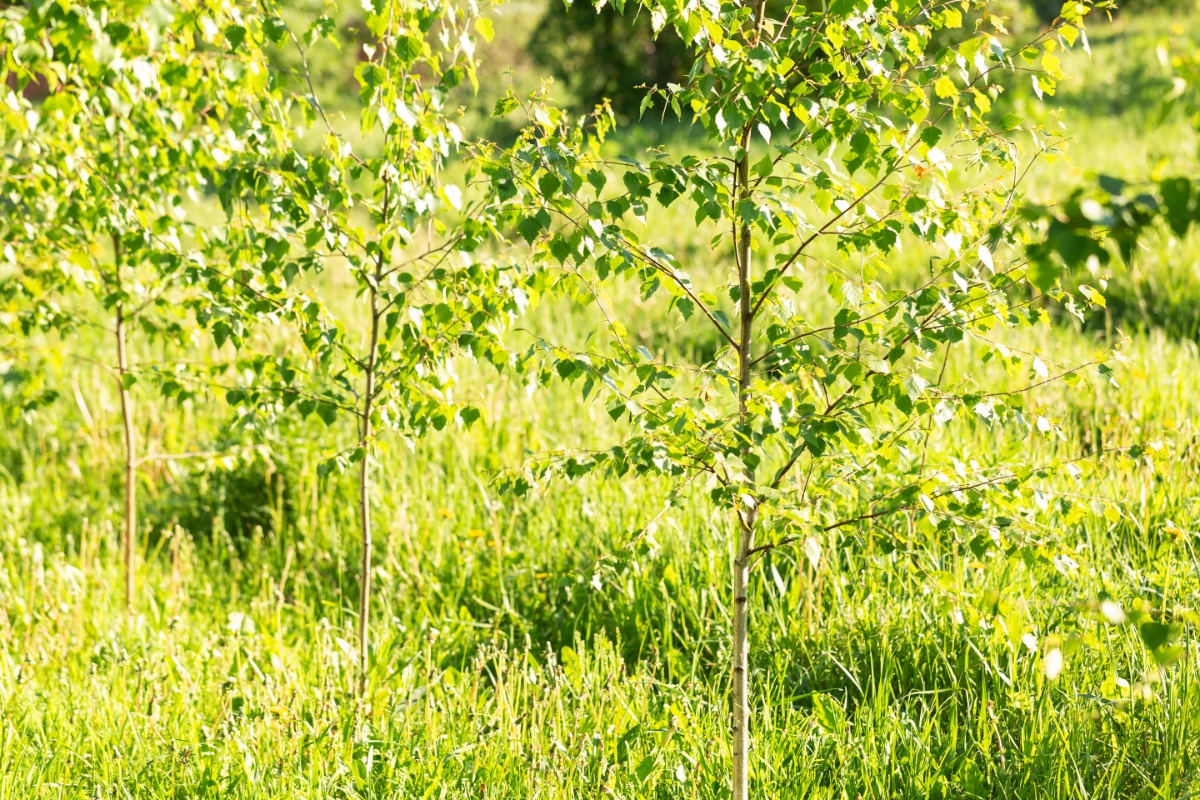
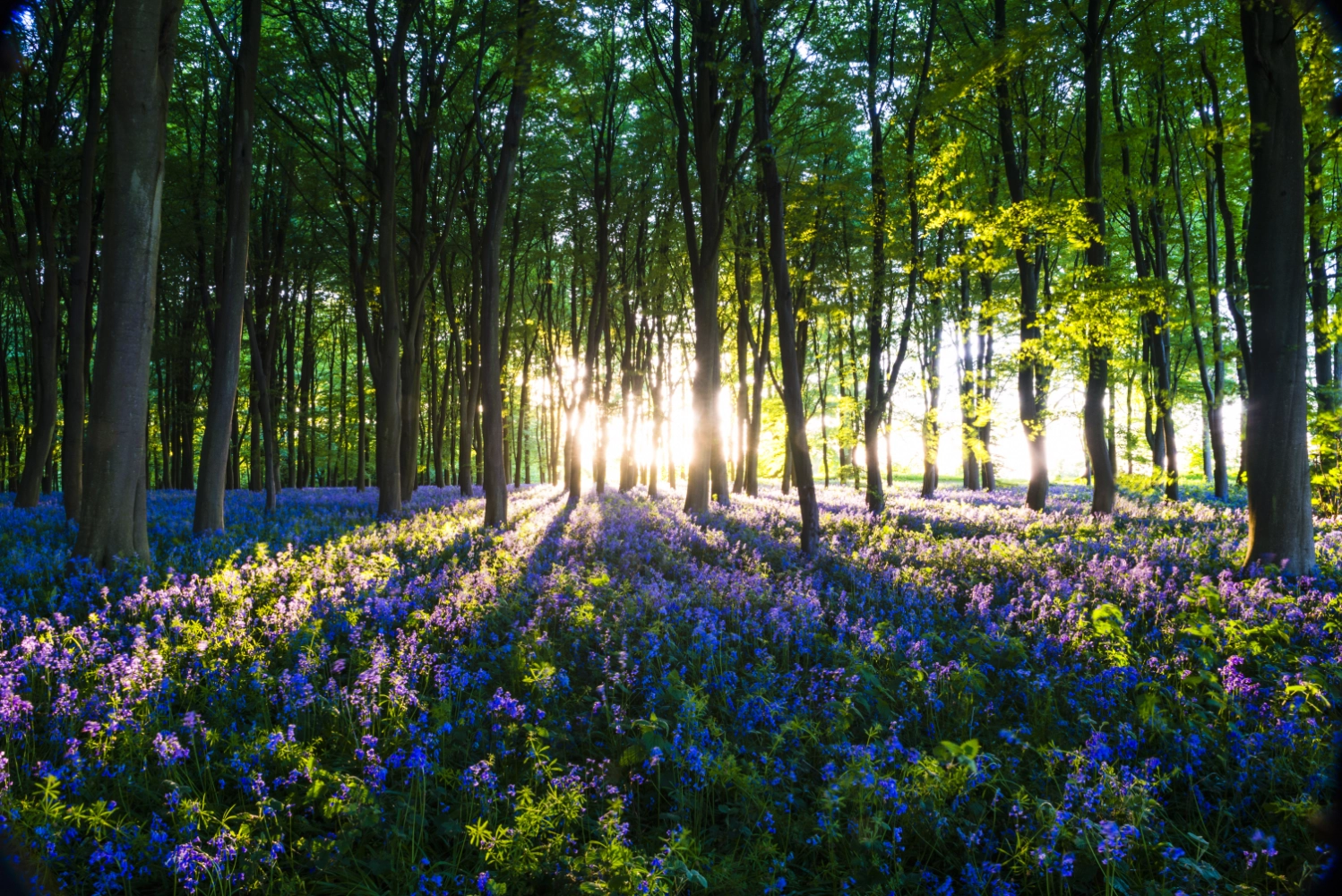
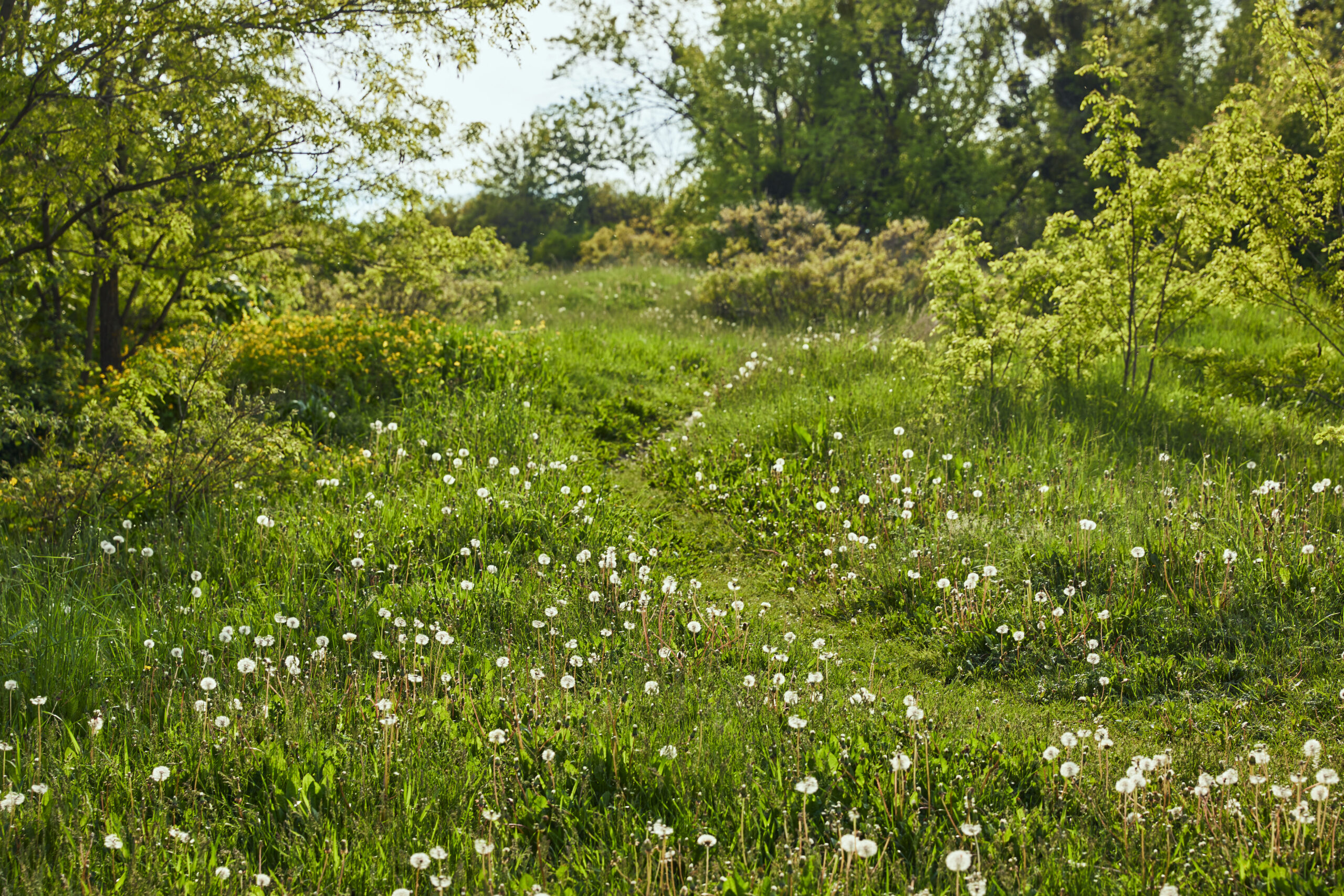
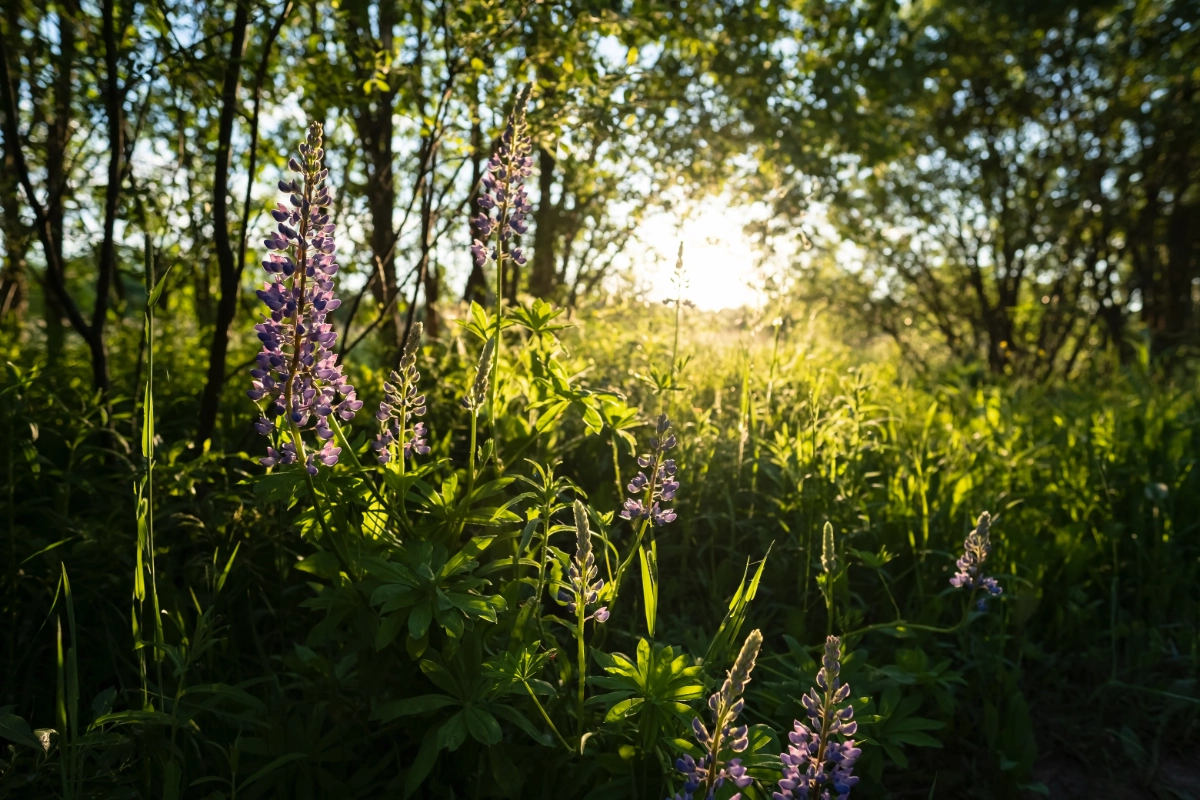
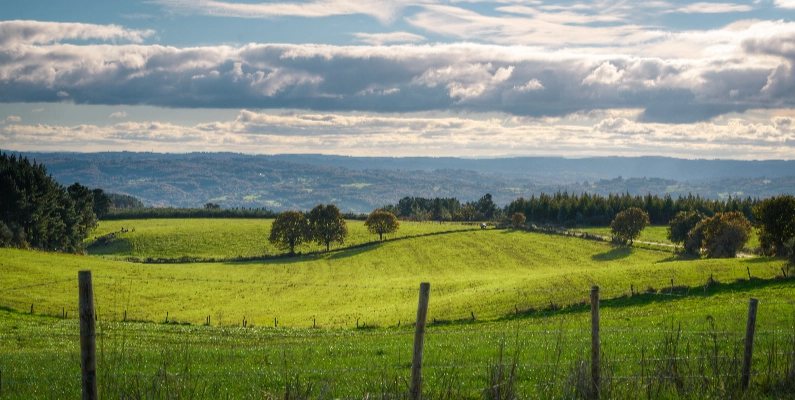
A natural burial ground in England: Instead of rows of headstones, the landscape remains natural – with wildflowers, grasses and trees. This serene environment allows the departed to “return to nature” in a place of beauty and tranquillity.
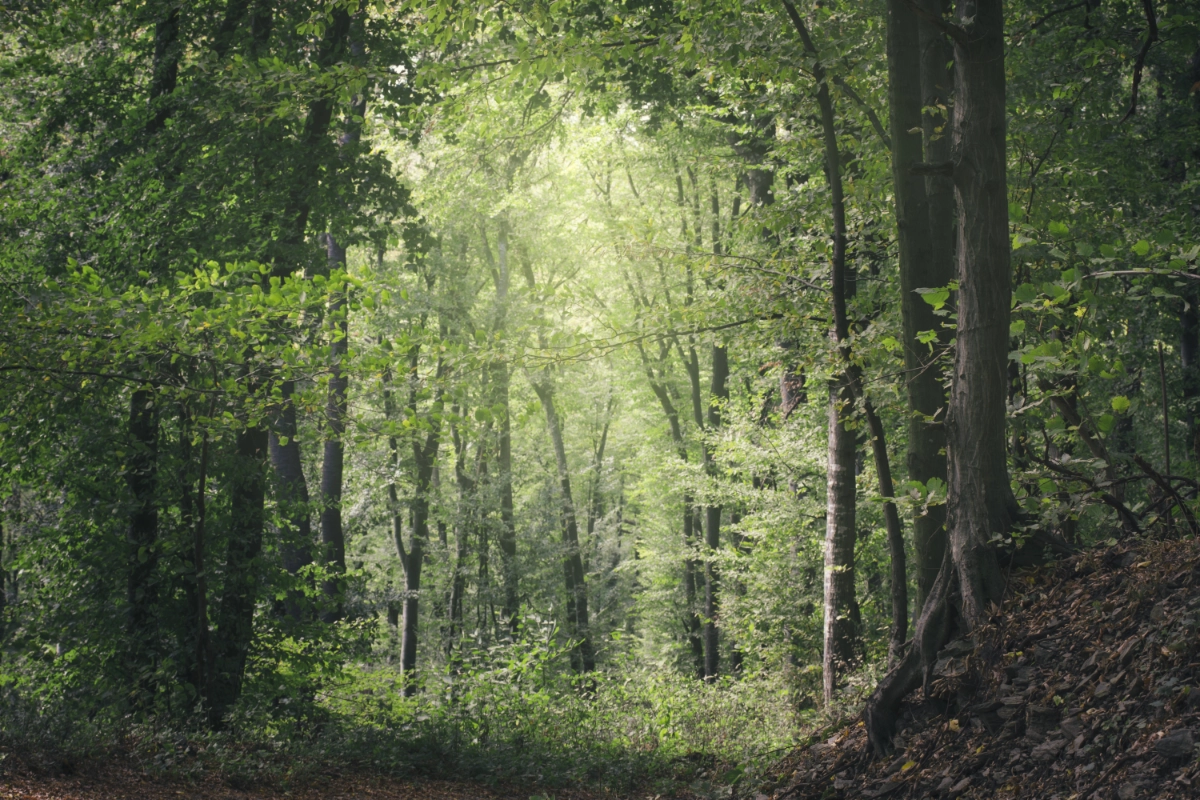
A natural burial is usually conducted in a dedicated natural burial ground. These grounds can take different forms – some are established woodlands, others are meadows or pastureland being gradually returned to wild, and some are newly planted forests where each grave contributes to the growth of the woodland. What they have in common is an emphasis on the natural landscape.
For example, one well-known site in Sussex is a wildflower meadow on a hillside, offering views of the countryside; another in Leicestershire might be within an existing forest glade.
The appearance is more like a nature reserve or park than a cemetery. There are no large headstones dominating the view. At most, one might notice that certain trees or patches of wildflowers seem intentionally placed – often those mark grave locations – or one might find small wooden plaques flush to the ground so as not to protrude.
Many natural sites don’t use any markers at all and instead give families a map or coordinates of where the grave is. Visiting such a site, you might have to rely on natural reference points (“beside the oak tree” or “under the hawthorn on the north slope”) rather than rows and plot numbers. This is a very different experience for visitors: instead of standing in a graveyard before a tombstone, families often remember their loved one by a particular tree or a certain scenic spot.
Wildlife is abundant in these sites – expect birdsong, insects, maybe grazing sheep or deer. Indeed, many natural burial grounds actively manage the land to encourage biodiversity (e.g. planting native species, creating ponds, or allowing seasonal grazing to keep grass at bay). The goal is that the area remains a green sanctuary. There are currently over 270 natural burial sites across the country, and each has its own character and charm. Some are run by local councils (often adjacent to existing cemeteries but kept as a separate natural section), and many are privately run by landowners or charities.
Because they are spread out, a family’s nearest natural burial ground might be a bit of a drive away (natural sites tend to be outside of city centres). This is one consideration: accessibility for elderly mourners or those who want to visit frequently. However, many families feel the travel is worthwhile for such a peaceful setting.
In contrast, traditional burials occur in cemeteries or churchyards that are often conveniently located within communities. A municipal cemetery is designed for efficient use of space and accessibility – typically a landscaped area with a grid of plots, paved or gravel paths, some benches, water taps for flowers, and maybe a chapel or office on site.
While many cemeteries are quite beautiful (Victorian garden cemeteries, for instance, have lovely trees and gardens), the overall look is distinctly that of a burial ground: you will see rows of headstones, crosses, or monuments of varying designs, each marking a grave’s location. Over time, as graves fill the space, traditional cemeteries can become visually dense with memorials.
A churchyard (graveyard) is similarly filled with tombstones, often older ones leaning with age, and is usually adjacent to a church. These spots have a historic, reflective atmosphere – generations of local families might rest there.
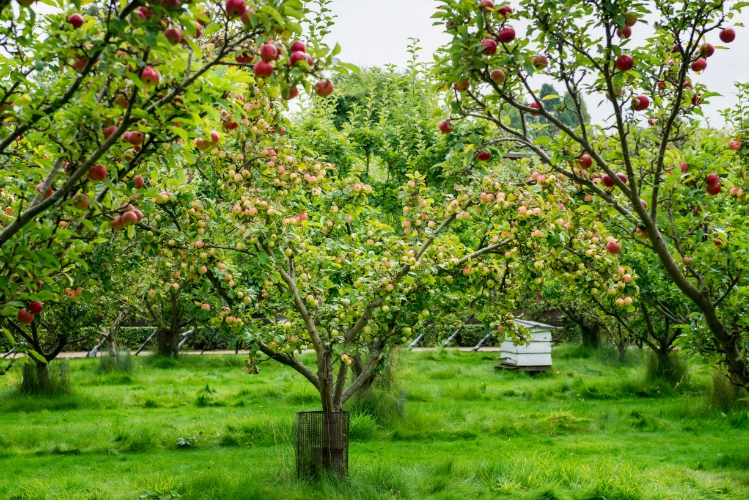
A traditional cemetery: Graves are marked by standing headstones and monuments. The grounds are tended (note the neat grass), creating a park-like but orderly environment. Such cemeteries offer a sense of heritage and a defined place to visit for remembrance.
The traditional cemetery setting offers a tangible focal point for remembrance – a particular grave with a headstone that family and friends can visit, decorate with flowers, or maintain over the years. Many people derive comfort from this physical marker and location.
The surroundings, being organised, also feel familiar: one can stroll along rows, read names and dates, see that others have walked this path of grief. However, some may find the environment of a cemetery less uplifting – it can be seen as a reminder of death and sorrow, whereas a natural burial ground feels more like a celebration of the ongoing cycle of life. This is a matter of personal perspective.
Another difference in location is the practical aspect of availability. Some urban areas have a shortage of traditional burial space (London boroughs, for example, have very limited new grave plots). Natural burial grounds have been emerging partly to address this need for more burial spaces, but you might have to travel to find one if you live in a city. Conversely, nearly every town has a cemetery or access to one. If being buried close to home (for ease of visits) is a priority, that might favour a traditional cemetery unless a natural site is nearby.
That said, some people deliberately choose a natural resting place that’s a bit farther – for instance, if the deceased loved a certain region or view, the family might be willing to travel there. Additionally, it’s becoming more common for natural burial grounds to have facilities like a small parking area and maybe a shelter or gathering room, whereas older churchyards have little infrastructure (aside from the church itself) but are usually centrally located in a village.
In summary, the location encapsulates a lot of the philosophical differences: a natural burial is immersed in nature, often in a protected green belt or countryside area, reflecting a return to the earth.
A traditional burial is usually amid communal memorials, integrated into towns or religious grounds, reflecting a historical and cultural resting place among fellow citizens or congregants. Visiting a natural grave might feel like a walk in a nature park; visiting a traditional grave might feel like entering a solemn sacred space. Some find one or the other more comforting – it’s an important aspect to consider when deciding.
Long-Term Maintenance and Memorialisation
When choosing a burial option, it’s also important to consider the long term: How is the grave or site maintained over the years and decades? How will your loved one be memorialised, and what do you as a family do in the long run to remember or tend their resting place?
In a traditional burial, once the funeral is over and the grave is filled, the family usually arranges for a headstone or memorial to be erected some months later (after the ground settles). This headstone becomes the permanent marker of that person’s grave. Families often take responsibility for keeping the grave tidy – placing fresh flowers in a vase, maybe pruning any plants on the grave, and periodically cleaning the headstone (scrubbing away lichen, etc.). Many find comfort in this act of tending the grave, as it’s a way to continue expressing care.
The cemetery staff will handle general maintenance: cutting the grass around graves, removing dead flowers or litter, and ensuring the area looks presentable. Over the very long term, headstones can last a century or more, but they may weather or even topple (in which case, the cemetery might lay them flat for safety). Generally, as long as the cemetery is active and funded (often through plot purchase fees and local authorities), it will be kept in reasonable condition. Some old churchyards become essentially historic sites when full, and the local parish or council might only do minimal upkeep, leaving them atmospheric and a bit overgrown.
Natural burial grounds take a different approach: the aim is that there isn’t an individual “gardening” responsibility for each grave; instead, the whole site is managed as an ecosystem. You won’t see people bringing potted plants or silk flowers to a natural grave – in fact, those are usually against the rules.
Families might be allowed to plant a few native bulbs or scatter wildflower seeds on the grave, but then nature is left to do the rest. The idea is that the living memorial is the landscape itself. For example, if someone’s grave is in a meadow, come spring it may be covered with cowslips and buttercups as part of the meadow’s natural cycle – a beautiful, albeit transient, “floral tribute” renewed each year. Or if one is buried in a woodland, their grave might eventually be marked by a mature tree that grew nearby or was planted at the time of burial.
Maintenance in a natural burial ground is more about stewardship of the whole habitat. There might be periodic mowing once or twice a year (e.g. to mimic hay meadow management), or controlled grazing. Paths are usually kept clear so visitors can walk through, but you won’t see neatly edged plot lines or weeded graves. Some families initially find it a little disconcerting that “nothing’s there” in terms of a built memorial – especially a few years on, when a mound of earth has levelled and grasses have grown, it can seem like the person’s resting place has “disappeared” into the wild. But many also find that notion comforting: the person has truly become one with the forest or meadow.
To assist, many natural sites maintain a digital or central record of who is buried where. They might have a communal memorial board at the entrance listing names, or an online map. The Natural Death Centre charity each year even gives awards to natural burial grounds, often noting those that balance nature and family friendliness well. If visiting and finding a grave is important, choose a site that has clear referencing for plots (some give discreet number markers or use GPS apps).
An important point: longevity of the site. When you choose a natural burial ground, you’ll want to know that the land is legally protected or intended to remain a burial ground/nature reserve indefinitely. Many natural burial grounds are established with this in mind – some owned by councils, some put in trust or with management plans to continue far into the future. It’s wise to ask the site operators about their long-term plan. (For example, are they members of the Association of Natural Burial Grounds and do they adhere to its code of practice about protecting the land?) The last thing you’d want is a site that might be sold off in 50 years for development – though that seems highly unlikely if it’s already being used for burials, as human remains are legally protected from disturbance without special authority.
Traditional cemeteries also face issues of long-term space and upkeep, but because they’re often municipally run or attached to a church, they have an institutional framework to persist. Many natural burial grounds, while newer, are founded with a conservation ethos that implies perpetual care of the land.
Memorialisation in natural burial vs traditional burials also reflects differing values. In a traditional burial, the memorial is very explicit: a headstone with the person’s name, dates, perhaps a tribute or religious symbol. It stands as a public record of that life, visible to any passer-by. People might add to the memorial over time (new inscriptions for subsequent family members, or added plaques, etc.).
In a natural burial, memorialisation is more subtle or alternative: you might have a tree dedicated to the person, or their name inscribed in a communal memorial book or carved on a timber feature at the site’s entrance. Some families make use of technology – e.g. a smartphone app or website that, when you’re standing on the spot (with GPS), you can see a tribute or biography of the person. Others simply keep the memory alive by visiting the beautiful site and not needing a physical inscribed marker.
This means that if you are someone who finds solace in a gravestone and a defined grave, the traditional route provides that. If you instead feel that “ashes to ashes, dust to dust” in the literal sense and don’t require a personal monument, you may resonate with the natural approach. It’s very much about how you foresee the grieving and remembrance process. Some people even feel that not having to maintain a grave is a relief – there’s no guilt of “I haven’t been to tidy the grave,” because nature does the “gardening,” and you remember your loved one by taking a walk in the woods, which can be therapeutic.
Personal Values and Philosophy
Beyond the practical differences, choosing between a Natural Burial vs. Traditional Burial often comes down to personal values, beliefs, and the emotional meaning you attach to the funeral. Each option embodies a different philosophy toward life, death, and how we honour those who have passed.
For many, natural burials align with values of environmental consciousness, simplicity, and a return to roots. If your loved one was someone who cared deeply about nature, wildlife, or living sustainably, a green burial can feel like a final affirmation of those principles – a “green goodbye.” People often say a natural burial “just feels right” because it is how things occur in nature: the body is allowed to recycle and foster new life (quite literally pushing up daisies). There can be something comforting and even beautiful in that concept. In fact, some who choose it frame it as “giving back to the earth”, almost a legacy of conservation. Philosophically, it treats death as a natural part of life’s cycle, not something to be hidden or sanitised.
This perspective can be spiritually comforting even to those who aren’t religious – a feeling of unity with the earth. One funeral guide described green burial as being rooted in simplicity, sustainability, and a gentle return to the earth. Families who opt for this often have a strong sense that they don’t want a lot of fuss or formality. They may see the conventional funeral industry as overly commercial or impersonal, whereas a natural burial offers a more personal and authentic experience.
There’s also a value of personalisation: without the strict template of a traditional service, a natural burial lets families craft a farewell unique to the person – whether that means playing their favorite folk song under an open sky, or having everyone wear bright colours, or planting an oak sapling as a living memorial.
On the other hand, traditional burials reflect values of tradition, continuity, and tangible remembrance. Many people take comfort in doing “what’s been done for generations” – there’s a familiarity and dignity in the rituals of a church service, the solemn lowering of a coffin, the erecting of a granite headstone that will bear the name for posterity. This choice might align with religious faith: for example, Christians might find meaning in being laid to rest in consecrated ground with the rites of the Church of England or Catholic Church; similarly, other faiths have burial traditions that are time-honoured (Muslim and Jewish traditions, for instance, mandate prompt burial in a specific manner – these are actually quite natural in practice, with shrouds and no embalming, but still considered “traditional” within those communities). So, a “traditional” burial can also mean fulfilling religious obligations and cultural customs.
Additionally, the value of having a permanent grave is significant for some – it’s viewed as an earthly anchor for the memory of the person. Future grandchildren or great-grandchildren can visit that grave and feel a connection. There’s a philosophical comfort in permanence: the headstone as a lasting record that “John Smith lived from this date to that date and is remembered.” Traditional cemeteries often have war memorials, family plots, etc., which contribute to a sense of collective memory and history. Choosing that environment might reflect a value of being “together” even after death – e.g., spouses often choose side-by-side plots, and some families choose a cemetery because other relatives are buried there (creating a family gathering place in death).
There is also a value difference in terms of approach to mourning. Some people feel they need the formal structure of a traditional funeral to help them grieve – the solemnity, the well-defined stages (visitation, funeral, committal, etc.) can provide a framework to say goodbye. Others may feel that a more informal or nature-focused farewell is more healing for them – for instance, taking a quiet walk in the woods whenever they want to feel close to their loved one, rather than visiting a cemetery which might feel depressing. There’s no right or wrong in this; it’s deeply personal.
It’s interesting that sometimes it comes down to the personality of the deceased or the family ethos. For example, consider someone who was very formal, traditional, perhaps a military veteran – their family might feel a traditional burial with flags, a church service and a regimented cemetery is the best way to honour them. Versus another person who was a free spirit, an environmentalist who loved hiking – a natural burial in a forest with a simple ceremony might be the most fitting tribute. In essence, the burial choice itself becomes a reflection of the person’s life and values.
It’s worth noting that these choices are not mutually exclusive with meaning. You can have an environmentally conscious traditional funeral (for instance, some people now use biodegradable coffins even in normal cemeteries, and skip embalming – effectively blending practices), or you could incorporate religious or cultural elements into a natural burial (some natural sites even have sections blessed by certain faiths, or you can have a vicar lead prayers at a woodland burial). The “philosophy” lines can blur. However, broadly, a natural burial emphasises harmony with nature and simplicity, while a traditional burial emphasizes honouring through established customs and permanent memorial.
Family and community expectations might also play a role. In some communities, anything other than a traditional burial might be viewed as odd or even frowned upon; in others, green funerals are seen as the new normal or commendable. So one’s values might also be about being true to oneself or one’s community norms.
In conclusion, when deciding between natural and traditional burial, it can help to ask: What feels most respectful and comforting to you and the deceased? Is it the idea of a peaceful woodland grave nourishing a new tree – or a solid headstone in a place where generations of your family can come? Is it the time-honoured funeral rites – or a personalised gathering in nature? Understanding these emotional and value-based drivers is key, as they will guide you to the choice that best resonates with your feelings and principles.
Making an Informed, Heartfelt Choice
Choosing between a Natural Burial vs. Traditional Burial ultimately comes down to what feels right for your loved one and your family. Both options are legally viable and can be arranged with respect and dignity – but they offer very different experiences. In this article, we’ve seen that natural burials offer an eco-friendly, simplified return to nature, often chosen for its sustainability and serene beauty. Traditional burials, on the other hand, offer familiarity, formality, and a lasting gravestone where one’s life can be memorialised.
Neither choice is “one size fits all.” You might be drawn to the natural freedom of a woodland burial, or you might find comfort in the traditions of a churchyard burial – or perhaps elements of both appeal. What’s most important is that the decision aligns with your values, beliefs, and the wishes of the person who has died. Consider discussing these options with family members and even including your loved one’s own wishes (if known or documented). There’s growing awareness and acceptance of natural burials – with nearly 300 natural sites and counting, it’s an option that many are taking, knowing that it contributes to conservation and personalises the farewell. Meanwhile, traditional cemeteries continue to provide that sense of continuity and a place of reflection that many families cherish.
If you’re contemplating a natural burial, it could be helpful to visit a local natural burial ground to get a feel for it. See if the environment resonates with you. Speak with the site manager about how they operate and any questions you have. Many have open days or will gladly show you around. Likewise, visiting a cemetery (perhaps the one where your family has history) might reinforce the importance of that setting for you.
Remember, you can also combine practices to some extent: for example, you could have a traditional funeral service in a church, then proceed to a natural burial for interment. Or you could have a very environmentally conscious burial in a traditional cemetery (with a biodegradable coffin and tree planting, if allowed). The key is communication with your family, funeral director or the burial ground to ensure your preferences are met.
Finally, whatever choice you make, know that what truly matters is the love and respect with which you make your decision. A funeral is for honouring a life and beginning the healing process for those left behind. Whether that happens under ancient oak trees with birds singing, or under the arches of a stone church with bells tolling, the significance comes from the meaning you attach to it.
As you make this decision, take your time, gather facts (we hope this guide has helped), and follow your heart. If inclined, you may consult resources like natural burial ground directories (to find a green burial site near you) or speak with multiple funeral providers to compare options. For example, you can explore our Natural Burial Grounds Near Me to see the range of natural sites available and get further details on each. Many families find that once they have all the information, one option clearly stands out as being “right” for them.
In the end, there is no wrong choice – only the choice that best aligns with your values and the way you wish to celebrate your loved one’s life. Whether you choose a traditional burial vs natural burial, doing so with thoughtfulness and care will ensure it is a fitting farewell.
Whichever path you take, may it bring you peace and may your loved one rest in peace, knowing their wishes and values are honoured. ❤️
Explore Natural Burial Grounds Across the UK
Search our Directory ➜ Natural Burial Grounds Near Me
Find peaceful, eco-friendly burial grounds near you.