
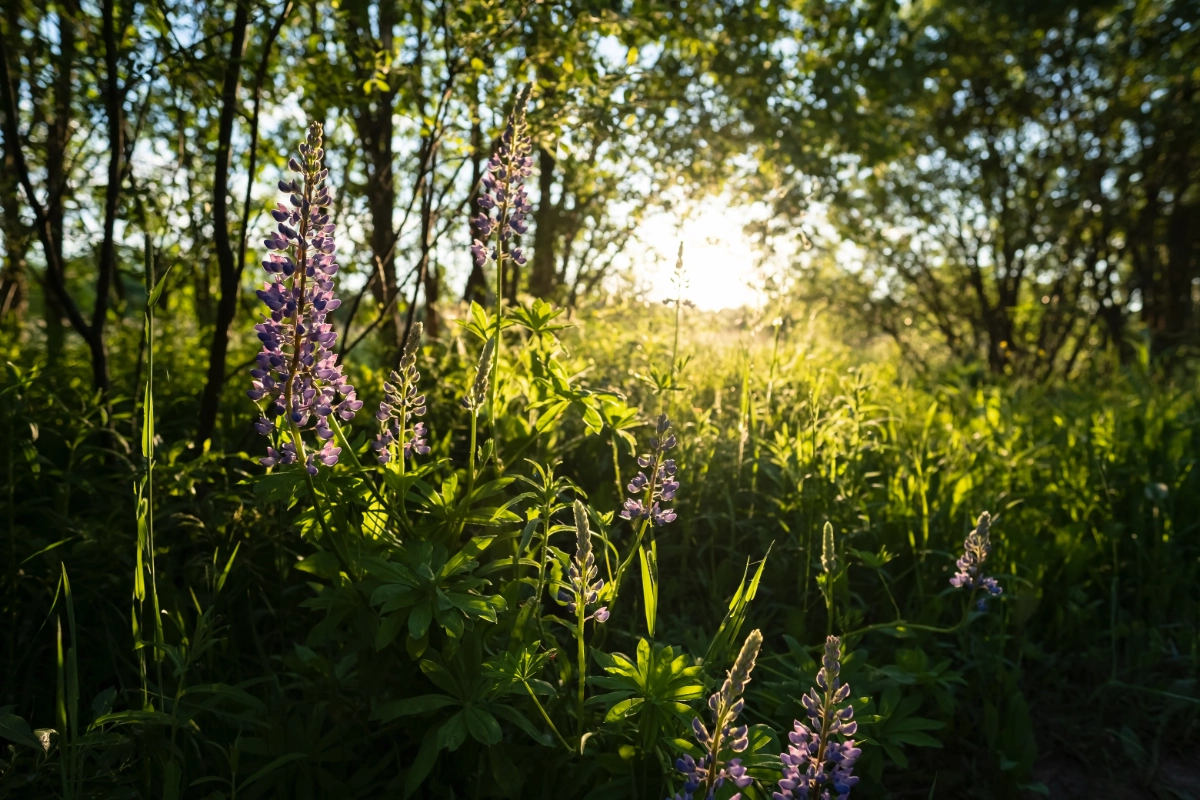
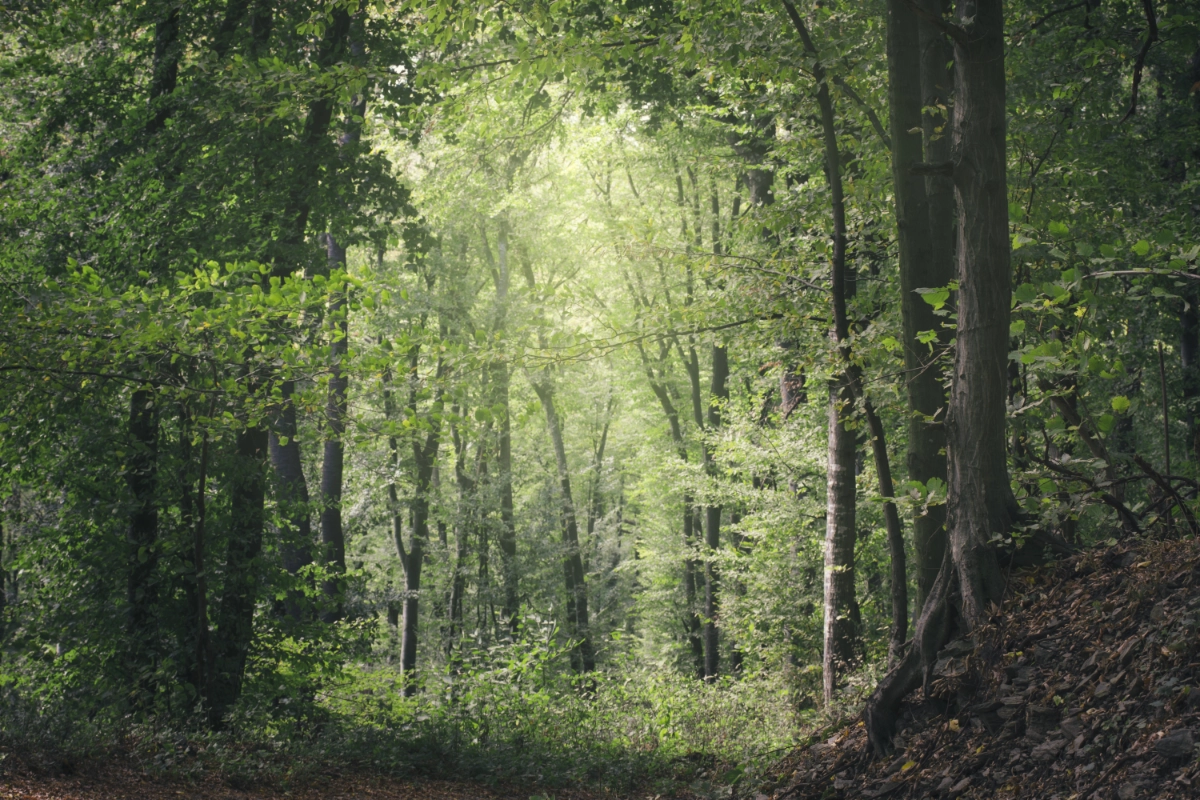
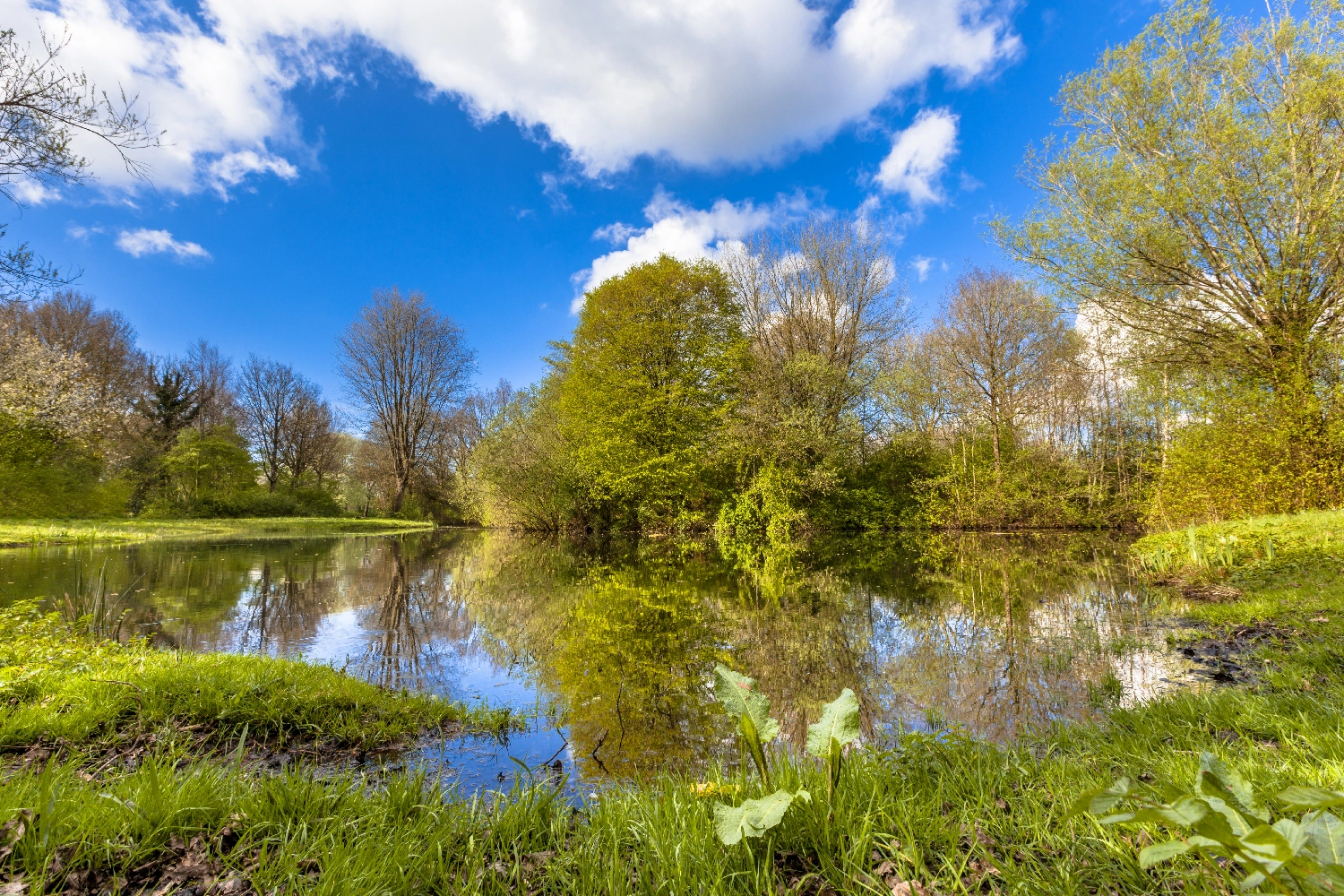
Natural burial grounds offer a peaceful, environmentally friendly alternative to conventional cemeteries. They allow people to return gently to the earth, surrounded by living landscapes that support wildlife, restore soil, and provide meaningful places for visitors to walk, reflect, and connect with nature.
Permaculture design – a holistic methodology rooted in ecology – offers a powerful framework for planning and managing natural burial grounds in ways that enhance biodiversity, conserve water, and serve the community. This guide explains how permaculture principles can shape the land, planting, and pathways of a burial ground, making it both environmentally thriving and emotionally supportive.
What Is Permaculture and Why Use It in a Natural Burial Ground?
Permaculture is a design approach based on three core ethics:
-
Earth Care – protecting and regenerating natural systems
-
People Care – creating places that support human well-being
-
Fair Shares – using resources responsibly and giving back to the land
These ethics align closely with the aims of natural burial. Both seek to:
-
minimise environmental impact
-
restore ecological balance
-
foster connection between people and nature
-
honour life by helping landscapes flourish
Using permaculture as a design lens encourages us to think of a burial ground not only as a place of rest but as a living ecosystem. Every choice—plants, pathways, soil management, water flow—can support wildlife, enhance beauty, and bring comfort to visitors.
Choosing and Assessing the Landscape
Design begins long before planting. A permaculture assessment considers the landscape’s natural characteristics and how people will interact with it.
Observe the Land First
Before making any design decisions, spend time on the site in different weather and seasons. Look for:
-
Sun and shade patterns
-
Prevailing winds
-
Natural water flow or wet ground
-
Existing trees, hedgerows, or habitats
-
Views and sightlines
-
Wildlife already present
This observation phase helps ensure that the burial ground works with nature rather than altering it unnecessarily.
Soils and Suitability
In the UK, natural burial sites need free-draining soils and areas where graves can be placed at least one metre above the water table. Sandy loam or mixed soils are ideal. Heavy clay may require careful placement or additional planting to improve drainage over time.
Soil testing is helpful to understand:
-
pH levels
-
organic matter content
-
compaction
-
moisture retention
This information guides planting choices and water management strategies.
Choosing Zones Within the Land
Permaculture uses zoning to place features according to how often they are visited. In a burial ground, zones might include:
-
a welcome and ceremonial zone near the entrance
-
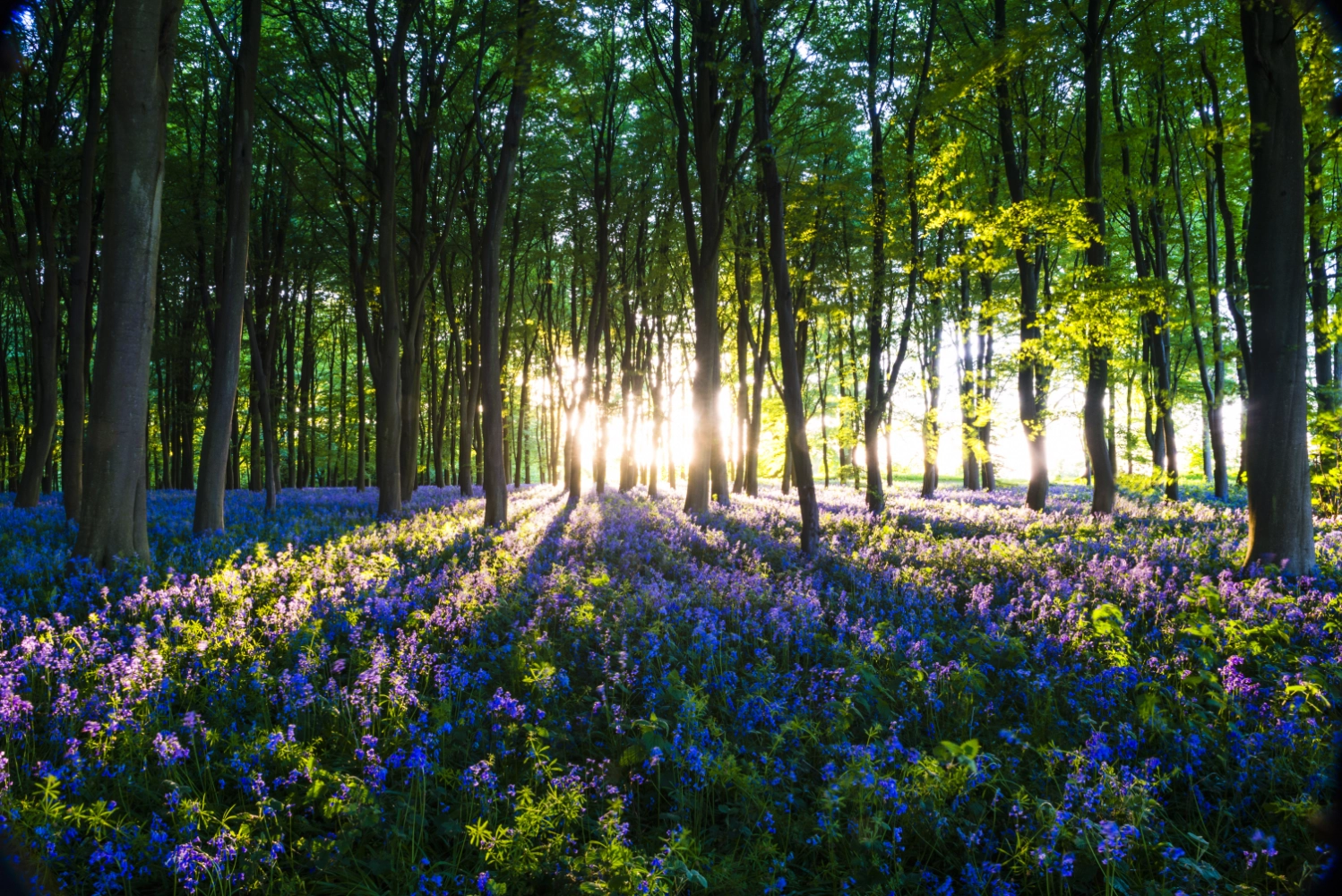
a meadow or woodland burial area
-
quiet zones for walking, reflection, and wildlife
-
habitat-rich areas with minimal intervention
Zoning helps manage visitor flow, access needs, maintenance, and ecological protection.
Designing for Biodiversity: The Heart of Permaculture Burial Grounds
Native species are well-adapted to UK conditions and support the highest number of insects, birds, and mammals. A diverse mix offers resilience and seasonal interest.
Native trees for burial grounds may include:
-
Oak
-
Silver birch
-
Rowan
-
Lime
-
Willow
-
Hazel
-
Field maple
Understory shrubs might include:
-
Hawthorn
-
Blackthorn
-
Elder
-
Dog rose
Groundcover and wildflowers could include:
-
Ox-eye daisy
-
Knapweed
-
Yarrow
-
Meadow buttercup
-
Birdsfoot trefoil
-
Ragged robin (in wetter areas)
Create Layered Woodland and Meadow Habitats
Mimicking natural woodland structure creates a resilient ecosystem:
-
Canopy layer: tall trees
-
Understory: smaller trees and shrubs
-
Herbaceous layer: wildflowers and grasses
-
Ground layer: mosses, leaf litter, fungi
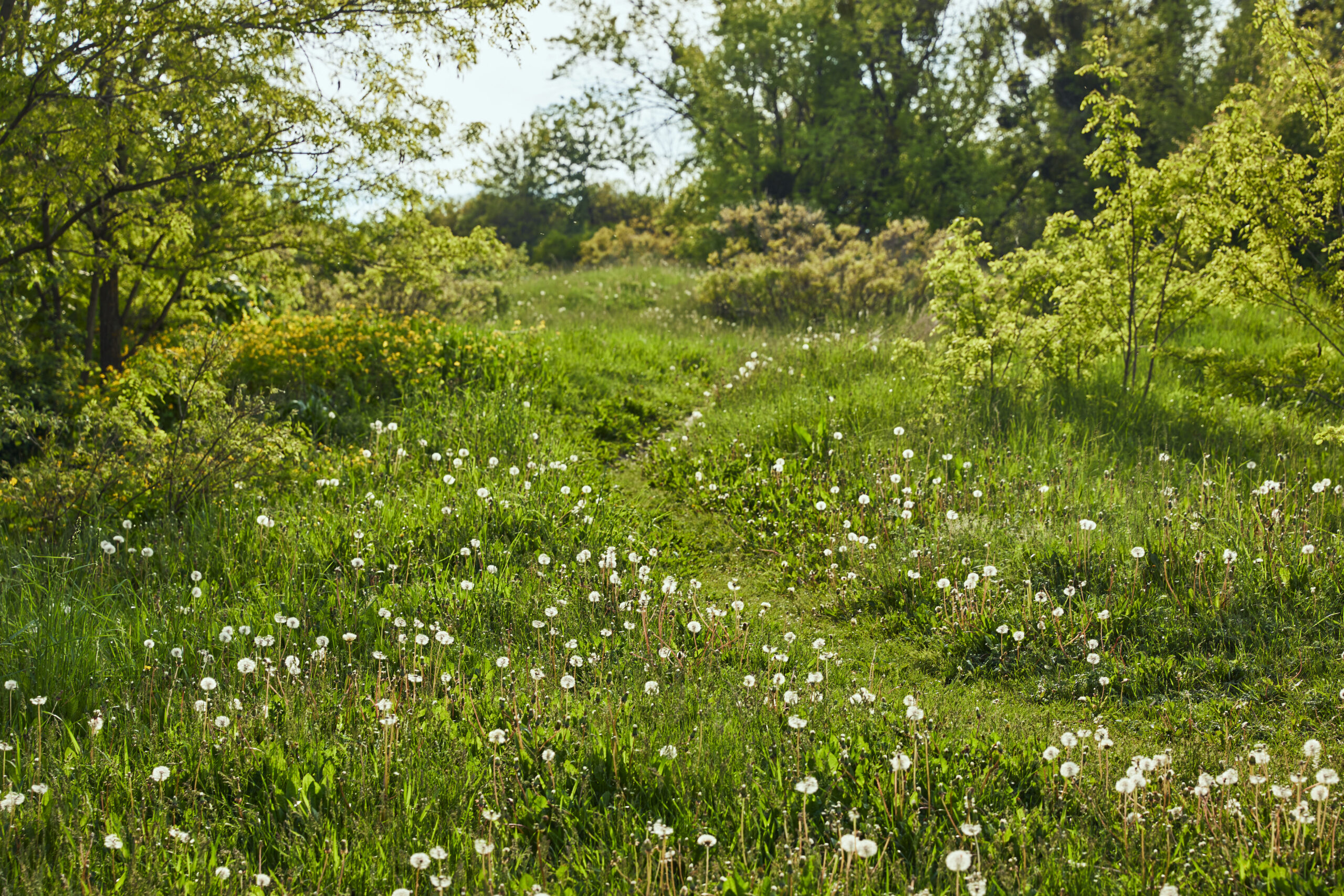
In meadow areas, long grasses and scattered wildflowers create excellent habitats for pollinators and insects. A single annual cut—usually in late summer—encourages growth and keeps maintenance low.
Use “Edges” to Increase Wildlife Activity
In permaculture, edges (where two habitats meet) are the most diverse and productive spaces. Creating gentle transitions between:
-
meadow and woodland,
-
hedge and open field,
-
pond and grassland
will support more species and create a visually softer landscape.
Planting Memorial Trees
Planting a tree on or near a grave provides:
-
a living memorial
-
carbon sequestration
-
shade and structure
-
long-term habitat value
Each tree becomes part of the evolving woodland and helps bind the burial ground into the landscape over decades.
Working With Water: A Key Permaculture Principle
Water management is essential in creating resilient ecosystems and maintaining healthy burial grounds.
Slow, Spread and Sink Water
Permaculture encourages designs that help rainwater soak into the landscape rather than running off quickly.
Good water strategies include:
-
swales (shallow drainage channels dug on contour)
-
wildlife ponds
-
seasonal wet areas planted with moisture-loving species
-
mulching around trees and graves to retain moisture
These practices help prevent erosion, nourish plantings, and create additional wildlife habitats.
Ponds and Wetland Features
A pond, even a small one, provides:
-
habitat for amphibians and birds
-
drinking water for wildlife
-
a focal point for visitors
-
reflective beauty and tranquillity
Wetland areas can be designed naturally, using reeds, rushes, and sedges that filter water and support insects.
Paths, Accessibility and Visitor Experience
A natural burial ground is both an ecological site and a place for people. Permaculture encourages designing paths and spaces that respect both functions.
Natural, Soft Pathways
Paths can be created from:
-
bark chip
-
mown grass
-
compacted earth
-
gravel (where more accessible surfacing is needed)
Curved, flowing paths help visitors move gently through the landscape and reduce the feeling of formality.
Clearings and Resting Spaces
Spaces for ceremony, quiet reflection, and mindfulness help make the site welcoming. These may include:
-
simple wooden benches
-
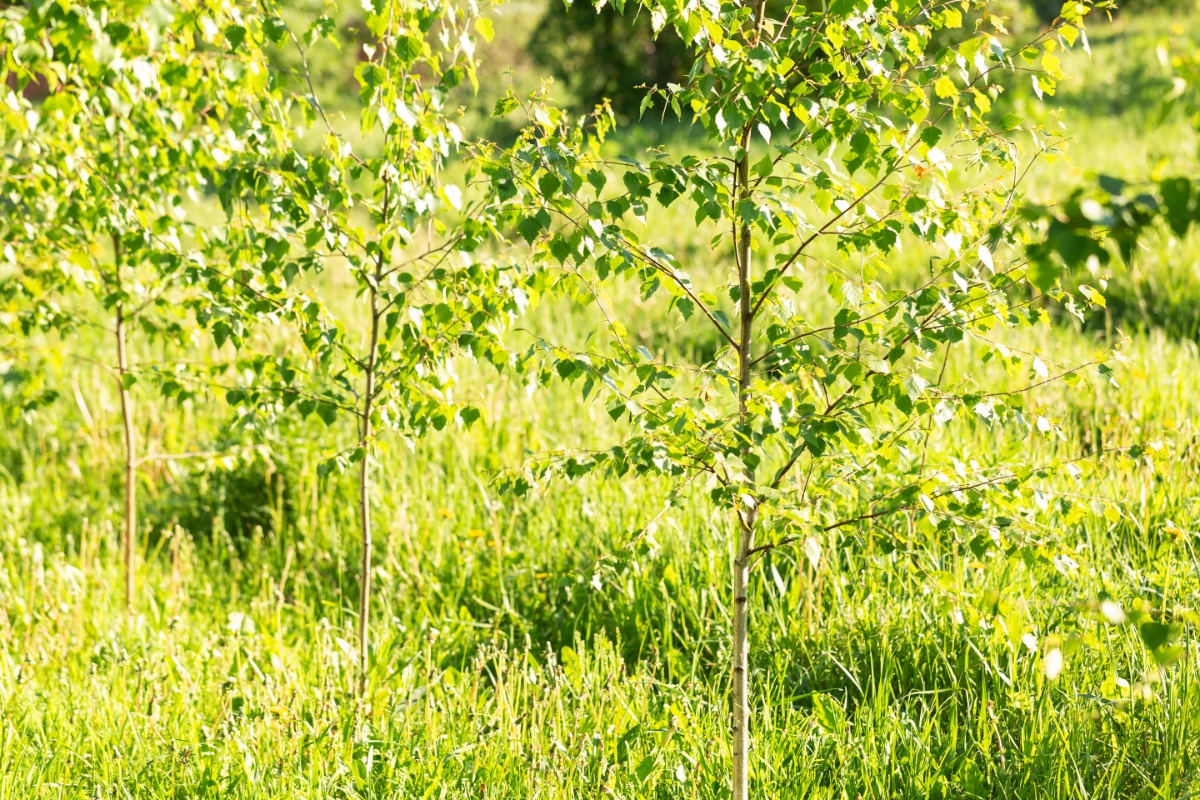
small glades with young trees
-
natural seating from logs or stone
-
circles or clearings surrounded by wildflowers
These areas should feel peaceful and connected to nature.
Community Use and Connection
Some natural burial grounds open their land for:
-
walking routes
- Nature connection Mindfulness
- Forest Bathing
-
birdwatching
-
seasonal events
-
remembrance days
-
nature education activities
Permaculture encourages designs that support community well-being and foster a sense of belonging.
Soil Health and Long-Term Stewardship
Healthy soil is the foundation of both permaculture and natural burial practices. Over time, the burial ground should become richer, more fertile, and more biodiverse.
Build Soil Naturally
Avoid heavy machinery whenever possible and favour low-impact approaches:
-
mulch with leaves, woodchip or grass cuttings
-
leave deadwood in place to support fungi
-
avoid chemical fertilisers or herbicides
-
compost prunings on-site
-
allow natural decomposition processes to flourish
Each grave naturally contributes organic matter back to the soil, supporting microbial life and future plant growth.
Encouraging Ecological Succession
As years pass, landscapes evolve. A well-designed burial ground will shift from:
-
open meadow → scrubby edges → young woodland → mature woodland
This natural succession can be guided, not controlled, using selective planting and gentle management.
Maintenance: A Light-Touch Permaculture Approach
Natural burial grounds require far less maintenance than traditional cemeteries. The goal is not to create “tidy” spaces but thriving ones.
Common practices include:
-
one annual meadow cut
- Chop and Drop
-
occasional pruning of young trees
-
removal of invasive species
-
topping up mulch around plantings
-
maintaining safe and accessible paths
This "light-touch stewardship" respects the rhythms of nature and allows wildlife to flourish.
Designing for the Future
A natural burial ground should be designed not only for the next few years but for decades and generations. Permaculture encourages thinking long-term.
Consider Future Woodland Canopies
Young plantings may look sparse at first, but with time:
-
paths will become shaded
-
clearings may close in
-
woodland layers will thicken
-
biodiversity will increase
Planning planting densities and species mixes with this in mind helps ensure the site remains beautiful and ecologically rich as it matures.
Mapping and Record Keeping
Clear, non-intrusive mapping is essential:
-
GPS-based plot records
-
digital maps of planting zones
-
notes on species health and changes
-
ecological monitoring
This helps ensure good management while keeping the landscape natural and uncluttered.
Permaculture Principles
Using permaculture principles to design a natural burial ground creates a landscape that is gentle, ecologically rich, and deeply meaningful. These burial sites become more than resting places—they are living, evolving ecosystems that support wildlife, restore soil health, and provide peaceful spaces for reflection.
By working with nature rather than against it, a burial ground becomes a place of regeneration. Each grave contributes to the cycle of life, each tree becomes a living memorial, and every visitor experiences the healing calm of a landscape designed with care, respect, and long-term stewardship in mind.
Resources and Information
Explore Natural Burial Grounds Across the UK
Search our Directory ➜ Natural Burial Grounds Near Me
Find peaceful, eco-friendly burial grounds near you.
Frequently Asked Questions
Maintenance
No. They are managed with minimal intervention—usually one annual meadow cut, occasional pruning, and removing invasive species. The aim is to encourage nature, not control it.
Native Plants
Native species are best, including oak, birch, willow, hawthorn, hazel, and wildflowers such as ox-eye daisy, yarrow, and knapweed. These support local wildlife and thrive in UK conditions.
Ponds
Permaculture Principles
Community Use
Many sites offer public access or community events. Permaculture design naturally supports multi-purpose use that benefits people and the environment.