
Natural burials offer a gentle, environmentally conscious alternative to traditional funerals. Instead of embalming chemicals, polished headstones or intensive landscaping, natural burials work with nature—allowing the land to breathe, regenerate and become a living habitat. For many people, the appeal is simple: a return to the earth in the most natural way possible.
This guide explains how natural burials reduce environmental impact, why they are considered one of the most sustainable end-of-life choices, and the ecological benefits they offer for wildlife, soil health, and future generations.
What Makes a Burial “Natural”?
Natural burials follow a set of environmentally friendly principles:
No embalming chemicals
Biodegradable coffins or shrouds only
No concrete vaults
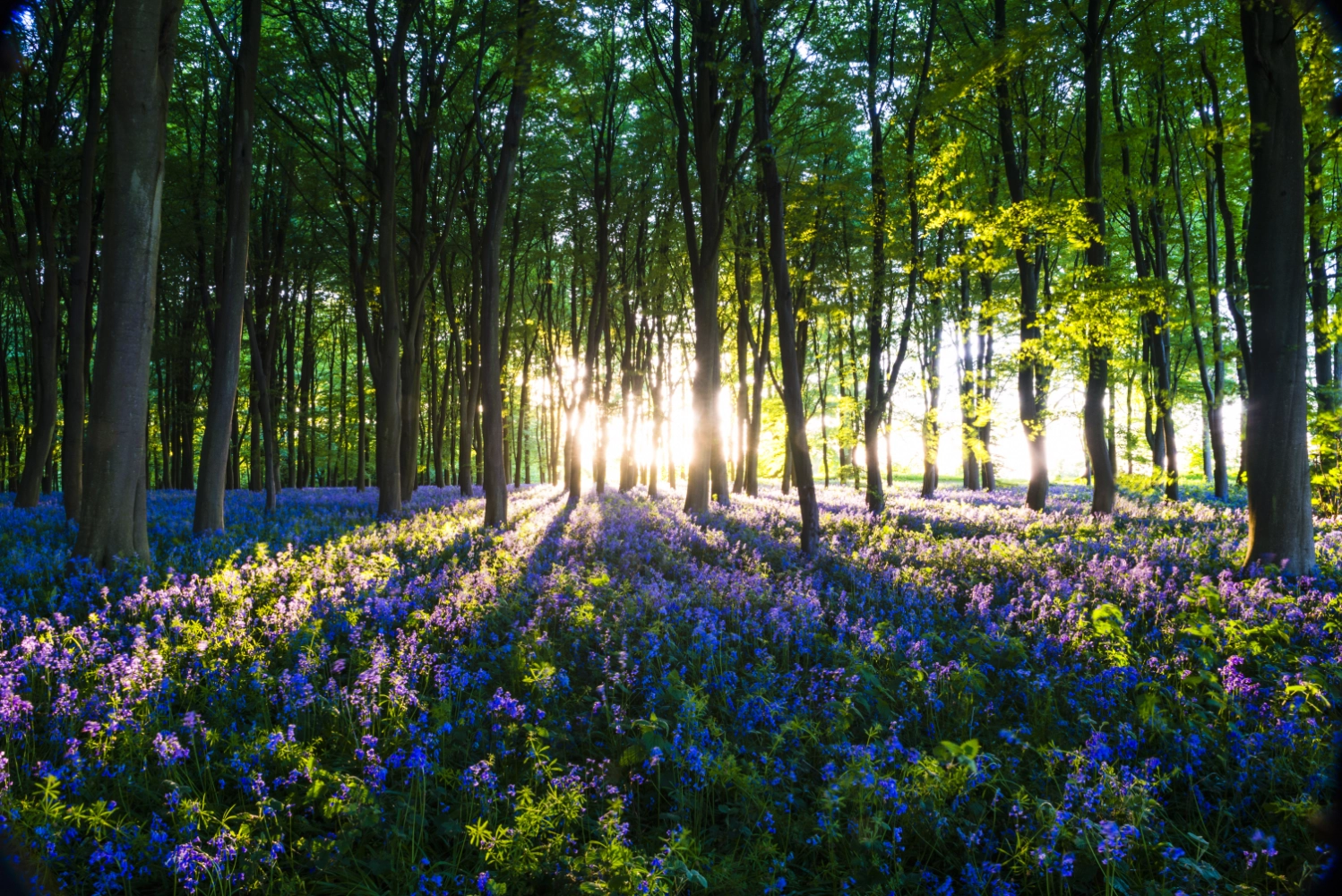
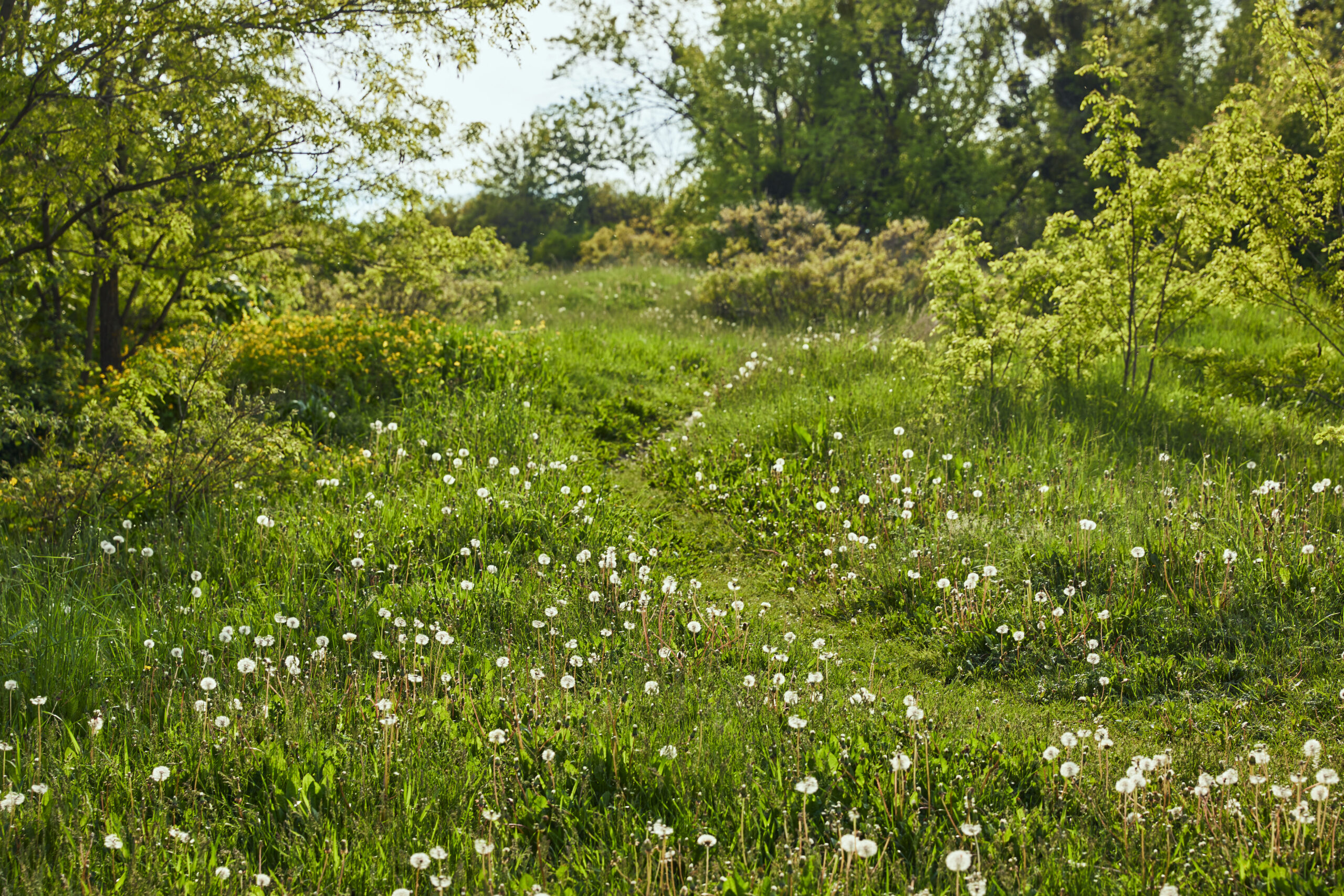
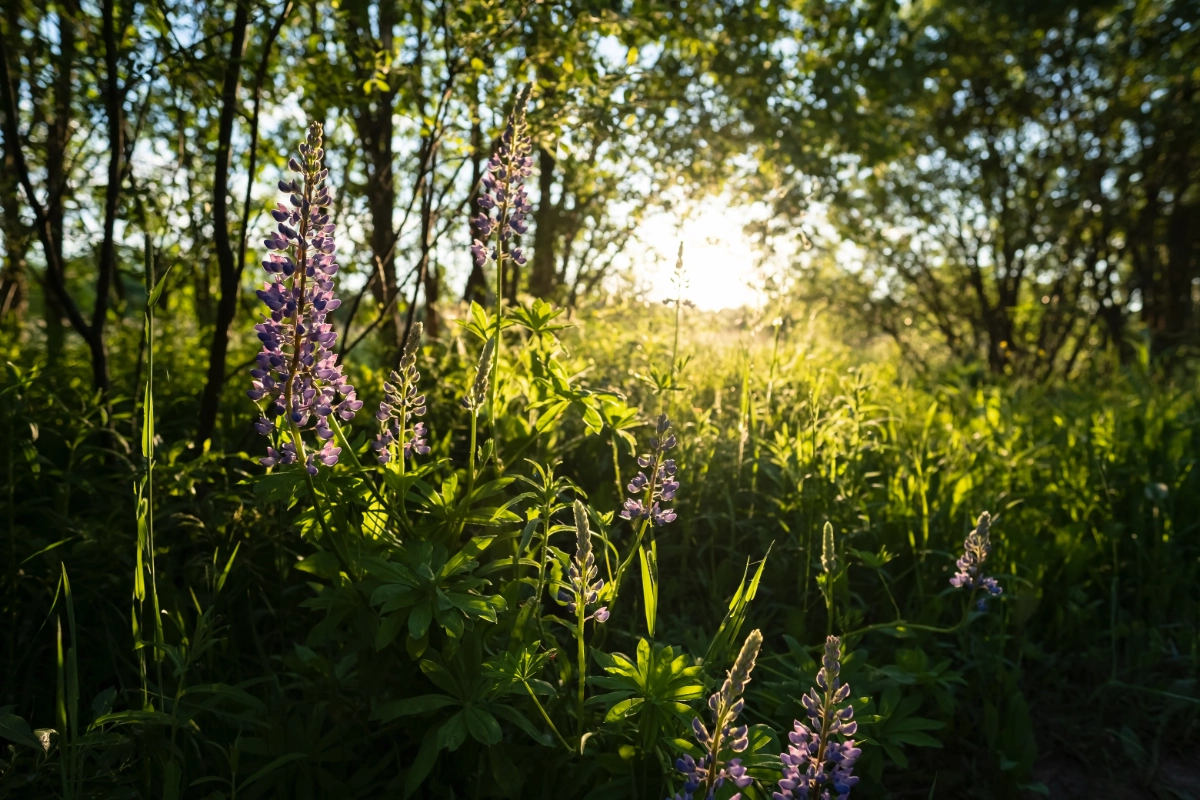
Graves placed within natural landscapes such as wildflower meadows, pasture, or woodland
Minimal maintenance, often just one or two cuts a year
Native trees and plants, not ornamental species
No hard memorials, reducing resources and land disturbance
These practices drastically lower the ecological footprint compared with standard burials or cremation.
How Natural Burials Reduce Environmental Impact
Before looking at the specific ways natural burials reduce environmental impact, it helps to understand the overall principle behind them: they work with nature rather than against it. By removing chemicals, metals, concrete, plastic and energy-intensive processes, natural burials allow the landscape to stay wild, healthy, and biodiverse.
Each part of the approach—whether it’s choosing a biodegradable coffin or allowing wildflowers to grow—contributes to a lighter footprint on the earth. The following key features show exactly how natural burials create a gentler, more sustainable legacy.
No Embalming Means No Harmful Chemicals Enter the Soil
Traditional embalming fluid often contains formaldehyde, a toxic, carcinogenic substance that can leach into soil and groundwater over time. Natural burials avoid embalming entirely, allowing the body to return peacefully to the soil without chemical interference.
Environmental benefit:
✔ Prevents soil and water contamination
✔ Protects soil microbes, fungi, insects, and plant life
✔ Reduces exposure to harmful chemicals for funeral workers
Biodegradable Coffins Reduce Waste and Carbon Footprint
Natural burial grounds only allow coffins or shrouds that biodegrade naturally, such as:
These materials break down cleanly and quickly, feeding the soil instead of leaving metal or treated timber behind.
Environmental benefit:
✔ Low-energy materials with low manufacturing emissions
✔ No plastic, varnish, or metal residues left in the ground
✔ Supports sustainable, often local, artisan production
No Concrete or Headstones = Far Lower Resource Use
Traditional cemeteries often use:
-
Concrete burial vaults
-
Stone or granite memorials
-
Paved pathways
-
Tiered landscaping
Concrete production is extremely carbon intensive. Granite headstones are often quarried overseas and shipped long distances.
Natural burial grounds remove this impact entirely.
Environmental benefit:
✔ No extraction of stone or cement
✔ Massively reduced emissions related to quarrying and shipping
✔ Preserves soil structure because land is not compacted by heavy machinery
Instead of stone memorials, families may plant native trees or wildflowers, helping biodiversity flourish.
Natural Burials Protect and Restore Biodiversity
Many natural burial grounds double as:
-
Wildflower meadows
-
Young or mature woodlands
-
Rewilding projects
-
Wildlife corridors
-
Conservation areas
By embracing natural management—long grass, wildflowers, hedgerows, ponds, tree planting—these sites support:
-
Pollinators (bees, butterflies, hoverflies)
-
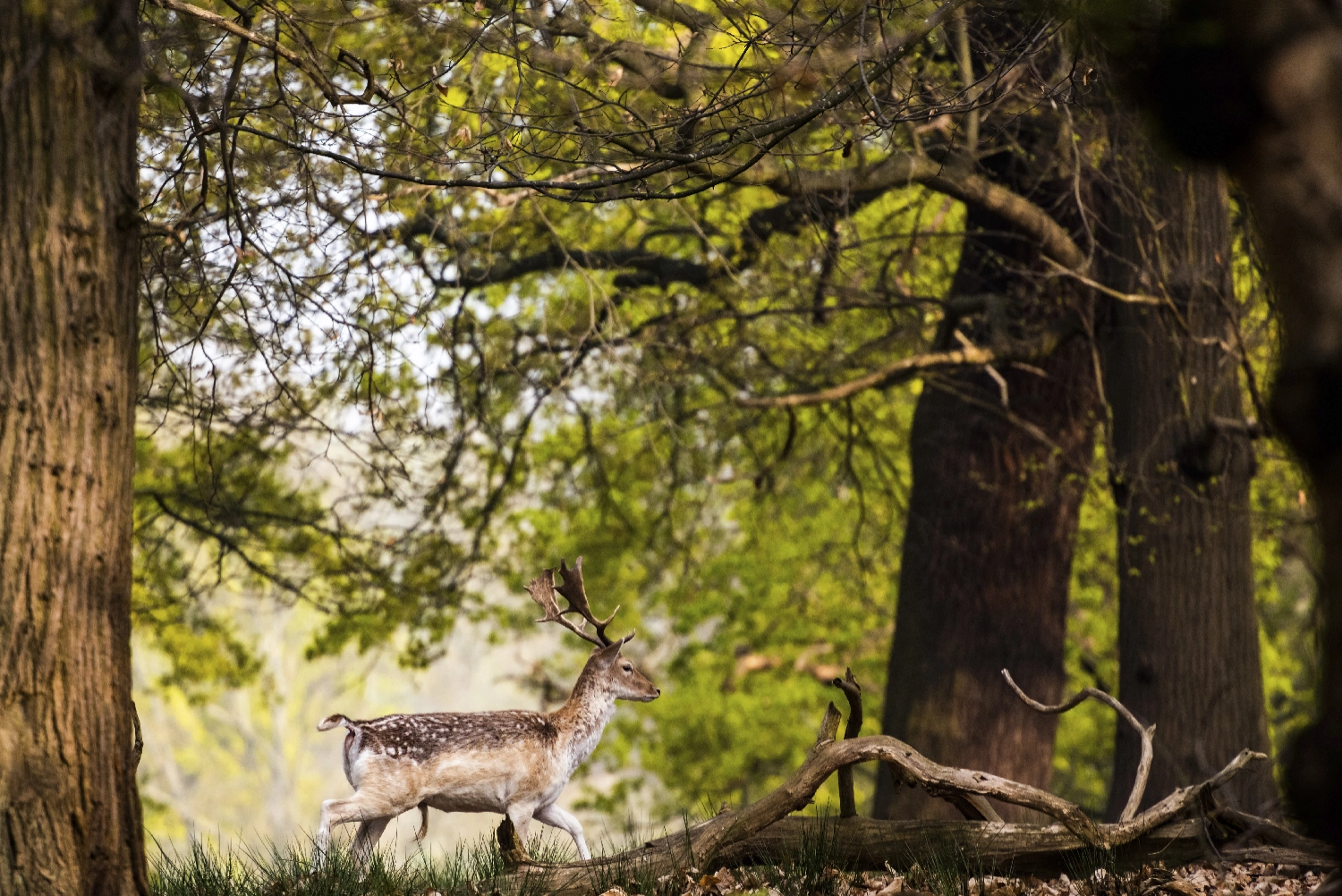
Birds (woodpeckers, owls, robins, warblers)
-
Small mammals (hedgehogs, voles, badgers, foxes)
-
Soil invertebrates and fungi
-
Native flowers, including orchids
In many cases, a formerly farmed or barren field becomes an ecologically rich landscape within a few years.
Environmental benefit:
✔ Increased biodiversity and habitat creation
✔ Improved pollination networks
✔ Greater ecological resilience
Minimal Land Management Lowers Carbon Emissions
A traditional cemetery might be mown every 1–2 weeks.
Natural burial grounds often cut once or twice a year.
Less mowing means:
-
Lower fuel use
-
Less noise and air pollution
-
More wildflowers allowed to grow and seed
-
Better habitat for insects and ground-nesting creatures
Many natural burial grounds also avoid pesticides, fertilisers, and intensive gardening practices, resulting in a healthier, more diverse ecosystem.
Environmental benefit:
✔ Far lower maintenance emissions
✔ No chemical use
✔ Reduced soil disturbance
Natural Burials Improve Soil Health
Natural burials encourage the natural cycle of decomposition. Bodies and biodegradable coffins enrich the soil with:
-
Organic matter
-
Nutrients
-
Microbial life
Soil becomes richer and more biologically active over time. This supports:
-
Earthworms
-
Mycorrhizal fungi
-
Healthy root systems
-
Carbon sequestration
In natural woodland or meadow burial grounds, soil health continues to build year after year as fallen leaves, plant matter, and minimal disturbance allow ecosystems to thrive.
Environmental benefit:
✔ Healthier, nutrient-rich soil
✔ More carbon stored in the earth
✔ Stronger plant resilience
Woodland Burial Areas Act as Long-Term Carbon Stores
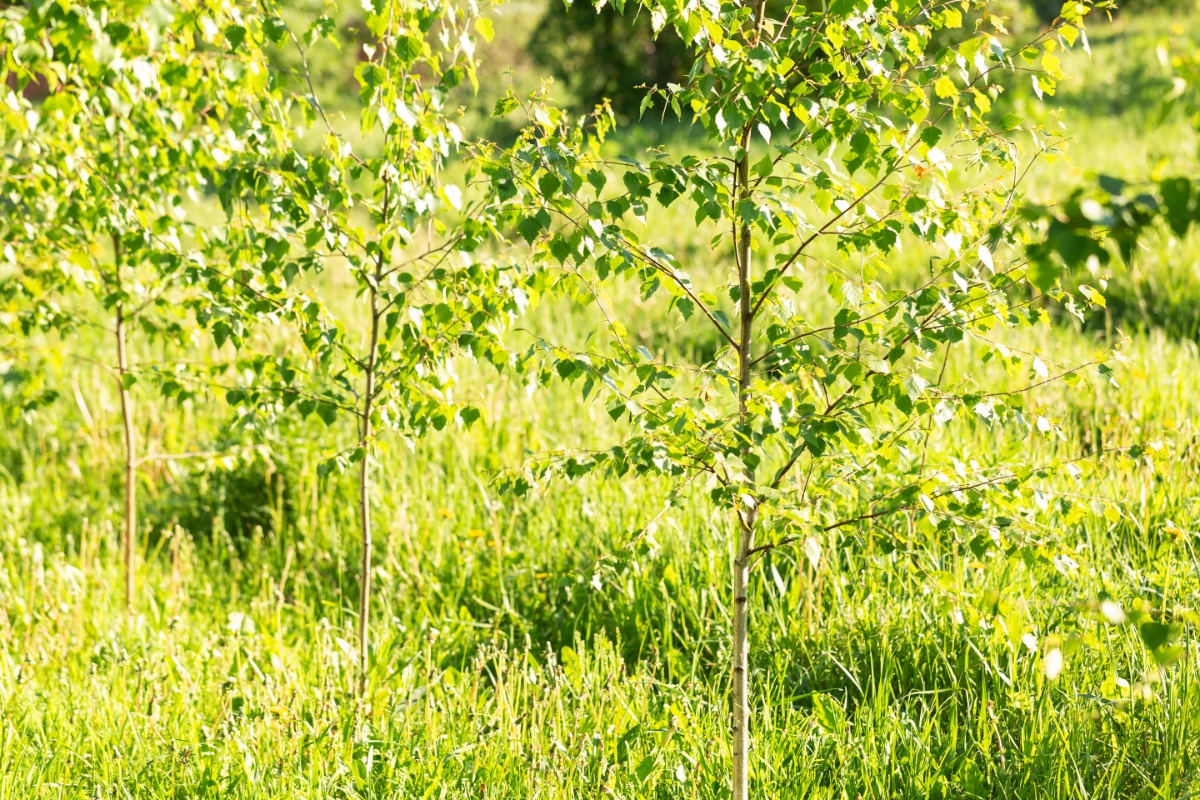
When families choose woodland burials, memorial trees gradually form entire groves or forests. These woodlands store carbon through:
-
Tree trunks
-
Branches and leaves
-
Root systems
-
Soil organic matter
A single mature tree can store up to one tonne of carbon over its lifetime. Multiply this across an entire burial ground and the long-term carbon benefit becomes significant.
Environmental benefit:
✔ Long-term carbon sequestration
✔ Creation of new native woodland habitats
✔ Improved air quality and cooling
Natural Burials Avoid the High Carbon Cost of Cremation
Cremation is often seen as eco-friendly, but it has a substantial carbon footprint. Each cremation can release:
-
150–250 kg of CO₂
-
Mercury from dental fillings
-
High energy consumption from gas burners
Natural burial avoids these impacts entirely.
Environmental benefit:
✔ Zero industrial emissions
✔ No mercury pollution
✔ Lower overall ecological footprint
Natural Burials Help Rewilding and Land Preservation
Many sites work with:
-
Local Wildlife Trusts
-
Conservation charities
-
Rewilding projects
-
Community ecology groups
Natural burial grounds often protect land from development permanently. By becoming burial meadows or woodlands, the land cannot be built on, drained, or farmed intensively.
This long-term land protection is one of the most underrated environmental benefits.
Environmental benefit:
✔ Land preserved for decades or centuries
✔ Creation of wildlife corridors across landscapes
✔ Protection of threatened meadows and woodland ecosystems
Natural Burials Encourage Sustainable Thinking
Choosing a natural burial is not only an ecological act—it often inspires families and communities to think more deeply about their environmental impact.
For many, it reflects values of:
-
Simplicity
-
Respect for nature
-
Sustainability
-
Conservation
-
Gentle living
This cultural shift contributes to wider environmental awareness and greener future choices.
Natural Burials Reduce Environmental Impact
Natural burials offer a peaceful, meaningful and environmentally conscious way to return to the earth. By eliminating harmful chemicals, reducing carbon emissions, improving soil health, and creating thriving habitats, they play a vital role in supporting the UK’s biodiversity and conservation efforts.
For many families, the knowledge that a final resting place becomes part of a living landscape brings comfort. For the planet, it brings hope—one meadow, one tree, one burial at a time.
Explore Natural Burial Grounds Across the UK
Search our Directory ➜ Natural Burial Grounds Near Me
Find peaceful, eco-friendly burial grounds near you.
Frequently Asked Questions
Decomposition
Yes, because there are no embalming chemicals and the soil is left undisturbed, natural decomposition happens efficiently and safely.
Eco Friendly
Generally, yes. Cremation requires high energy use, while natural burial involves minimal carbon emissions.
Conservation
Wildlife
Depth