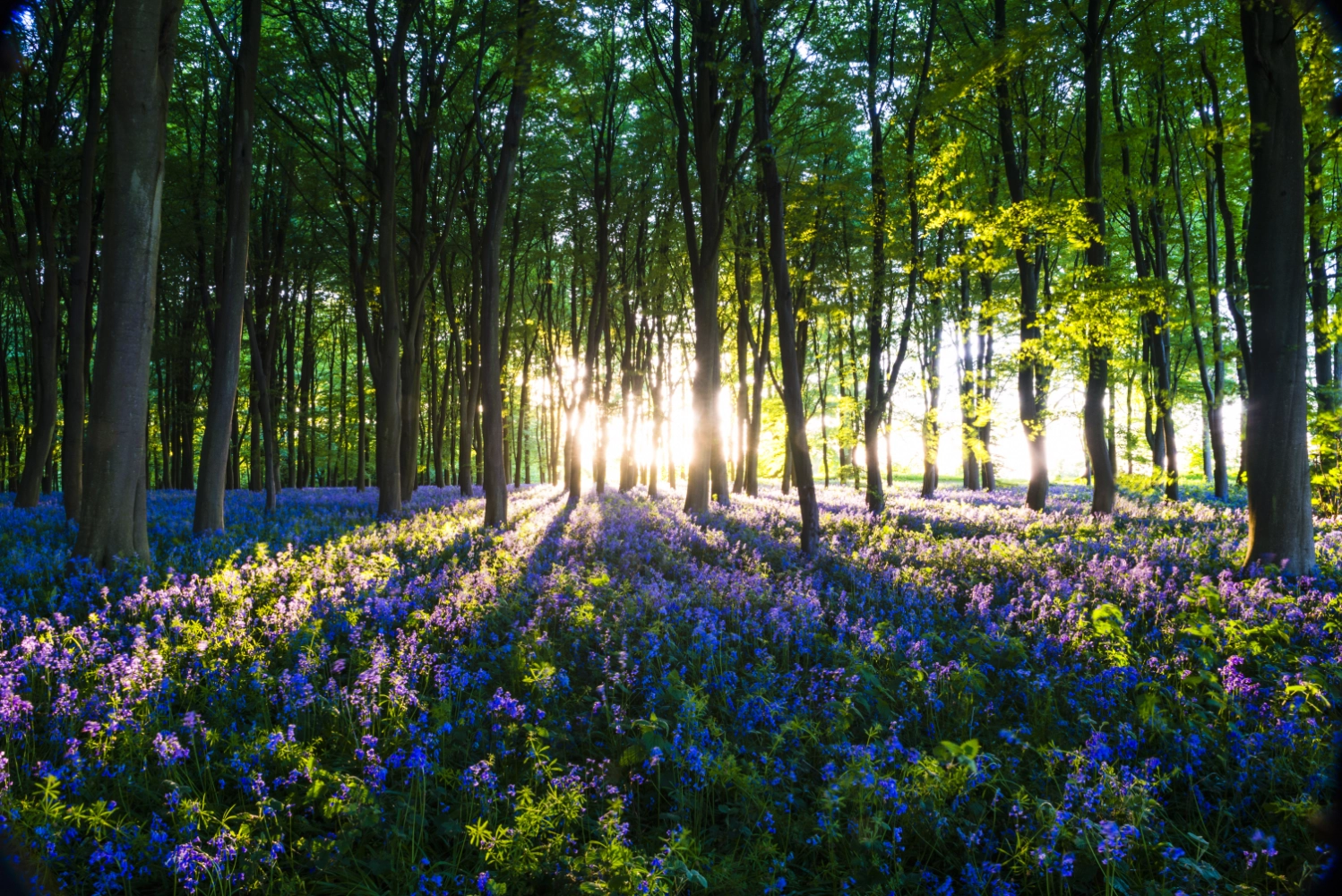
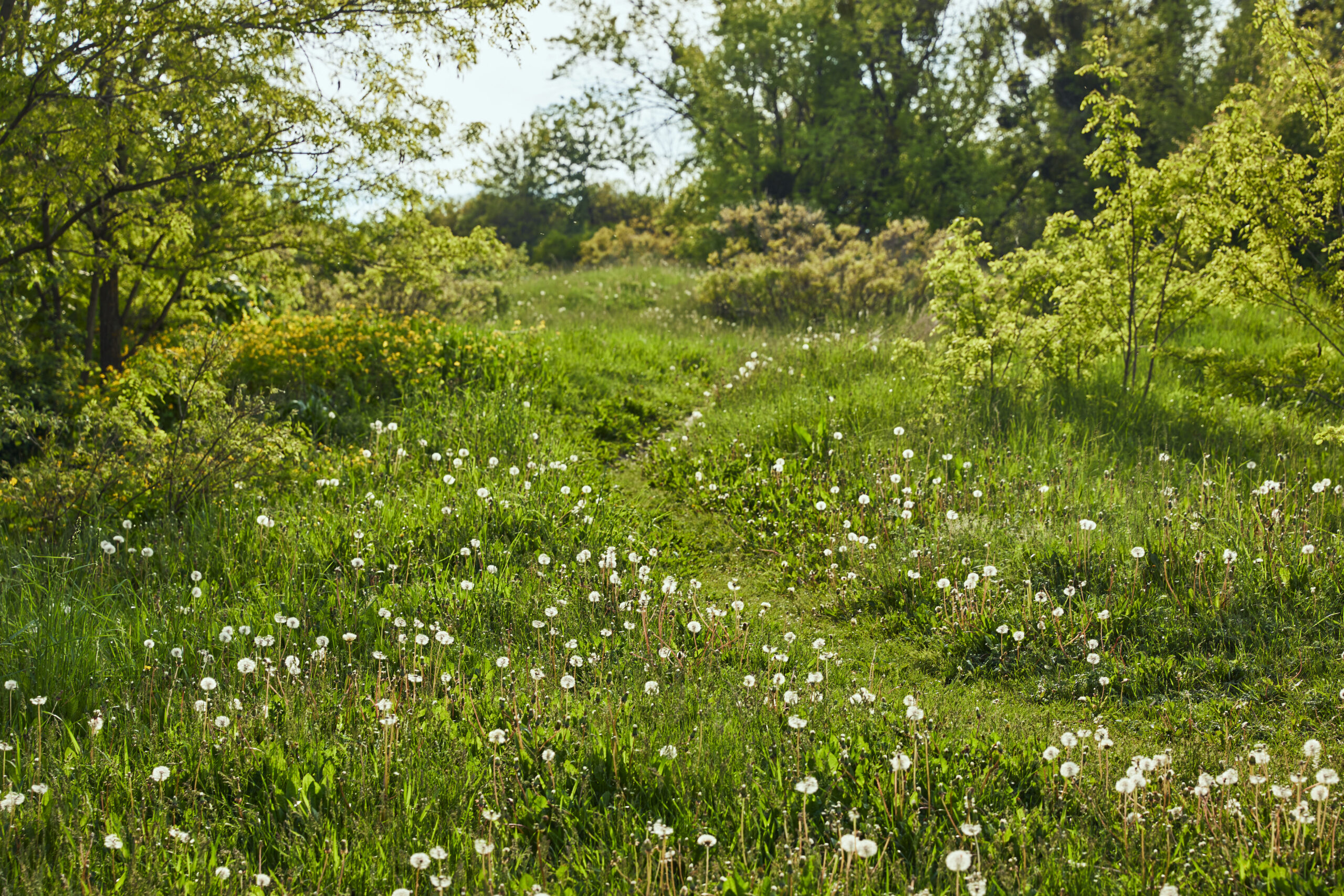
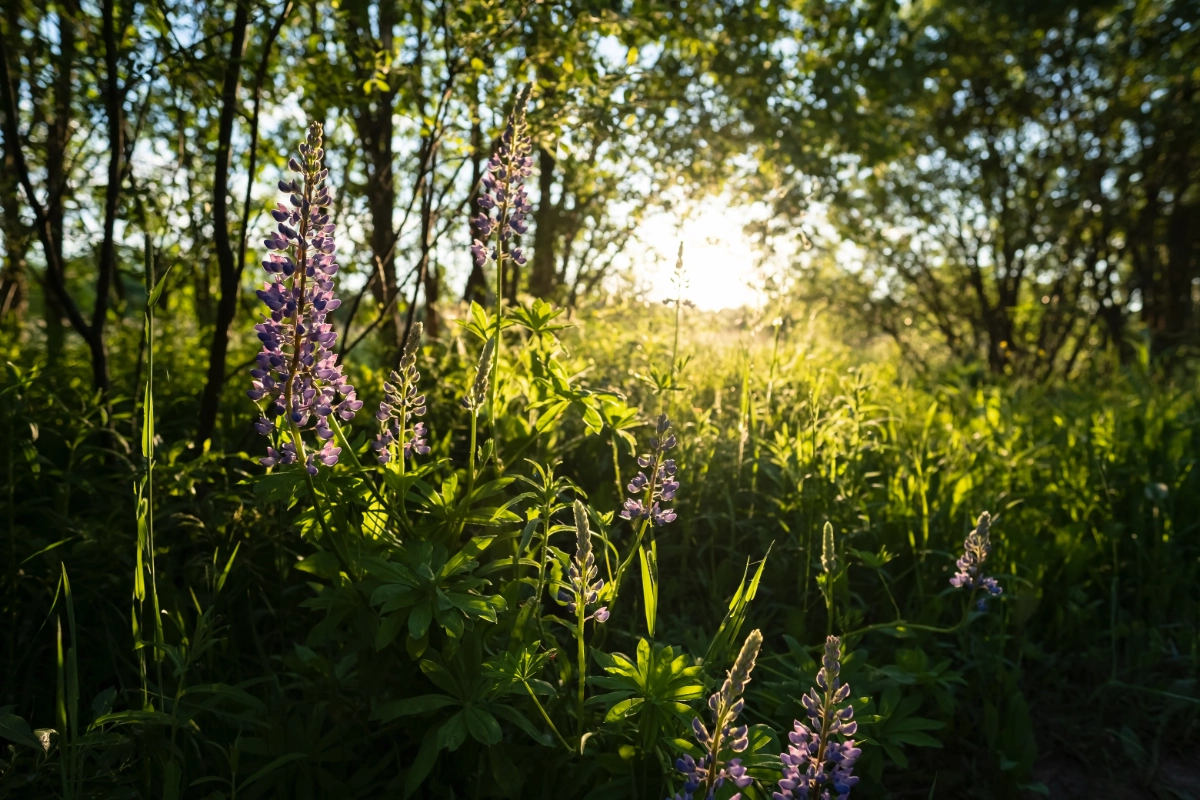
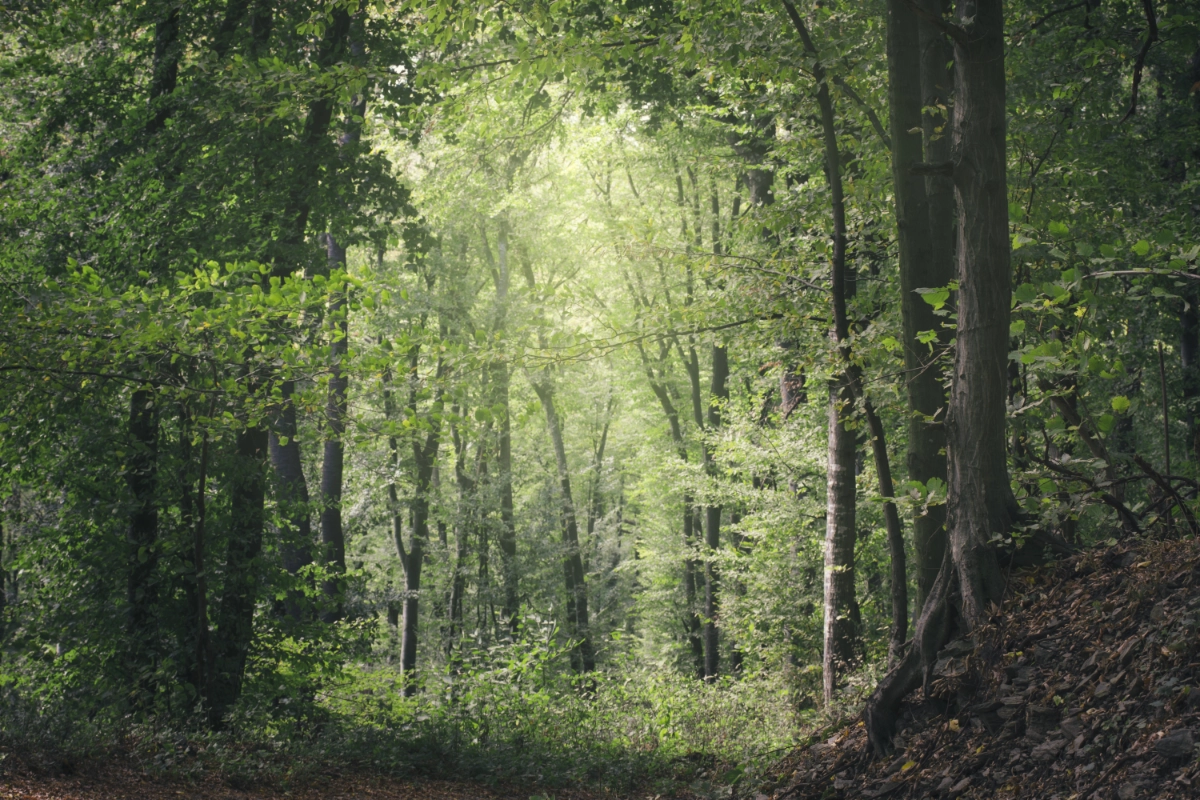
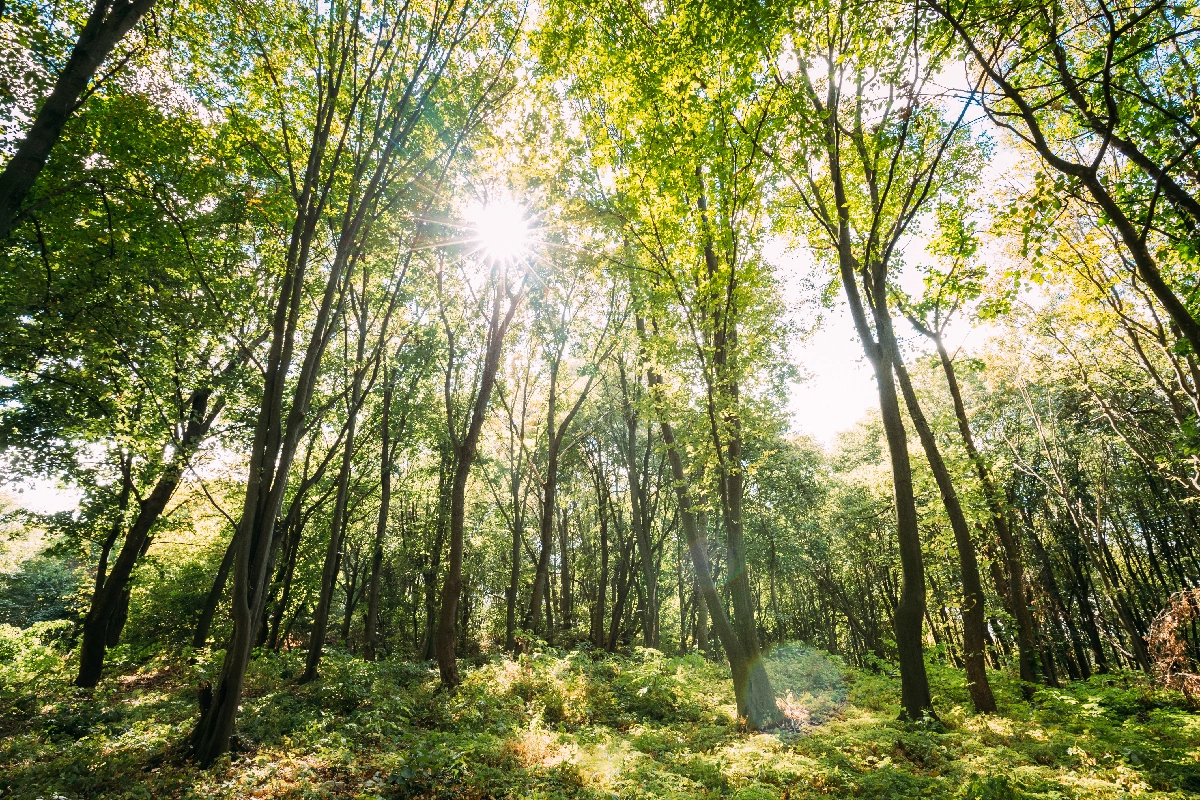
Scattering ashes can feel like one of the most natural and loving ways to say goodbye. Many families picture a quiet moment in a beautiful place: a meadow, woodland, riverside, hillside, garden or favourite walk. It can feel simple, personal and close to nature.
But there is something many people are not told: cremated ashes are not quite the same as the soft, nourishing ash we might imagine from a wood fire. They do not simply disappear into the soil, and they are not automatically helpful for plants, trees or wildflower meadows.
This can come as a surprise, especially when the intention behind scattering ashes is so often thoughtful and deeply heartfelt. No one chooses it because they want to cause harm. Quite the opposite. People choose it because they want a peaceful, natural return.
That is why many natural burial grounds are now looking more carefully at ashes, and some have stopped allowing scattering altogether. This is not about being difficult, unkind or overly strict. It is usually about protecting the soil, wildlife, grazing animals, young trees and the long-term health of the land.
This guide explains why.
What are cremated ashes?
Although we often call them “ashes”, cremated remains are not really like the ash left behind from burning wood in a stove or bonfire.
After cremation, what remains is mostly the mineral part of the body, particularly bone. These remains are processed into the fine, pale material families receive in an urn or container. So, rather than being soft plant-based ash, cremated remains are mainly powdered bone minerals.
They usually contain high levels of calcium phosphate and other mineral salts. They are also highly alkaline, meaning they have a high pH. This matters because most plants, fungi, bacteria and soil organisms live best within a particular pH range. When something very alkaline is placed in one spot, it can disturb that delicate balance.
It is easy to see why people assume ashes would be good for the soil. After all, gardeners sometimes use small amounts of wood ash, and bones are often associated with nutrients. But cremated remains behave differently. They are concentrated, mineral-heavy and slow to integrate into the living soil.
How ashes can affect soil
Healthy soil is alive. It contains bacteria, fungi, worms, tiny invertebrates, plant roots, organic matter, water and air. It is not simply “dirt”; it is a living system.
When cremated ashes are scattered or buried in a concentrated area, they can affect that system in several ways.
Firstly, ashes can raise the pH of the soil. Some plants tolerate alkaline soil well, but many wildflowers, grasses, saplings and woodland plants do not appreciate a sudden alkaline shock. A high pH can also change which nutrients are available to plants. Even if nutrients are technically present, the plant may not be able to access them properly.
Secondly, cremated remains can contain high levels of salts. Salt is stressful for plants because it affects how roots take up water. In simple terms, too much salt in the soil can make it harder for a plant to drink, even when there is moisture in the ground. This can lead to poor growth, browning, wilting or death, especially in young plants.
Thirdly, ashes can contain phosphates. Phosphorus is a plant nutrient, but more is not always better. In a natural ecosystem, too much of one nutrient can upset the balance. Wildflower meadows, for example, often thrive on relatively low-nutrient soils. Adding concentrated material can encourage the wrong kinds of growth and reduce biodiversity over time.
A small amount of ash spread very thinly across a large area may have less visible impact. But repeated scattering in the same place, or scattering a full set of ashes in one small area, can create patches where the soil becomes less hospitable to plant life.
Why ashes can damage plants
One of the most common ideas around scattering ashes is that they will “feed” a tree, rose bush or wildflower patch. It is a lovely thought. A person’s remains helping new life grow has a beautiful symbolism.
The problem is that untreated cremated ashes are often too strong for plants, especially young ones.
A newly planted tree needs gentle, balanced conditions. Its roots are small and vulnerable. If ashes are placed directly underneath or around the roots, the high alkalinity and salts can damage the tree rather than nourish it. Some memorial trees planted with ashes struggle for this reason. They may fail to establish, grow poorly or die back.
This can be heartbreaking for families who hoped the tree would become a living memorial. The tree itself may then become another source of grief.
That does not mean trees and ashes can never be part of the same memorial. It simply means they need to be handled carefully. Ashes should not usually be placed directly against young roots. If a tree is being planted as a memorial, it is wise to ask the burial ground, gardener, woodland manager or nursery for guidance. In some cases, ashes may need to be treated, diluted, placed separately or buried in a biodegradable urn designed to reduce harm.
The kindest approach is to think of the tree as a living being with its own needs, rather than as a container for ashes.
Scattering ashes in natural burial grounds
Natural burial grounds are created to protect and enhance the land. Some are meadows, some are woodlands, some are orchards, and others are managed as mixed habitats. Their purpose is not only to provide a peaceful resting place for people, but also to support wildlife, soil health and biodiversity.
Because of this, many natural burial grounds have stricter rules than conventional cemeteries. They may restrict plastics, artificial flowers, varnished coffins, metal fixtures, embalming fluids, imported stone memorials or anything that does not fit with the ecological purpose of the site.
Ashes are increasingly being looked at in the same way.
Some natural burial grounds have found that scattering ashes can cause practical and environmental problems. Ashes do not always vanish quickly. If many families scatter remains in the same beautiful spot, visible pale patches can build up. These areas can look and feel very different from the surrounding soil and vegetation.
There can also be concerns about grazing. Some natural burial grounds use sheep or other animals to manage grassland naturally. Where ashes are scattered, there may be restrictions or uncertainty around grazing, especially when the science is not fully settled. For land managers, the precautionary approach is often the safest and most responsible one.
This is why a natural burial ground may say no to scattering ashes, even when it allows the burial of ashes in a biodegradable container. It is not a rejection of cremation or of the family’s wishes. It is a way of caring for the whole site.
What about coffin materials, plastics and pollutants?
Another question people often ask is whether cremated ashes contain anything from the coffin, clothing or funeral materials.
Modern cremation is carefully managed, and metals such as coffin fittings or medical implants are usually removed from the remains after cremation where possible. However, the environmental picture around cremation is wider than the ashes alone.
Coffins, linings, clothing, handles, varnishes, glues, plastics, synthetic fabrics, MDF or chipboard can all affect the environmental impact of a funeral. Some materials may be burned during cremation, contributing to emissions or residues. Older-style coffins and fittings may include materials that would not be chosen for a natural funeral.
This is one reason why people interested in greener funerals often choose simple, natural materials: an untreated wooden coffin, cardboard coffin, wicker, willow, wool shroud or other biodegradable option. These choices reduce the use of synthetic materials and support a more natural approach from the beginning.
If ashes are going to be placed in a natural burial ground, the container matters too. Plastic urns, metal tins, lacquered boxes or containers made with glues and resins may not be accepted. Many natural burial grounds ask for ashes to be placed in a fully biodegradable urn, pouch, cardboard tube, woollen vessel or simple natural container.
The aim is not perfection. It is simply to reduce unnecessary pollutants and help the land remain as clean and healthy as possible.
Is scattering ashes allowed?
In many places, scattering ashes is legally possible, but permission and sensitivity are important.
If you own the land, scattering ashes may be allowed, although it is still wise to think about soil, water, neighbours, future land use and the wishes of others who may share the space.
If the land belongs to someone else, you should ask the landowner’s permission. This includes farms, woodland, beaches, parks, nature reserves, churchyards, private estates and natural burial grounds.
If scattering near rivers, lakes or the sea, families should take extra care. Ashes themselves may be permitted in some circumstances, but wreaths, plastic flowers, ribbons, ornaments, metal frames, laminated notes or other memorabilia can harm wildlife and create litter.
Even when scattering is allowed, it may not always be the most ecological option. This is especially true in sensitive habitats, popular beauty spots, small natural burial grounds or places where many families are likely to choose the same location.
Kinder alternatives to scattering
If a natural burial ground does not allow scattering, there are still many beautiful ways to honour someone’s ashes.
One option is the interment of ashes. This means burying the ashes in a small plot, usually in a biodegradable container. This keeps the ashes in one known place and allows the burial ground to manage the environmental impact more carefully.
Another option is to bury ashes beneath or near an established tree, but not directly in contact with young roots. The burial ground may have specific guidance on how this is done.
Some families choose a memorial tree without placing ashes directly with it. The tree still becomes a living memorial, but it is given the best possible chance to thrive.
Others choose a wildflower area, bench, natural marker, memorial plaque, shared remembrance space or donation towards habitat creation. In many ways, supporting a meadow, hedge, orchard, pond or woodland can be a deeply meaningful tribute.
For families who love the symbolism of “returning to nature”, a natural burial of the whole body may also be worth considering. Unlike cremated ashes, an unembalmed body in a biodegradable coffin or shroud decomposes gradually through natural processes. This is very different from placing concentrated mineral ashes onto the soil.
Planting a tree with ashes: what to know
Planting a tree with ashes needs care.
The most important thing to remember is that ashes should not be treated like compost. They are not soft organic matter. They are alkaline, salty and mineral-rich. A young tree planted directly into ashes may struggle.
If you want to plant a tree as a memorial, consider these gentler approaches:
Choose a suitable native tree for the soil and site.
Keep ashes away from direct contact with young roots unless professional guidance says otherwise.
Use only a small amount of ashes if advised.
Mix or buffer ashes properly rather than placing them in a concentrated layer.
Consider planting the tree separately and burying the ashes nearby.
Ask the burial ground, woodland manager or local nursery for advice.
Some specialist urns and soil treatments are designed to make ashes safer for plants, but it is still worth asking questions. A product being labelled “green” or “tree planting” does not automatically mean it is suitable for every site, soil or species.
A healthy memorial tree is a long-term relationship. Giving it the right start is an act of care.
Why natural burial grounds may say no
When a natural burial ground says it no longer allows ashes to be scattered, it can feel disappointing. Families may already have imagined a particular place or ritual.
But these decisions usually come from care, not coldness.
Natural burial grounds have to think about the person who has died, the grieving family, the soil, the plants, the animals, the wider ecosystem and the families who will visit in years to come. They must ask: what happens if many people do the same thing in the same place? What happens after ten years, twenty years, fifty years?
A single scattering may seem small. Many scatterings can change a landscape.
By guiding families towards burial of ashes, biodegradable containers, dedicated plots or other memorial options, natural burial grounds are trying to protect the very beauty that draws people to them in the first place.
Scattering Ashes
Scattering ashes is often chosen with love. It can be a moving, intimate and meaningful act. But love for a person and care for the land do not have to be separate things.
Understanding what cremated ashes are, and how they can affect soil and plants, allows families to make kinder choices. Sometimes that may still involve scattering in a suitable place with permission. Sometimes it may mean choosing burial in a biodegradable urn. Sometimes it may mean planting a tree nearby rather than directly in ashes. Sometimes it may mean choosing a natural burial from the beginning.
There is no need for guilt. Most people simply have not been given this information.
The more we understand, the more thoughtful our choices can become. And in the end, that is what natural burial is really about: returning to the earth with care, humility and respect for all the life that continues after us.