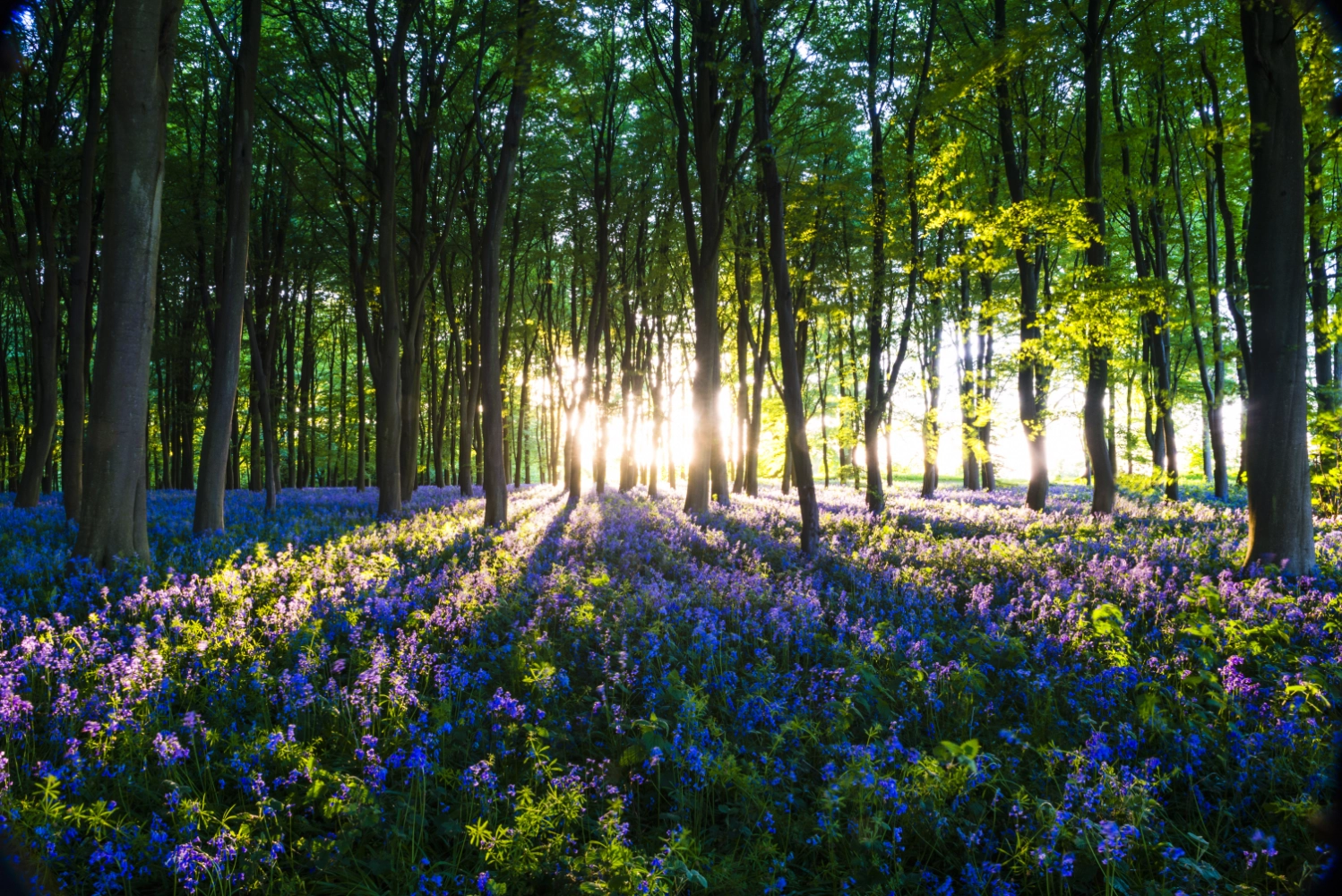
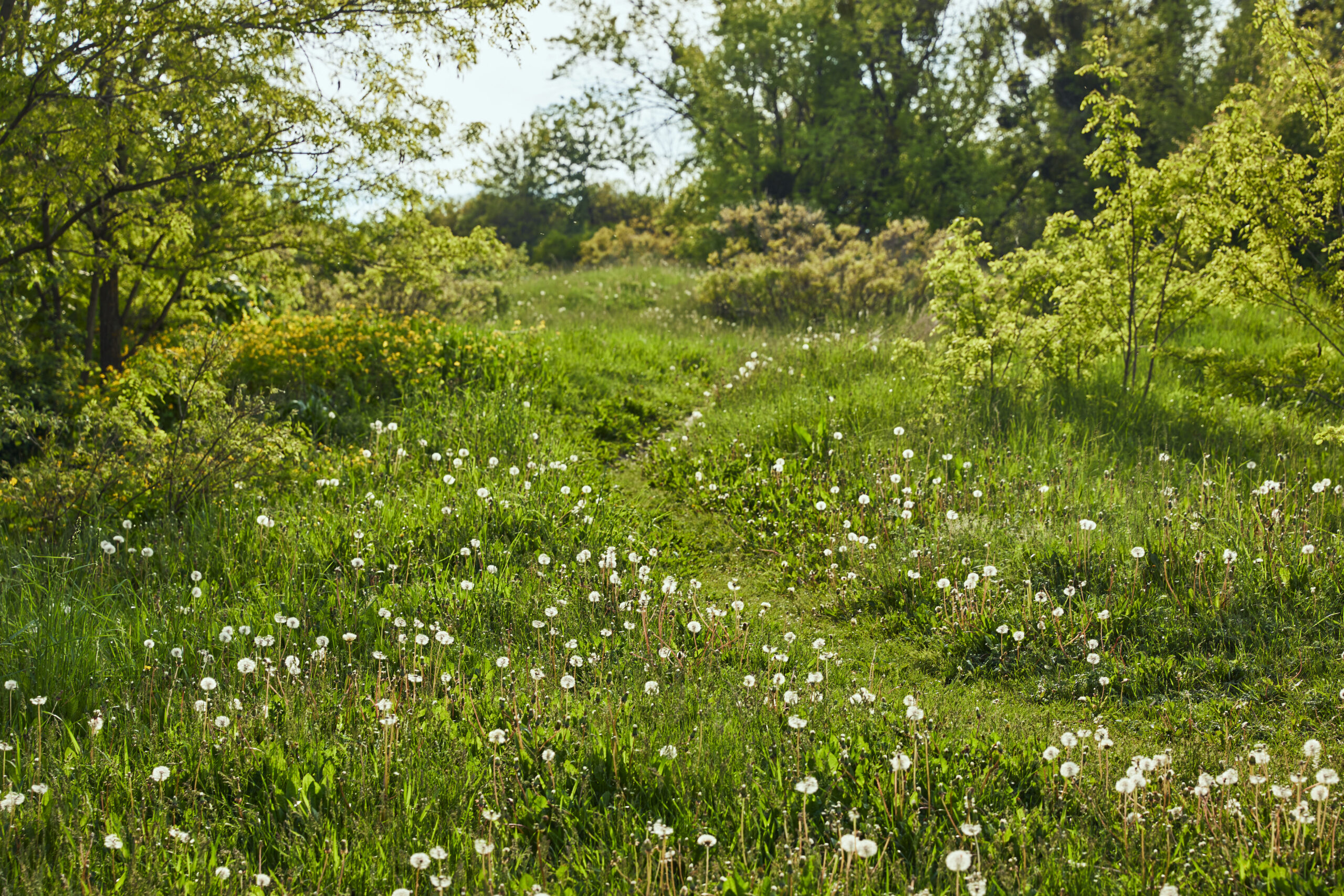
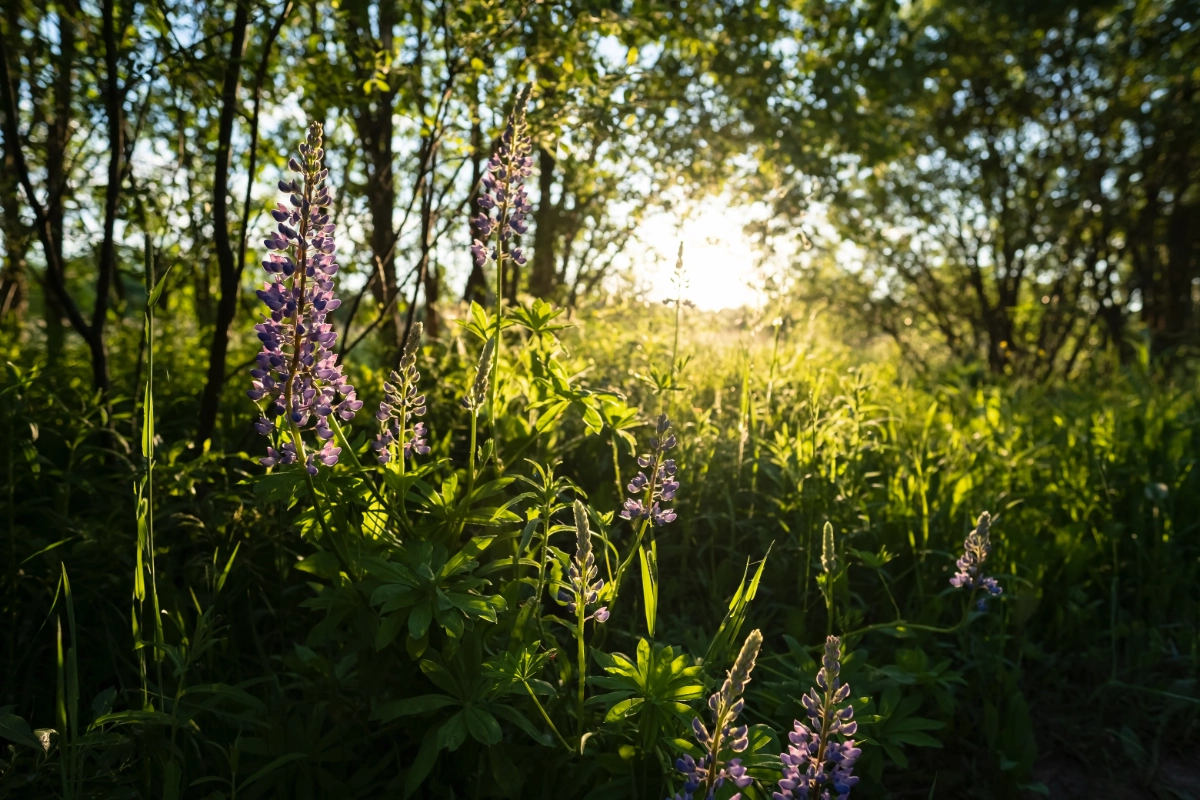
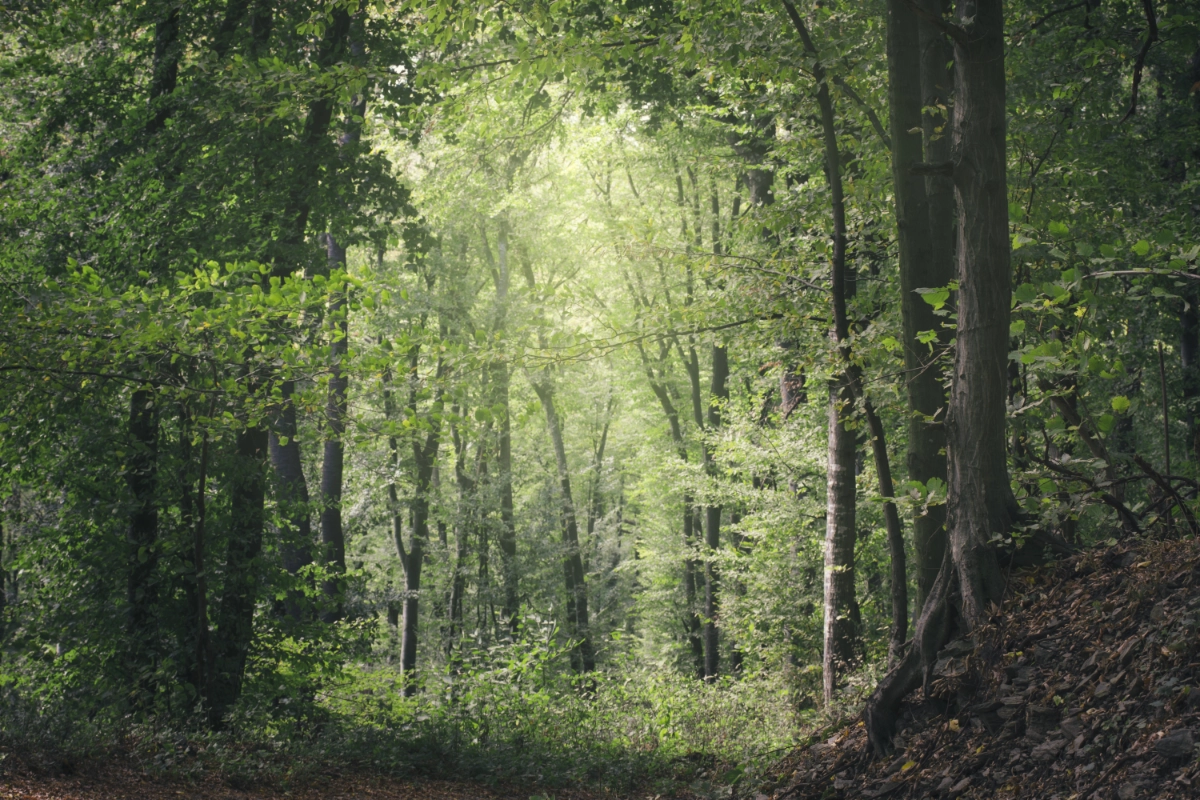
Shrouds and Natural Burials, as more people look for a more meaningful end-of-life choices, natural green burial has become an increasingly popular alternative to conventional funerals. At the heart of this movement is a desire to return to simplicity — fewer materials, fewer interventions, and a closer connection to nature.
A burial shroud offers one of the most straightforward and time-honoured ways to achieve this. Rather than being placed inside a coffin, the body is wrapped in a biodegradable cloth and returned directly to the earth. There is no heavy structure, no synthetic lining, and no unnecessary separation between the body and the soil.
For many families, shrouds feel calmer, more honest, and more aligned with the values behind natural burial grounds — respect for the land, respect for natural processes, and a quiet dignity that does not rely on formality or excess.
Eco Friendly Funerals
Before exploring how burial shrouds and natural burial work together, it can be helpful to understand what each term means. Both are often mentioned in conversations about eco-friendly funerals, but they are not always clearly explained. Taking a moment to outline what a burial shroud is, and what is meant by a natural burial, helps make the choices clearer and allows families to decide what feels right for them.
What Is a Burial Shroud?
A burial shroud is a simple cloth wrapping used instead of a coffin. It is made entirely from natural, biodegradable fabric and is wrapped gently around the body after any ceremonial washing or preparation.
In practice, the body is laid onto the shroud, which is then folded and tied securely using fabric ties. At most natural burial grounds, the shrouded body is placed on a plain wooden board or biodegradable stretcher like willow to allow for safe handling and lowering into the grave.
Once buried, both the shroud and the body decompose naturally, returning to the soil without leaving lasting traces. This approach is one of the oldest burial methods known, used for thousands of years across cultures and continents.
What Is a Natural Burial?
What is a natural burial? A natural burial is a way of laying someone to rest that aims to work with nature rather than against it. Instead of using materials that slow decomposition or introduce chemicals into the ground, natural burials focus on simplicity, biodegradability, and minimal environmental impact. The body is usually buried in a woodland, meadow, or green burial ground using natural materials such as a shroud or an eco-friendly coffin, allowing it to return gently to the soil.
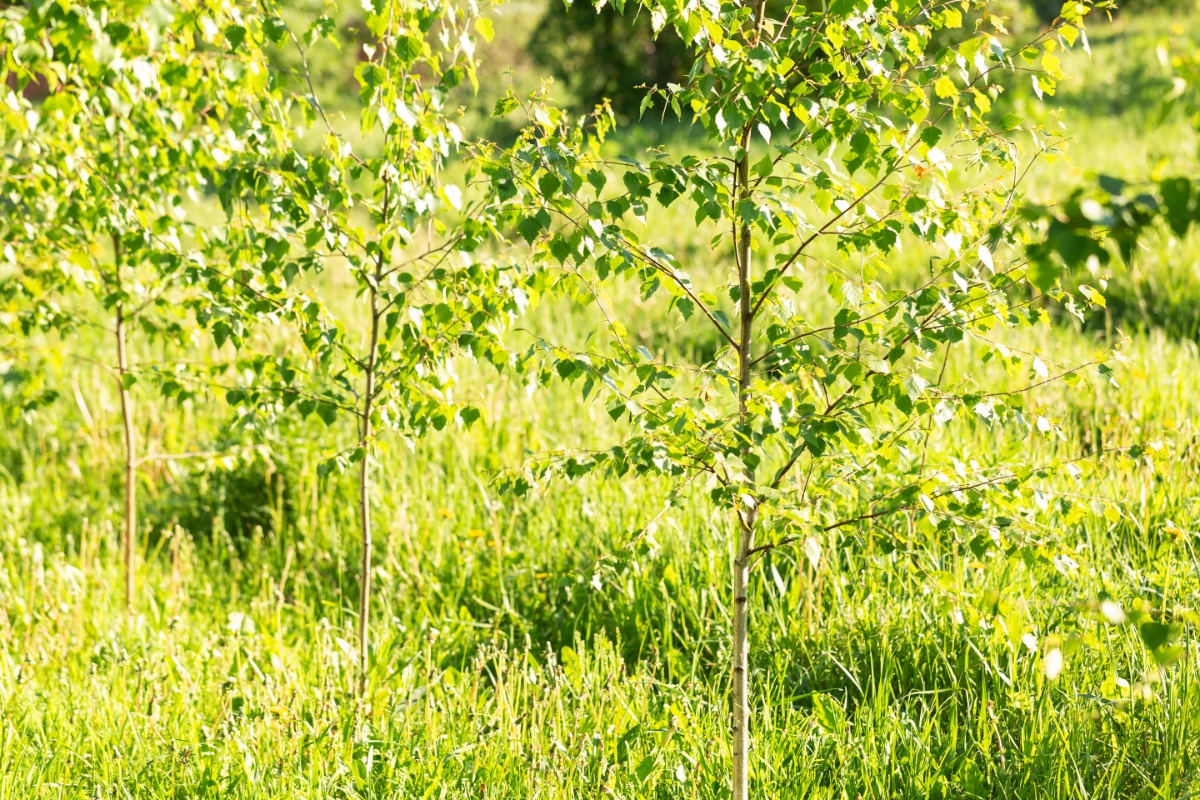
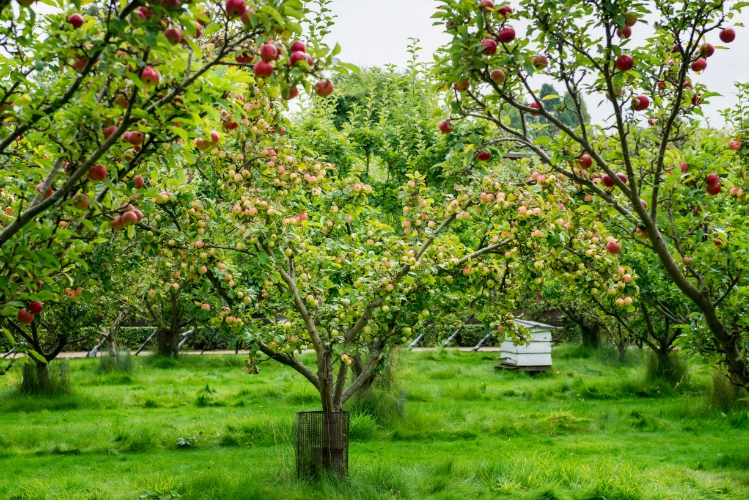
Natural burial grounds are managed to support wildlife, soil health, and the surrounding landscape. Graves are often marked with trees, wildflowers, or small natural markers rather than traditional headstones, helping the land remain a living space rather than a formal cemetery. For many people, natural burial offers a peaceful, thoughtful alternative that reflects care for the environment and a desire for a quieter, more meaningful farewell.
Materials Used for Natural Burial Shrouds
Traditional and modern burial shrouds use only untreated natural fibres. These materials are chosen because they break down cleanly and introduce no harmful substances into the soil.
Common shroud materials include:
-
Organic cotton – Soft, breathable, and widely available. Unbleached or organic cotton avoids chemical residues and decomposes easily.
-
Linen (flax) – One of the oldest burial fabrics, linen is strong, airy, and low-impact to grow.
-
Wool – Often locally sourced, wool is fully biodegradable and supports soil organisms as it breaks down.
-
Hemp – A highly sustainable fibre that requires little water and enriches soil as it decomposes.
-
Silk – Historically used in some cultures, though less common today due to cost and ethical considerations.
All fibres used must be untreated, natural, and free from dyes, plastics, or synthetic stitching. This ensures the burial remains compatible with green burials and natural burial ground standards.
How a Shroud Burial Works
Shrouds and natural burials. A shroud burial is a simple, respectful process that often feels more personal and unhurried than conventional funerals.
The typical steps include:
-
Preparing the shroud – The shroud is laid out, and the body is gently placed on top.
-
Wrapping and tying – The fabric is folded and tied, often by family members if they wish.
-
Supporting the body – A biodegradable board or stretcher may be used for stability.
-
Lowering into the grave – The shrouded body is carefully lowered, sometimes with family participation.
-
Covering the grave – Soil is returned, allowing the burial to settle naturally over time.
Many families value the opportunity to take part in these steps, finding comfort in the simplicity and closeness of the ritual.
Why Burial Shrouds Are Ideal for Natural Burial Grounds
Burial shrouds are particularly well suited to natural burial grounds because they align closely with both the practical needs and underlying philosophy of these sites.
Minimal Environmental Disturbance
Natural burial grounds are designed to protect soil health and biodiversity. Shrouds introduce only soft, biodegradable material into the ground, allowing microorganisms, fungi, insects, and plant roots to interact naturally with the burial site.
There are:
-
No metal fittings
-
No varnishes or sealants
-
No treated wood or synthetic linings
This supports faster, cleaner decomposition and reduces long-term soil disruption.
Supports Woodland and Conservation Landscapes
Many natural burial grounds are managed as woodlands, meadows, or conservation areas. Shroud burials allow graves to settle gently and evenly, making it easier to plant trees, restore wildflowers, and manage habitats without obstruction.
Because shrouds break down quickly:
-
Tree roots can establish sooner
-
Soil structure remains stable
-
Land management plans are easier to implement
This makes shrouds particularly compatible with woodland burials and conservation-led burial sites.
Lower Material and Carbon Footprint
Even eco-friendly coffins require manufacturing and transport. Shrouds use far fewer resources and are often locally made or handmade, reducing embodied energy and carbon emissions.
For burial grounds operating with long-term sustainability in mind, shrouds offer one of the lowest-impact burial options available.
A Natural Fit With the Ethos of Natural Burial
Natural burial grounds exist to offer a gentler, less industrial approach to death. Shrouds reflect this ethos perfectly — modest, respectful, and grounded in acceptance of natural processes rather than resistance to them.
Why People Choose a Burial Shroud
People choose shrouds for a variety of personal, environmental, and practical reasons:
-
Simplicity – No unnecessary materials or embellishments.
-
Environmental care – Fully biodegradable with minimal impact.
-
Affordability – Generally far less expensive than coffins.
-
Emotional closeness – Cloth can feel more human and comforting.
-
Spiritual meaning – For some, shrouds symbolise humility, equality, and return to the earth.
For many, the choice reflects not just how they wish to be buried, but how they wish to live — lightly, consciously, and connected to nature.
Cultural and Religious Traditions
Burial shrouds history, are deeply rooted in many religious and cultural traditions.
-
Jewish funerals use a plain white linen shroud (tachrichim) following ritual washing.
-
Muslim funerals wrap the body in a white cotton shroud (kafan), without embalming.
-
Early Christian burials commonly used linen shrouds.
-
Many Indigenous and historic cultures worldwide have long used cloth wrapping as the primary burial method.
Today, shrouds are chosen by people of all beliefs, or none, as a universal and respectful option.
Legal and Practical Considerations
Shroud burials are legal in the UK and widely accepted at natural burial grounds. There is no requirement to use a coffin, provided burial ground rules are met.
Key points include:
-
Shrouds must be fully biodegradable
-
Embalming is discouraged
-
Burial depth requirements still apply
-
Some sites require a board or stretcher
Always check individual burial ground policies, as requirements can vary.
Choosing a Burial Shroud
Choosing a burial shroud does not need to be complicated. For many families, the simplicity of the choice is part of its appeal. A shroud can be as plain or as personal as feels right, as long as it meets the basic requirements for a natural burial: it must be made entirely from natural, biodegradable materials and be free from treatments, plastics, or synthetic components.
Families can choose to:
-
Purchase a ready-made shroud from a green funeral supplier
-
Commission an artisan handmade shroud
-
Make a simple shroud themselves (shroud pattern) using approved natural fabrics
- Hand decorate a shroud
Many natural burial grounds and green funeral directors can offer guidance to ensure materials meet site requirements.
Simple and Minimal Shrouds
Some people prefer the most straightforward option — a plain, undecorated cloth whose purpose is simply to wrap the body and return it to the earth.
A simple shroud may be:
-
Unbleached cotton, linen, or wool
-
Shaped with sewn panels or left as a flat sheet
-
Secured with natural fabric ties or stitching
This approach reflects the core values of natural burial: humility, equality, and minimal environmental impact. For families who want a calm, no-frills farewell, a simple shroud can feel quietly appropriate and reassuring.
Handcrafted and Handmade Shrouds
Others choose a shroud that has been carefully handmade, either by an artisan or by family members themselves. Handcrafted shrouds are still simple in form, but they allow for a deeper level of personal connection.
Some families find comfort in being involved in the making of the shroud, seeing it as a final act of care. As long as only natural threads and fibres are used, handmade shrouds are widely accepted at natural burial grounds.
Personal Touches
A burial shroud can also include gentle personal elements, provided they remain biodegradable.
Choosing What Feels Right
Whether simple or handcrafted, the most important aspect of a burial shroud is that it feels appropriate for the person being laid to rest. Some families are drawn to the quiet neutrality of plain cloth, while others find meaning in creating something by hand.
Both approaches honour the same intention: a gentle, respectful return to the earth, in keeping with the values of natural burial.
Shrouds and Natural Burials
Shrouds and natural burial belong naturally together. Both reflect a desire for honesty, simplicity, and respect — for the person who has died, for those left behind, and for the land itself.
For anyone seeking the most straightforward, earth-connected farewell, a shroud burial within a natural burial ground offers a calm and meaningful way to return, quietly and gently, to the soil.
Shrouds and Natural Burial work together.
Explore Natural Burial Grounds Across the UK
Search our Directory ➜ Natural Burial Grounds Near Me
Find peaceful, eco-friendly burial grounds near you.