Eco-Burial Ideas: As more people seek eco-friendly funerals, a variety of unusual green burial ideas have emerged worldwide innovators finding biodegradable and life-giving alternatives. As more of us think about how we can live more gently on the Earth, it’s only natural to wonder: how can we leave gently too?
This global shift is being driven by both environmental awareness and a desire for more personal, meaningful farewells.
While natural burial grounds in the UK offer a beautiful return to nature close to home, there’s a growing list of inventive and inspiring eco-friendly funeral options from every corner of the world. From reef balls that support marine life to tree pods that grow into living memorials, these unusual green burial ideas show just how creative—and caring—our final choices can be.
Let’s explore some of the most fascinating and environmentally conscious burial traditions and innovations shaping the future of farewells.
Reef-Ball Burials (US Coral Memorials)
In the Eternal Reefs program (Florida), a person’s ashes are loaded into a pH-neutral concrete reef ball – a one-to-two-meter perforated dome that will encourage coral and fish to colonise it. The concrete mix is specially formulated for marine life. Once the reef ball is sunk to the sea floor (often off Florida or other US coasts), marine plants and animals gradually encrust it.
Studies show these structures rapidly attract diverse sea life – one Florida reef ball now hosts 56 fish species plus invertebrates. The charity reports it has placed nearly 3,000 memorial reef balls in U.S. waters so far.
The idea is that these underwater memorials help marine life flourish while acting as graves: families even receive GPS coordinates of their loved one’s reef. As one observer noted, today the concept of ocean burial “chimes with a search for eco-friendly alternatives to traditional burial and cremation”
The idea even inspired a UK project: divers off Dorset have started “Solace Reefs” using crushed limestone domes with human ashes to rebuild lobster habitat. Proponents say this is a heartfelt way to “give back” by rebuilding dying coral reefs.
Critics note it still requires cremation (which emits CO₂) so not such a Eco-Burial Ideas and uses concrete (with a carbon cost), but many believers focus on the positive outcome of new ocean life.
Sky Burial (Tibetan/Mongolian Tradition)
On the opposite end of the spectrum is the sky burial, an ancient practice still found on the high plains of Tibet and parts of Mongolia. In this tradition (called jhator), a corpse is taken to a remote charnel ground or monastery, dismembered by ritual “body breakers,” and laid out for vultures and other scavengers.
For Tibetan Buddhists Funeral, this is not seen as morbid but as a compassionate gift: the body, considered an “empty vessel,” literally feeds animals as it returns to nature. Buddhist teachings frame it as an act of generosity and compassion – providing sustenance to living creatures – and a vivid lesson in life’s impermanence.
There are practical reasons too: in treeless, rocky Tibet, burning bodies is costly (wood is scarce) and graves are hard to dig, so sky burial evolved as a practical choice. The practice is highly regulated (usually only monks or specialists may perform it) and is protected by local law, though it remains largely unknown outside these cultures.
Capsula Mundi (Italy’s “Eternal Forest” Pods)
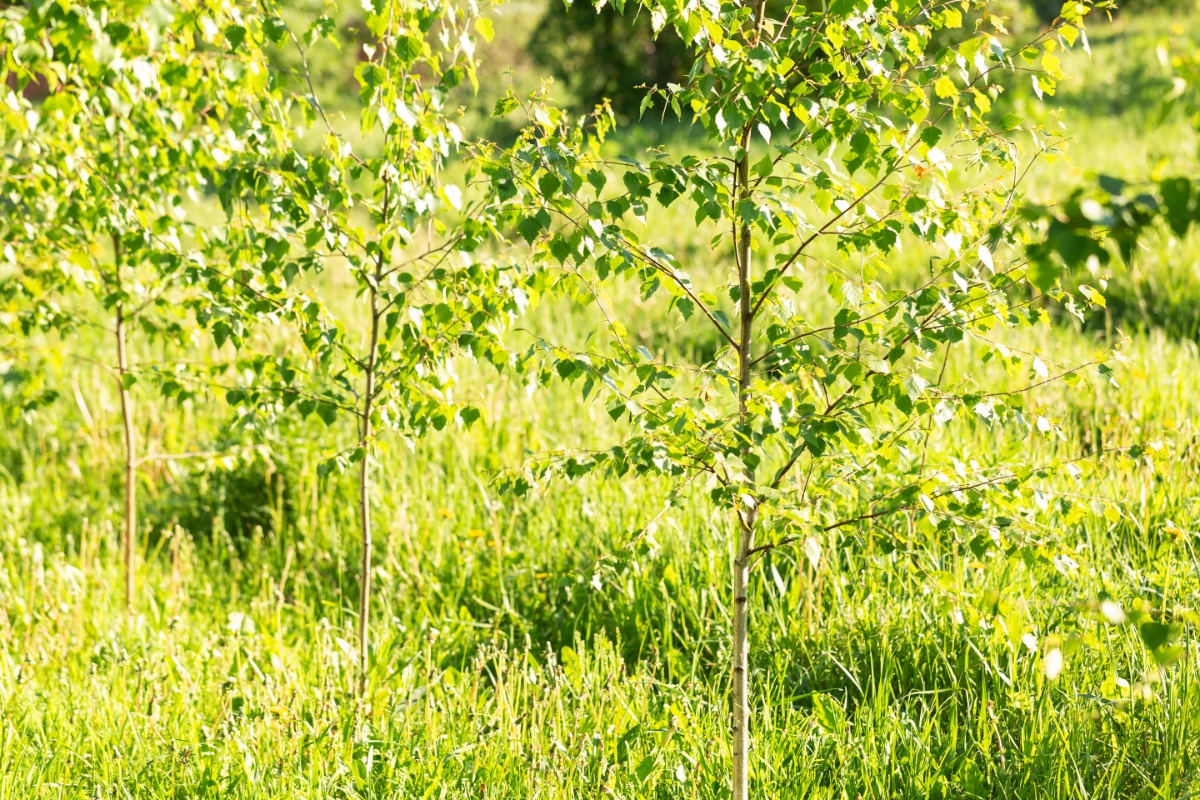
Italy’s Capsula Mundi is a visionary design project for a biodegradable burial pod that helps a body become part of a tree. In this concept, the deceased is placed in an egg-shaped compostable capsule, often laid in a fetal position, and then covered with soil. A seedling or young tree is planted on top of the capsule, turning each grave into a “tree grave”.
Over time the body decomposes inside the pod (natural materials only), enriching the tree with nutrients. The designers describe it as burying a person like a seed – cemeteries would transform into living woodlands of trees for each individual. (Currently in Italy this method is still a concept – it’s technically illegal under current burial laws – but prototypes have been exhibited, and the founders are seeking regulatory approval.)
In this way, the Capsula Mundi is a biodegradable burial alternative that literally turns cemeteries into forests, with the grave site itself becoming part of nature
Natural Organic Reduction (Human Composting, USA)
A very different modern approach is natural organic reduction (NOR) – commonly called human composting. In this chemical-free process (legal in some U.S. states), the body is placed in a vessel with wood chips, straw, or other carbon-rich materials. Warm air and moisture encourage microbes to break down the remains over several weeks.
The end result is roughly a cubic yard of nutrient-rich soil. Proponents note it is carbon-neutral (unlike cremation’s heavy CO₂ emissions) and avoids embalming chemicals, while producing a usable compost that can help reforest land or enrich gardens.
Washington state was first to legalise this method in 2019 (effective 2020), and it’s now authorised in many other states (e.g. Colorado, Oregon, Vermont, New York, etc.). These laws explicitly call it “natural organic reduction.”
As of 2025, about a dozen U.S. states have legalised human composting. Families typically receive a portion of the resulting soil for planting trees or contributing to conservation projects, making it a gentle, “earth-friendly” funeral option.
Companies in USA
Promession (Freeze-Dry Burial, Experimental)
Promession is an experimental Swedish idea designed to speed decomposition without fire or toxic chemicals. The concept (coined from “promise” in Italian) was proposed by Susanne Wiigh-Mäsak in the late 1990s.
In promession, the body is flash-frozen (using liquid nitrogen) and then vibrated to shatter it into fine particles. The particles are then freeze-dried and processed to remove any metals. In theory, the remaining dry organic powder is placed in a biodegradable casket and buried, where it would compost in a matter of months.
In short, promession steps would be:
-
Place body in a chamber and cryogenically freeze it to –196°C (liquid nitrogen).
-
Apply vibrations to shatter the frozen body into small particles.
-
Freeze-dry and grind the particles; remove metals (fillings, implants).
-
Bury the remaining dry organic powder in the topsoil (it would fully compost in ~6–12 months).
However, promession remains theoretical. The company set up for it went bankrupt in 2015 without building an operating facility. Critics say no one has yet demonstrated the process on a full body – some argue physically atomizing a human body this way may not be feasible.
So far, no promession service exists; it’s an intriguing idea that awaits practical proof.
Mushroom Burial Suits (Coeio Infinity Suits)
Artist Jae Rhim Lee’s Infinity Burial Suit is a biodegradable shroud seeded with mushroom spores and microbes. The cloth (made of organic cotton) is impregnated with specially cultivated fungi that love to break down human tissue.
The idea is that, as the body decomposes, the mushrooms consume organic matter and help neutralise toxins (like pesticides, heavy metals, and other pollutants) that modern bodies carry. In effect, the suit aims to “mycoremediate” the body’s remains, turning a corpse into nutrient-rich soil with fewer harmful chemicals.
Coeio (the company behind the suit) calls it a “mushroom burial suit” or shroud that accelerates natural decay while cleaning the soil. It’s still a niche option (you must pre-purchase a suit and be buried in a green cemetery), but it symbolises the trend toward biodegradable burial alternatives that actively heal the earth.
If you like mushrooms and mycelium. There are also mycelium mushroom coffins available from Loop Biotech.
Aquamation (Alkaline Hydrolysis – Water Cremation)
Another new option is alcoholysis (often called water cremation, resomation, or aquamation). In this process, the body is placed in a pressurised steel chamber with a warm water-and-alkali solution (about 95% water, 5% potassium hydroxide).
Gentle heat (around 160°C) and water break down the body’s tissues in about 4–8 hours. All that remains afterward are bones, which are then dried and processed into the usual cremated ashes. The residual liquid (sterilised water containing dissolved organic compounds) is filtered and can be safely released into the water system or used in environmental applications.
In other words, aquamation mimics natural wet decomposition but in a controlled way. Advocates note it uses about 90% less energy than flame cremation and emits no greenhouse gases or mercury. It’s legal in many U.S. states and some other countries; the UK plans to introduce it nationwide as a new “gentler” funeral method.
Space Burial (Ashes to Orbit)
For a truly cosmic farewell, companies like Celestis offer space burials. In these services, tiny amounts of cremated remains (usually 3–7 grams per person) are loaded into a small capsule and launched into space as a secondary payload on a rocket.
Depending on the package, ash capsules can be placed into Earth orbit, sent around the moon, or even deep into space. (Famous examples include bits of Gene Roddenberry’s and Timothy Leary’s ashes on a 1997 orbital flight.) While mostly symbolic and very expensive, space burials exemplify how people are blending memorials with scientific ambition.
Unusual Eco-Burial Ideas
Eco-Burial Ideas: Each of these biodegradable burial alternatives reflects a culture’s values or environment. Some tap ancient traditions (like sky burials in high mountains), others leverage technology or design to make burials more natural.
While these ideas are fascinating and even beautiful, it’s worth remembering that more down-to-earth options already exist.
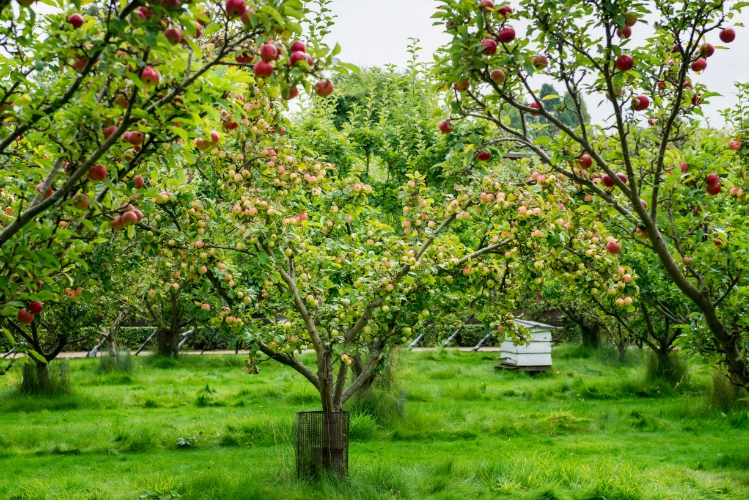
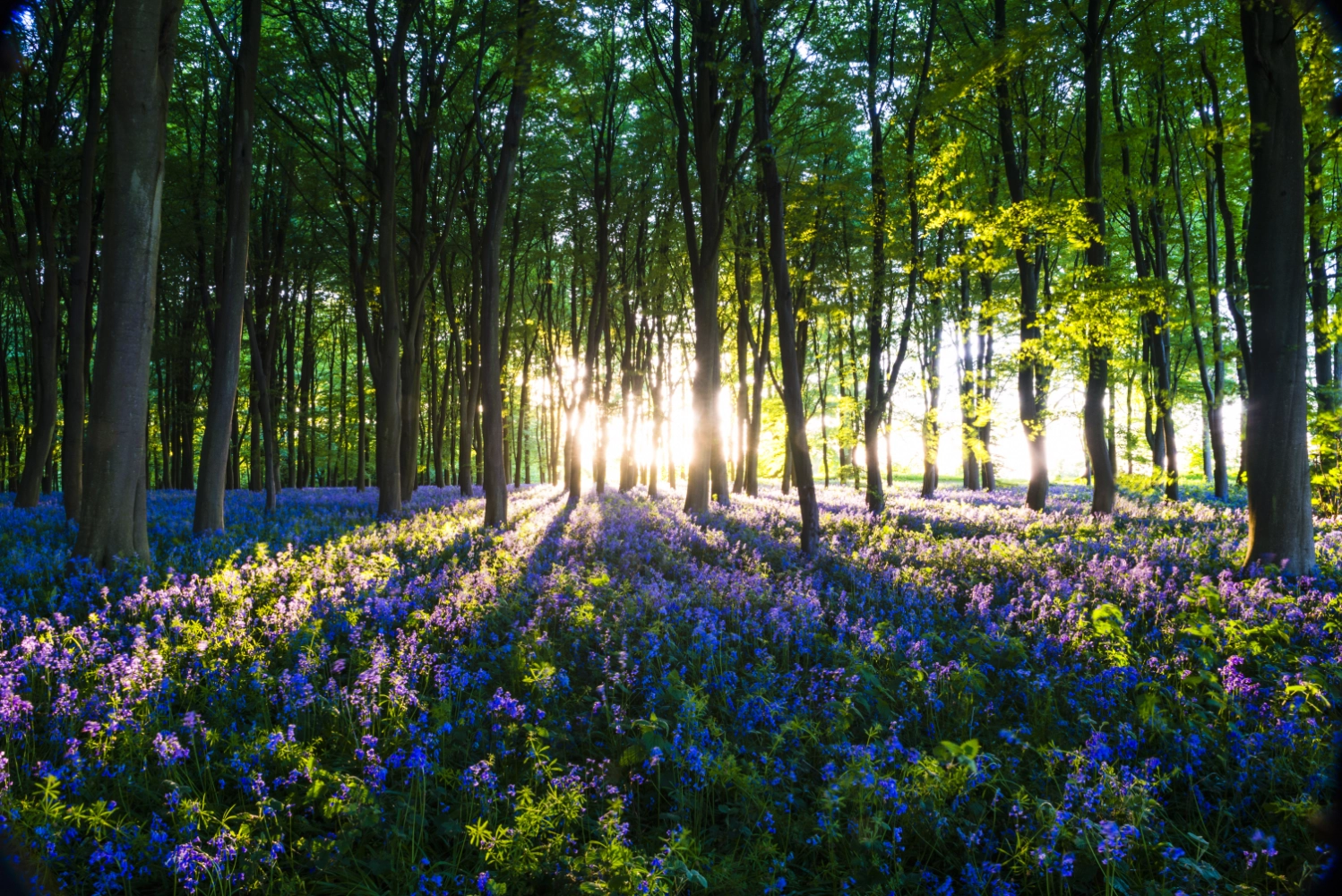
In the UK, for example, there are many established natural burial grounds (woodland or meadow burial grounds) that serve as simple, green resting places. These sites avoid embalming, plastics and concrete, using only biodegradable coffins or shrouds, so the body can nourish the earth directly. In short, a rooted, earth-friendly burial is already available to many – turning death into a gentle return to nature
Explore Natural Burial Grounds Across the UK
Search our Directory ➜ Natural Burial Grounds Near Me
Find peaceful, eco-friendly burial grounds near you.