What Is a Green Burial? Green burial (also called a natural burial or eco-burial) is an environmentally friendly way of laying someone to rest. It means returning the body to the earth with minimal environmental impact.
In a green burial, the body is typically placed directly in the soil using only biodegradable materials (like a simple wooden or wicker coffin, or even just a natural fibre burial shroud), and no embalming chemicals are used. The idea is to let nature take its course: the body decomposes naturally, nourishing the soil and surrounding habitat.
What Is a Green Burial?
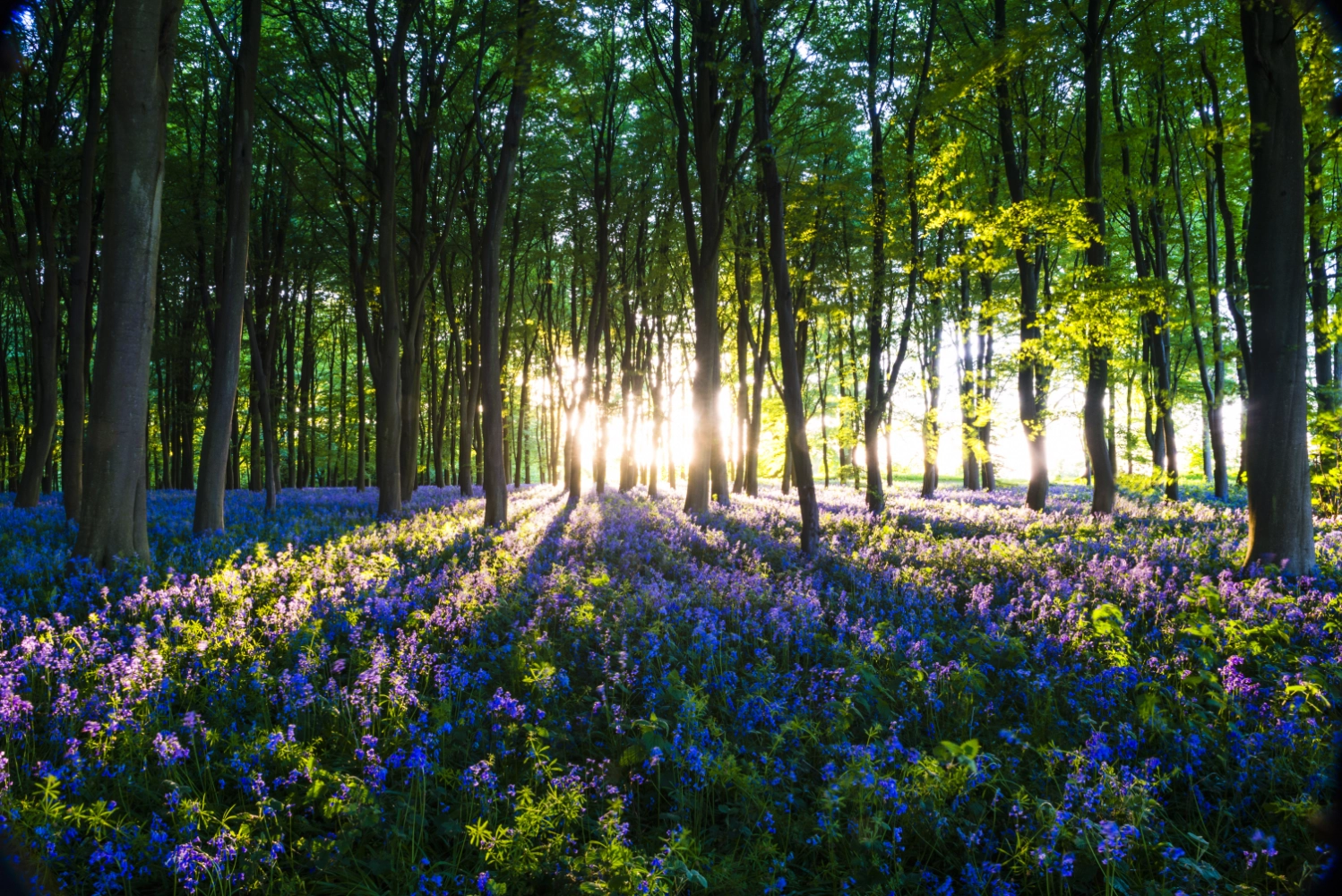
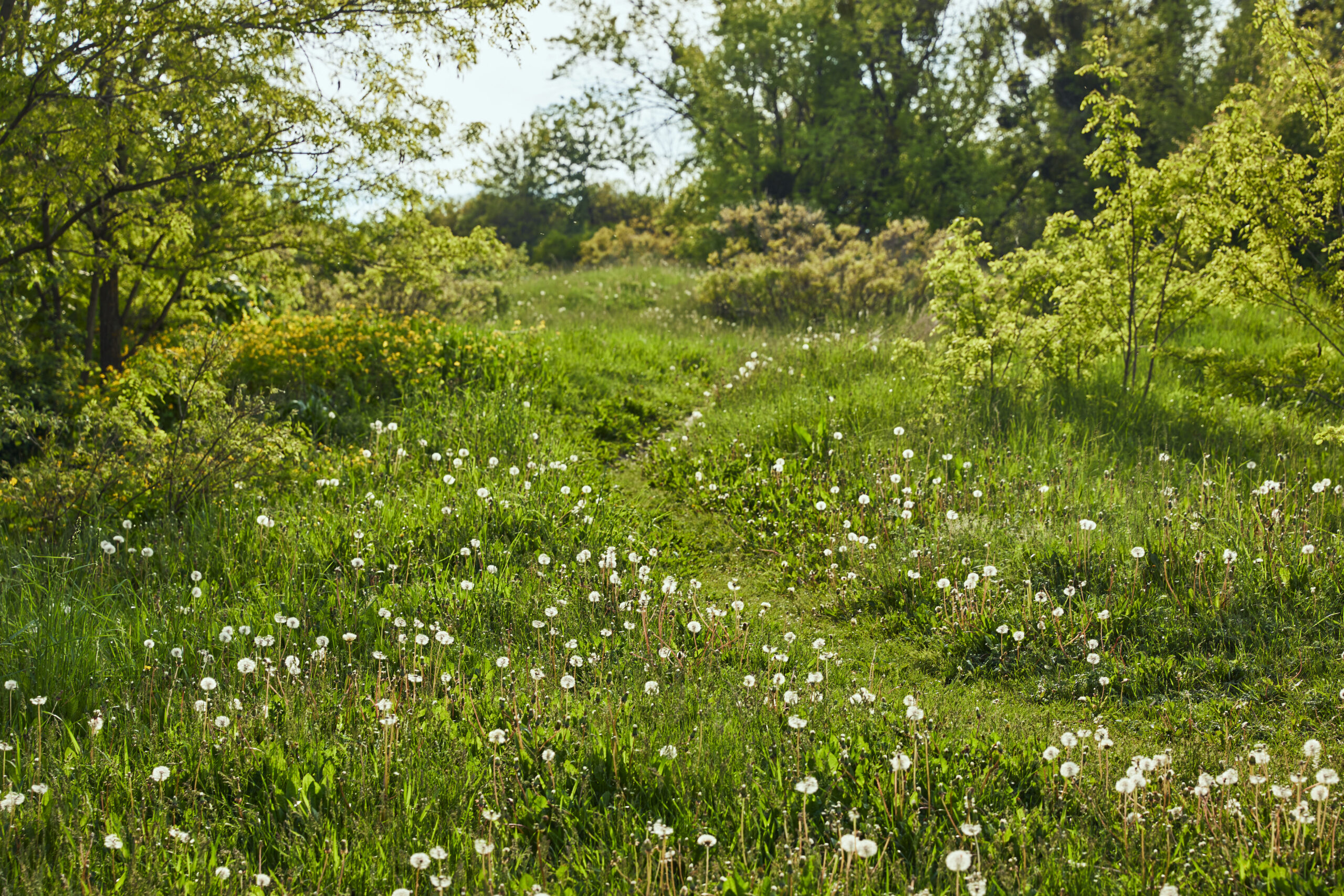
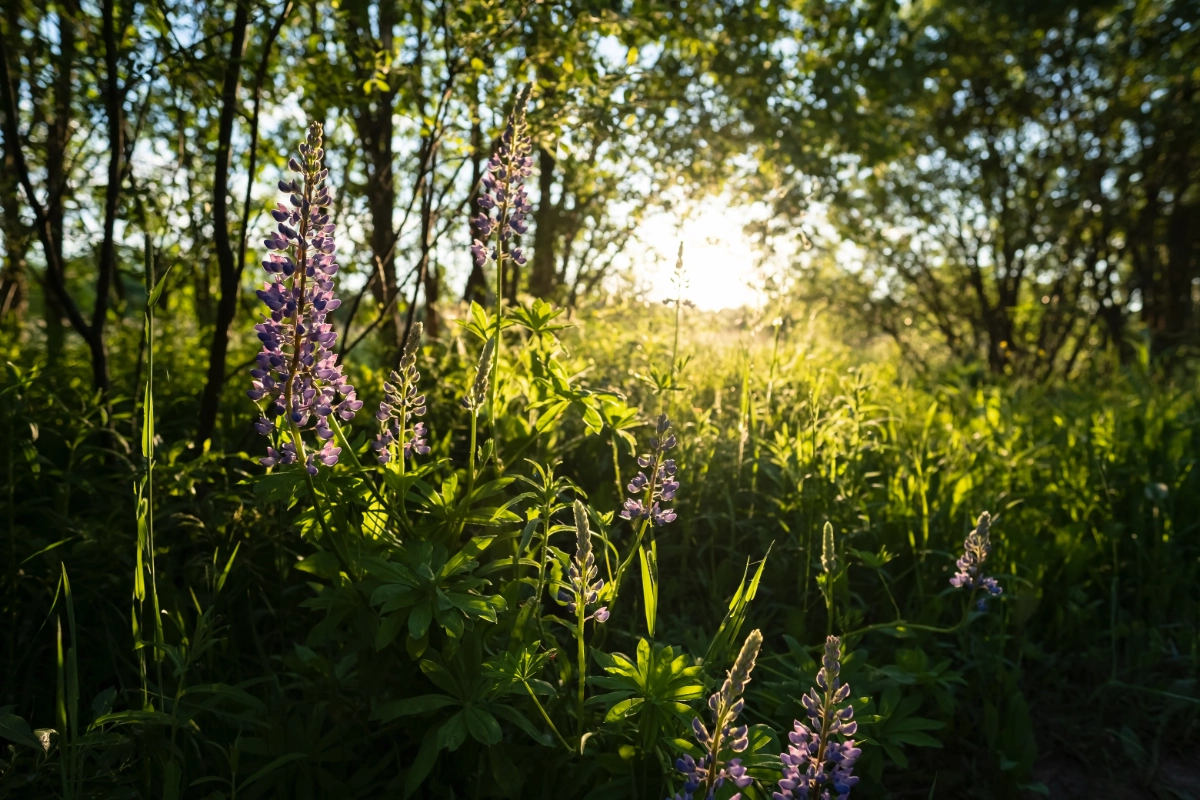
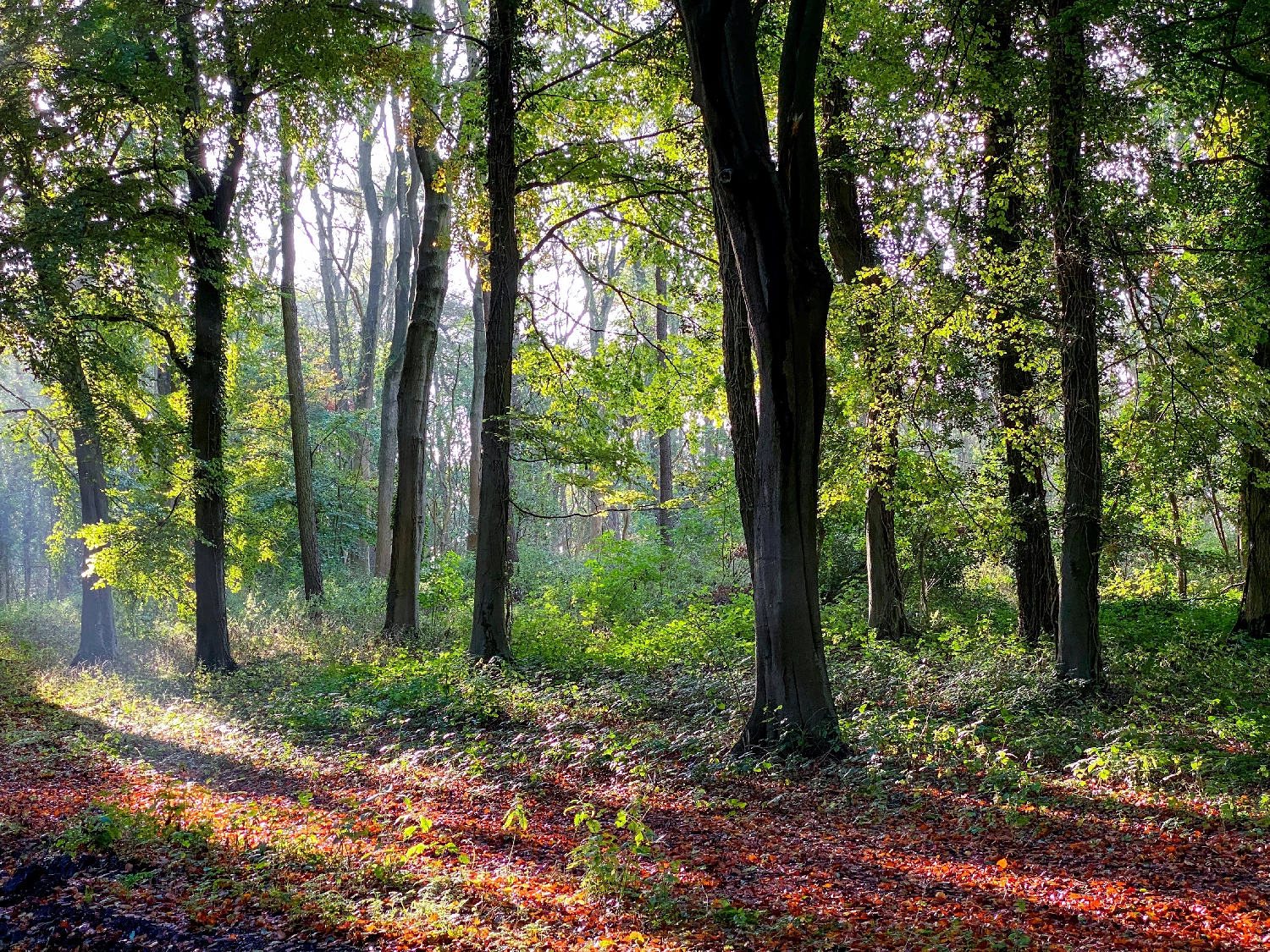
Green burials often take place in woodlands, meadows, or other conservation areas, so loved ones rest peacefully among trees or wildflowers rather than in a manicured cemetery.
By contrast, traditional burials typically involve a hard-sided coffin (often hardwood or chipboard), embalming fluid to preserve the body, and a formal grave with a headstone. Cremation (the most popular UK funeral choice today) burns the body with fuel, releasing significant CO₂ and pollutants into the air.
Green burials differ because they avoid these: there is no fuel burn, no toxic chemicals, no concrete, no plastic, and no permanent monument disturbing the land. Instead, green burials use natural materials and shallow graves (about 1 metre / 3-4 feet deep) to support rapid, healthy decomposition.
Green burials allow the body to gently return to nature. The process skips embalming and uses fully biodegradable coffins (like wicker or cardboard) so there’s no pollution introduced to the soil.
This “green” approach supports new life: in many sites, graves are marked not by granite headstones but by wildflowers, a planted tree or a simple engraved stone, helping to create habitat for wildlife. The overall impact on the planet is greatly reduced — one analysis calls a natural burial’s carbon footprint near-zero, aside from minor vehicle use — whereas a typical cremation can emit hundreds of kilograms of CO₂.
How Do Green Burials Differ from Traditional Burial and Cremation?
-
Materials: Traditional burials often use non-biodegradable coffins with metal fittings, marble or concrete vaults, and chemical embalming. Green burials use only natural, untreated wood, wicker, cardboard or shrouds, and allow the body to decompose directly into the earth.
-
Embalming: Embalming fluids (like formaldehyde) are common in traditional funerals but are avoided in green burials. No chemicals are used, so the body supports soil health as it breaks down naturally.
-
Grave Maintenance: Cemeteries usually have manicured lawns, irrigation and mowing. A green burial site is left to nature — meadows may bloom with wildflowers, and forests grow undisturbed. There are no pesticides or regular lawn care, so wildlife and plants flourish.
-
Cost: Green funerals can be more affordable, since they cut out expensive elements. You don’t pay for embalming, a heavy coffin or elaborate stone memorial. Many people find that simplifying these aspects reduces costs significantly.
-
Ceremony: You can still have a full service with readings, music or ritual. In fact, green burials often allow unhurried, personalised ceremonies in the natural setting. Unlike rushed chapel slots, families can take their time saying goodbye outdoors without a clock.
-
Legacy: A green burial often leaves a living legacy — for example, a native tree or wildflower meadow that grows on the grave can become part of a thriving ecosystem. This is very different from traditional headstones or cremation ashes, which have little lasting environmental benefit.
Environmental Benefits of Green Burials
Green burials are designed to support nature. By eliminating embalming fluid, non-biodegradable materials, and elaborate markers, these burials avoid pollution and resource waste. For example, a study notes that cremation typically emits 160–400 kg of CO₂ per body into the atmosphere, whereas a green burial involves no fuel combustion — the body’s carbon remains in the soil and nourishes it. The materials used in green coffins (like willow, bamboo, or cardboard) will fully compost, returning nutrients to the earth.
In practice, natural burial grounds are often managed as conservation areas or nature reserves. Many sites let native plants and animals thrive, increasing biodiversity in the cemetery itself. As one expert puts it, green burial is “good for the planet, good for people and good for wildlife”. A simple wildflower meadow or a wood of native trees may spring up in the area of the grave, creating habitat. In this way, each burial can even contribute to rewilding efforts.
Overall, green burials create low-carbon, low-impact resting places that honour life without harming the environment.
-
No toxic chemicals: By banning embalming, green burials keep formaldehyde and other toxins out of the ground and water. This protects soil, plants and groundwater.
-
Biodegradable materials: Coffins made of willow, bamboo, seagrass or cardboard, and natural textiles like cotton or linen, fully decompose. They don’t leave plastics or metals behind.
-
Supports conservation: Many natural burial sites actively plant trees or wildflowers on graves. Over time, the burial ground can become a woodland or meadow reserve, supporting bees, birds and other wildlife.
-
Recycles the body: In a green burial, the body literally becomes part of the cycle of life. Nutrients from the body feed the soil, benefiting plants and microbes. This eco-friendly approach is often described as “a gentle return to the earth”.
Legal Requirements in the UK
In the UK, green burials are fully legal, but they still require the usual paperwork and permissions. The legal framework is the same as any burial: the death must be registered, and the registrar issues a Certificate for Burial (often called the “green form”) before the funeral can proceed. This applies whether you’re in a cemetery or burial on private land.
We have a What to Do When Someone Dies Guide and Checklist. Here are the key legal points:
-
Death Registration: The person’s death is registered at the local registry office, which issues a burial certificate. You cannot legally bury anyone without this official form.
-
Licensed Sites: Green burials usually take place in licensed natural burial grounds. These are cemeteries or sections of cemeteries approved by the authorities to operate as green sites. They follow guidelines on grave depth, environmental protection and record-keeping, so you don’t need to worry about permits beyond the normal registration.
-
Private Land: Burying someone on your own land (a “home burial”) is possible in England and Wales. You must still register the death and get a burial certificate. The landowner should check there are no covenants or rules against burials. Guidance advises notifying the local council or environmental health department, and ensuring the grave is a safe distance from water sources. In practice, most people limit private burials to one (or two related) graves to avoid being considered a new cemetery. (By law, if you bury two or more unrelated people, you technically need a Home Office licence to become a burial ground.)
-
Scotland & N. Ireland: The rules vary a bit. In Scotland, burying on private land usually requires planning permission and consultation with environmental agencies. In Northern Ireland, laws are similar to England/Wales but it’s wise to check local guidance.
-
Coffin Laws: Importantly, no law forces embalming or a special coffin. Section 25 of the Public Health Act 1936 requires burial in a coffin but it does not specify material. Many natural burial grounds interpret this as allowing any coffin that can hold the body safely. Thus simple wood, wicker or even a shroud (on a board) is perfectly acceptable.
-
Headstones & Memorials: There is no law saying you must have a headstone. Natural sites often forbid large stone monuments to protect the habitat. Instead, memorials (if any) are flat stones, wooden crosses, trees or plants.
In short, as long as you follow the standard death registration and follow the site rules, green burials are just as lawful as any other funeral
What Happens at a Green Burial Service
A green burial funeral can be as simple or as personal as you like, but it generally follows a similar flow to other burials:
-
Funeral Service: It might start with a service (religious or secular) held in a forest glade, church/chapel, community hall, or even at home. You can include music, readings, prayers — anything that suits you. Many families then make their way to the burial spot as a group. There are usually no strict schedules, so people can take their time with each stage.
-
Travelling to the Grave: Often the procession to the grave is on foot (some sites restrict motor vehicles) or by a simple cart. Pallbearers carry the coffin (or stretcher) to the grave.
-
The Burial: At the grave of a natural burial site, the body (in its biodegradable coffin or shroud) is placed into a freshly dug grave. These graves are typically shallower (about 1 metre / 3/4 feet deep) than standard graves. Because there is no chemicals, natural processes start immediately. Family members or friends often take turns filling the grave with soil, each dropping a spadefuls in as a final act of farewell.
-
Marking the Grave: Instead of a large headstones, many families choose a natural marker: this could be a native tree or shrub planted on the grave, a small engraved rock, or simply a wooden post or cross with a name. Some people leave the grave unmarked so that grasses and flowers can flourish. For example, a wildflower seed mix is often scattered on the filled grave to turn it into part of the meadow.
-
Afterwards: Often the site provides a communal memorial area. This might include a bench (as shown below) or a grove of remembrance trees where family and friends can sit and reflect. Many funeral gatherings end with those at the service spending more time together on site, perhaps with a picnic or shared meal, while nature provides a peaceful backdrop.
The burial itself is natural and simple. After the coffin or shrouded body is lowered into the earth, friends and family typically place soil over the grave. In many sites, a tree or wildflowers are planted on the grave, or a small marker is used instead of a headstone. This burial ground is a place for remembrance. Many families appreciate that the body will quietly enrich the surrounding trees, rather than lying in a mausoleum.
Most natural burial grounds handle the practical details. They dig the grave and often supply a biodegradable coffin if needed. They also record the burial in a register. Other than that, you can personalise the service as you wish. For example, in some families a hand-carved wooden coffin or a home-made shroud might be used. Others might decorate the coffin with flowers, messages, or meaningful symbols. Because these grounds aren’t on a strict time schedule, mourners can take their time at the graveside — reading poetry, playing a piece of music, or simply sharing quiet memories before the final goodbyes.
Biodegradable Coffins and Shrouds
One of the hallmarks of a green burial is using eco-friendly coffins or shrouds. These are made entirely from natural, renewable materials so they break down harmlessly. Common options include:
-
Biodegradable coffins: These can be made from willow, wicker, bamboo, seagrass, cardboard, wool or even specially grown mushroom (mycelium) composites coffin. Each material is strong enough to be handled safely but will fully decompose in soil. For example, wicker and willow coffins are handcrafted and are both elegant and light. Cardboard coffins are simple and affordable. Wool or felt coffins use a recycled cardboard frame covered in natural fibres. Innovative mushroom coffins are grown like plants and dissolve very quickly, neutralising toxins in the soil.
-
Shrouds: A burial shroud is a simple cloth wrap that encloses the body. It can be made of 100% natural linen, cotton, hemp, silk, wool or bamboo fabrics. Shrouds may have handles or be used with a biodegradable wooden board for carrying. Many people find shrouds a very personal option (families sometimes even sew a loved one’s name or messages into the fabric). Importantly, shrouds use no metal or plastic, so they vanish completely into nature over time.
If you prefer a coffin, most green burial sites require that it be biodegradable (sites often forbid veneered or metal or plastic trimmed coffins). Choosing a coffin made of natural materials reflects care for the environment. And yes, these coffins can often be cremated too if needed — for example, cardboard or willow coffins burn cleanly with fewer emissions than heavy wood.
Whether you choose a coffin or a shroud, the principle is the same: give back to the earth. You’ll often see families asking guests to wear simple clothes or even rural-style attire to match the natural setting. Everything carried to the burial (flowers, tokens) is typically organic or returned to nature. For more on this, see our guide to eco-friendly coffins and shrouds ( Biodegradable Coffin ) which covers all the material choices in detail.
Types of Natural Burial Grounds
Natural burial sites come in many varieties, all designed to blend with nature:
-
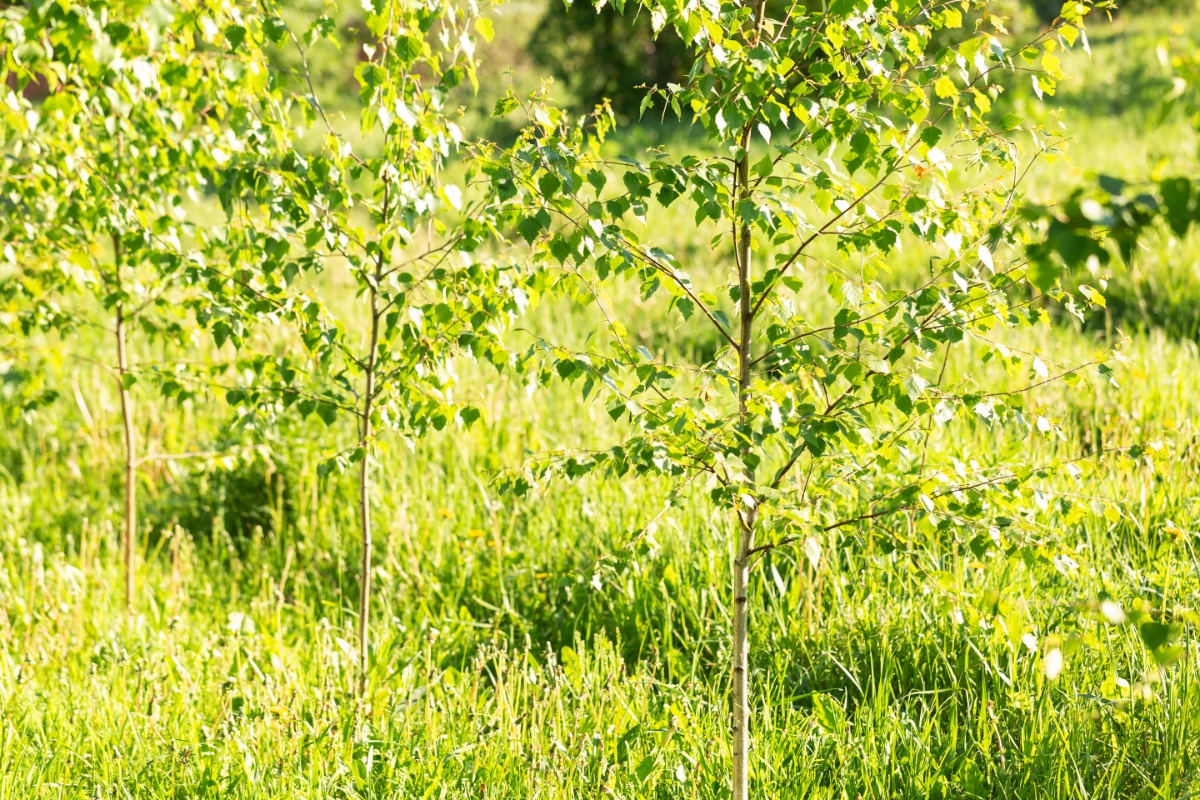
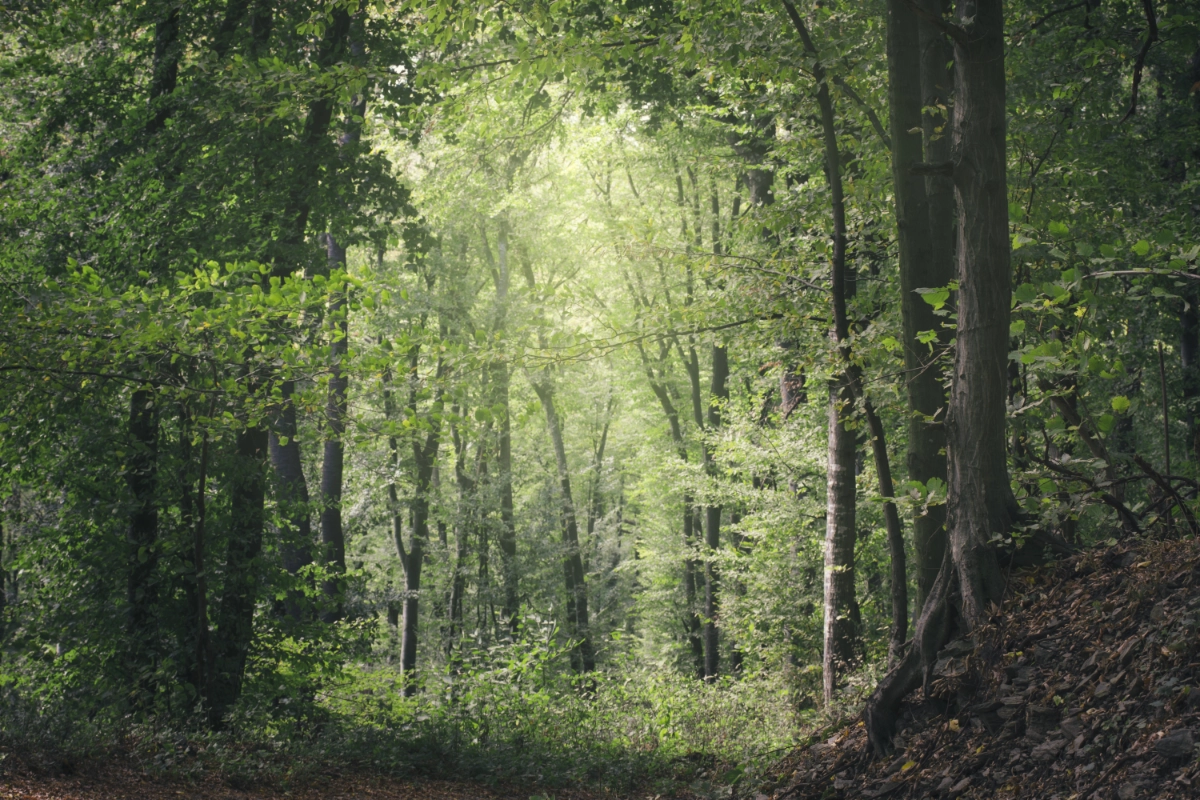
Woodland Burials: These are set in forests, woods or groves. Graves are interspersed among the trees, and visitors often hear birdsong and rustling leaves. Over time, the burial ground becomes part of the forest ecosystem. (It’s often allowed to keep existing mature trees.)
-
Meadow or Wildflower Burials: Here, the resting places lie in open fields filled with grasses, wildflowers, and pollinators. Think rolling meadows with heather, foxgloves and other native flowers. Mourners may walk on informal paths through the flowers. Local councils sometimes create “green zones” in their cemeteries as wildflower meadows.
-
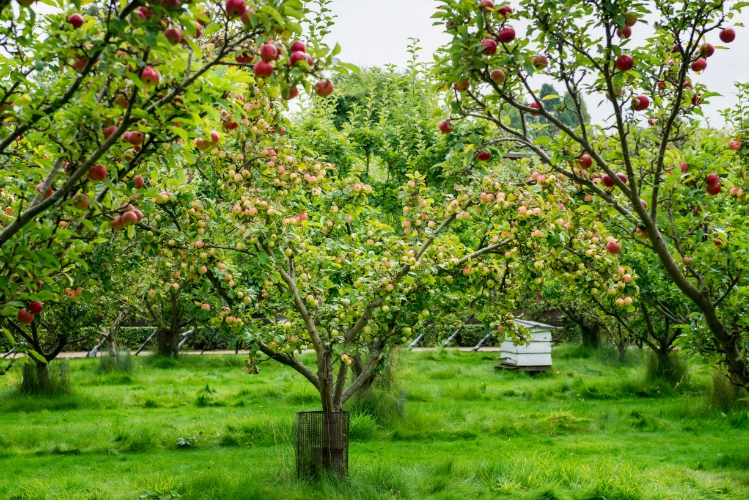
Orchard Burials: These take place among fruit trees (apple, pear, etc.), so that a person rests under blossoming blossoms. Over the years, trees grow and bear fruit, symbolising life’s renewal.
-
Pasture or Farm Burials: Some sites use converted fields or lightly managed farmland, sometimes near a churchyard or manor. They may allow a few grazing sheep or cattle to manage the vegetation naturally.
-
Private or Family Land: A few families opt for a private natural burial in their own land (with the legal permissions mentioned above). This could be a small meadow, copse or garden area that is dedicated as a burial spot. (As noted, only one or two graves are typically allowed to avoid turning it into an unlicensed cemetery.)
-
Hybrid Cemeteries: Some conventional cemeteries now dedicate a portion of their grounds to natural burials. These sections might have minimal maintenance (no mowing) and only natural materials. They give local communities an eco option without buying new land.
Different sites have different rules – for example, some woodland sites may encourage wildlife habitat preservation, while meadow sites might have open views. Before choosing, it’s wise to visit a site and ask about its particular setting and regulations. Many sites welcome visitors by appointment, so you can feel the atmosphere (quiet forest vs open sky) and see what memorial styles are used. (Some allow planting flowers; others only flat markers or none.)
Green burial grounds vary widely. Some are leafy woodlands with dappled sunlight, others are wide meadows alive with butterflies. Many are managed by nature trusts or charities, so the site itself functions like a nature reserve. Whether it’s a private field or a council-run sanctuary, all types share the same goal: a natural landscape in which to honour and remember. To find one near you, see our Natural Burial Grounds Near Me Map.
Who Chooses a Green Burial, and Why?
All sorts of people choose green burial, often for deeply personal reasons. The common thread is usually a desire for simplicity, sustainability and meaning. Environmental awareness is a big factor: many feel that after a lifetime of caring for the Earth, their funeral should not harm it. According to one guide, natural burial “creates habitat for wildlife” and avoids practices like embalming that people find objectionable.
Others are drawn by the peace and beauty of nature. Some people find traditional cemeteries too formal or sterile, and prefer the idea of resting in a wood or field alive with birds and insects. The idea of a loved one’s grave being marked by a growing tree or wildflowers is comforting to many.
Practical reasons also play a part. A green burial can be more affordable and personal — you can often do much of it yourself (or with a small funeral director) and avoid big commercial costs. In recent years, as climate concerns have grown, green burial has become more popular across all faiths and cultures. Natural burial sites are typically open to people of any religion or none. Because ceremonies are so flexible, everyone from those with spiritual beliefs in Earth cycles to secular families finds them meaningful.
Ultimately, anyone who values environmental care, simplicity or a natural setting may choose a green burial. As one expert notes, “every locality should have its own natural burial ground”, reflecting a view that this should be a commonplace choice for everyone
Common Misconceptions About Green Burial
Even as green burials become more accepted, some myths linger. Here are a few cleared up:
-
Myth: Green burials are illegal or only for a fringe group.
Fact: Far from it – green burials are fully legal in the UK. Natural burial grounds operate under official licences and follow regulations (on plot records, depths, etc.) to ensure safety and legality. You don’t need special permission beyond the usual death registration and burial certificate. They are not just for “eco-warriors” – many ordinary families now opt for them. -
Myth: Green burials cost more.
Fact: In most cases, green burials are cheaper than traditional funerals. By cutting out embalming, fancy coffins and headstones, the bills can be much lower. A basic biodegradable coffin or shroud is often less expensive than a hardwood coffin. Some sites even offer low-cost direct green burials with minimal ceremony. -
Myth: You can’t have a real funeral service with a green burial.
Fact: Green burials can include any type of service. You can hold a formal or informal ceremony anywhere on the site. Many sites have simple chapels or gazebos, but you can also have the service entirely outdoors (for example, under a tree). There is usually no rushing – families can take their time with eulogies, music and rituals in the natural setting. In fact, most mourners find woodland or meadow funerals to be deeply peaceful and personal. -
Myth: Green burials aren’t “really” environmentally friendly.
Fact: They genuinely are one of the most eco-friendly options. No fossil fuels are burned (aside from a possible drive), no concrete, plastic or metal is used, and the body’s carbon stays in the soil. Natural burial sites actively create green spaces instead of draining resources. (As one advocate says, these burials are “good for the planet, good for people and good for wildlife”.) Choosing green burial means your final act contributes positively to the environment. -
Myth: You need a fancy coffin or funeral director for a green burial.
Fact: Actually, you don’t legally need either. Any coffin (even a simple cardboard box or fabric shroud) is fine if accepted by the site, and many families handle natural burials themselves or with minimal professional help. Of course, you can hire help if you prefer, but it’s not mandatory.
Planning a Green Burial and Finding a Site
If you’re considering a green burial, the first step is practical: ensure the death is registered, get the burial certificate, and contact a natural burial ground. The operator will guide you on their site rules (coffin materials, grave size, memorial options, etc.).
-
Finding a Site: Our Natural Burial Grounds Directory lists UK sites by region and on our natural burial grounds near me map. You can also check the Natural Death Centre’s registry or the Association of Natural Burial Grounds for listings. Visit or contact a few that seem right for you, to ask about availability and any rules (such as which materials are allowed, etc.).
-
Advance Planning: It helps to talk about your wishes with family or include them in a will. Write down preferences (shroud or coffin, planting a tree, music choices) so everyone knows. This isn’t legally binding, but it’s very helpful.
-
Permissions & Paperwork: If you’re using a licensed natural burial ground, the staff usually handle the legal paperwork for you. If you plan to bury on private land, you must register the death at your local registry office (they issue the burial certificate) and inform the council or environment agency as advised. They will give guidance on grave placement (distance from water, grave depth) to prevent pollution.
-
Day-of Details: Decide how you’ll travel to the site (many people walk with the coffin or use a cart onsite). Choose British native flowers. Some people write letters to their loved one to read at the grave.
-
After the Burial: Think about long-term care. Some sites let families return to plant additional wildflowers or simply visit a chosen spot. Because natural burial grounds aim to remain wild, maintenance (if any) is minimal. It’s wise to ask the site about future plans: many have agreements in place to ensure the land stays protected for decades or generations.
Planning a green burial often feels very personal and even empowering for families, since they can be more involved with the process and setting.
Most Asked Questions
In fact, you legally don’t need a fancy coffin at all. Some families choose a linen or cotton shroud to wrap the body, possibly on a wooden board for support. The key is that whatever is used must decompose fully. (We have a guide to eco-coffins and shrouds for more detail.)
Embalming
Services
Grave Markers
Common practices include using a flat stone laid flush with the ground, planting a tree or shrub on the grave, a simple wooden cross, or simply recording the grave’s GPS coordinates.
The aim is to keep the landscape looking natural. If you want a marker, check the site’s policy — some allow a small engraved stone or wooden post, while others prefer flora instead of a stone
Decomposing
On average, a body in a green burial can decompose fully in 6 months to 2 years, depending on soil and conditions. (Colder or clay soils may take longer.) This is still a very natural process: it’s not about being “fast,” but about returning the body safely into the ecosystem.
Own Land Burial
Yes, in England and Wales you can legally bury a person on private property, provided you follow the rules. You must register the death and get a burial certificate from the registrar before the burial. The landowner should have title to the land and inform mortgage or utility companies if needed. You also need to obey environmental guidelines (for example, keeping graves away from water sources).
In practice, people usually limit home burials to one grave (or two related people). Once two or more people are buried on a plot, you need to apply for planning permission because it counts as a private cemetery.
In Scotland or Northern Ireland, slightly different permissions may apply, so it’s wise to check local guidance.
Green Burial
Anyone can. Natural burial grounds welcome people of all faiths or none. The choice is a matter of personal preference and belief, not religion. Whether someone is secular, Christian, Muslim, Buddhist or anything else, they can have a green burial if their family and chosen funeral director arrange it.
There are no legal restrictions based on who you are — as long as the legal paperwork is done and the ground accepts the body, it’s available to anyone who wants it. In fact, green burial is often chosen by people who feel that a simple, nature-connected funeral best reflects their values and beliefs.
Green Burial
Often it is less expensive than a traditional funeral. You save on costly items like embalming, coffins or headstones. Many natural burial grounds offer competitive plots and make-it-yourself options.
Of course, you can still add extras (native British flowers, a printed program, etc.), but the baseline cost tends to be lower. That said, every funeral is unique, so it’s best to compare prices: ask a few natural burial sites for their packages and compare with conventional funeral quotes.