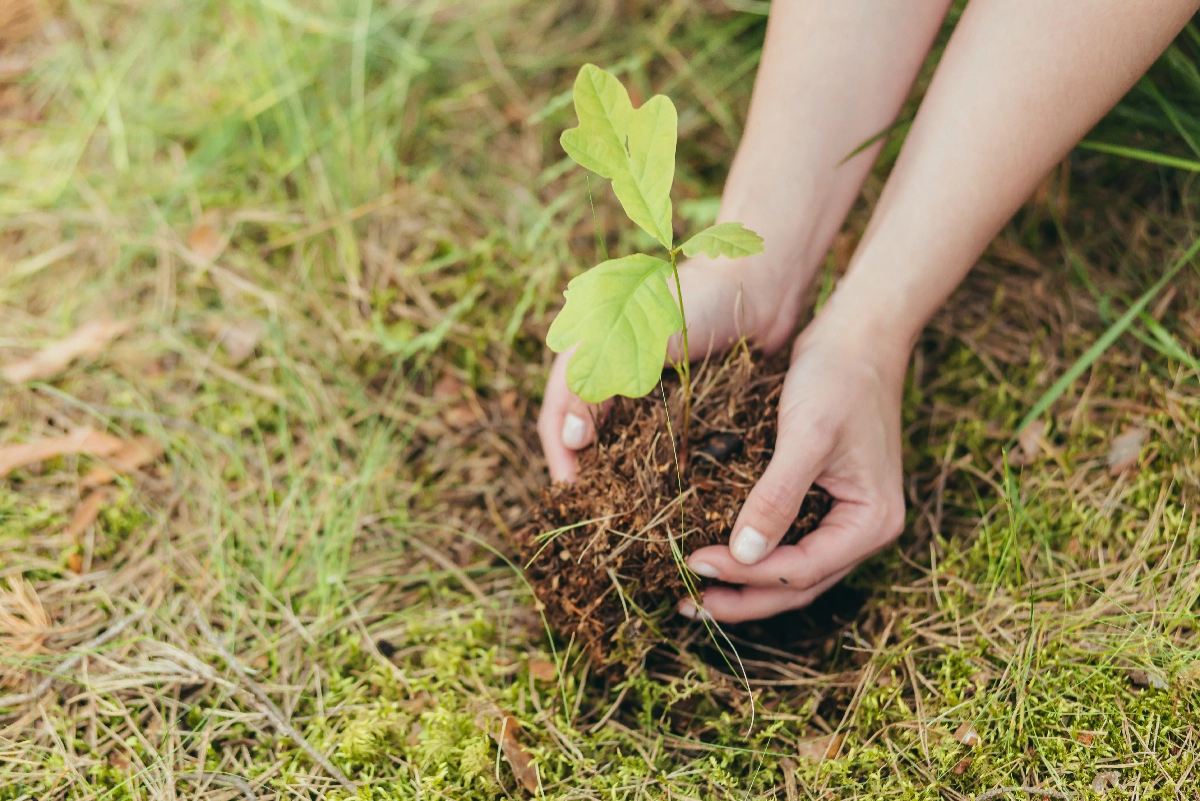
Human composting (sometimes called natural organic reduction) is a green funeral method that literally recycles a body into soil. In practice, the deceased is placed in a reusable vessel with layers of organic bedding (wood chips, straw, alfalfa, sawdust.).
Over several weeks (roughly 4–8 weeks) heat-loving microbes break down the tissues, generating warmth and transforming the remains into a nutrient-rich compost. The process produces about a cubic yard of earth (roughly 36 bags) by the end. The result is soil that can be returned to loved ones for planting a tree or garden. Because no fossil fuels are burned and no embalming chemicals are used, human composting is seen as an eco burial alternative with a much smaller carbon footprint than cremation or conventional burial
How It Works: Step by Step
-
Placement: The body (often simply shrouded or in a biodegradable container) is laid in a specially designed chamber or barrel with plant-based bedding. This vessel is vented to allow airflow but is sealed from the outside environment.
-
Composting: Naturally occurring microbes (bacteria and fungi) in the mix begin consuming the body and plant material, producing heat. The operators monitor and sometimes mix the contents to keep the process aerobic. After roughly 30–60 days most soft tissues have decomposed. (One source notes that bodies “transform” within six to eight weeks of composting.)
-
Processing: Any remaining bones are removed, dried, and typically ground into a fine ash. The rest of the material looks and smells like rich garden compost. This mixture is often left to “cure” for a couple more weeks (allowing it to stabilise and cool).
-
Final Soil: The end product is about one cubic metre (one cubic yard) of dark, crumbly soil. This soil is clean (free of pathogens and chemicals) and can be given to the family. People often use it to grow a memorial tree or donate it to gardens and conservation projects. In one report, Seattle’s Recompose firm has held hundreds of such “composting ceremonies,” returning soil for planting memorial gardens
Environmental Benefits
Human composting offers several ecological advantages over traditional funeral methods:
-
Much lower carbon emissions: It uses far less energy than a flame cremation. Studies estimate human composting can require only about one‐eighth the energy of a modern cremation. For comparison, a typical cremation emits roughly 190–250 kg of CO₂ (about a 470–750 mile car trip), whereas composting releases almost no direct emissions.
-
No toxic pollution: Since nothing is burned, there are no smoke or mercury emissions (mercury can come from dental amalgam during cremation). Also, no embalming fluids (formaldehyde, phenol, etc.) are used. Traditional burial fluids can leach into soil and groundwater, but composting avoids these toxic chemicals entirely.
-
Fewer resources used: No fuel (gas or biofuel) is needed to heat a furnace, and no coffin is required. (In the U.S., millions of acres of timber go into making coffins every year.) By contrast, composting simply uses wood chips and straw that are later turned into soil.
-
Creates useful soil: Instead of ashes to scatter or bury, the body becomes living soil. This nutritious compost can sequester carbon and enrich plant growth. In short, the body’s nutrients are returned to the earth, completing a natural life cycle.
Other Eco-Friendly Options
Human composting is one of several green funeral methods. Two other eco alternatives are:
-
Aquamation (Water Cremation): Also called alkaline hydrolysis, this method dissolves the body in a warm, pressurised solution (about 95% water with a small amount of potassium or sodium hydroxide). The process (which takes 4–14 hours) breaks down soft tissues without any flame. The resulting liquid (mostly water and trace minerals) is environmentally safe enough to send to wastewater treatment, and the leftover bones dry to a white ash that can be returned to the family. Aquamation uses electricity instead of fire, emits virtually no air pollution or mercury, and requires only a fraction of the energy of a gas cremation.
-
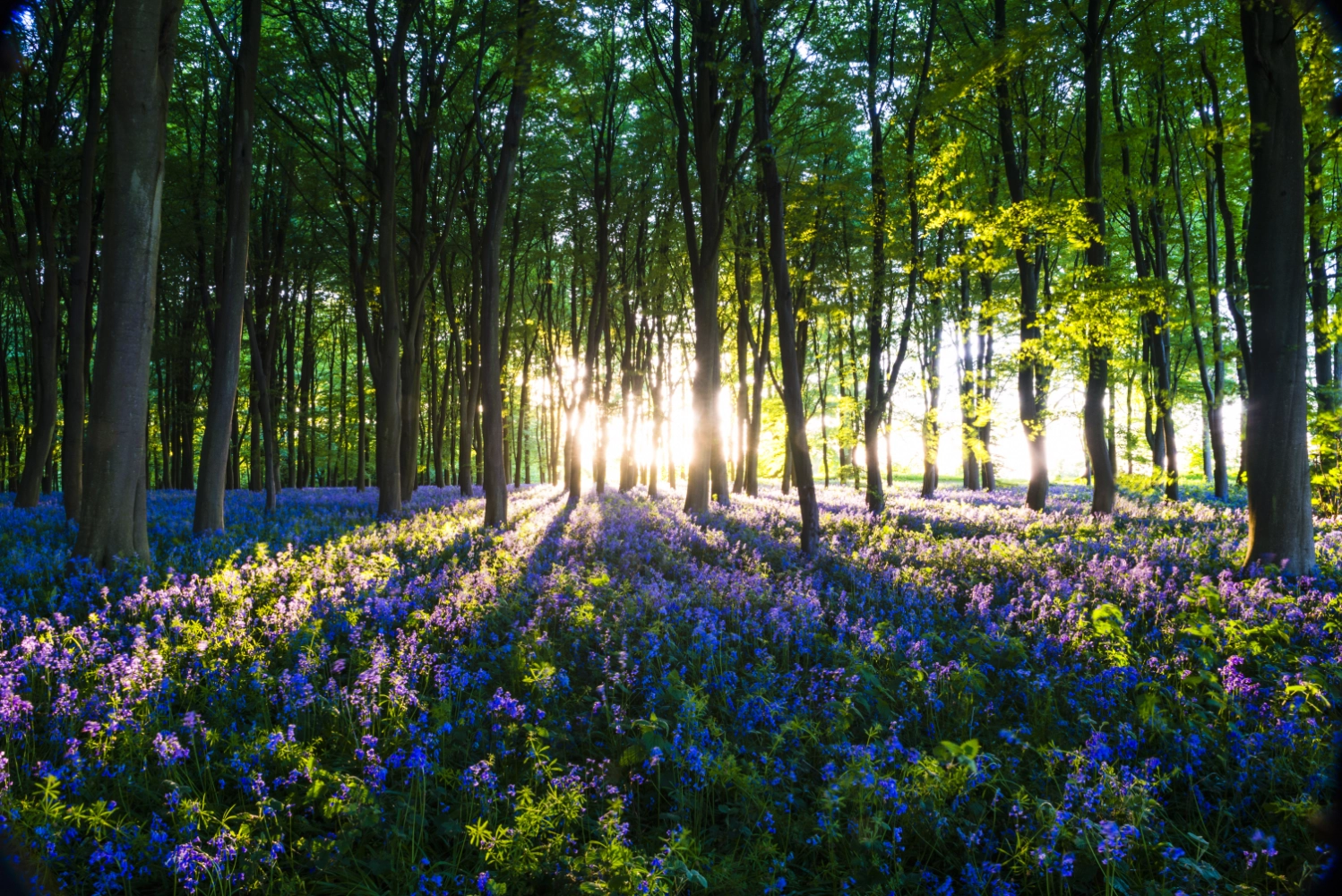
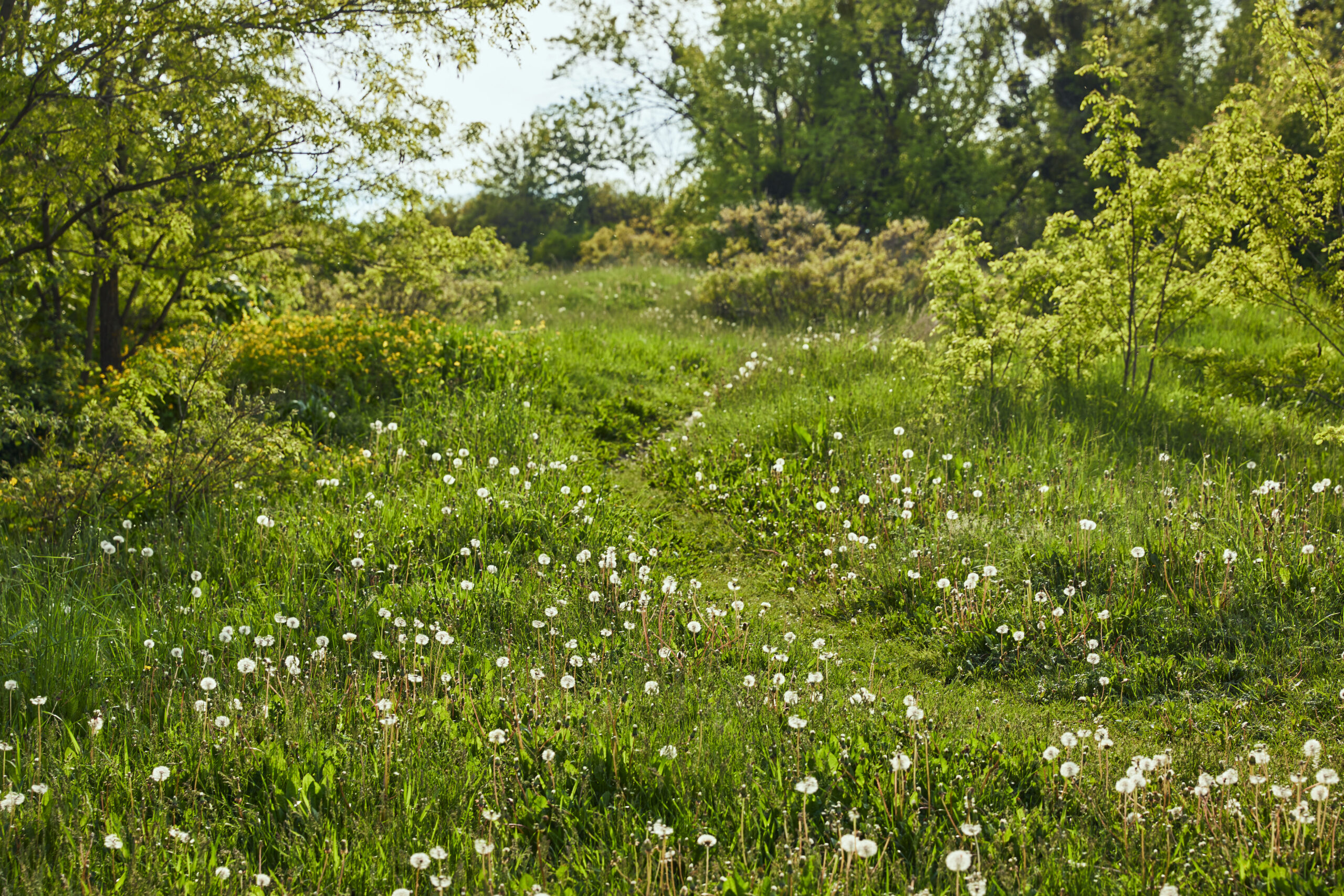
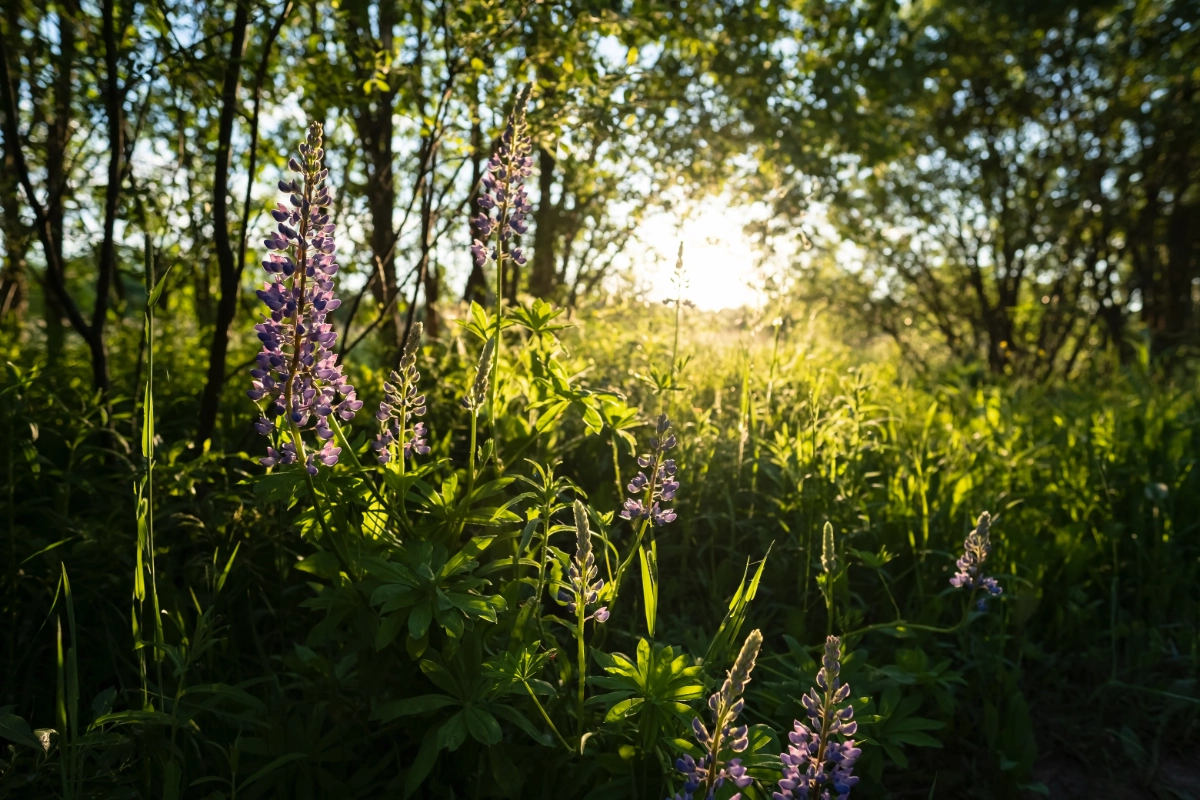
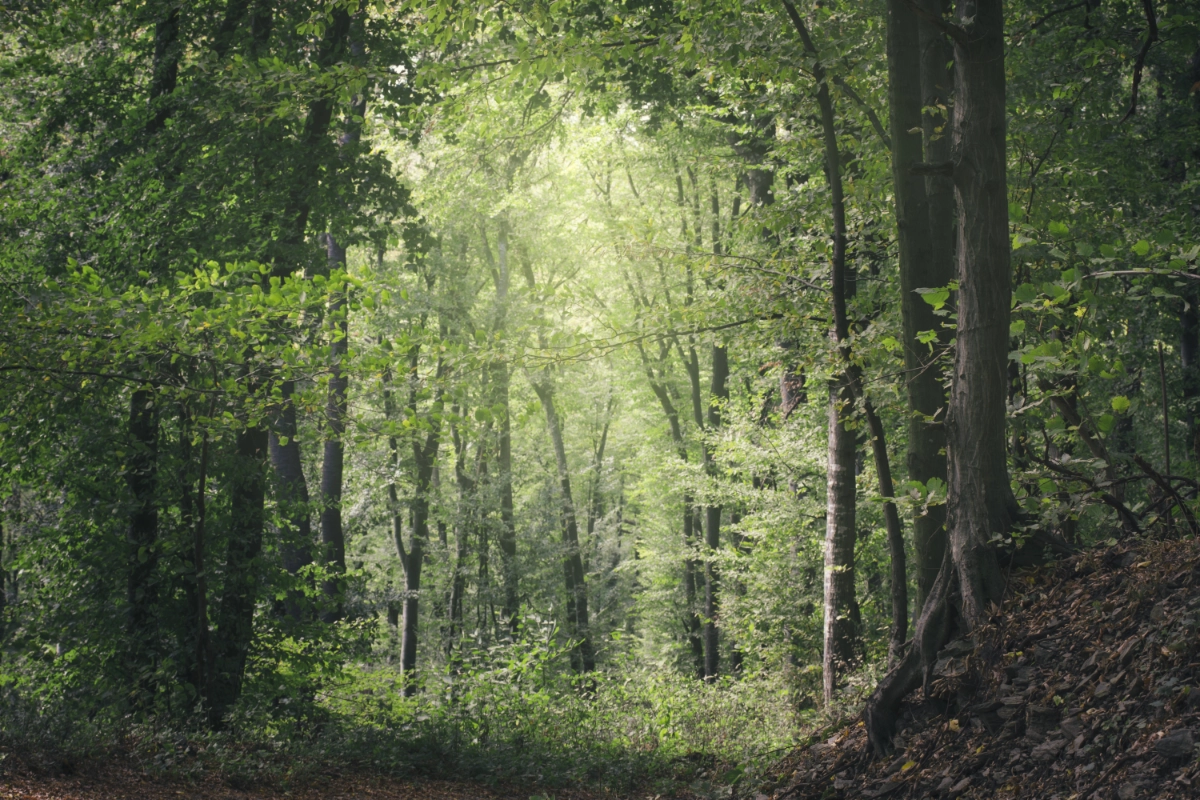
Natural (Green) Burial: This is a simpler form of burial: the body (unembalmed) is buried directly in the soil with a biodegradable coffin or just a shroud. No embalming chemicals or gravestones are used, so the body can decompose naturally. Natural burial grounds are often managed as wild woodlands or meadow and nature reserves. This option conserves materials and land (it forgoes headstones and permanent monuments) and nurtures the habitat. Note that natural burial still uses land space (usually a protected nature reserve), and it does not return soil to the family – instead, the body gradually returns nutrients to the surrounding forest or grassland.
Current UK Legal Status
As of 2025, human composting is not yet legal in the UK. UK law currently only recognises burial, and cremation.
However, change may be on the way. The Law Commission has launched a review of funeral laws: a public consultation (covering water cremation and human composting) ran through 2025, and officials plan to issue recommendations and draft legislation by spring 2026.
The government says any new rules would include safeguards to ensure dignity and safety. Notably, Co-op Funeralcare (the UK’s largest funeral provider) has said it eagerly welcomes the review, noting that existing regulations are outdated. In fact, Co-op even tried to pilot a water cremation / aquamation service in 2023 but was blocked by current rules. It, along with campaign groups, is encouraging regulators to allow green alternatives that give consumers more choice and cut environmental impact. For now, families in Britain cannot legally compost their loved ones, but many industry and environmental leaders are optimistic that the law will change in the coming years.
Where It’s Already Allowed
Human composting is practiced outside the UK in a handful of places.
In the United States, Washington state was the first to legalise it (effective 2019), and by 2023 states like Colorado, Oregon, New York and California had passed laws authorising it. (Other states such as Vermont, Georgia and several more have followed suit, so that well over a dozen states now permit it.)
In Europe, Sweden is the only country so far to allow human composting. Canada and Australia have proposals in discussion. These international examples show that composting is a proven method elsewhere and give UK policymakers a model to follow.
UK Voices: Campaigners & Funeral Directors
Many British funeral professionals and environmental campaigners have spoken out about human composting. Andrew Purves, a director at William Purves Funeral Directors in Edinburgh, notes that composting “speeds [decomposition] up” without using any extra land or energy. Lily Wood – a UK funeral industry worker who has studied this option – says she finds the idea inspiring: she imagines future generations planting a tree with soil made from her own remains, giving “a new meaning to the family tree”. Likewise, members of green-activist groups describe it as a “final gift to the Earth” that fits with a life lived eco-consciously.
These grassroots voices are backed by petitions and even by some large organisations. For example, Co-op Funeralcare has publicly supported exploring new methods, pointing out that a single cremation can emit around 250 kg of CO₂ per body, and that alternative methods could greatly cut that footprint.
Even the Church of England is taking note: a committee has been set up to consider whether composting could fit with Christian beliefs about the body after death. Overall, these UK advocates emphasise that human composting would offer both environmental benefits and a meaningful choice for families who wish it.
Emotional & Ethical Considerations
The idea of human composting can inspire deep emotions, and reactions vary. Many people find the concept beautiful and comforting: the thought of one’s remains nourishing a tree or garden can feel like a poignant final gesture. As noted above, some envision loved ones carrying on a “family tree” with the soil from the deceased. Others speak of it as an altruistic “gift to the earth”. This sense of continuity and cycle-of-life meaning is powerful for believers in nature and life-after-death philosophies.
At the same time, composting can feel unusual or even unsettling to those raised on traditional funerals. Some religious and cultural authorities have voiced concerns. For example, Catholic leaders in New York argued that composting “does not provide the respect due to bodily remains,” suggesting it was more fitting for vegetable waste than people.
Such views remind us that death rites are deeply tied to personal beliefs about dignity and the soul. Families considering human composting will want to reflect on those beliefs – talking it over with loved ones, or clergy if desired – to ensure it feels right.
Ultimately, human composting is neither inherently disrespectful nor universally embraced; it’s a personal choice. Some families may find great peace in returning a loved one gently to the soil, while others may prefer more familiar rituals. It’s important that any family feels informed and comfortable with their decision, and that funeral directors treat the option with the sensitivity it deserves.
Exploring Other Natural Funeral Options
Even before composting is legal in the UK, there are other natural and sustainable funeral choices available. For instance, you can opt for a green burial in a woodland or wildflower meadow (many UK burial sites allow unembalmed bodies in simple coffins, helping conserve land and materials).
Alkaline hydrolysis (“water cremation”) is being introduced in some UK regions. And families can choose biodegradable coffins, plant a memorial tree, or participate in conservation burial schemes.
If you’re interested in these eco-friendly alternatives, you can find local natural burial grounds near me, woodland burials. By exploring this directory and talking to specialists, you can discover a range of eco burial alternatives that align with your values and help return you gently to nature.
Explore Natural Burial Grounds Across the UK
Search our Directory ➜ Natural Burial Grounds Near Me
Find peaceful, eco-friendly burial grounds near you.