
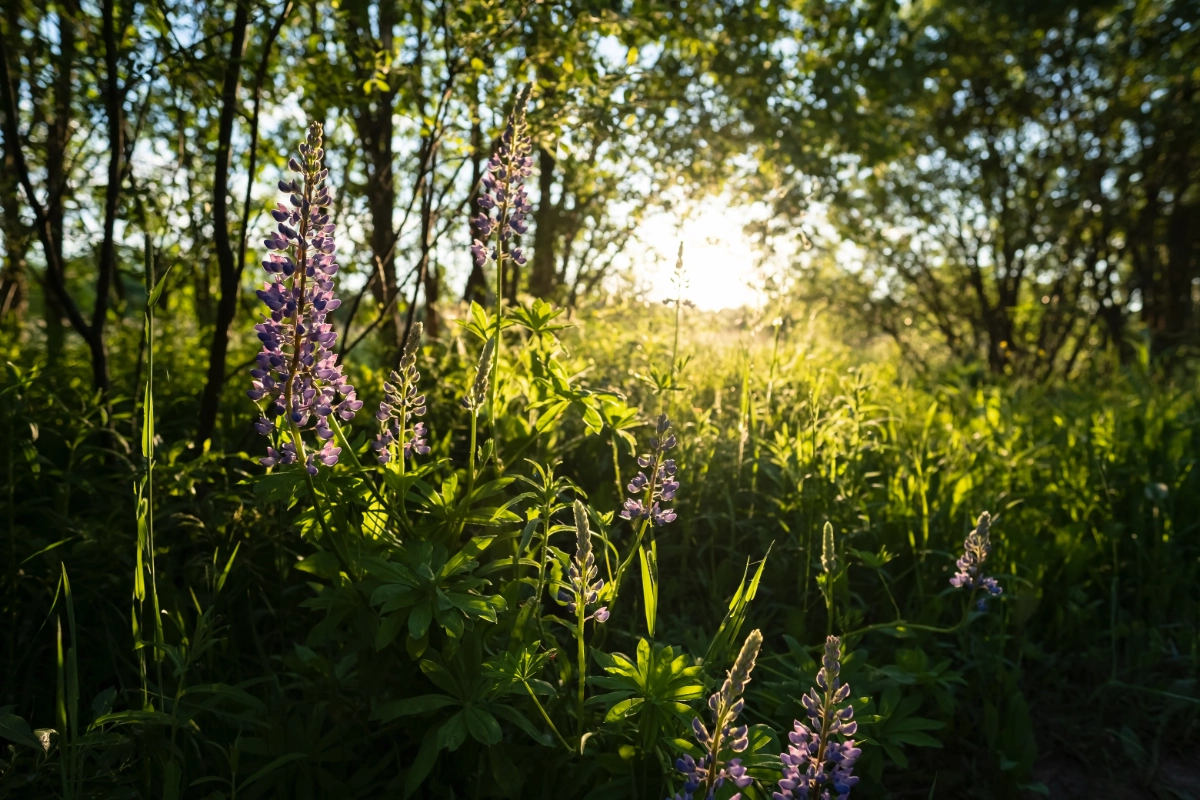
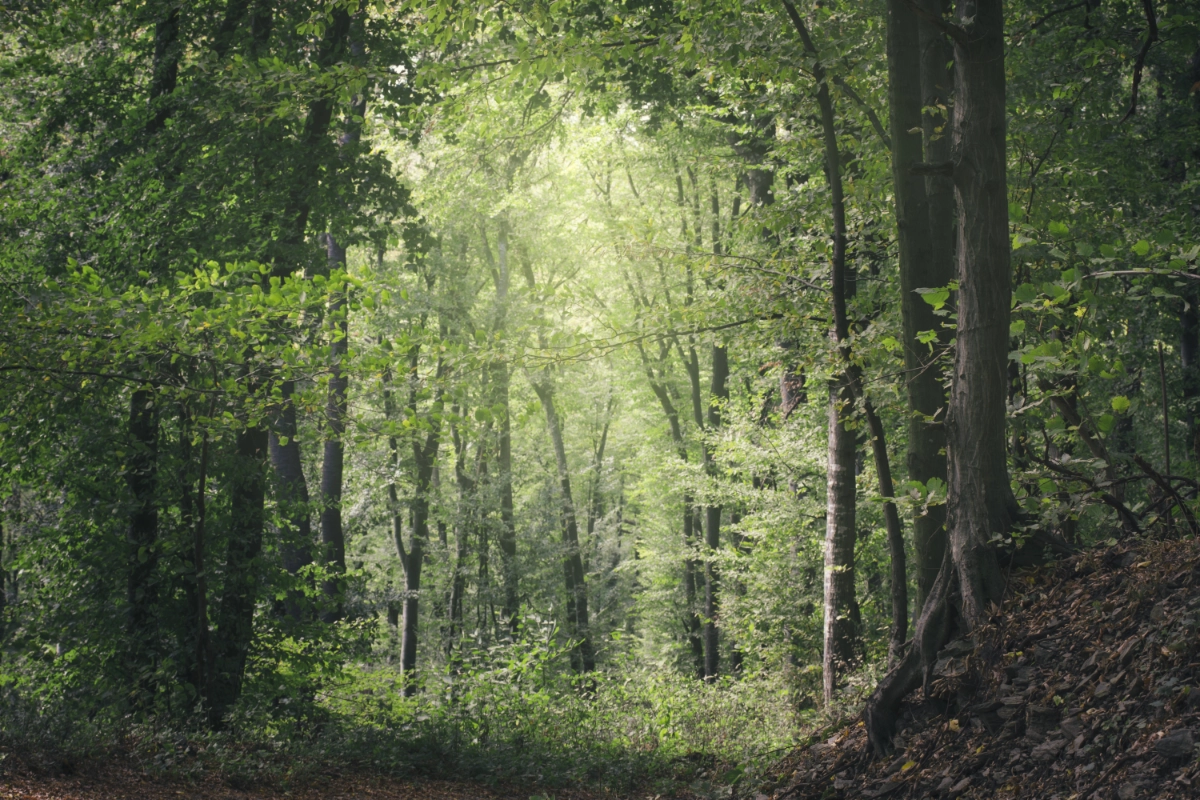
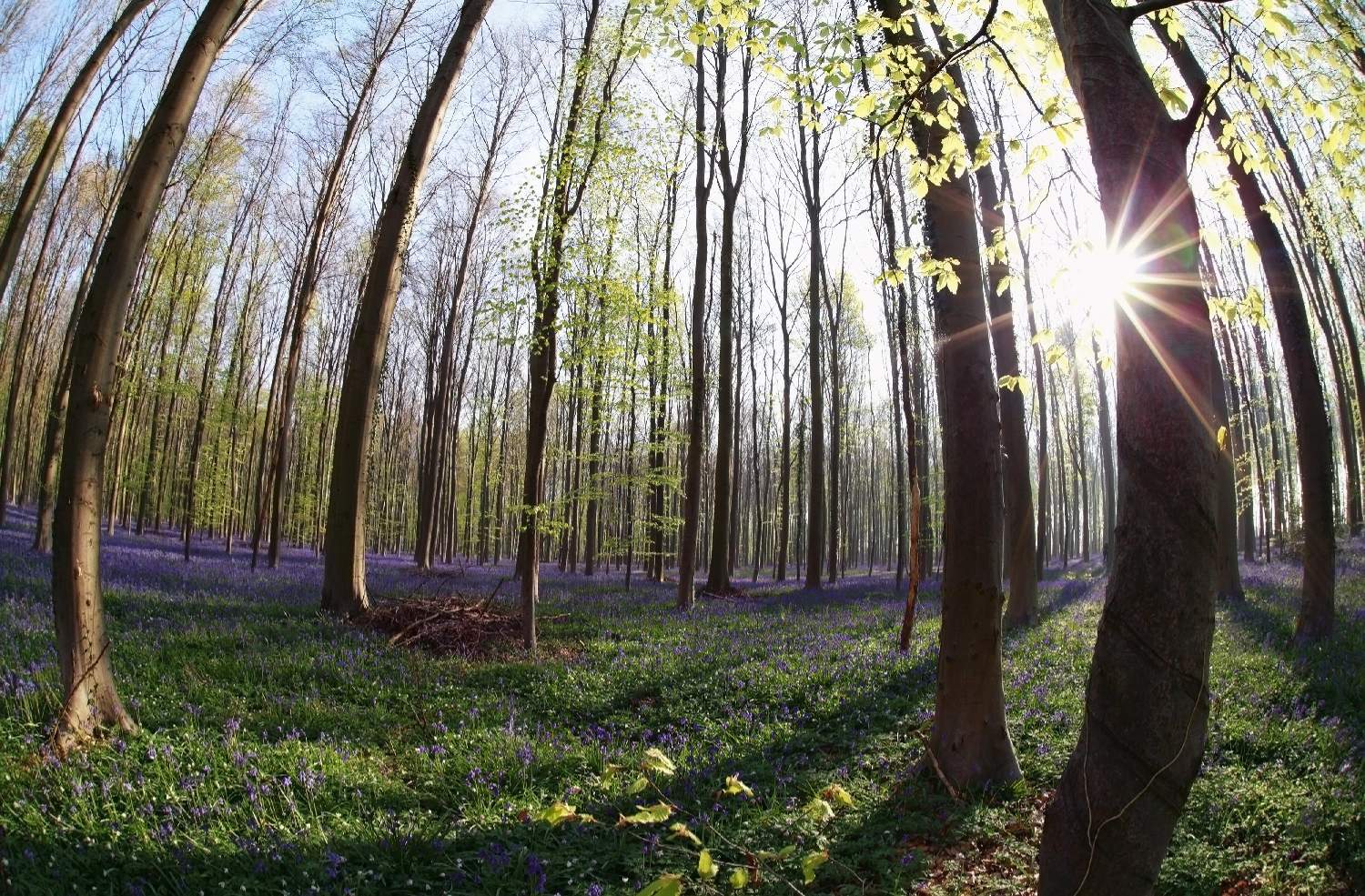
Woodland burials offer far more than a peaceful resting place—they actively support and enhance biodiversity benefits. By transforming burial areas into living woodlands filled with native trees, wildflowers and rich soil life, these sites become thriving habitats for birds, insects, mammals and fungi.
Unlike conventional cemeteries, which often rely on intensive mowing and ornamental planting, woodland burial grounds are managed gently, allowing nature to flourish with minimal disturbance. This creates long-lasting ecological benefits that continue for decades.
Biodiversity Benefits
Before exploring the specific biodiversity benefits of woodland burials, it’s helpful to understand why these natural spaces are so valuable. Unlike traditional cemeteries, woodland burial grounds are designed to blend seamlessly into the surrounding landscape, allowing trees, plants, and wildlife to thrive with minimal disturbance.
By restoring native woodland and letting nature take the lead, these sites create rich, layered habitats that support everything from soil microbes to birds and mammals. The result is a peaceful resting place that also plays an important role in local conservation.
Creating Habitats Through Native Tree Planting
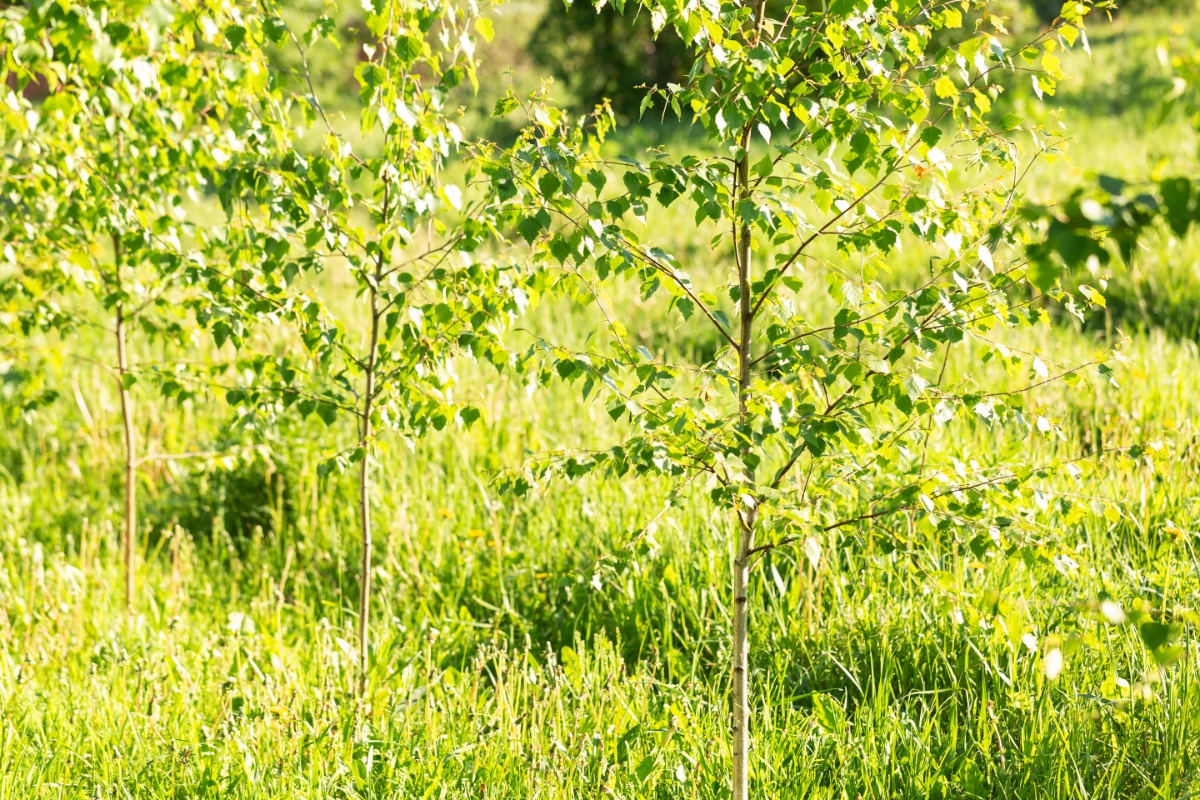
Woodland burials typically involve planting native trees such as oak, birch, hazel, rowan or hawthorn. As these trees grow, they provide:
-
Nesting sites for birds
-
Foraging habitat for bats and insects
-
Shade and shelter for mammals
-
Leaf litter that enriches the soil
Each tree becomes part of a wider ecosystem, increasing structural diversity and supporting hundreds of species.
Supporting Pollinators and Wildflowers
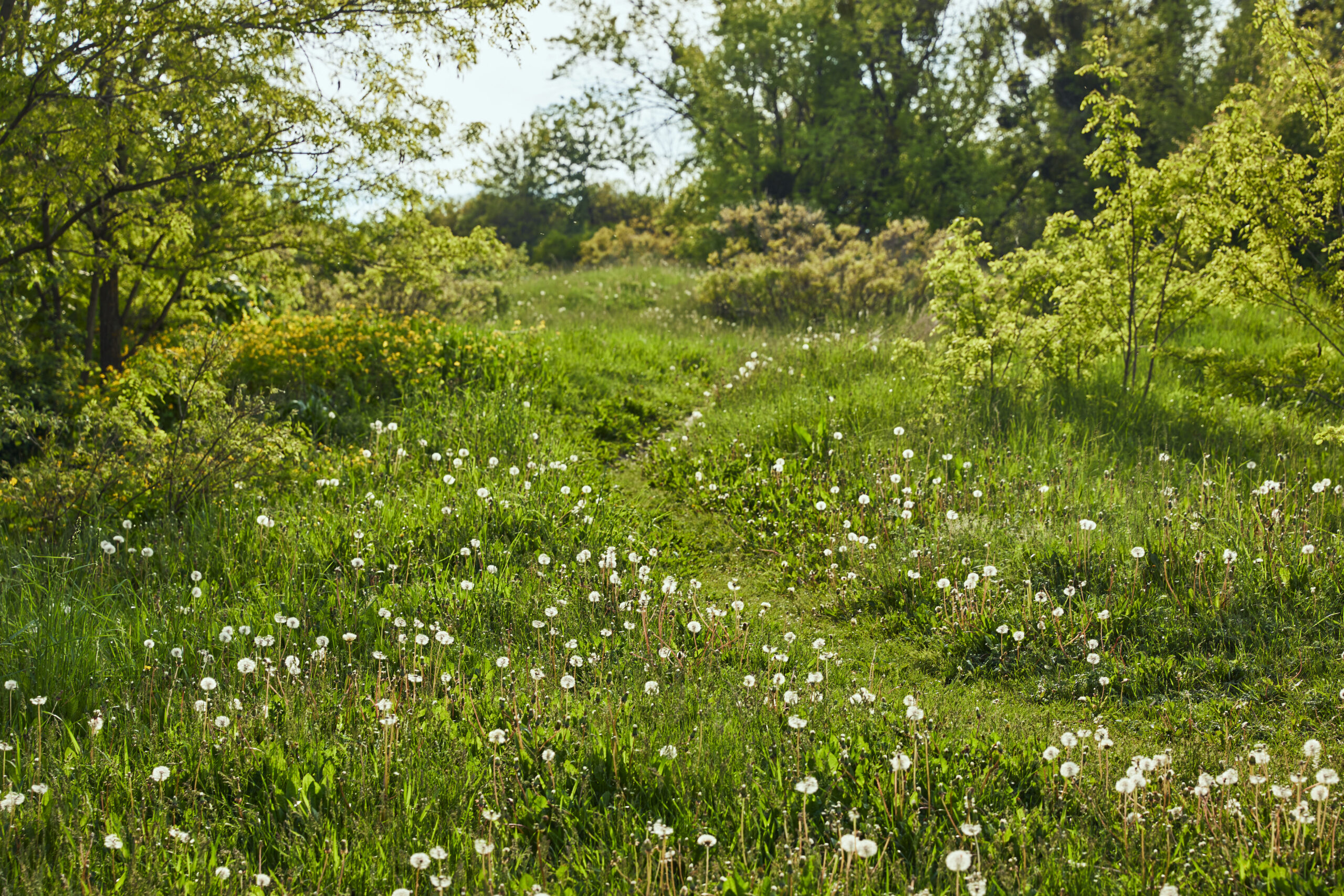
Woodland burial grounds often include glades or meadow areas where wildflowers flourish. These untouched patches provide nectar and pollen for:
-
Bumblebees
-
Solitary bees
-
Butterflies and moths
-
Hoverflies
Because mowing is minimal, flowers have time to bloom, seed, and spread—creating resilient pollinator corridors across the landscape.
Improving Soil Health and Fungal Networks
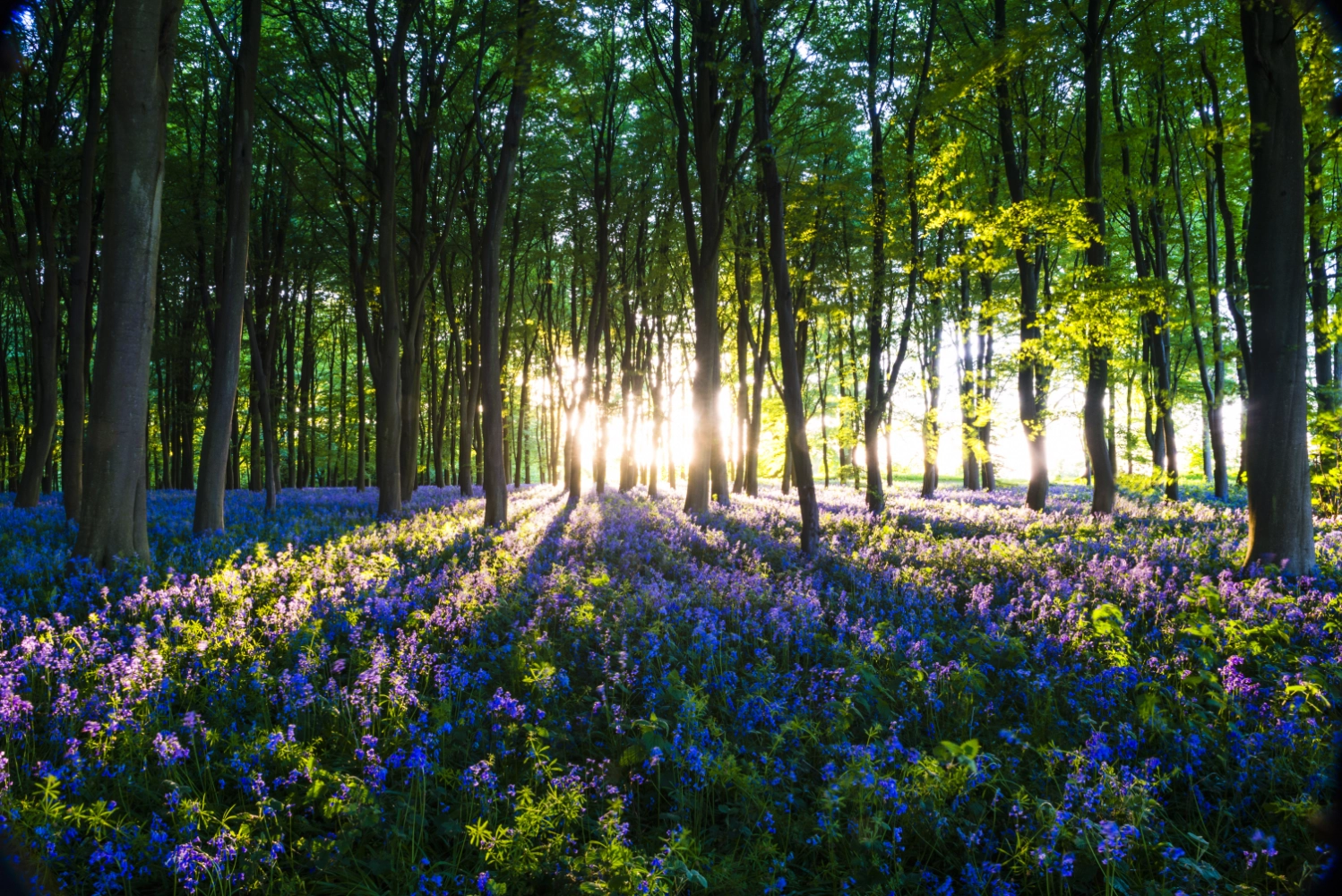
A woodland floor is alive with activity. Decomposing leaves, woody debris and mycorrhizal fungi form a rich, healthy soil system. Woodland burials enhance this naturally by:
-
Avoiding embalming chemicals
-
Using biodegradable coffins
-
Keeping the soil undisturbed
This boosts earthworms, beetles, and soil microbes, which are essential for nutrient cycling and long-term woodland regeneration.
Providing Safe Habitat for Mammals and Birds
As young woodlands mature, they attract a wide variety of wildlife, including:
-
Hedgehogs and voles
-
Badgers and foxes
-
Owls, woodpeckers and songbirds
-
Bats roosting in old trees or nest boxes
The combination of woodland cover, long grass and minimal human disturbance makes these burial grounds ideal for species that struggle in heavily managed environments.
Reducing Fragmentation and Strengthening Wildlife Corridors
Woodland burial grounds often sit on the edges of farms or rural communities. By allowing areas to rewild, they create stepping-stone habitats that link:
-
Existing woodlands
-
Hedgerows
-
Meadows
-
River corridors
This connectivity is vital for wildlife movement, genetic diversity and climate resilience.
Long-Term Land Protection
One of the least recognised biodiversity benefits of woodland burial sites is their permanence. Burial grounds are protected from development, meaning the habitat created today continues to grow and mature for generations.
This long-term protection allows natural succession to take place—trees age, deadwood accumulates, fungi colonise—and a fully functioning ecosystem emerges over time.
Composting, Soil Cycles, and the Move Toward Human Composting
Composting is one of nature’s most powerful processes. Leaves, wood, plants and organic matter break down with the help of microbes, fungi and invertebrates, gradually returning nutrients to the soil.
This natural cycle enriches the earth, supports new plant life, and helps store carbon. In many ways, natural burials mirror this same gentle process: the body returns to the soil without chemicals, allowing decomposition to unfold in harmony with the ecosystem.
As interest in sustainable funeral options grows, there is increasing conversation around human composting, also known as Natural Organic Reduction (NOR). While this practice is not currently legal in the UK (potentially in 2026), several regions around the world—such as parts of the United States—have begun to adopt it as a recognised, environmentally friendly alternative to cremation and traditional burial.
Biodiversity Benefits
Woodland burials are not only a gentle and meaningful end-of-life choice—they are also a powerful tool for conservation. By encouraging native woodland growth, improving soil health, supporting pollinators, and providing safe havens for wildlife, they help restore biodiversity benefits across the landscapes.
Choosing a woodland burial helps create a living legacy that honours both people and the natural world.
Explore Natural Burial Grounds Across the UK
Search our Directory ➜ Natural Burial Grounds Near Me
Find peaceful, eco-friendly burial grounds near you.