
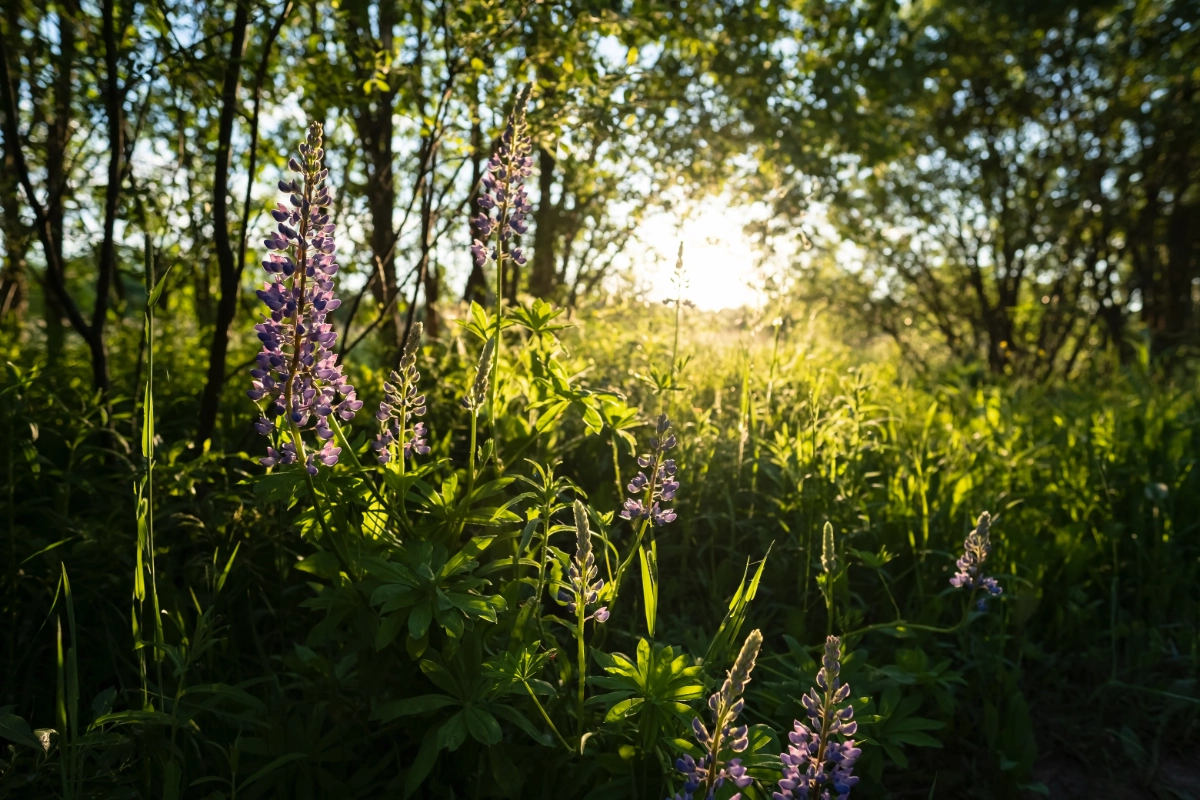
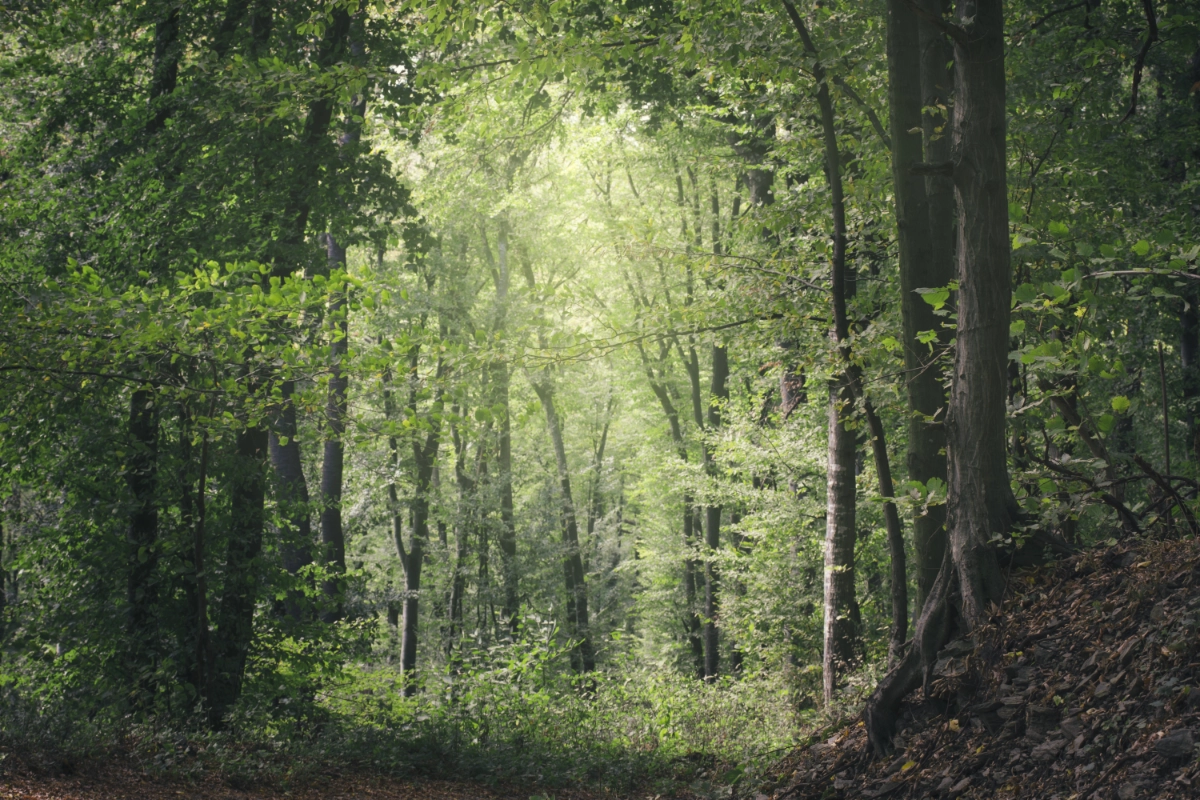
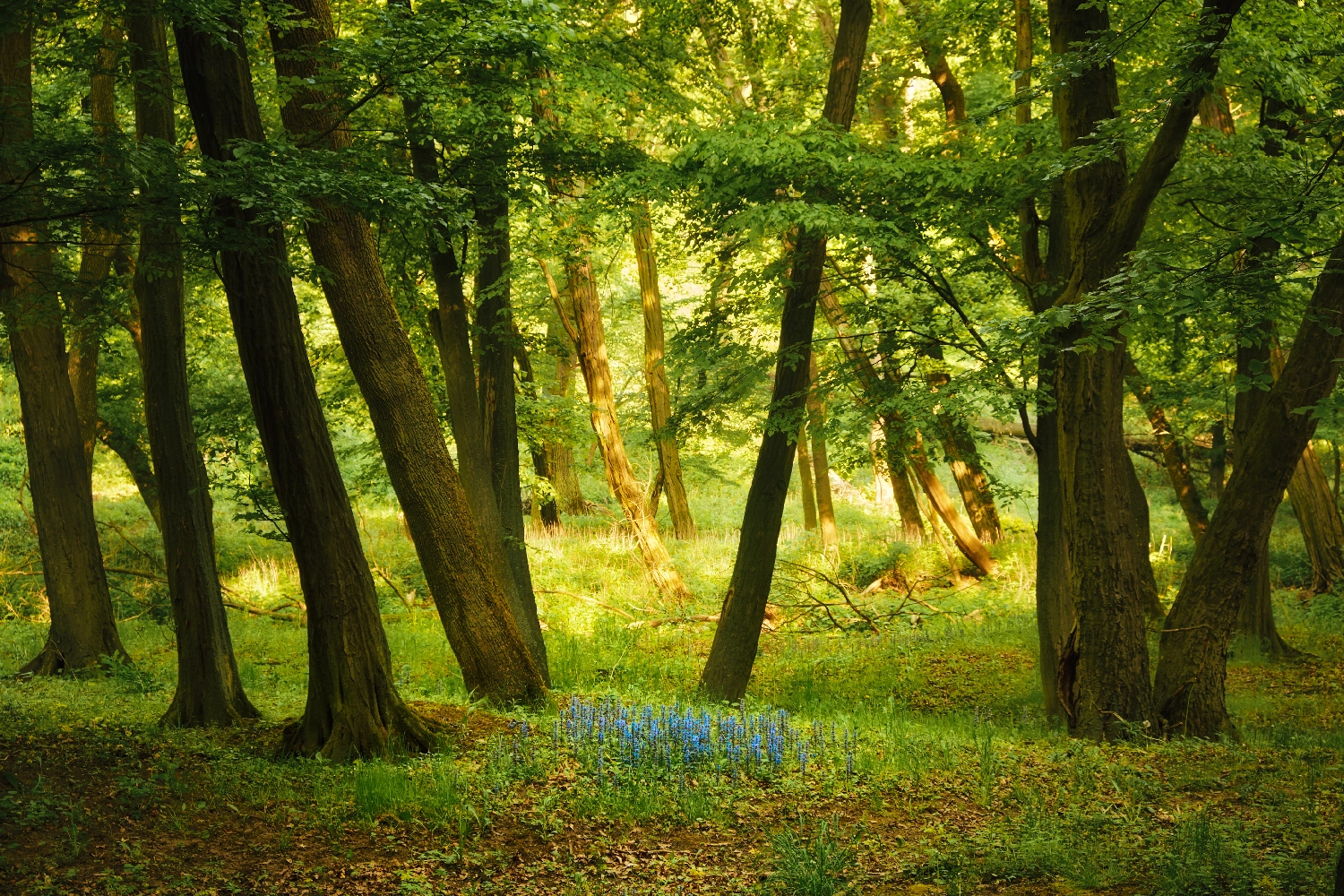
Woodland Burials Explained: Woodland burials are becoming an increasingly meaningful choice for people who want a gentle, natural, and environmentally friendly way to be laid to rest. Set within forests, newly planted woodlands, or areas being restored for wildlife, a woodland burial offers a simple return to nature that feels peaceful and connected to the land.
For many families, the appeal lies in letting nature lead the way. Instead of rows of headstones, woodland burial sites are shaped by trees, wildflowers, birdsong, and the wider ecosystem. The landscape grows and evolves, becoming a living memorial.
What Is a Woodland Burial?
Woodland Burials Explained. A woodland burial is an environmentally friendly burial that takes place within a woodland setting, often part of a conservation or rewilding project. Instead of traditional cemetery infrastructure, the burial site is integrated naturally into the landscape.
Key features include:
-
Burial in a woodland area—existing or newly planted.
-
Use of biodegradable coffins or shrouds such as wicker, willow, cardboard, wool, or bamboo.
-
Minimal disturbance to the land.
-
Natural memorials rather than headstones (often a tree or simple marker).
-
A focus on nature, tranquillity, and sustainable land stewardship.
Woodland burials are one form of natural burial, but the woodland setting gives them a distinct focus on trees, habitat creation, and long-term ecological restoration.
Why Do People Choose Woodland Burials?
People choose woodland burial for a range of gentle, meaningful reasons:
Environmental Benefits
Woodland burial grounds promote biodiversity, support soil health, and often contribute to long-term conservation goals. Families appreciate that the burial becomes part of a living ecosystem.
A Peaceful, Natural Setting
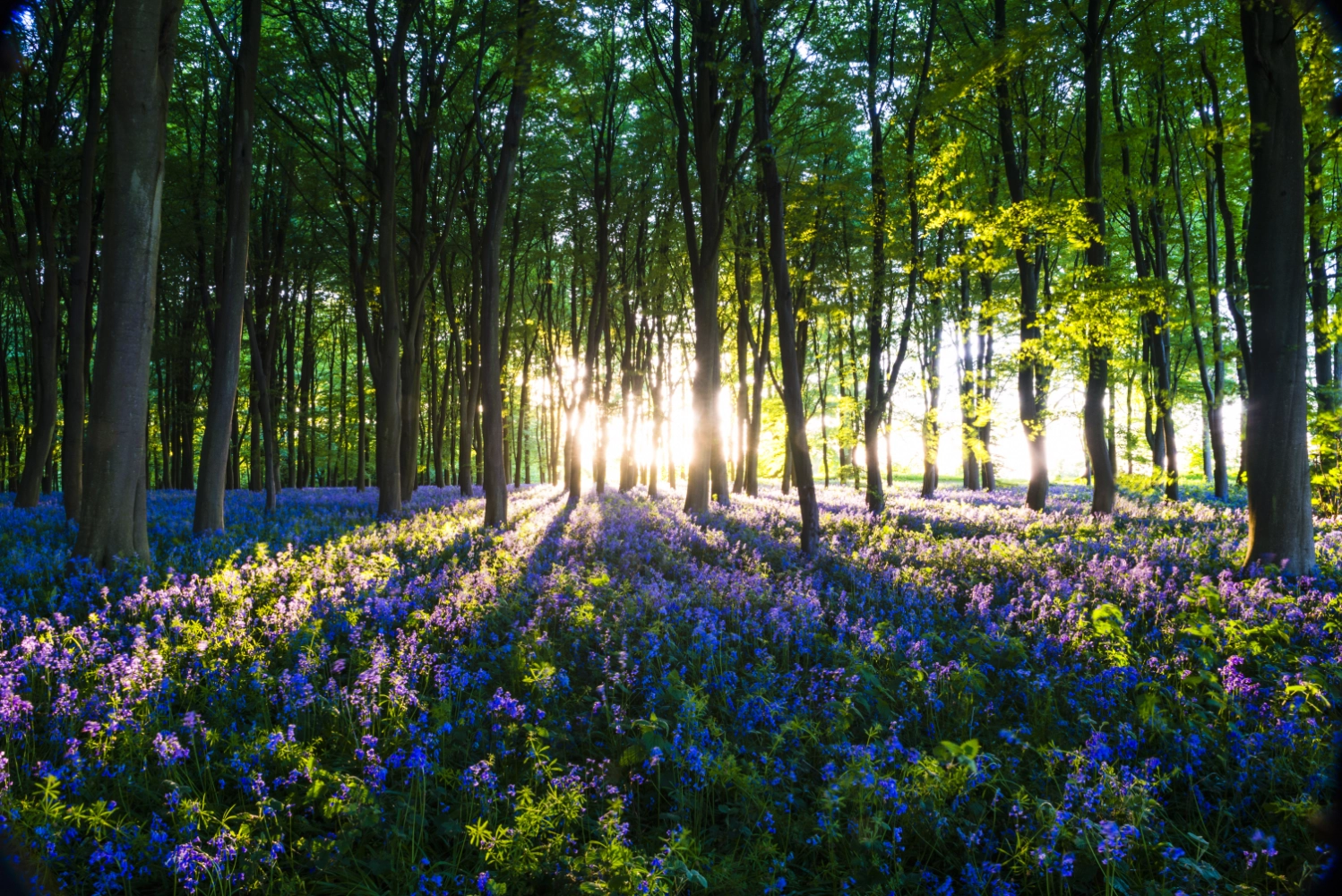
Instead of a formal cemetery, the setting is a woodland: birdsong, flowers, rustling leaves. Many people find this deeply comforting and reflective.
A Simple, Eco-Friendly Approach
No embalming chemicals, no concrete chambers, and no non-biodegradable materials. The focus is on natural decomposition and minimal impact.
A Living Memorial
Planting trees or allowing woodland to regenerate creates a memorial that grows over time—honouring the person while nurturing the environment for future generations.
How Woodland Burials Work
While each burial ground has its own approach, the overall process is gentle and straightforward.
1. Choosing a Site
Families select a woodland burial ground that suits their wishes. Some sites are mature forests; others are new woodlands planted specifically for conservation. Our directory of Natural Burial Grounds near Me can help find a site near you.
2. Biodegradable Coffin or Shroud
Woodland sites require eco-friendly materials such as:
-
wicker or willow
-
bamboo or rattan
-
wool coffins
-
cardboard coffins
-
natural fibre shrouds
For more detail, see your Eco-Friendly Coffins & Shrouds Guide pillar page.
3. Preparation and Burial
Burials are dug carefully to protect tree roots and soil structure. The burial is completed naturally, without concrete vaults or formal memorials.
4. Natural Memorial Markers
Instead of a stone headstone, families may choose:
-
a tree planting
-
a wooden marker
-
a small plaque (if permitted)
-
GPS coordinates for locating the plot
5. Ongoing Care of the Woodland
The burial ground’s long-term management plan prioritises:
-
habitat protection
-
responsible woodland management
-
maintaining footpaths and public access
-
monitoring biodiversity
Types of Woodland Burial Sites in the UK
Woodland burial grounds vary, and choosing the right type helps ensure the burial aligns with personal values.
Established Woodland
Burials take place within an existing mature woodland, where care is taken to avoid disturbing root systems or established ecosystems.
Newly Planted or Regenerating Woodland
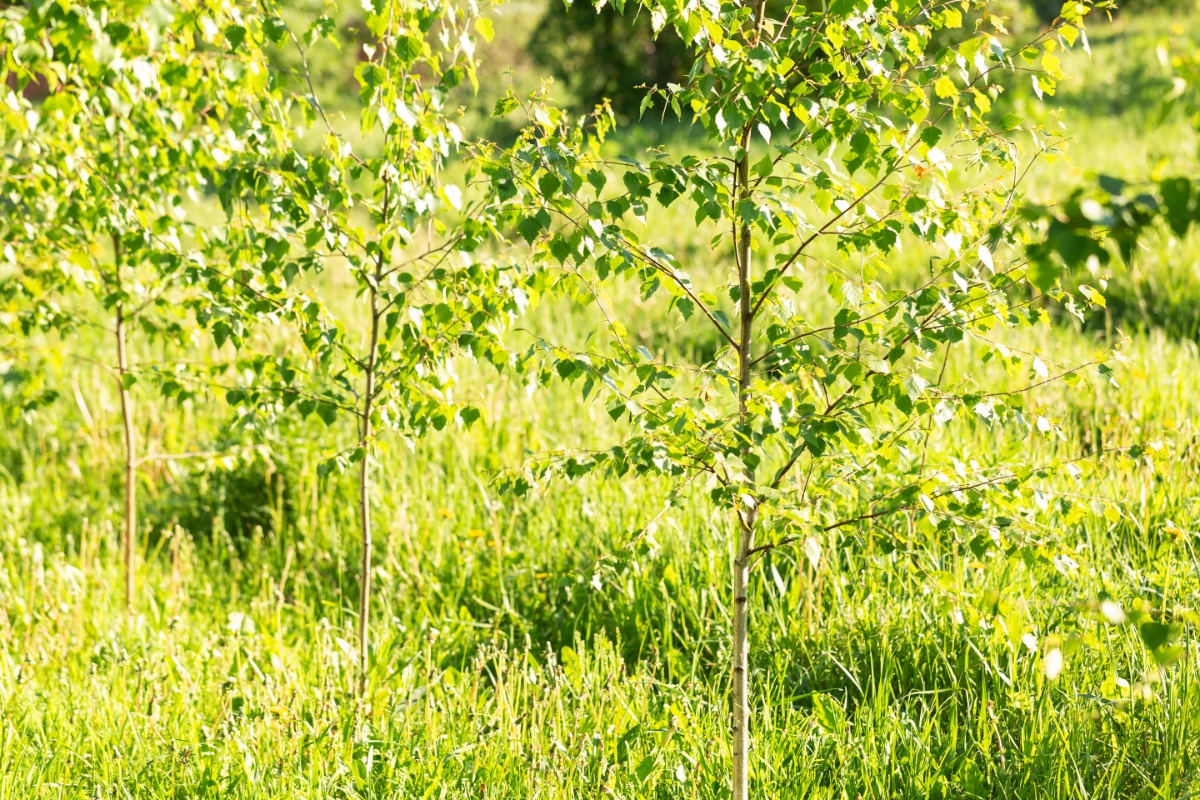
These sites often align with rewilding or afforestation projects. Each burial contributes to the woodland's expansion over time.
Meadow-to-Woodland Transition Sites
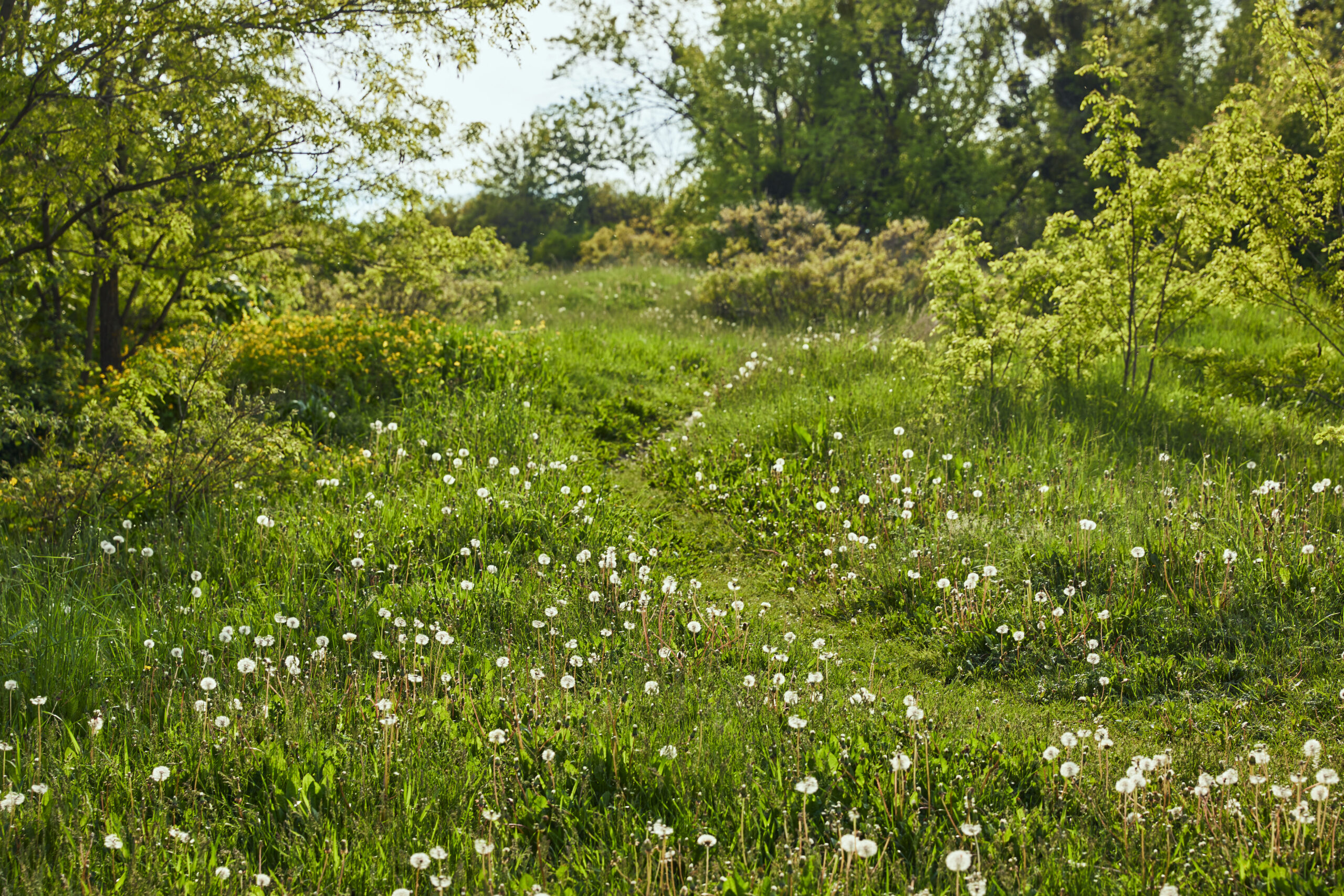
These start as meadow burial grounds and gradually transition into young woodland. They're a popular option where land is being ecologically restored.
Woodland Burial vs Natural Burial: What’s the Difference?
Although all woodland burials are natural burials, not all natural burials take place in woodland.
Woodland burials specifically occur in forested or afforestation areas and focus on tree-based memorials and woodland ecology. Natural burials may instead be set within meadows, pastures, or conservation grounds of varied habitat types.
Environmental Considerations
Woodland burials can provide significant ecological benefits when thoughtfully managed:
-
Improved biodiversity – woodland habitats support a wide range of species.
-
Enhanced soil health – natural decomposition enriches the soil.
-
Reduced carbon footprint – biodegradable materials avoid industrial processes associated with traditional funerals.
-
Habitat protection – burial grounds often exclude intensive land use that could damage ecosystems.
What Does a Woodland Burial Ceremony Look Like?
Ceremonies are flexible, inclusive, and shaped by the individual or family. They may involve:
-
a simple graveside gathering
-
readings, music, poetry, or silence
-
involvement from a celebrant, faith leader, or family member
-
tree planting (if permitted) after the burial
-
time spent walking through the woodland afterwards
There is no standard format—woodland burials support secular, spiritual, or religious preferences without assumptions.
Costs of Woodland Burials
Costs vary between burial grounds but may include:
-
Plot purchase
-
Interment fee
-
Optional tree planting
-
Eco-coffin or shroud
-
Ceremony services
Woodland burial is often similar in price to natural burial and can be more affordable than a traditional cemetery burial, depending on location.
How to Choose a Woodland Burial Ground
When selecting a burial ground, families may wish to consider:
-
The type of woodland (mature, young, regenerating)
-
Long-term land management plans
-
Accessibility for future visits
-
Rules for memorials
-
Environmental commitments
-
Availability of plots
-
Distance from home
Legal Requirements for Woodland Burials
Woodland burials follow UK burial law, which does not prohibit natural or woodland burials provided they meet general requirements around:
-
accurate record-keeping
-
suitable land use
-
environmental and water safety
-
planning considerations (depending on the site)
Relevant legal sources include:
-
Burial Act 1857 (for rules concerning burials and exhumation)
Each site handles compliance, but families may be signposted to official resources for reassurance.
Memorial Trees and Woodland Markers
Many woodland burial grounds allow:
-
planting a native tree (oak, birch, hazel, rowan, etc.)
-
small discreet wooden markers
-
simple plaques
-
GPS-based memorials
Native species are chosen to support woodland ecology. Not all sites permit individual tree planting—some manage tree planting seasonally or collectively for ecological balance.
Visiting a Woodland Burial Ground
Families can often visit year-round, although paths may be natural rather than paved. Expect:
-
changing seasonal landscapes
-
birds, insects, and wildlife
-
peaceful walking routes
-
minimal signage to maintain the natural feel
Many people find these visits grounding and comforting.
Woodland Burials Explained
Woodland burials explained. Woodland burials offer a peaceful, environmentally conscious alternative that many people find comforting and meaningful. They allow individuals to rest in a setting shaped by trees, wildlife, and the natural cycles of the land. Whether chosen for ecological reasons, personal values, or the desire for a gentle and natural farewell, woodland burials bring together simplicity and nature in a beautiful way.
For those considering this option, exploring different sites and learning about their landscapes, ecological commitments, and long-term plans can help you find a place that feels right.
Explore Natural Burial Grounds Across the UK
Search our Directory ➜ Natural Burial Grounds Near Me
Find peaceful, eco-friendly burial grounds near you.
Frequently Asked Questions
Woodland Burial
A woodland burial takes place specifically within a woodland, while natural burial can take place in meadows, pastures, or conservation areas.
Cremated Ashes
Some do, but rules vary. Ashes can affect soil chemistry, so grounds may offer designated areas or specific guidance.
Plant a Tree
Woodland Burial Legal
Biodegradable Coffins and Shrouds
Biodegradable coffins or natural fibre shrouds are required. Options include willow, wicker, cardboard, bamboo, wool, and others.
Woodland Burials
Timeline
Woodland burials are typically single, un-reused plots, intended to remain part of the natural landscape indefinitely.