Eco friendly coffins are becoming an increasingly popular choice for individuals and families who want a gentler, more environmentally conscious way to say goodbye. Whether planning a natural burial, a woodland burial, or simply choosing greener funeral options, eco coffins offer a simple, sustainable alternative to traditional hardwood or metal coffins.
This guide explains what an eco friendly coffin is, the materials commonly used, how they support natural burial grounds, and what to consider when choosing one.
What Is an Eco Friendly Coffin?
An eco friendly coffin is a biodegradable coffin made from natural materials that break down safely in the soil. These coffins avoid varnishes, plastics, metals, and glues that can harm the environment. Instead, they support the natural decomposition process and reduce the carbon footprint associated with funerals.
People choose eco coffins for several reasons:
-
To minimise environmental impact
-
To align with natural burial requirements
-
To support ethical, sustainable materials
-
To choose something simple, natural, and gentle
Eco friendly coffins are suitable for natural burial grounds, many woodland burial sites, and some traditional cemeteries that allow biodegradable materials.
Why Eco Friendly Coffins Matter in Natural Burials
Natural burial grounds focus on preserving soil health, protecting wildlife, and maintaining peaceful, nature-rich landscapes. To achieve this, they require biodegradable materials — including coffins and urns — that allow the land to remain undisturbed and free from pollutants.
Choosing an eco coffin supports:
-
Soil ecosystem health
-
Cleaner groundwater (no chemical treatments)
-
Lower carbon emissions
-
A more natural return to the earth
Eco friendly coffins also help maintain the overall ecological integrity of these sites, aligning with broader environmental goals such as conservation, rewilding, and land stewardship.
Types of Eco Friendly Coffins
Below is an overview of the most common biodegradable coffin materials used.
Cardboard Coffins
Cardboard coffins are one of the most affordable and environmentally friendly options.
They are:
-
Made from recycled paper or sustainably sourced card
-
Lightweight but surprisingly strong
-
Fully biodegradable
-
Often available in plain designs or with natural finishes
Cardboard coffins are accepted in most natural burial grounds as long as they do not contain laminated coatings.
Willow Coffins
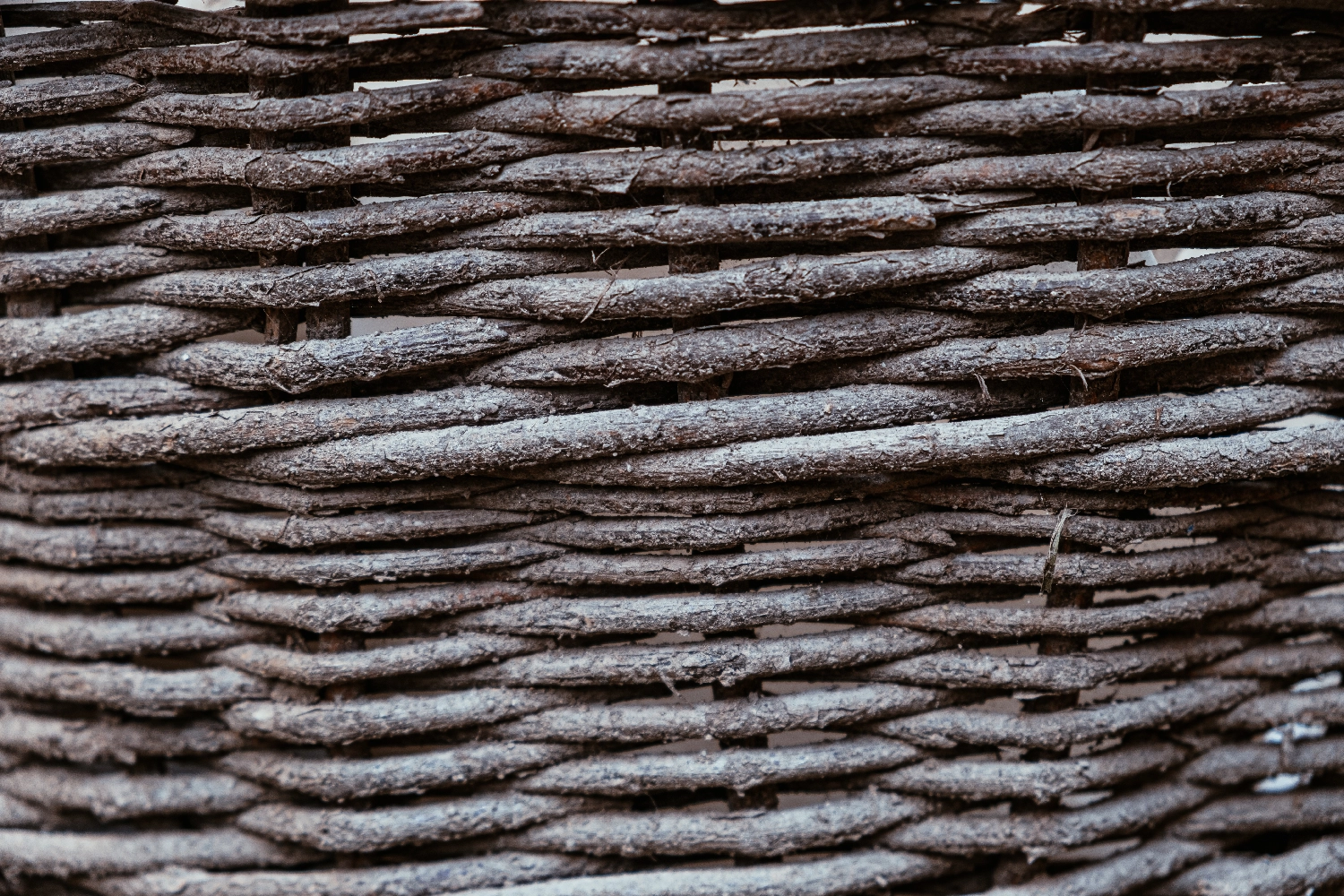
Willow (also known as wicker) is one of the most popular natural coffin materials.
Willow is a fast-growing, highly renewable material, which makes it one of the most sustainable choices for an eco friendly coffin. Its natural fibres break down quickly in the soil, returning valuable organic matter and nutrients that help support healthy soil ecosystems and biodiversity.
Willow coffins are:
-
Hand-woven by skilled craftspeople
-
Made from fast-growing, renewable willow rods
-
Beautiful, natural in appearance, and gentle in the landscape
-
Biodegradable and free from harmful treatments
They sit perfectly within woodland burial settings and often feel more organic and less formal than traditional designs.
Bamboo Coffins
Bamboo is a highly sustainable material due to its rapid growth and strength.
Bamboo coffins offer:
-
A clean, simple design
-
Strong structural support
-
Full biodegradability
-
Low-impact cultivation
They are ideal for families seeking simplicity with a strong sustainability focus.
Negative: Although bamboo is a fast-growing and renewable material, many bamboo coffins are imported from overseas, which can significantly increase their carbon footprint. The long transport distances involved mean bamboo is often less environmentally friendly than locally grown materials such as willow or wicker.
Seagrass & Rattan Coffins
Seagrass and rattan are natural fibres commonly used in woven coffins.
Seagrass is a natural fibre harvested from coastal marine plants, valued for its strength and soft, woven texture. When used in eco friendly coffins, it biodegrades naturally and contributes organic matter back to the soil, making it a simple, sustainable choice for natural burials.
These materials provide:
-
A warm, natural aesthetic
-
Ethical, low-impact harvesting
-
Full biodegradability
-
A slightly firmer weave than willow
They are accepted at most natural burial grounds and complement meadow or woodland settings.
Negative: Rattan is a naturally strong, flexible vine that grows quickly in tropical forests, making it a highly renewable material for woven coffins. However, because rattan products are often imported from overseas, the long transport distances can increase their carbon footprint, making them less environmentally friendly than locally sourced materials.
Wool or Felt Coffins
Woollen coffins offer a very soft, gentle appearance. They are:
-
Made using natural British wool
-
Biodegradable with a recyclable or biodegradable inner frame
-
Popular for their softer, comforting feel
-
Lightweight and supportive
Wool coffins often appeal to individuals seeking more natural, cosy, and non-traditional designs.
Solid Wood from Sustainable Sources
Some natural burial grounds allow wooden coffins as long as the timber is sustainably sourced and untreated.
Look for:
-
FSC-certified or locally grown timber
-
No varnishes, plastics, or metal fixtures
-
Natural rope handles
Suitable woods often include pine or other softwoods.
How to Choose an Eco Friendly Coffin
When selecting an eco coffin, consider the following:
1. Burial Ground Requirements
Each natural burial ground has its own guidelines about permitted materials. Checking their policy ensures your choice aligns with ecological standards.
2. Material Sustainability
Opt for materials that grow quickly, are easily renewable, or recycled. Willow, wool, bamboo, and cardboard are among the most sustainable options.
3. Biodegradability
Ensure the coffin uses natural glues, no varnish, and biodegradable linings.
4. Aesthetic Preferences
Some families prefer the simplicity of cardboard, while others feel drawn to woven coffins or wool designs. Choose whatever feels right and meaningful.
5. Cost
Eco coffins vary in cost, with cardboard being the most affordable and woven materials or wool costing more due to craftsmanship.
Environmental Benefits of Eco Friendly Coffins
Eco coffins contribute to greener funerals by:
-
Reducing carbon footprint
-
Minimising the use of metal, plastics, and chemicals
-
Supporting regenerative and sustainable materials
-
Allowing natural burial grounds to maintain healthy ecosystems
-
Promoting low-impact funeral practices
These benefits align closely with the site’s overall mission to support environmentally friendly burial options.
Are Eco Coffins Suitable for Cremation?
Yes — many eco friendly coffins are suitable for cremation, though requirements differ. Cardboard, wicker, bamboo, and wood are widely accepted. Wool and some woven coffins may require confirmation with the crematorium.
However, for natural burial grounds, cremation is often discouraged due to environmental impact. Eco coffins are most meaningful when used for natural burials, where their biodegradable qualities support ecological restoration.
Eco Friendly Coffins
Eco friendly coffins provide a gentle, sustainable, and meaningful way to honour a loved one's life while caring for the environment. With natural materials, biodegradable designs, and a focus on simplicity, they support the values at the heart of natural and woodland burials.
If you're exploring eco burial options, an eco friendly coffin is one of the most impactful choices you can make — for both your loved one and the landscape that will hold them.
Explore Natural Burial Grounds Across the UK
Search our Directory ➜ Natural Burial Grounds Near Me
Find peaceful, eco-friendly burial grounds near you.